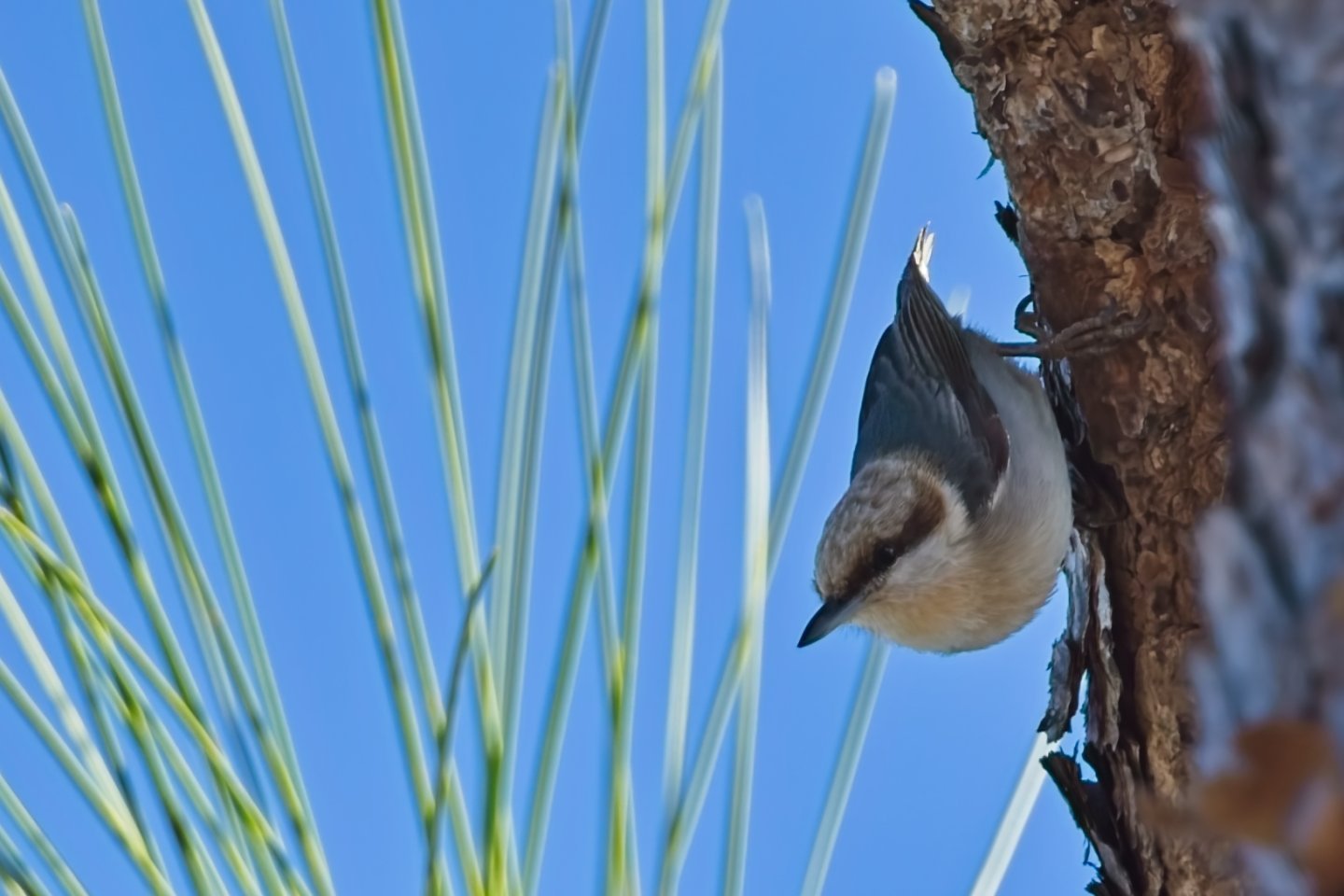
The morning light filters through the dense canopy of Lakes Park, casting shifting patterns of shadow and illumination across the sandy earth. It is in this specific environment that a remarkable scene unfolds, centered around a bird perfectly adapted to its lush, human-modified landscape: the Red-bellied Woodpecker. This is not merely a bird passing through; it is a master of the hidden world beneath the surface, engaging in a meticulous search for sustenance that defines its existence in Southwest Florida.
The setting itself—the edge of an open woodland blending into suburban edges within Lakes Park—provides the perfect context for understanding the resilience and adaptability of this species. Red-bellied Woodpeckers are not confined to dense, untouched forests; they thrive where nature intersects with human activity. They become a familiar and vital presence in these modified landscapes, demonstrating how deeply integrated wildlife can be within environments we shape daily. This adaptable nature is key to their success, allowing them to occupy spaces ranging from open woodlands to suburban backyards, making them a common sight in places like Lakes Park, where the rhythms of the natural world continue unabated alongside human life.
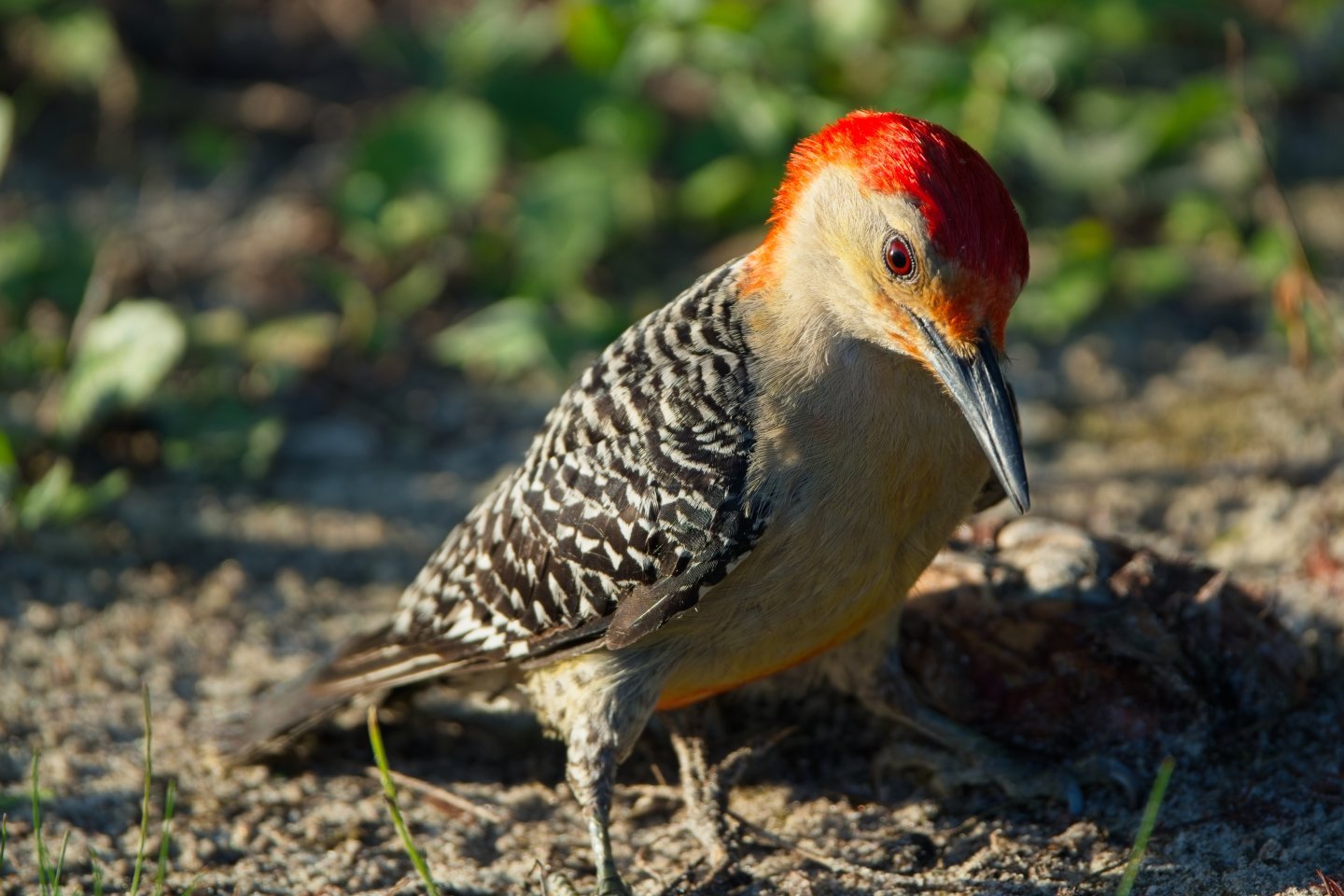
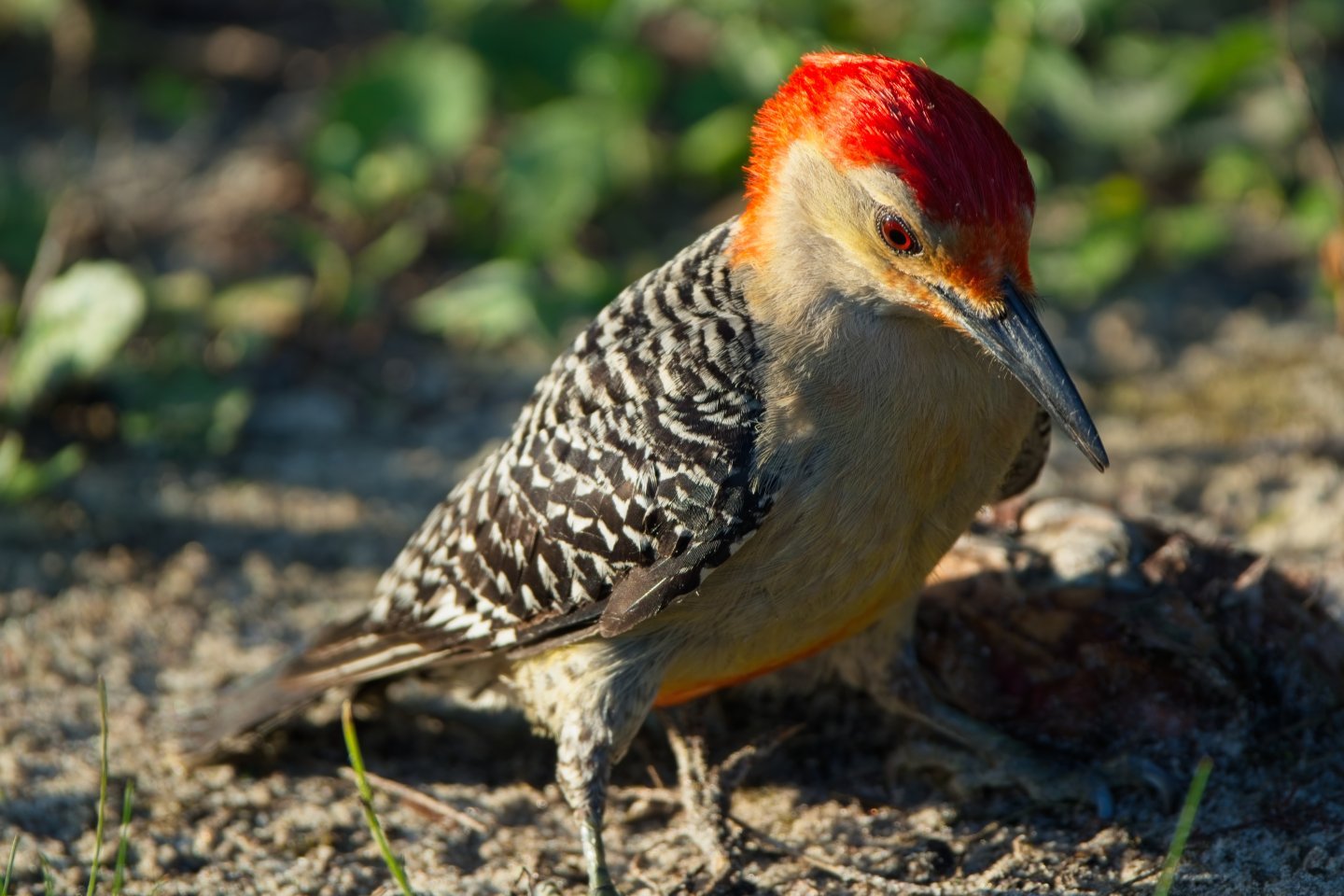
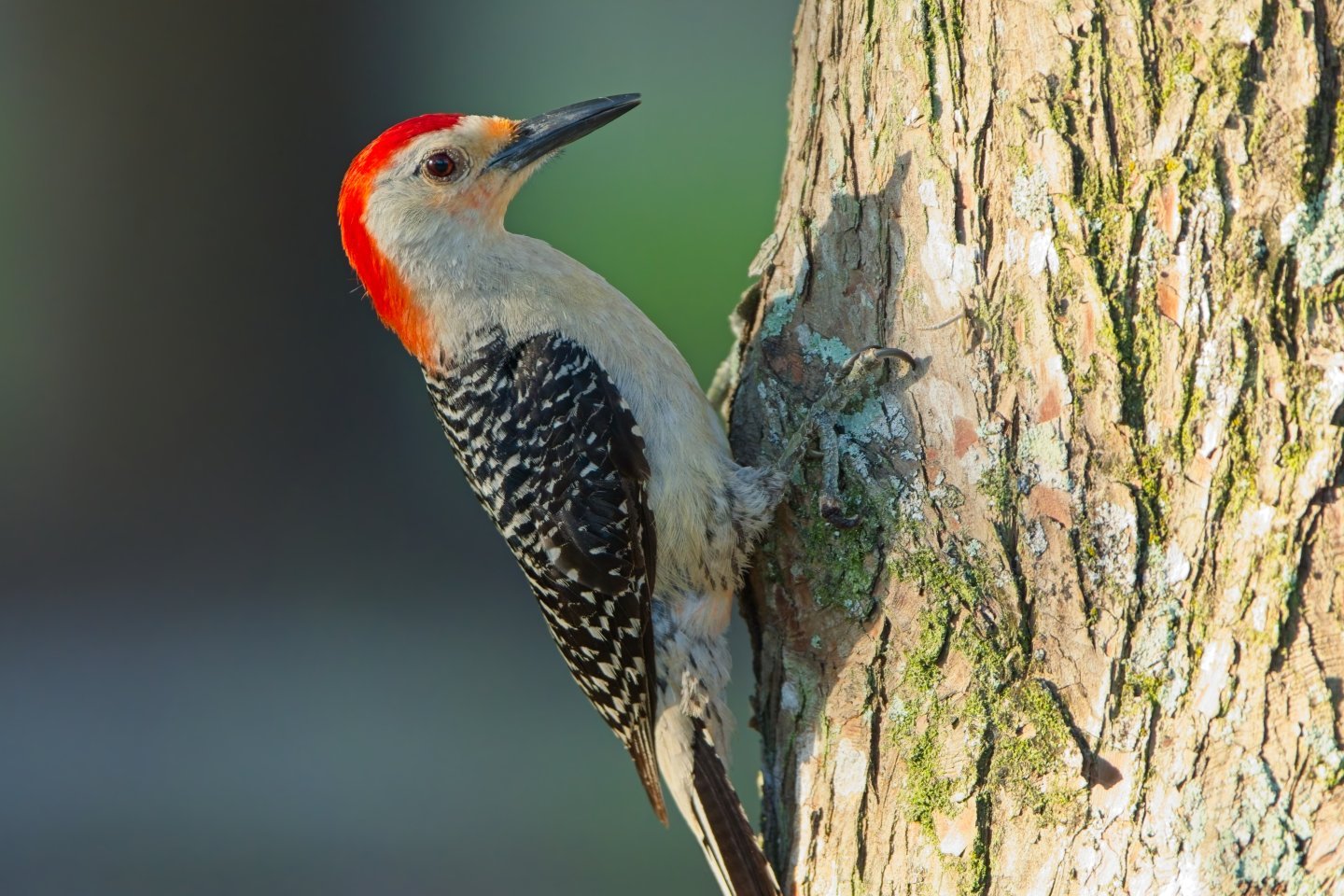
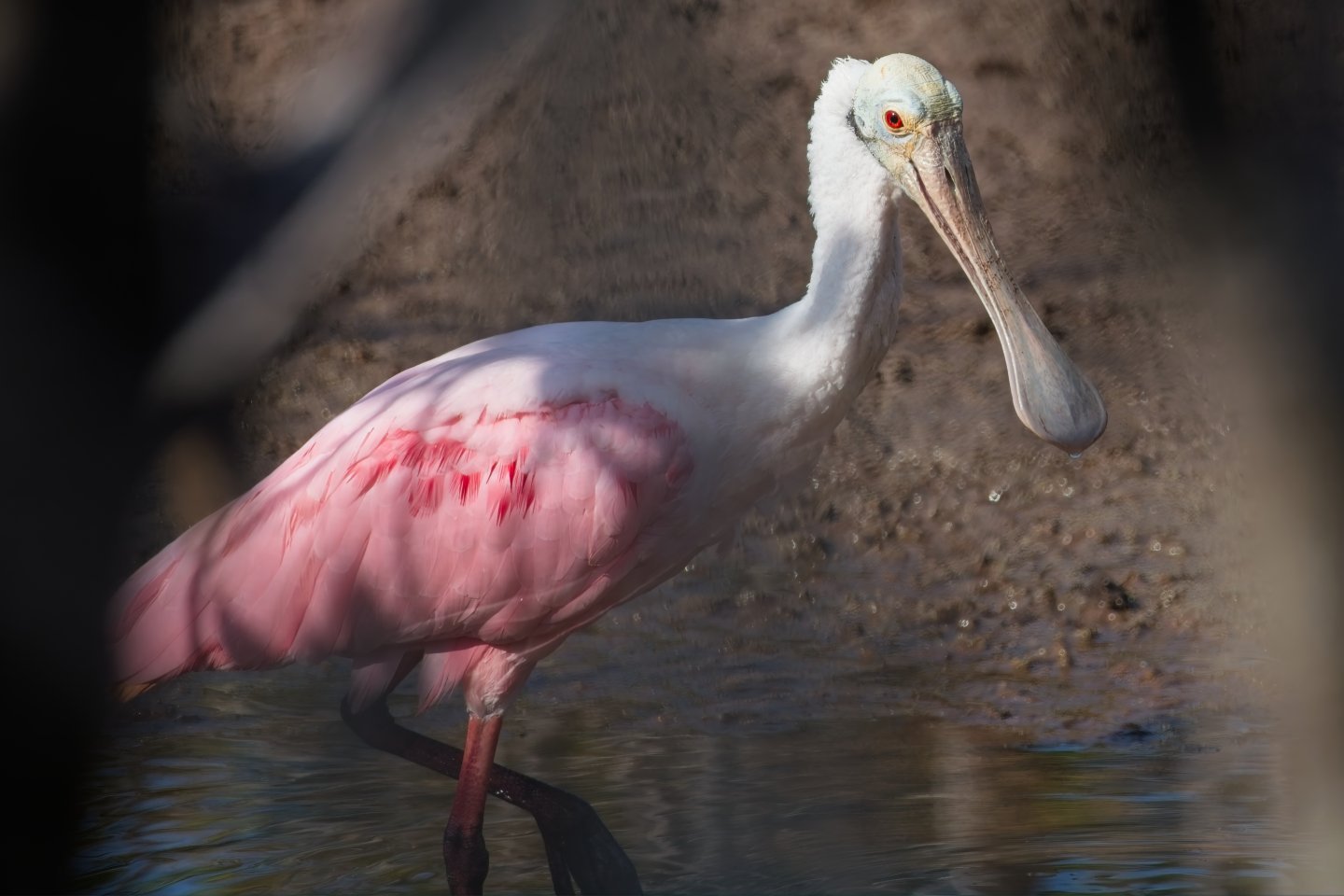
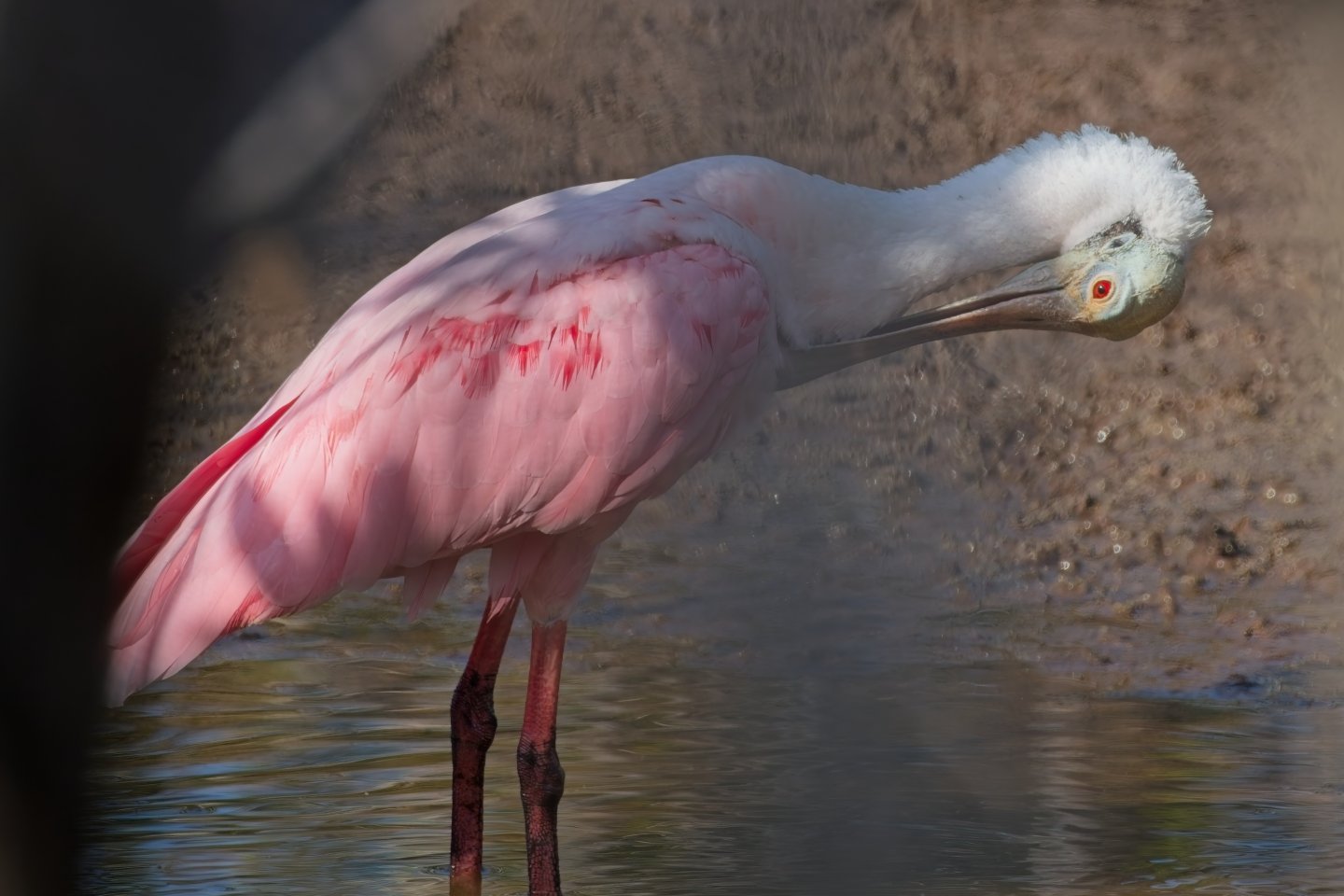
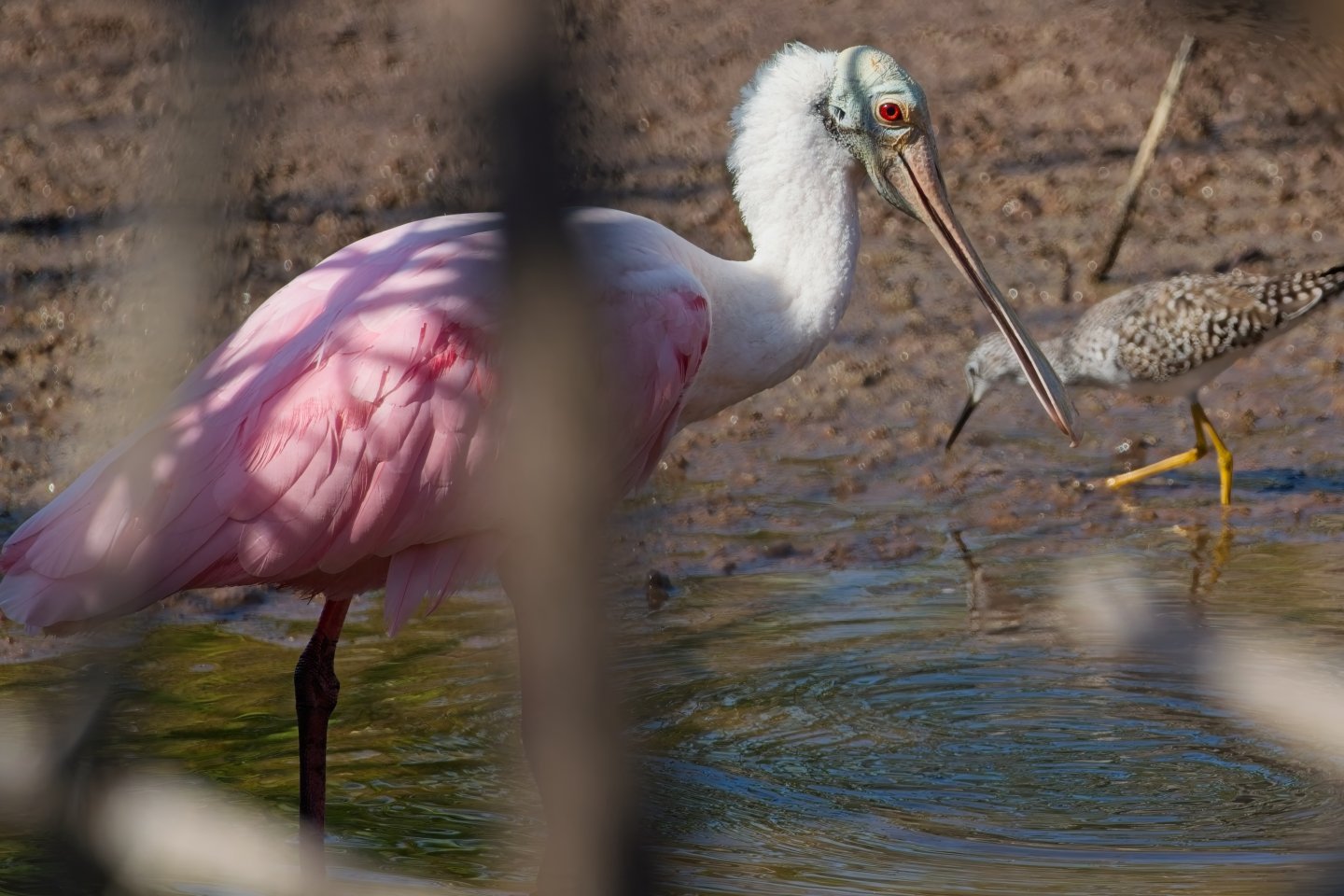
The bird is captured in a moment of intense focus, positioned on the ground, its attention directed downward as it probes the sandy earth. Its appearance is striking: a vivid display of color and pattern that sets it apart from its surroundings. The male Red-bellied Woodpecker features a distinctive solid red cap that extends sharply from the forehead to the nape, an unmistakable identification mark that speaks to its unique identity. This striking crimson crown contrasts beautifully with the black and white barred back, creating a dynamic visual texture as the natural light catches the intricate pattern. While the name suggests a reddish wash on the belly, this coloration is often faint and subtle, making the vivid red of the crown the most noticeable feature in their portrait.
The way the woodpecker interacts with the ground is an exercise in specialized behavior. As it forages, the bird utilizes its chisel-like bill not just to strike wood, but to meticulously manipulate the soil itself. This foraging style reveals a profound connection between the animal and its immediate environment, suggesting that the bounty of the earth is often found beneath the surface layer. The search becomes a delicate dance between instinct and tactile sensation as the bird seeks out hidden treasures.
One of the most fascinating aspects of this behavior involves the mechanisms used to extract food from concealed locations. When searching for sustenance on the ground, Red-bellied Woodpeckers deploy specialized tools that allow them to delve into the earth with precision. Their long, barbed tongue is a remarkable extension of their bill, capable of extending well beyond the tip of the beak. This specialized structure serves as an effective tool, allowing the woodpecker to extract insects and other small creatures from deep within crevices or from the soil itself. This adaptation demonstrates an advanced level of sensory and physical mastery over the material world they inhabit.
The hidden bounty beneath the surface is a primary focus for these ground foragers. They frequently engage in the activity of caching food, storing resources for later consumption. Whether it is fallen acorns, hard nuts, or various insects, these items are often tucked away in crevices or under bark to be retrieved when needed. This behavior highlights an intelligent strategy of resource management within their ecosystem. When they forage on the ground, they are essentially mining the landscape, searching for seeds and insects that lie just beneath the surface layer.
The diet of the Red-bellied Woodpecker is remarkably varied, reflecting its ecological flexibility. It is not limited to one source of food but consumes a wide range of items. The bird demonstrates a preference for significant amounts of fruit, berries, and seeds. This diverse diet underscores its ability to thrive in various microenvironments within the larger ecosystem of Southwest Florida. They consume these items either directly from plants or by diligently seeking them out on the ground, demonstrating an opportunistic approach to feeding that ensures survival regardless of seasonal changes or local resource availability.
The existence of this bird in places like Lakes Park speaks volumes about its ability to flourish in human-modified landscapes. Red-bellied Woodpeckers are highly adaptable creatures, thriving successfully in environments shaped by human activity, such as urban parks and suburban backyards. This adaptability is not a passive trait but an active demonstration of sophisticated behavioral strategies that allow them to secure food and territory within these dynamic settings. Their presence acts as a living reminder of the intricate web of life that persists and adapts alongside human communities.
Beyond foraging, the communication methods of this species add another layer of complexity to understanding their daily lives. Red-bellied Woodpeckers do not communicate solely through visual cues; they utilize an array of calls and specialized drumming patterns. They possess a variety of vocalizations that allow them to interact with other members of their community and delineate boundaries within the landscape.
A particularly notable form of communication involves drumming on resonant surfaces. When establishing territory or marking their presence, these birds produce a distinctive, rapid rolling sound. This rhythmic drumming is a powerful signal, allowing them to communicate complex messages across distances, defining their personal space and interactions with other woodpeckers in their busy world. This sonic communication system is integral to their social structure and their successful navigation of their habitat.
The entire scene, from the focused act of foraging on the sandy earth to the complex social signals made through drumming, paints a vivid picture of a creature perfectly attuned to its environment. The Red-bellied Woodpecker embodies resilience, adaptability, and a deep, instinctive understanding of how to thrive in a space that is both wild and touched by humanity. It serves as a powerful symbol of the persistent natural wonders that remain vibrant within places like Lakes Park, reminding us of the quiet, intricate stories unfolding beneath our feet.
Follow Adventures in Southwest Florida for more hidden wonders.