Saturday, July 11, 2026

The Crested Caracara: An Unconventional Hunter's Life in Lehigh Acres

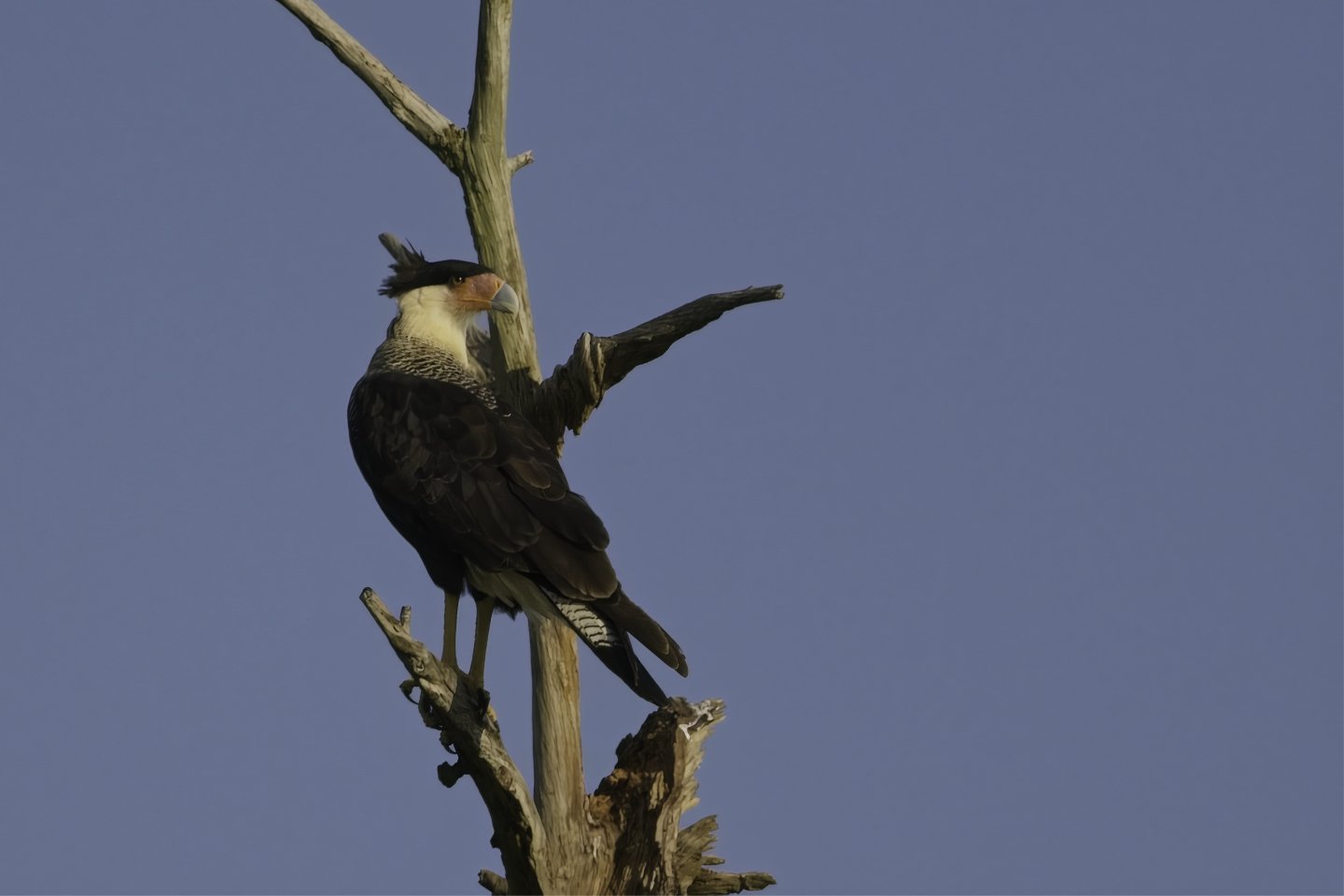
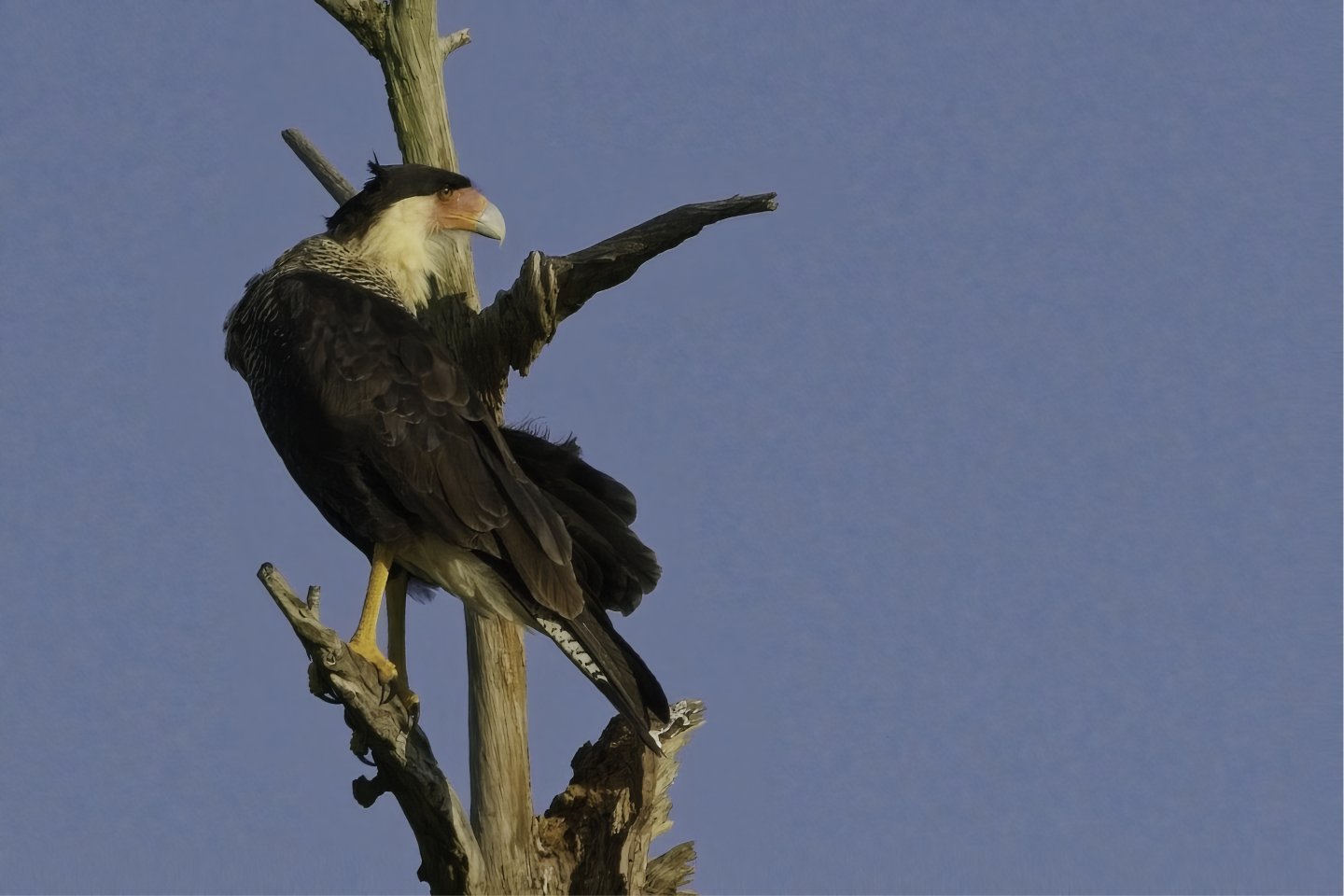
The morning light over Lehigh Acres paints a scene of quiet, sun-drenched contemplation, a perfect stage for observing the subtle dramas unfolding within the wild. Perched high upon a weathered, bare tree branch against the expanse of clear, light blue sky is the crested caracara. It is not merely a bird; it is a living sculpture carved from survival, its distinctive crest and facial markings catching the bright light in a silent declaration of presence. The composition places this sentinel on the right side of the frame, gazing out into the vastness, embodying a profound sense of patient observation that defines its existence in this rich Florida landscape.

This raptor defies easy categorization, standing at the intersection of two very different modes of life. It possesses the inherent sharpness and aerial capability of a bird of prey, capable of executing swift hunts, yet its daily rhythm is often tied to the earth itself. The peculiar adaptations that allow this creature to thrive in such an open, sun-drenched landscape hint at a multifaceted existence, suggesting strategies far more complex than those typically associated with purely aerial hunters. It is a creature defined by adaptability, demonstrating a masterful balance between soaring above and diligently scanning the ground below, weaving a unique narrative of survival into the fabric of its environment.

The story etched into the caracara’s bold markings tells a narrative of diverse strategies for existence. While many of its powerful relatives are strictly defined by their aerial dominance, this bird embraces an expansive role that includes both the hunt and the scavenging. It is a pragmatic creature whose success relies not on singular specialization but on a remarkable flexibility in behavior. This dual nature—the predator and the scavenger—illustrates an inherent capacity to navigate and exploit every facet of its domain, making it a compelling figure when viewed within the context of Southwest Florida’s unique ecological tapestry.

The foraging behavior of the crested caracara is a graceful spectacle, a determined walk across open areas, an intimate dance with the earth. Its keen eyes are constantly scanning the ground for the slightest movement, turning the grasslands and pastures of Lehigh Acres into its hunting grounds. This grounding behavior speaks to an incredible adaptability, showing how this raptor interacts with its world, moving fluidly between the vertical world of the canopy and the horizontal world of the terrain. This constant interaction with the land emphasizes the importance of habitat, as the environment provides the rich opportunities that fuel this unique way of life.

When the time comes for the caracara to seek refuge and secure a future, its choice of home reflects another layer of its complex nature. It instinctively seeks the reassuring structure of tall trees, finding stability in the embrace of palm trees or pines. This preference for arboreal havens provides a safe haven, a stable foundation where it can focus its energy on preparing for the next generation amidst the gentle sway of the Florida breeze. The choice of nesting site is not random; it is an ancient instinct honed by experience, demonstrating a deep connection to the natural architecture that shelters and sustains these remarkable creatures.

In the environment of Lehigh Acres, this balance between aerial vigilance and terrestrial foraging is profoundly visible. The landscape provides precisely this kind of essential habitat, rich with opportunity for adaptation. The presence of the crested caracara underscores the delicate ecological roles played by diverse species, enriching the wild spaces with a unique perspective on survival. It serves as a testament to the fact that true mastery over a domain involves not just powerful physical skills, but an understanding of how to navigate and utilize all available resources.

The bird’s presence here in Southwest Florida speaks to a remarkable ecological role, carving out a distinct niche that enriches the wild spaces around it. It is a living example of how adaptability allows a creature to thrive in a dynamic environment, demonstrating that success lies in embracing multifaceted strategies rather than adhering to narrow definitions. The crested caracara remains a compelling figure, a vibrant reminder of the diverse ways life can manifest itself amidst the beauty and complexity of nature.

Follow Adventures in Southwest Florida for more hidden wonders.
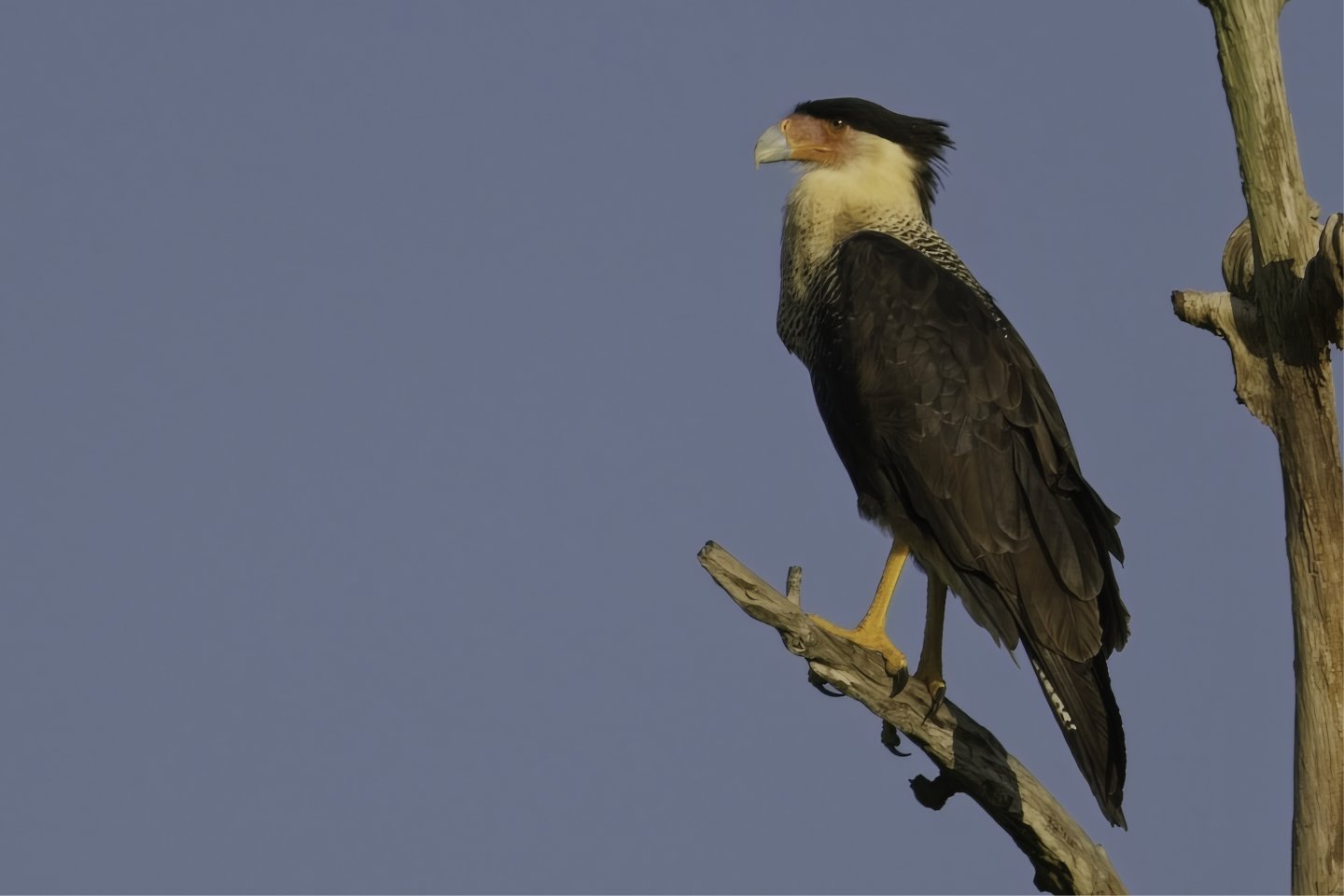
The Crested Caracara: An Unconventional Hunter's Life in Lehigh Acres

The Crested Caracara: An Unconventional Hunter's Life in Lehigh Acres

The Crested Caracara: An Unconventional Hunter's Life in Lehigh Acres

See more photos on Instagram

Friday, July 10, 2026

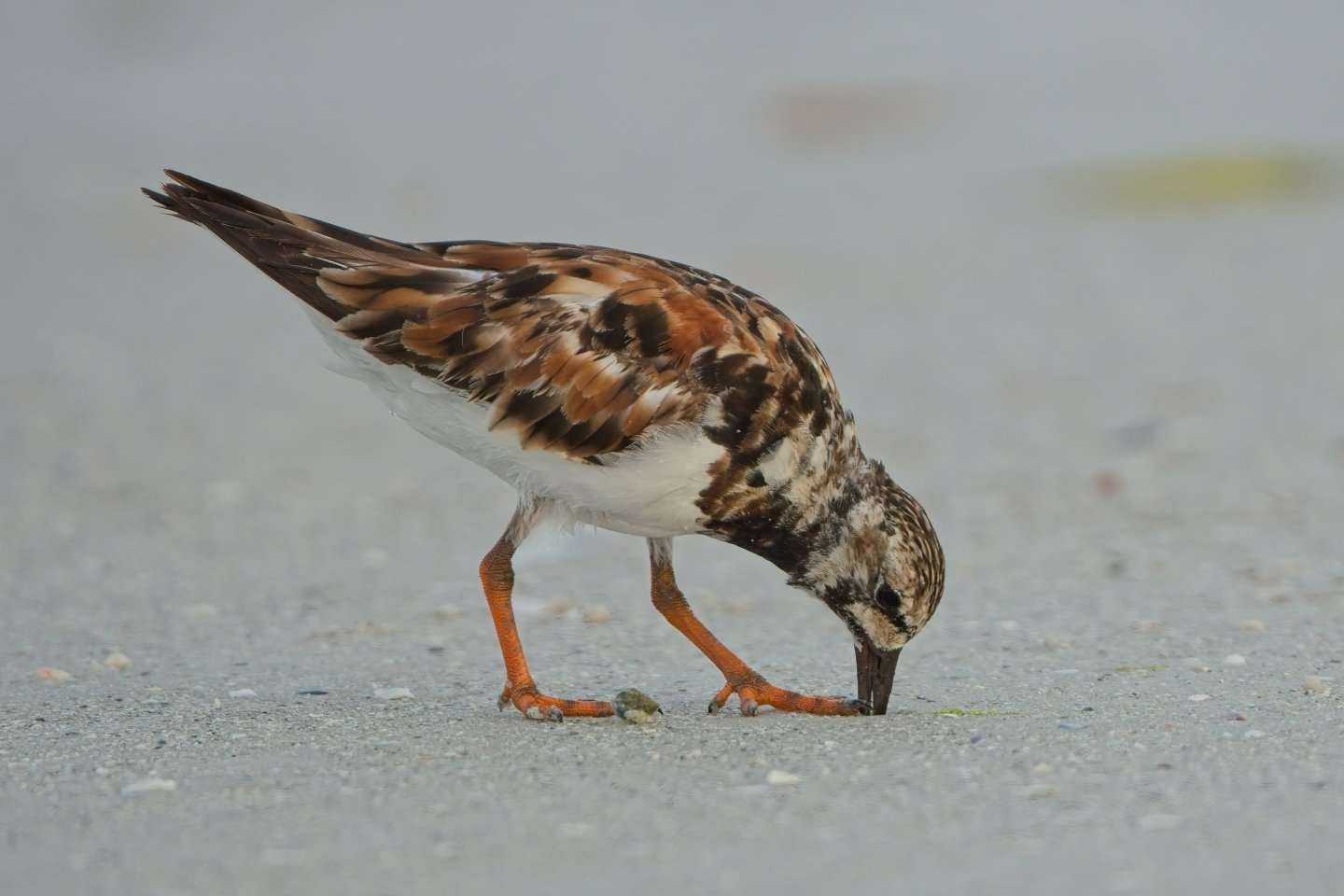
The Harlequin's Secret: Ruddy Turnstones and the Shores of Bowditch Point Park

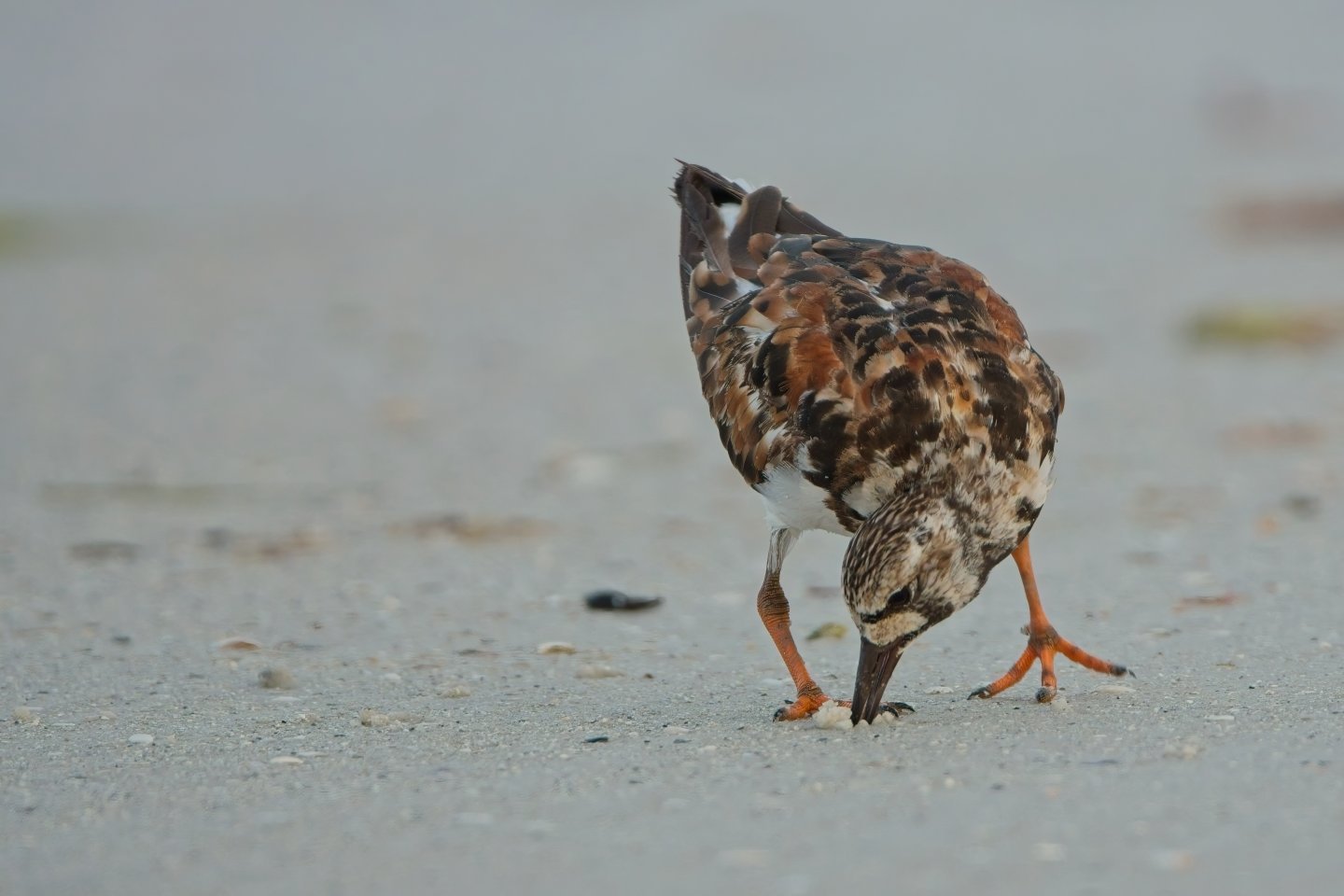
The gentle, diffused light of a Florida morning settles over the expansive sands of Bowditch Point Park, illuminating a scene of quiet, purposeful activity. Here, on the pale, sun-drenched beach, life unfolds in patterns of intricate color and focused intent. Among the ceaseless rhythm of the coastal ecosystem are the Ruddy Turnstones, small masters of the shore who navigate the dynamic edge between the water and the land. These birds are not merely passing through; they are vital components of the coastal tapestry, their presence serving as a living testament to the health and complexity of Southwest Florida’s environment. As we observe this scene, we are witnessing a profound interaction between specialized biology and the rugged beauty of the natural world, a silent drama played out on the sandy expanse where sun, salt, and sand converge.

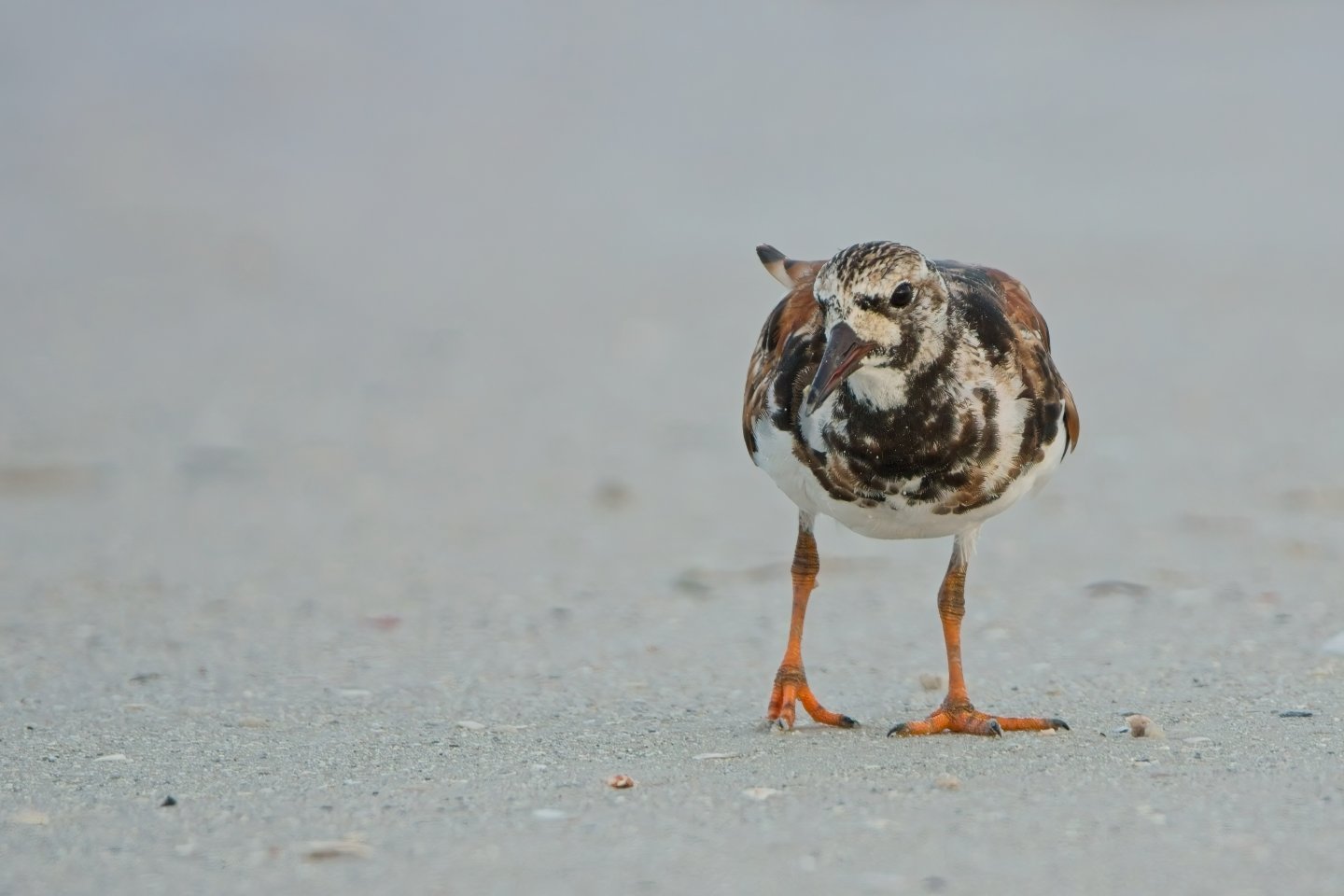
The visual impact of the Ruddy Turnstone is immediately arresting. Its plumage is a masterpiece of natural artistry, a breathtaking display that speaks volumes about adaptation and camouflage. The bird is adorned in a harlequin pattern, a complex tapestry woven from deep blacks, stark whites, and rich rufous-chestnut patches. This intricate patterning covers its face, breast, and back, allowing the Turnstone to blend seamlessly into the varied textures and shadows of the beach environment. It is a form of camouflage that works on multiple levels, enabling these small shorebirds to exist comfortably amidst the shifting sands and the scattered debris of the shoreline. Yet, this visual complexity is powerfully offset by the vibrant splash of color provided by its legs—a striking field mark of bright, vivid orange. These orange limbs stand out sharply against the muted tones of the sand and plumage, acting as a beacon that simultaneously aids in species identification and highlights the bird’s energetic presence on the beach. This juxtaposition of deep, rich earth tones with brilliant orange is a hallmark of this remarkable species, distinguishing it vividly within its coastal habitat.

What truly defines the Ruddy Turnstone’s daily existence, however, is its unique method of foraging—a behavior so specialized that it has earned the bird its name. These shorebirds are renowned for their incredible dexterity and their ingenious use of their anatomy to uncover sustenance hidden beneath the surface. The defining feature enabling this remarkable behavior is the bird's distinctive wedge-shaped bill. This bill is not simply a tool for eating; it is a marvel of biological adaptation, specifically engineered for prying, probing, and turning objects with practiced precision. It possesses a unique structural quality that allows the Turnstone to efficiently access food items concealed within the sand and detritus lying just beneath the surface. When the bird focuses its attention downward, as seen in this moment on Bowditch Point Park, it is employing this tool with expert finesse. The process involves using the upturned shape of the bill as a lever, dipping and pivoting to flip over pebbles, loose shell fragments, and tangled strands of seaweed that litter the sandy beach. This skillful manipulation allows the bird to meticulously reveal the hidden treasures lying beneath these unassuming veils of debris.

This unique foraging technique is directly tied to the Turnstone’s survival strategy on exposed beaches. On sun-drenched, open sandy and shell beaches, where food sources are often buried beneath the surface or mixed with detritus, the ability to efficiently access these resources becomes critical. The diet of the Ruddy Turnstone is centered on marine invertebrates, which form the essential source of energy for these agile foragers. They seek out small crustaceans, various types of marine worms, and tiny mollusks that reside within the sand and the debris scattered across the shore. By employing its specialized bill to turn over the substrate, the bird effectively unearths this hidden bounty, transforming the beach from a flat expanse into a rich source of potential food. This ability to excavate food items from beneath the surface is more than just a casual action; it represents an intricate adaptation to exploiting the subtle layers of the coastal environment for survival and sustenance.

Bowditch Point Park, situated along Florida's Gulf Coast, serves as a crucial and highly significant habitat for these coastal specialists. For the Ruddy Turnstone, this park area is far more than just a scenic location; it functions as a vital stopover point and a critical wintering habitat within the larger coastal ecosystem of Southwest Florida. As regular winter residents and seasonal migrants moving along the Gulf Coast, areas like Bowditch Point Park offer essential refueling stations where these birds can rest, feed, and regroup before continuing their journeys. The consistent presence of Ruddy Turnstones in this park highlights the ecological importance of the area, underscoring its role within the larger dynamic coastal ecosystem that spans this region. These predictable seasonal movements solidify the park’s status as an important observation point for understanding the migration patterns and ecological health of the coastal zone.

The complex interactions occurring on these beaches are governed by the availability of resources and the specific physical properties of the habitat. The sandy and shell-strewn beaches are rich environments, but they require specialized skills to exploit effectively. The Turnstone’s ability to find sustenance within this environment speaks to a deep, instinctive understanding of the coastal landscape—an instinct honed over time to maximize caloric intake during crucial periods. Their presence is a dynamic indicator; their regular appearance signals the health and productivity of the marine food web that sustains them, reflecting the abundance of small invertebrates in the sand and detritus layer. The persistence of these birds in this specific locale emphasizes the interconnectedness of the beach environment with the broader coastal ecosystem.

The pattern of life observed here is a continuous cycle: the skillful execution of foraging, the adaptive use of specialized anatomy, and the quiet necessity of survival. Each time a Ruddy Turnstone dips its bill into the sand, it performs an act that is both practical and deeply evocative—a silent demonstration of resilience and finely tuned biological design. The intricate feather patterns, the bright orange accents, and the specialized bill all contribute to a holistic picture of a species perfectly adapted to the shifting sands of the Gulf Coast. They are small, resilient guardians of the shoreline’s hidden bounty, their daily activities illuminating the subtle, persistent wonders that make up the natural world. Their presence at Bowditch Point Park reminds us that the greatest wonders of nature often lie in the quiet, focused actions of the creatures who inhabit them, skillfully uncovering the secrets buried beneath the surface of the world around us.

Follow Adventures in Southwest Florida for more hidden wonders.
The Harlequin's Secret: Ruddy Turnstones and the Shores of Bowditch Point Park

The Harlequin's Secret: Ruddy Turnstones and the Shores of Bowditch Point Park

The Harlequin's Secret: Ruddy Turnstones and the Shores of Bowditch Point Park

See more photos on Instagram

Thursday, July 9, 2026

The Quiet Alchemy of Golden Feathers in Lakes Park

The morning air at Lakes Park carried a stillness, a deep, golden silence that only the earliest hours seem to allow. It was a moment suspended between waking and full activity, when the world seems to hold its breath, allowing intimate observations of life unfolding in slow motion. In this soft light, where the sun spilled across the grassy expanse, a scene unfolded that felt less like a snapshot and more like a profound, silent ceremony. At the heart of this tableau was a Mourning Dove, engaged in an ancient, meticulous ritual that speaks volumes about the hidden engineering of survival.

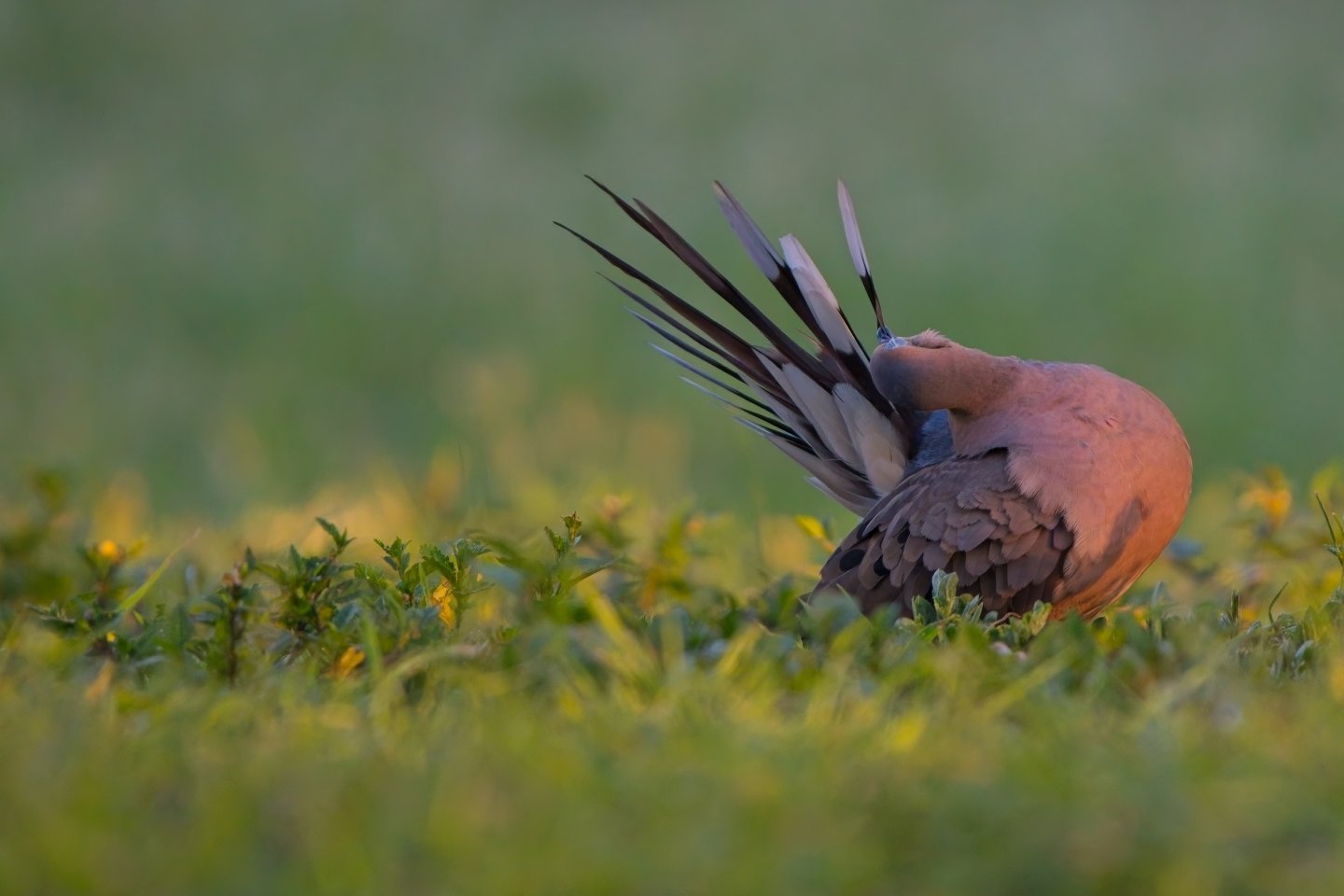
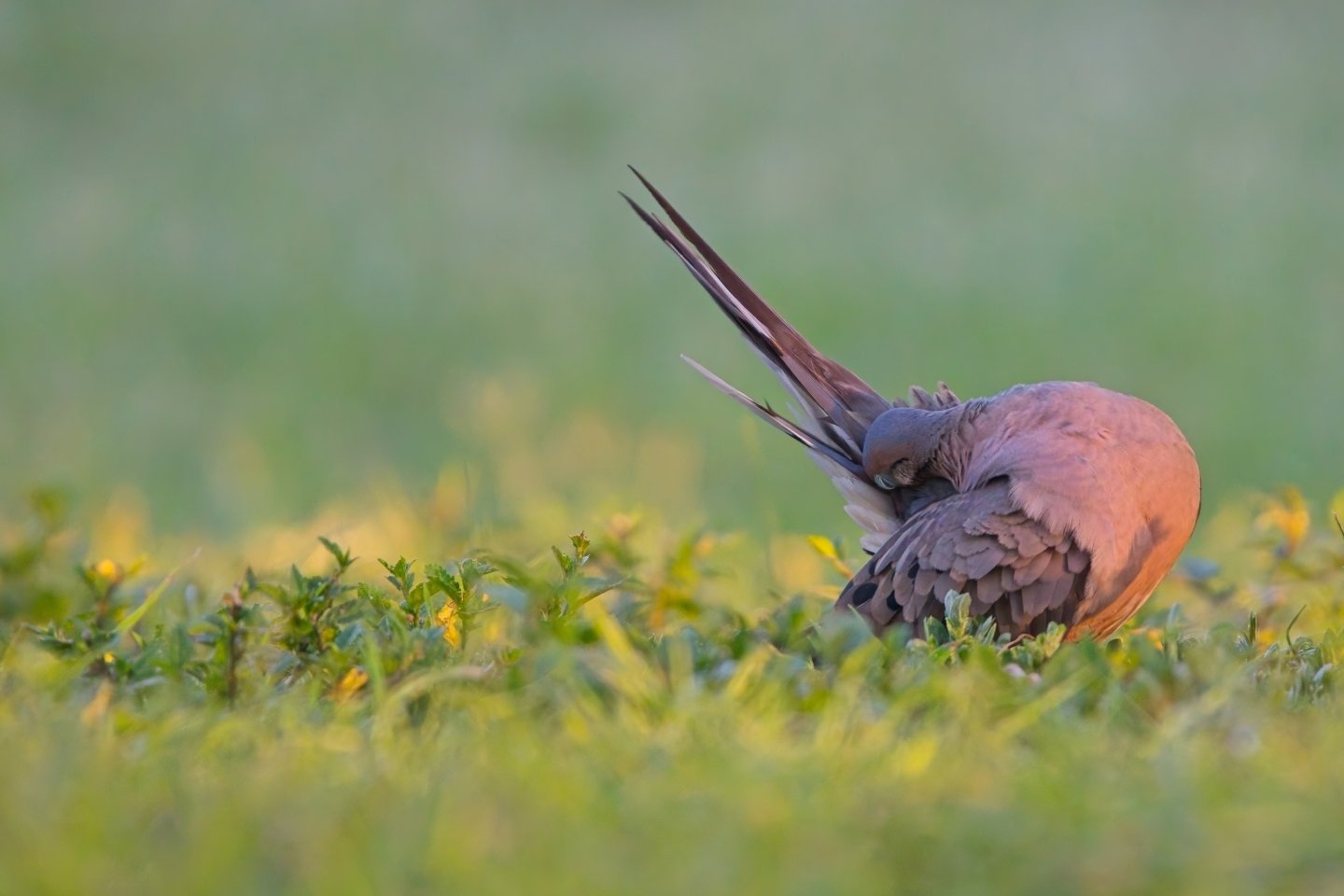
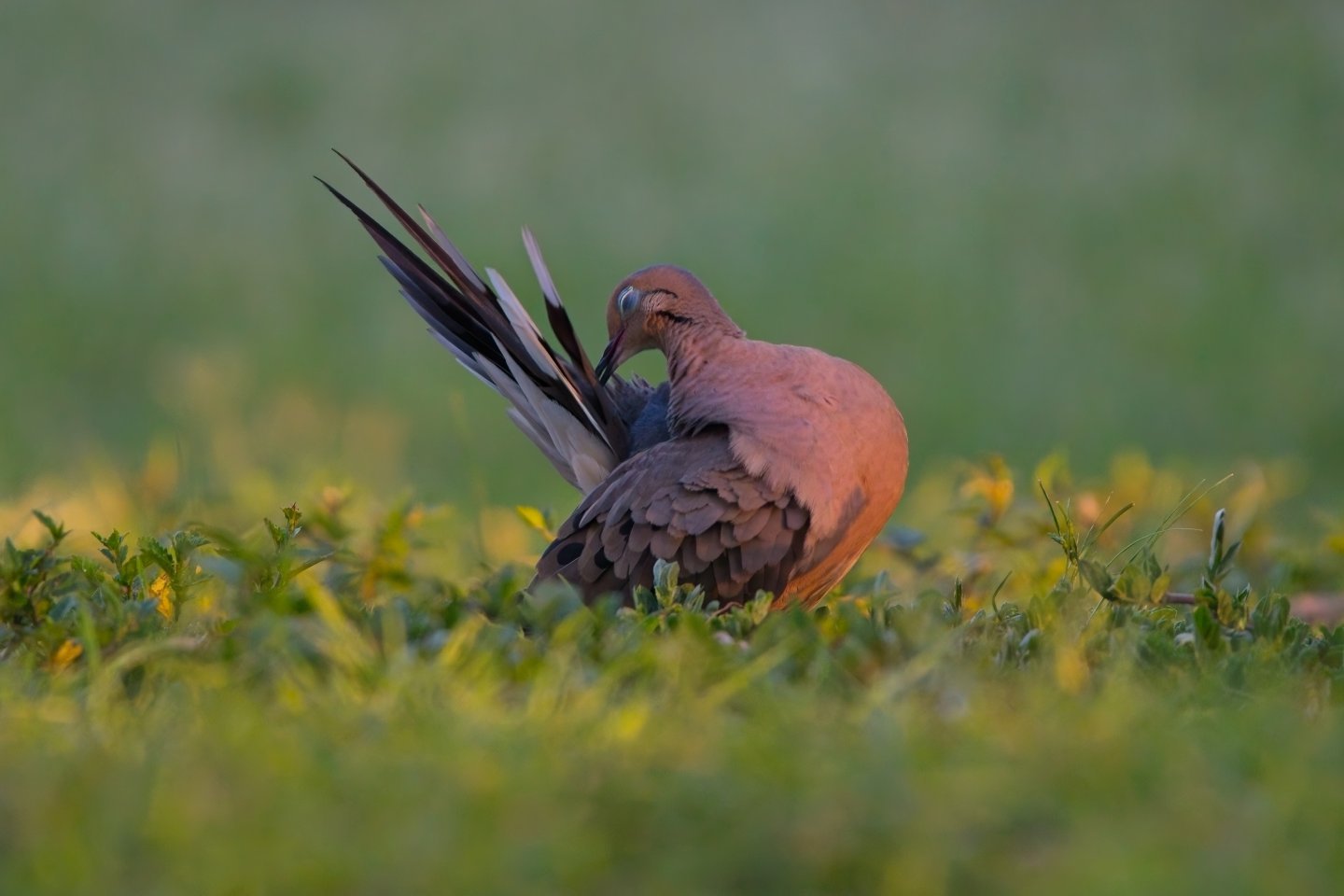
The air itself seemed infused with warmth, bathing the landscape in a light so rich it transformed ordinary green and yellow into shades of burnished gold. This golden glow did not merely illuminate the scene; it lent a tangible quality to the very fibers of the environment, emphasizing the subtle textures that usually remain unseen. Resting within this luminous field was the dove, a creature of quiet grace, absorbed in the intricate work of self-maintenance. It was preening its feathers in the sun-drenched grass, a behavior so commonplace to our eyes, yet so deeply complex beneath the surface of simple grooming.

One could watch the delicate fringe of a feather's edge quiver, a barely perceptible movement that betrays the intense focus of the bird. This fine motion, caught by the warm light, illuminated the entire process, turning the act of feather care into a mesmerizing dance of precision and purpose. The background of Lakes Park blurred softly into an impressionistic wash of green and yellow, ensuring that the viewer's attention remained fixed on the dove and the intricate architecture of its plumage. It was a portrait painted in light and shadow, emphasizing the magnificent texture of the bird’s back and the graceful fan of its tail.

This seemingly simple act of preening is, in reality, an intricate act of survival, a daily commitment to maintaining the integrity necessary for flight and protection. It is a hidden layer of engineering beneath the apparent simplicity of fluffing and smoothing feathers. The movements of the dove are not arbitrary; they are precise, practiced motions honed over time, each stroke of its bill serving a vital function in restoring the bird’s aerodynamic capability. To observe this moment is to witness the profound dedication required for existence, where every gesture serves an essential, life-sustaining role.

The source of this meticulous care lies deep within the anatomy of the dove. From a specialized structure near its tail, the dove secretes an oily substance. This precious secretion is spread across its entire plumage, forming a natural waterproofing barrier that protects the bird from moisture and the elements, a necessity for navigating their world. Following this essential step, the bill engages in the most astonishing work of restoration. It meticulously re-links thousands of microscopic barbules and barbicels along every individual feather. This is not merely smoothing; it is an intricate process that restores the complex structure vital for aerodynamic function, ensuring that the feathers can perform their role as efficient airfoils.

As the dove works through this process, the visual experience shifts, offering glimpses into the unique beauty of avian structure. Occasionally, a subtle shift in light or posture reveals astonishing optical effects on the feathers. There are moments when an iridescence appears on its neck feathers—a stunning display that is not merely pigment but a structural color, where light dances with microscopic feather formations, creating shifting hues. This highlights how the very architecture of the feather dictates the visual experience of the bird. Furthermore, as the dove adjusts its posture during this grooming ritual, the fanned tail becomes briefly visible, offering another lesson in patterned beauty. The outer feathers of the tail are distinctly tipped white, providing a striking contrast against the darker central sections, an elegant pattern that speaks to innate design and unique identity.

The presence of the Mourning Dove in Lakes Park is not accidental; it speaks to the profound adaptability of this species. These doves are common, year-round residents of the park's open grassy habitats, their presence a constant reminder of the resilience found in environments where seeds are plentiful. They demonstrate remarkable ability to adapt well to urban and suburban settings, thriving wherever food sources are abundant. Much of their active day is spent on the ground, engaging in this cycle of essential care, often following important activities like a dust bath to cleanse and refresh their coat before continuing their daily existence across the landscape.

The quiet diligence displayed by these doves offers a powerful reflection on the complex mechanisms sustaining life in plain sight. Every feather meticulously smoothed, every gentle preen, is a tangible commitment to survival. It is a demonstration that complexity and beauty are inseparable; the most stunning natural wonders often reside in the small, repeated acts of daily necessity. The light of the morning, as it warmed the grass, seemed to highlight this deep connection between biology and environment, revealing how instinct and physical form converge to create something effortlessly magnificent.

The sight of the Mourning Dove in its element at Lakes Park serves as a gentle yet powerful reminder of the intricate, hidden mechanisms that sustain the world around us. It invites us to pause and appreciate the profound, daily commitment to existence embodied by every living thing. The subtle beauty found in these daily necessities, bathed in the soft light, tells a story of efficiency, grace, and deep-seated connection to the natural world. It is a reminder that true wonder is often found not in grand spectacles, but in the quiet, unwavering dedication to the elegant reality of life itself.

Follow Adventures in Southwest Florida for more hidden wonders.
The Quiet Alchemy of Golden Feathers in Lakes Park

The Quiet Alchemy of Golden Feathers in Lakes Park

The Quiet Alchemy of Golden Feathers in Lakes Park

See more photos on Instagram

Wednesday, July 8, 2026

The Silent Hunter of Lakes Park: Discovering the Five-lined Skink

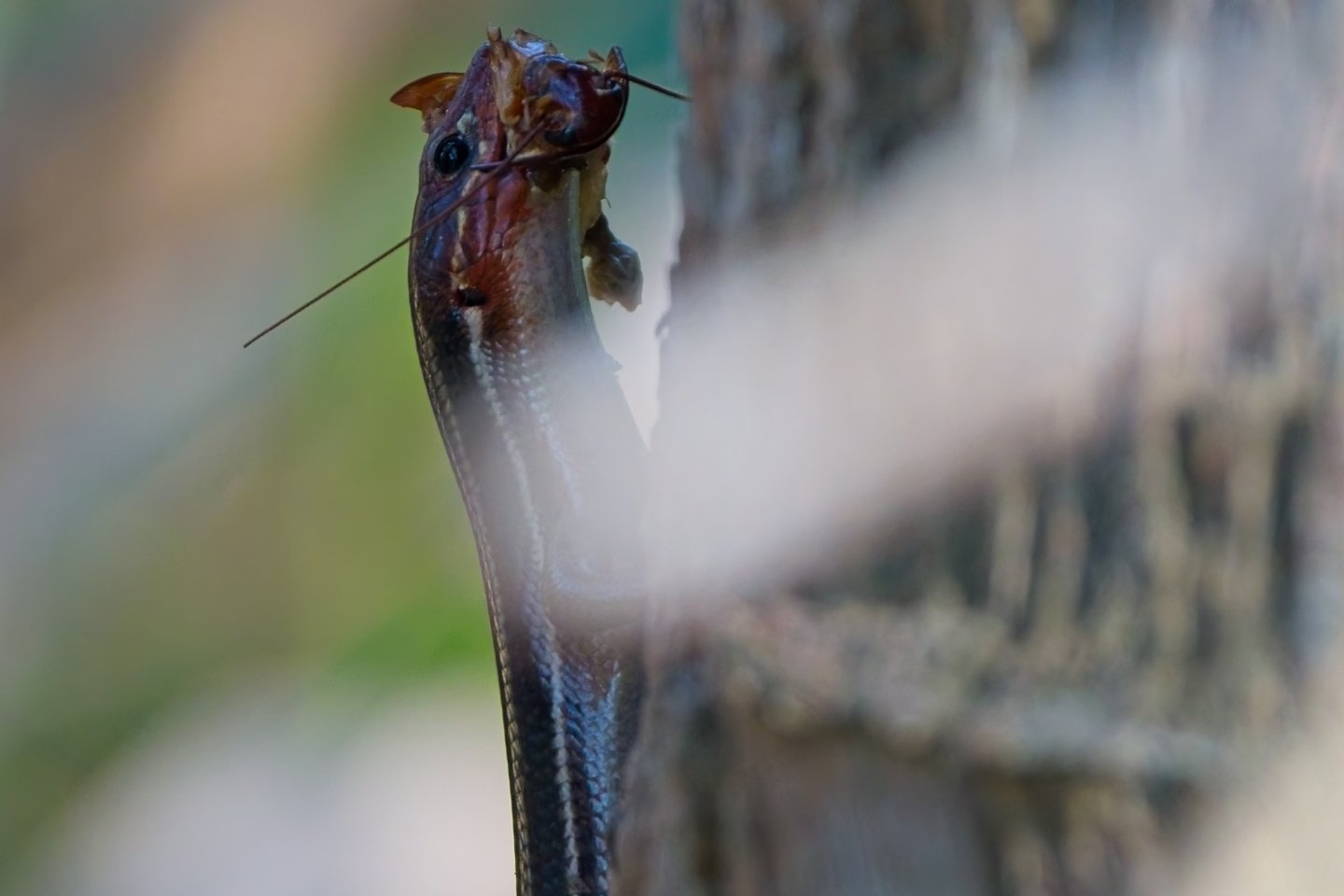
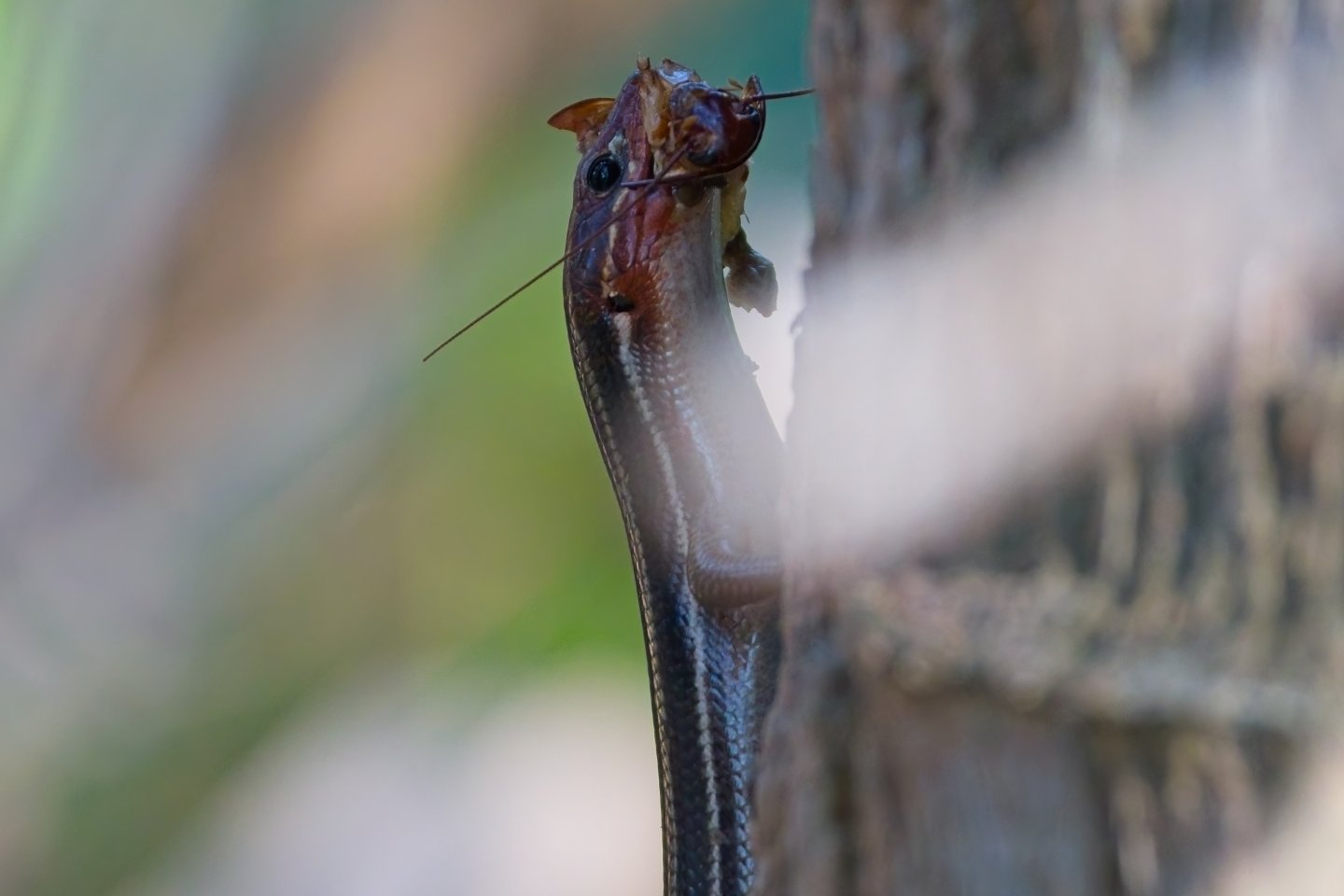
The dappled sunlight filters through the canopy of Lakes Park, painting shifting patterns on the rich, damp earth. It is in these verdant, humid pockets that a hidden world thrives, a realm populated by creatures perfectly adapted to the lush environment of Southwest Florida. Amidst the rustling leaves and the scent of decaying wood, a quiet drama unfolds daily, centered around the life of the Five-lined skink. This small reptile embodies the subtle, intricate balance of nature, moving through the familiar landscape with an ancient, instinctive grace.

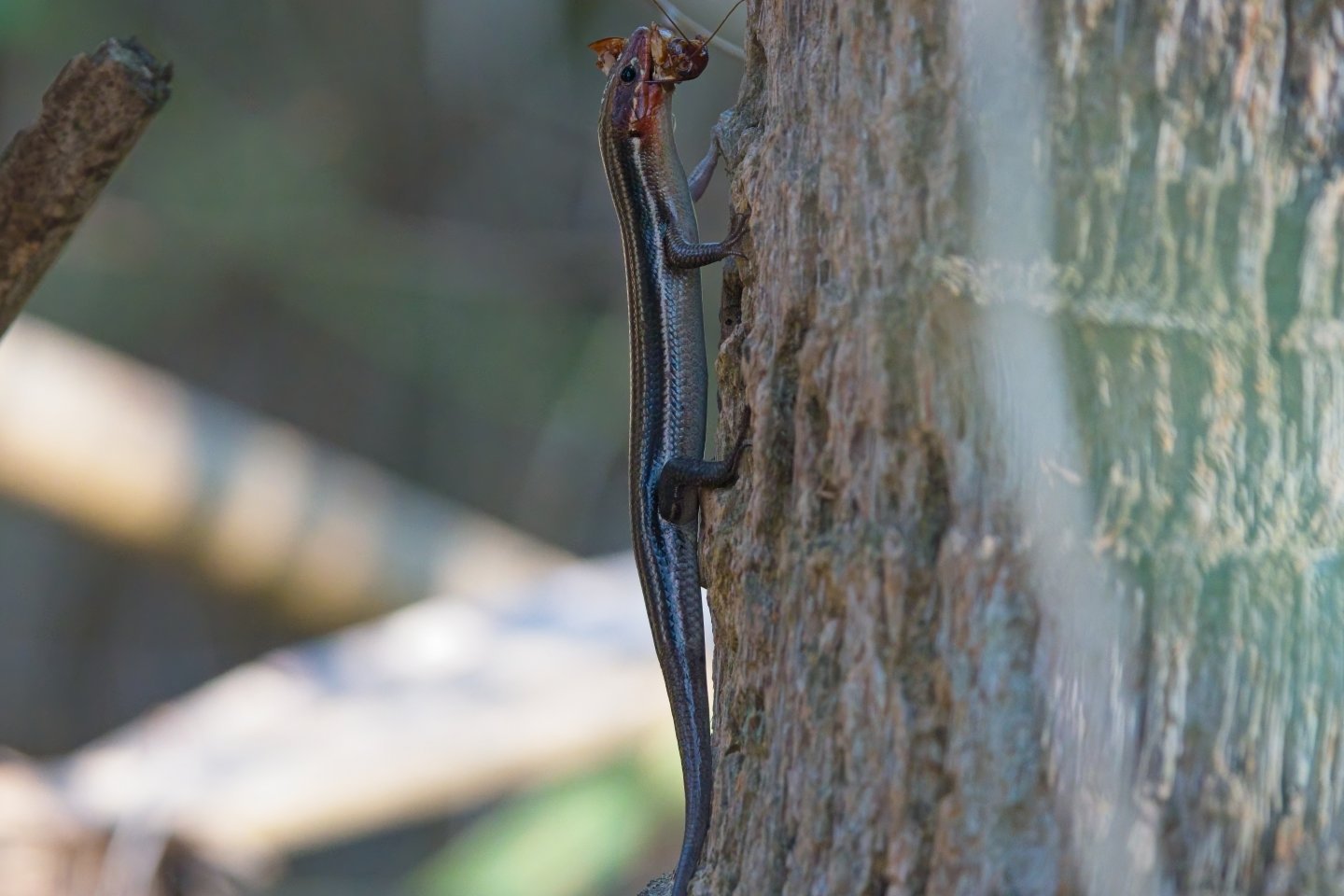
Imagine the scene: high up on the rough bark of an old tree trunk, where shadows dance and moisture clings to the wood, a five-lined skink is engaged in its essential task. Its presence is one of perfect integration with the vertical world. This creature is not merely resting; it is actively utilizing the structures of its habitat, demonstrating a remarkable semi-arboreal nature that allows it to navigate the vertical expanse of the park. The way it clings to the trunk, utilizing excellent grip from its clawed feet, speaks volumes about its physical adaptation to life among trees and fences. This ability to ascend and traverse these surfaces is crucial for both foraging for food and basking in the warmth, linking the creature intrinsically to the complex ecosystem of Lakes Park.

The appearance of the five-lined skink itself is a study in subtle beauty. Its skin is covered in smooth, glossy scales that catch the light, giving it a sleek, almost polished quality. These features are not just aesthetic; they serve an important functional purpose, reducing friction as the creature moves through tight spaces and providing a streamlined appearance suited for its agile lifestyle. As the skink meticulously explores the textures of the bark, it is demonstrating a form of physical efficiency that has adapted over time to suit its niche in the Florida environment.

This hunter’s focus is absolute, honed by an exceptional sensory system. The five-lined skink possesses a keen sense of sight, allowing it to perceive the subtle shifts in light and shadow that betray the location of unsuspecting prey hidden among the leaves and bark. But vision alone is not enough for such precise hunting; this creature relies heavily on its sense of olfaction and the subtle signals it receives from the world around it. It uses specialized sensory tools, including flicking its tongue to sample the air and locate the specific chemical cues that indicate the presence of an insect in the vicinity. This intricate interplay between sight, smell, and touch allows it to successfully pinpoint targets often hidden just beyond the immediate view.

When the opportunity arises, the skink transforms into a swift and silent predator. It is an active forager, darting out from the cover of the shadows to snatch unsuspecting prey. The hunt is a sequence of calculated movements, where keen awareness guides every step. When it finally locates its meal—a large arthropod such as a cricket, grasshopper, or beetle—it possesses specialized tools to secure its catch. Its sharp, conical teeth are perfectly adapted for this task, allowing it to firmly grasp and hold the prey with precision. The act of consuming is methodical; the skink often processes these larger insects with repeated chewing motions before swallowing them whole, a demonstration of efficient energy utilization.

The skink’s physical structure also reveals unique characteristics common among many lizard species. A distinct gular fold, a flap of skin located on the throat, is present in Five-lined skinks, a feature that adds to their distinctive appearance and biological uniqueness. This anatomical detail is part of the broader tapestry of adaptations that allow them to thrive in the warm, humid environment of Southwest Florida. It is a natural feature that contributes to the overall design of this remarkable creature.

The habitat where these lizards flourish—the humid, wooded areas with ample ground cover and vertical structures—provides the perfect stage for this kind of specialized life. When we consider places like Lakes Park, we are looking at an environment where the conditions necessary for a five-lined skink’s survival are abundantly met. The presence of dense foliage, old trees providing vertical pathways, and rich ground cover creates a habitat that is not just suitable, but ideal for these insectivorous reptiles. These environments offer the complexity required for active foraging and secure resting spots, turning a simple park setting into a vibrant corridor of life.

The adaptability of the Five-lined skink is further reflected in its ability to thrive within diverse settings. Whether it is navigating the dense pine flatwoods or the more manicured spaces found within a suburban yard, these lizards demonstrate an incredible capacity to adapt their behavior and physiology to their immediate surroundings. This resilience underscores the inherent connection between the animal and its environment; the skink is a testament to the successful strategies that allow life to flourish in complex natural settings. It navigates this world with quiet confidence, playing its essential role as a vital component of the local biodiversity.

The visual experience of watching a five-lined skink move through the light-dappled woods is a reminder of the intricate details often overlooked in our daily lives. It highlights how small creatures are masters of their domain, constantly engaged in survival, feeding, and exploration within the complex geometry of the natural world. They serve as living examples of fine-tuning, demonstrating how specialized traits—from keen vision to specific methods of consumption—enable successful existence in a demanding environment. Observing these subtle interactions reminds us that even in seemingly tranquil public spaces like Lakes Park, a continuous, dynamic drama of life is unfolding beneath the surface, sustained by the resilience and ingenuity of creatures like the five-lined skink.

The Silent Hunter of Lakes Park: Discovering the Five-lined Skink

The Silent Hunter of Lakes Park: Discovering the Five-lined Skink

The Silent Hunter of Lakes Park: Discovering the Five-lined Skink

See more photos on Instagram

Tuesday, July 7, 2026

Arboreal Acrobatics: Discovering the Downy Woodpecker in Lakes Park

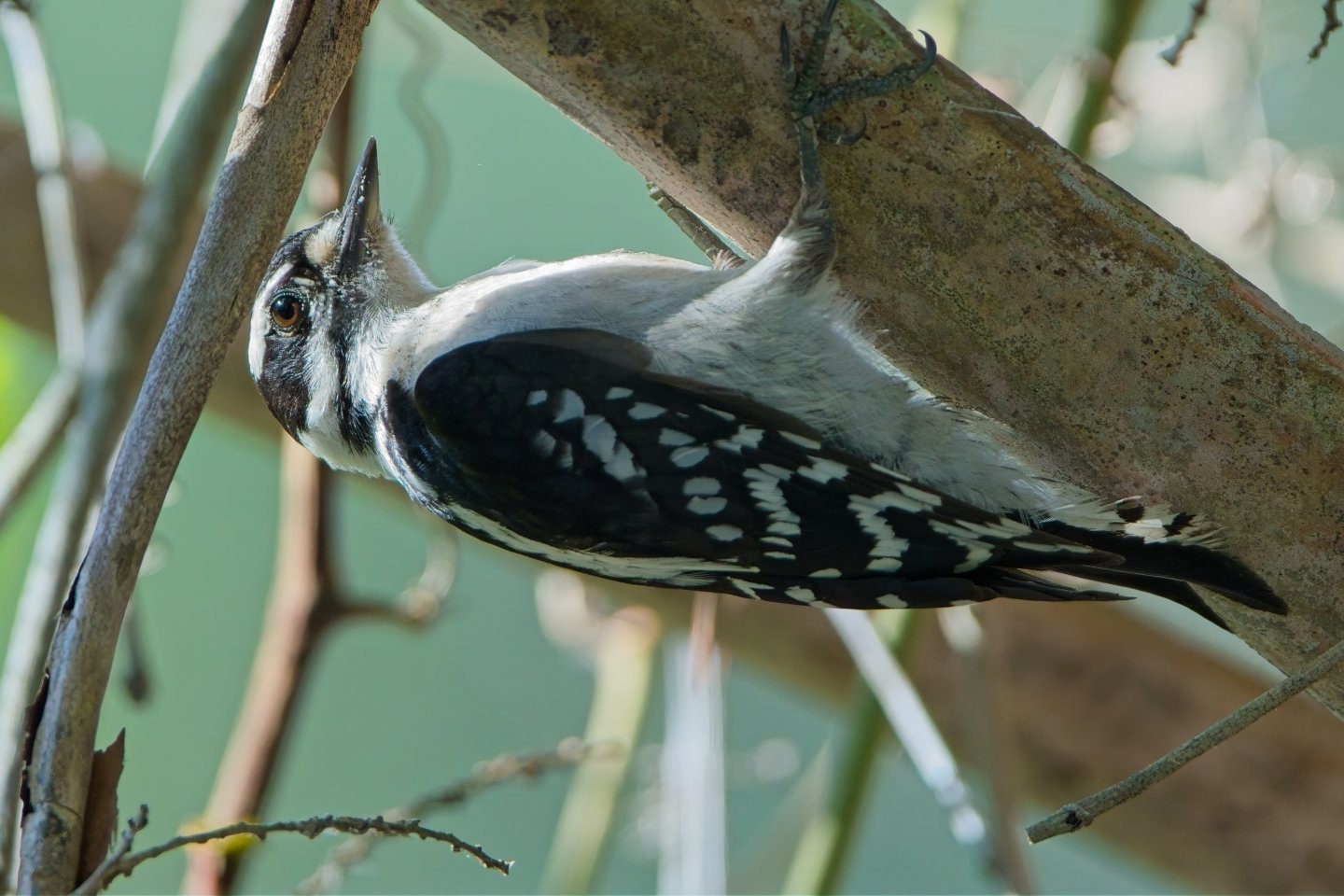
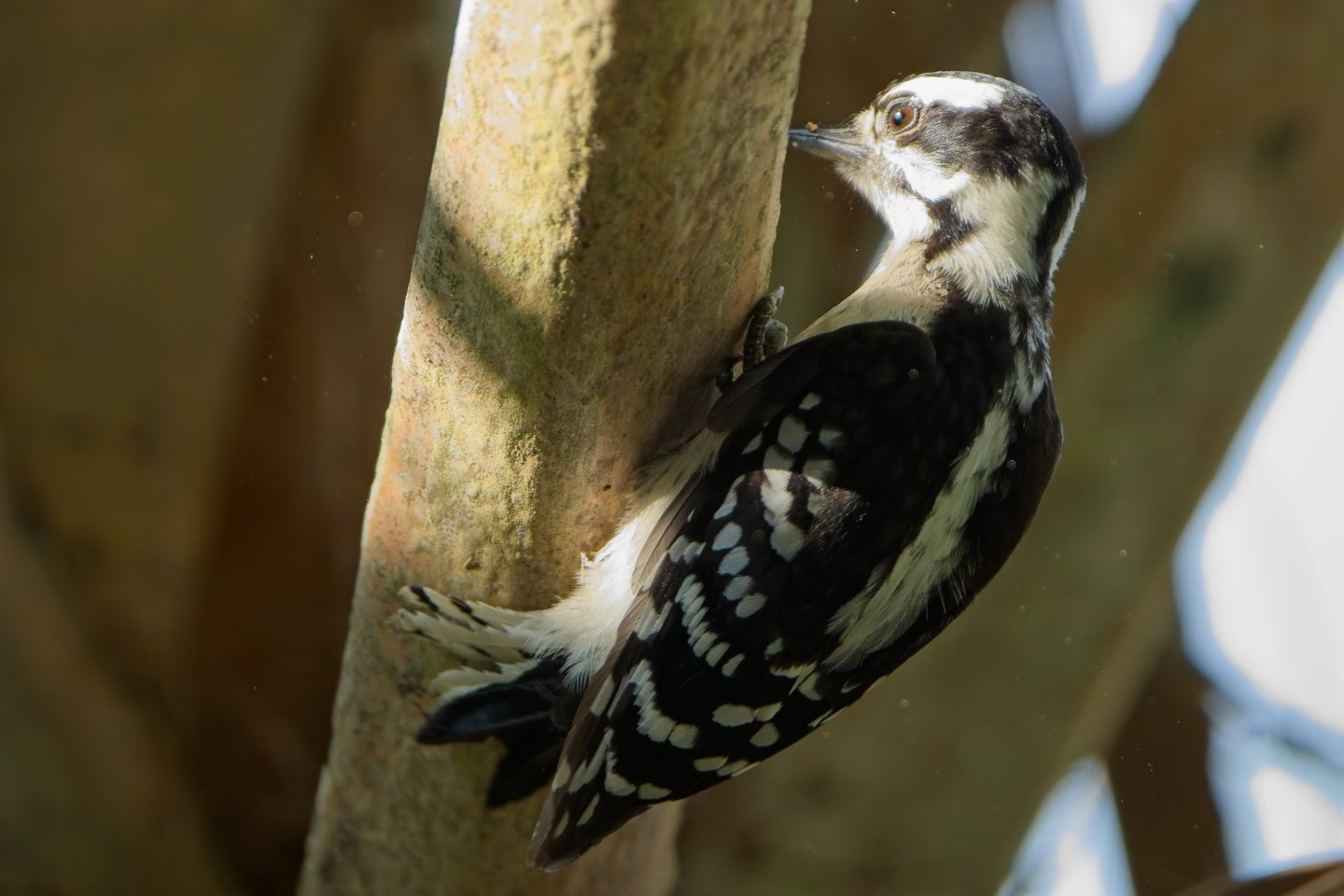
The morning light filters through the canopy of Lakes Park, casting shifting mosaics of shadow and brilliant sunlight onto the ancient trunks of oak trees. Here, amidst the lush, verdant environment of Southwest Florida, a spectacle of natural mastery unfolds with quiet intensity. Perched high upon a thick, textured branch, a Downy Woodpecker defies the conventional view, clinging upside down in an astonishing display of arboreal agility. The bird’s presence is a study in focused intent; its head is tilted gently upwards, and one watchful eye surveys the world below, suggesting a tireless exploration of the complex, three-dimensional landscape of its home. This inverted position is not merely a pose but a strategic maneuver, a testament to the specialized skill required for life among the towering branches of the park.

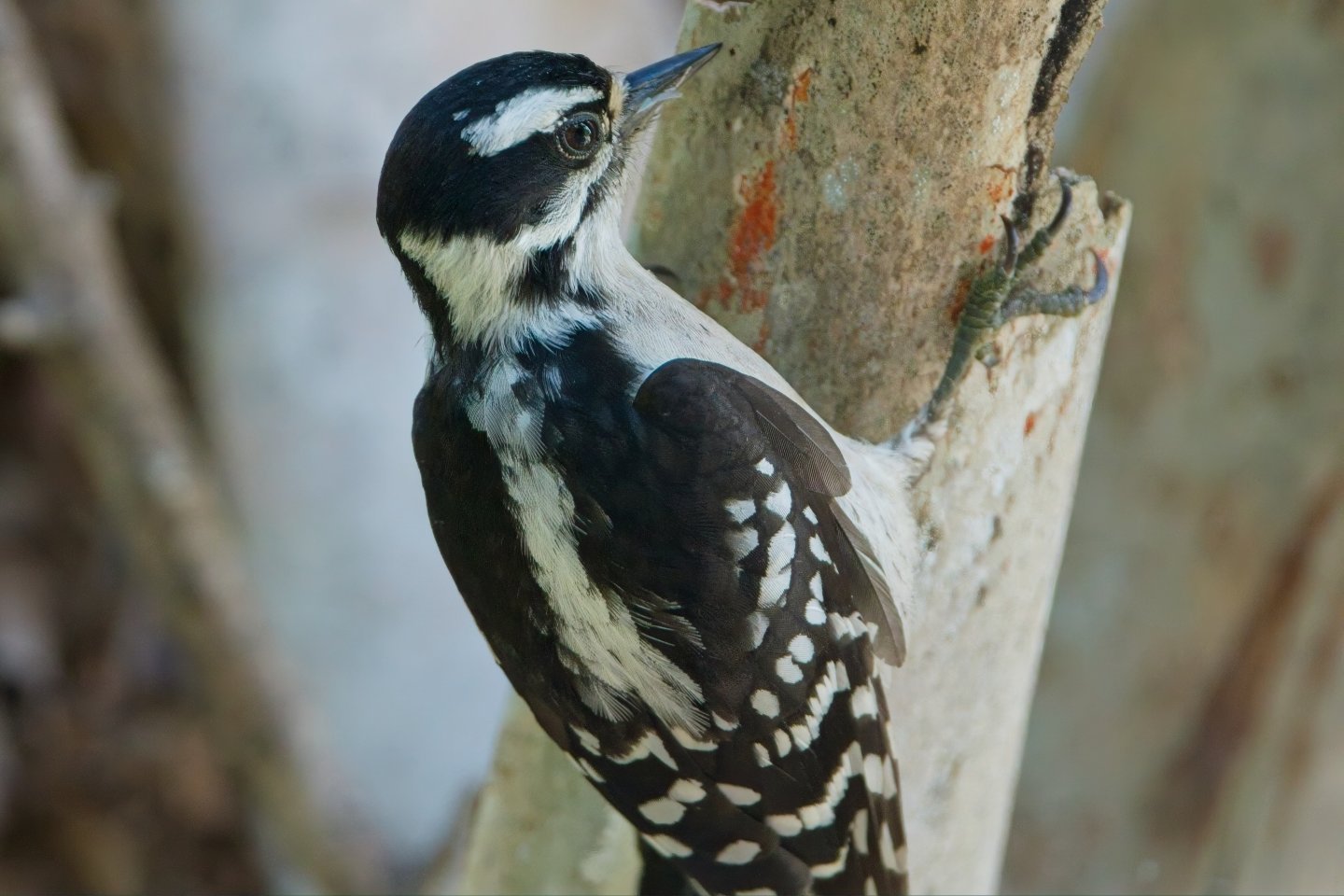
This magnificent creature, cloaked in the unmistakable pattern of black and white plumage, embodies the essence of adaptation in the forest. The bold markings—a prominent white back, a distinctly striped head, and black wings checkered with white—serve as an intricate form of camouflage, allowing the woodpecker to seamlessly blend into the dappled light and deep shadows that define the tree’s bark. As the morning sun catches its feathers, the contrast between the dark and bright patterns becomes vivid, highlighting the remarkable visual tapestry woven by nature. This striking pattern is far more than mere decoration; it is an effective tool, allowing the Downy Woodpecker to navigate its environment with effortless stealth while engaged in its essential activities.

The core of this bird’s existence revolves around its specialized method of foraging. With a short, chisel-like bill, the Downy Woodpecker possesses an adaptation perfectly honed for penetrating the rough surfaces of wood and bark. This unique structure is not just a feature but a highly evolved tool, enabling the bird to effectively probe deep into crevices, extracting vital food sources hidden beneath the outer layers of the tree. This ability allows it to access insects and larvae that form the foundation of its diet, demonstrating a profound specialization for exploiting resources within the woody environment.

The physical mechanics of this foraging strategy are equally fascinating. Unlike some of its larger relatives that might rely on stiff tail feathers for bracing themselves against gravity while working, the Downy Woodpecker relies entirely on its strong feet and sharp claws for support. These specialized appendages provide the unwavering grip necessary for clinging to precarious positions and maneuvering with precision. This reliance on powerful limbs showcases a different kind of physical engineering, enabling silent, determined movement as the bird moves up, down, and across the branches while relentlessly seeking sustenance hidden within the intricate textures of the tree.

The foraging behavior itself is a dynamic dance between instinct and physical capability. The bird’s posture—clinging inverted to the branch with its head tilted upward—is an active engagement with its environment, suggesting a focused search for food sources nestled in the bark and wood fibers. It moves with a silent determination, an agile explorer utilizing every angle available to maximize its chances of finding the insects that sustain it. This ceaseless pursuit of sustenance underscores the Downy Woodpecker’s role as an agile forager within the complex ecosystem of Lakes Park.

The presence of this species in the Southwest Florida region is deeply tied to the habitat it inhabits. The Downy Woodpecker thrives particularly well in diverse wooded environments, and in places like Lakes Park, they frequently inhabit mature tree habitats. They exhibit a clear preference for foraging on deciduous trees, such as oaks, which are abundant within the park’s landscape. This symbiotic relationship between the bird and its preferred tree species highlights how perfectly adapted this creature is to exploit the resources offered by these particular wooded environments. The presence of the Downy Woodpecker in Lakes Park signifies a thriving ecological niche where specialized adaptations allow for successful coexistence among various plant and animal life forms.

Furthermore, the size of the Downy Woodpecker plays a role in its success within this habitat. Its proportionally shorter bill is another key adaptation that allows it to access food sources across a wider range of branch sizes. It is not limited to thick trunks but can expertly navigate and extract resources from slender twigs, effectively expanding its foraging territory throughout the tree structure. This flexibility in size and tool usage enables the Downy Woodpecker to exploit a broader spectrum of available food sources, ensuring its continued success as an essential component of the park’s vibrant ecosystem.

The persistence of this species as common, year-round residents in the region is a powerful observation. It stands as a living example of how specialized physical traits and behavioral flexibility allow an animal to not only survive but to thrive within specific environmental conditions. The Downy Woodpecker's quiet persistence, characterized by its remarkable agility and specialized foraging technique, reveals a world often overlooked in the daily landscape of the park. It is a vigilant hunter, perfectly attuned to its niche, an essential thread in the park's vibrant biological tapestry. Observing this bird in its natural setting allows us a deeper appreciation for the complex web of interactions that define the health and vitality of the natural world. The Downy Woodpecker remains a compelling reminder of the intricate beauty found when nature permits such specialized forms to flourish.

Follow Adventures in Southwest Florida for more hidden wonders.
Arboreal Acrobatics: Discovering the Downy Woodpecker in Lakes Park

Arboreal Acrobatics: Discovering the Downy Woodpecker in Lakes Park

Arboreal Acrobatics: Discovering the Downy Woodpecker in Lakes Park

See more photos on Instagram

Monday, July 6, 2026

The Silent Mastery of the Green Heron in Lakes Park

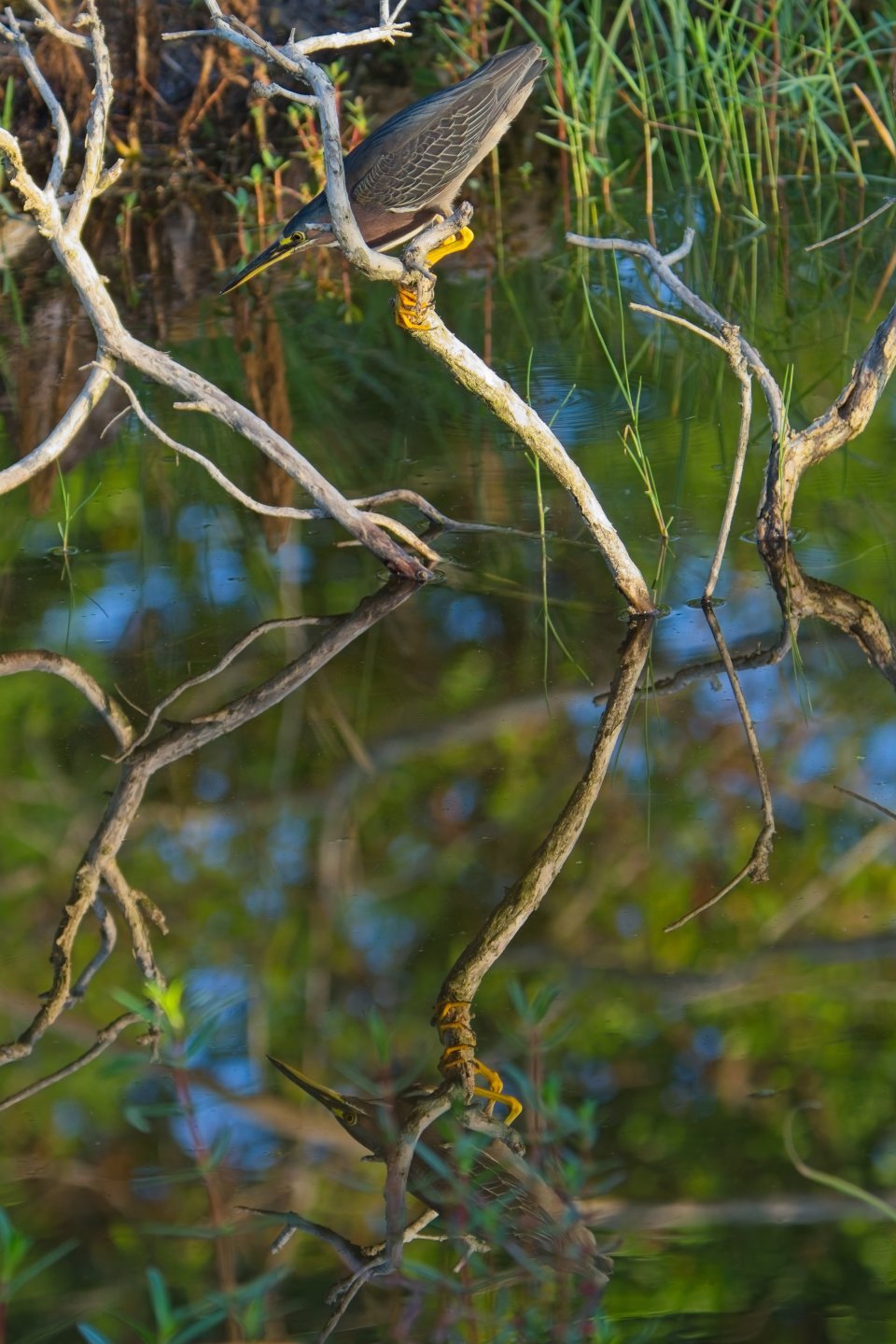
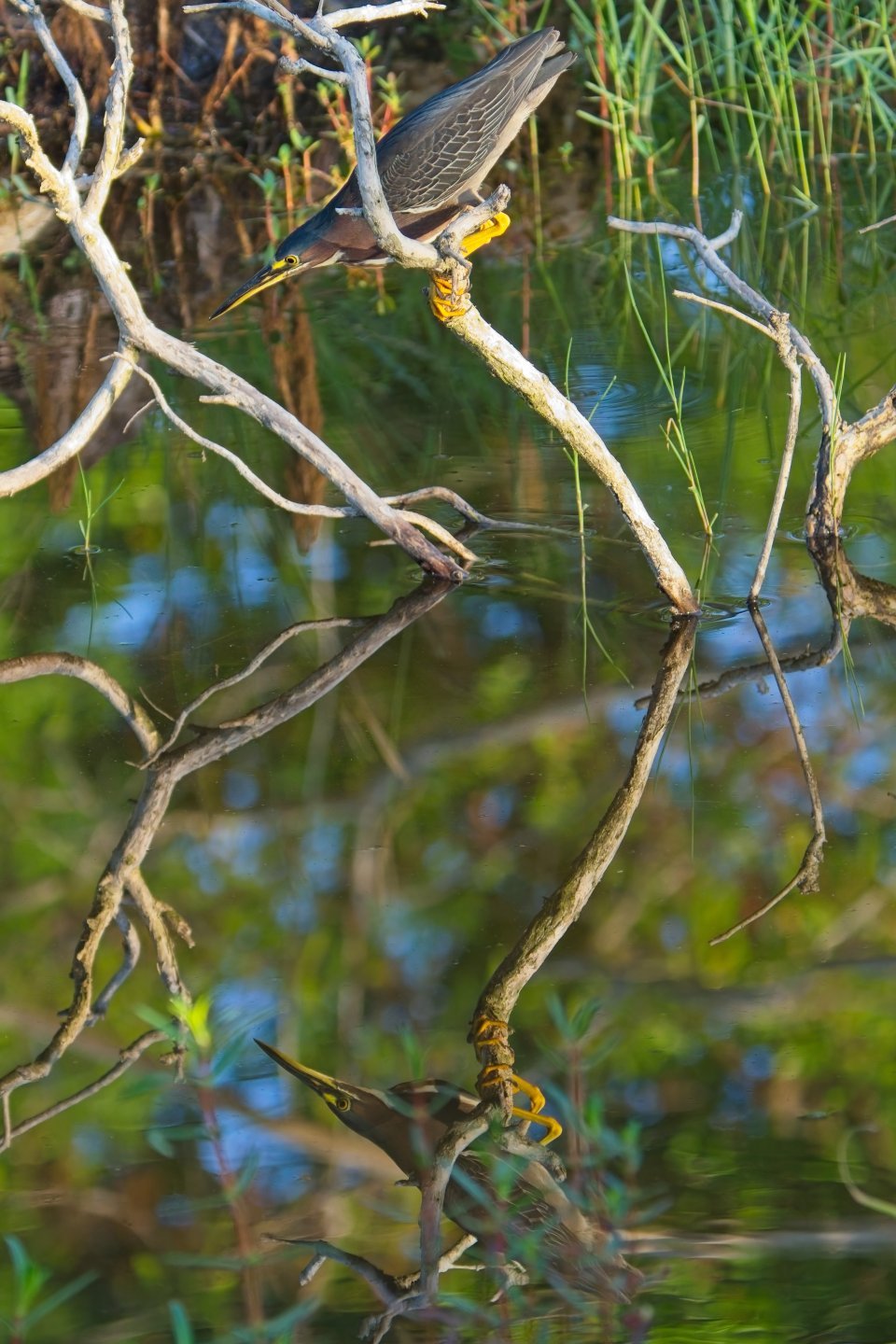
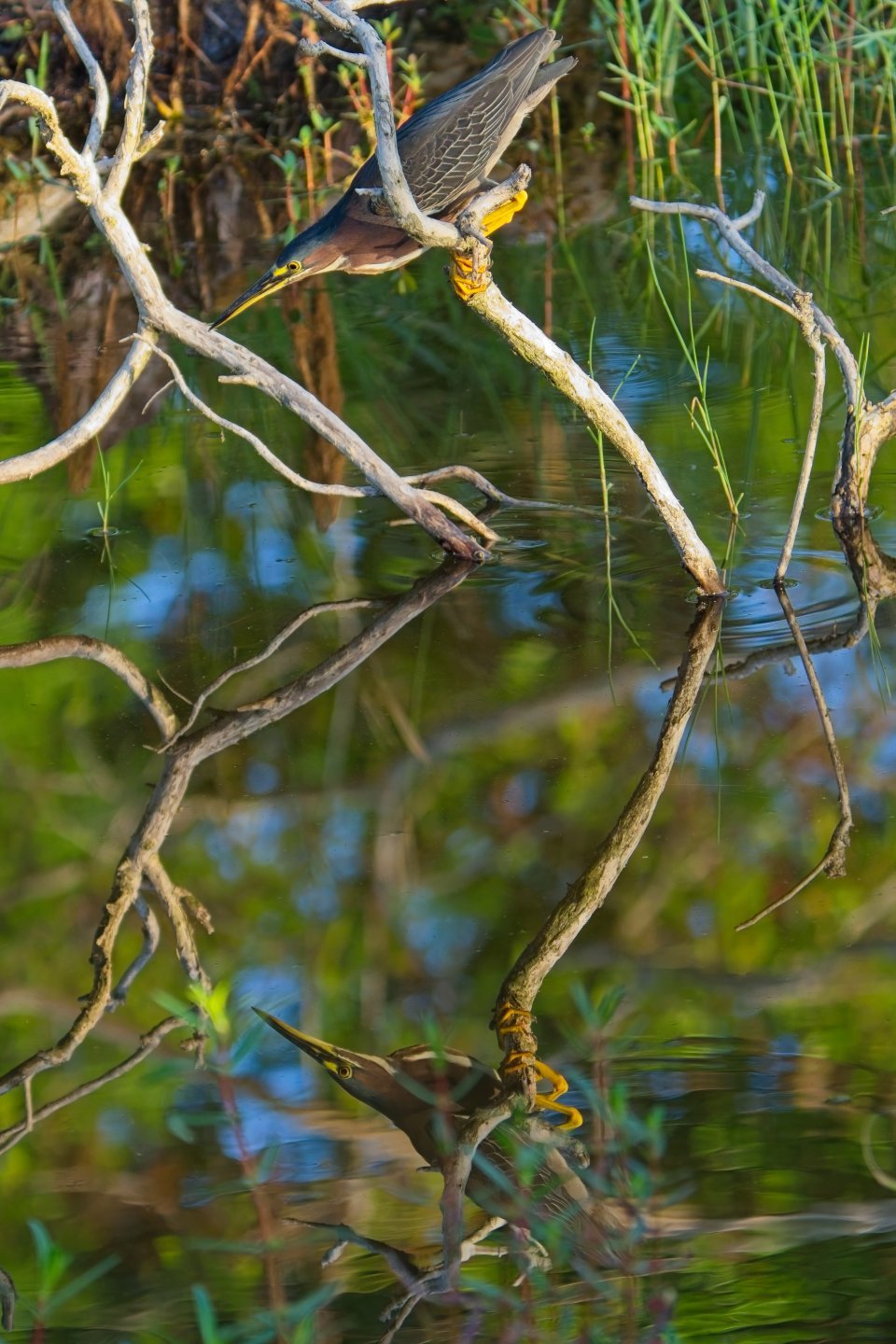
The light over Lakes Park often holds secrets, and among the tranquil waters, a profound stillness is disturbed only by the presence of the Green Heron. This scene is not merely a snapshot; it is a perfect reflection of patience, mastery, and the quiet complexity of life thriving in freshwater wetlands. Perched upon a gnarled bare branch that extends over the calm surface of the water, the heron embodies an ancient equilibrium between stillness and explosive potential. It is oriented toward the left, leaning forward with its long, elegant beak pointed downwards, caught in a moment of intense observation, seemingly studying its own reflection or perhaps contemplating the unseen life beneath the liquid glass. The entire composition is mirrored with striking clarity in the still water below, creating a powerful symmetry that invites the viewer into the heron’s focused world. The setting itself reflects the lush green vegetation and patches of blue sky, bathed in natural, bright light that accentuates every subtle detail of the environment.

To witness this bird in its element is to understand the delicate balance required for survival in a dynamic ecosystem. The Green Heron is not merely a creature of the water; it is an embodiment of the freshwater wetlands, a year-round resident that finds sanctuary throughout Southwest Florida, including the rich freshwater habitats found in places like Lakes Park. Its presence here speaks to the resilience of nature and the profound connection between a bird and its specific environment. The calm, still water surfaces preferred by these hunters are not just aesthetic; they serve as vital instruments for their survival. These smooth reflections act as a second set of eyes, allowing the heron to aid its visual hunting by revealing subtle movements below or at the water’s surface, transforming an otherwise static wait into an active engagement with the aquatic world.

The life of the Green Heron revolves around an extraordinary capacity for patience and stealth. It is a master of stillness, often found poised on low perches directly over calm water, patiently waiting for its sustenance. This patient waiting period is crucial, allowing the bird to maximize the subtle information gleaned from its surroundings. This characteristic hunting style extends beyond simple waiting; Green Herons are known to employ sophisticated tactics, including bait-fishing. They have been observed dropping small objects onto the water’s surface, using these subtle lures to attract unsuspecting prey fish into the immediate vicinity. This behavior showcases a level of cunning and calculated strategy that is essential for navigating the complexities of their freshwater habitat.

The sensory experience of watching this bird unfold is deeply layered. From a distance, its plumage may appear muted in the ambient light. Yet, as the sunlight strikes the bird just right, a stunning transformation occurs. The duller external appearance gives way to shimmering emerald-green and bronze-purple hues across its back and crown, a hidden vibrancy revealed only by the bright light. This interplay of color and light highlights the subtle beauty and adaptation inherent in this species. Furthermore, the details of its posture also convey information about its internal state. While often exhibiting a hunched posture during quiet hunting periods, the heron possesses an astonishing physical capability that belies this calm exterior: a remarkably flexible neck that can rapidly extend to twice its apparent length for a swift, precise strike at prey. This incredible flexibility is the engine behind its deadly accuracy, allowing for instantaneous transition from stillness to motion in a fraction of a second.

The anatomy of the Green Heron is finely tuned for its specialized role as an aquatic hunter. Beyond the powerful extension of its neck, the bird utilizes its physical structure with expert precision. Its strong, long toes are expertly adapted to grip even irregular perches with security. This secure footing is essential, enabling the heron to lean forward deeply and maintain perfect balance while intently observing potential prey below the surface. This mastery over its physical mechanics allows it to leverage the stillness of the water into a deadly advantage.

The diet that sustains this remarkable hunter is intrinsically linked to the richness of the freshwater habitat where it resides. In environments like Lakes Park, the heron’s primary food sources are abundant and diverse. Their diet primarily consists of small fish, frogs, tadpoles, and a variety of aquatic insects, all thriving within the wetland ecosystem. This broad dietary range demonstrates the heron’s adaptability and its role as a critical regulator within the freshwater environment. The presence of these various smaller organisms is directly supported by the clarity and abundance of the water sources that attract them.

The intricate relationship between the predator and its environment is further revealed through subtle behavioral cues. Green Herons are generally solitary creatures when they are away from their breeding colonies. This solitary nature necessitates a strong sense of territoriality, meaning these birds actively defend their favored hunting perches or fishing territories from other herons. This protective instinct underscores the importance of securing prime locations for feeding and resting within the wetland landscape.

The bird’s plumage also offers another fascinating display of adaptation. When the heron is not in a state of intense focus or agitation, its shaggy crest feathers often remain flattened, contributing to its overall streamlined appearance during passive hunting. However, when the bird is highly focused on spotting movement or becomes agitated, these shaggy crest feathers can be visibly raised, adding another layer to the subtle communication of its mood and attention. This dynamic display reveals the constant internal processing that occurs as the heron monitors its environment.

The clear reflections in the calm waters are more than just an aesthetic feature; they are a crucial component of the heron’s sensory toolkit. These still surfaces provide not only visual confirmation of the surroundings but also a means to aid their hunting strategy by revealing movement beneath the surface, making the invisible visible. This use of the environment is a testament to the highly developed observational skills possessed by this magnificent avian species.

The Green Heron's existence in Lakes Park is a living lesson in adaptation and harmony with nature. It demonstrates how stillness can be the most potent form of action, how flexibility can translate into unparalleled power, and how keen observation can unlock hidden resources in the natural world. Observing the heron in this bright light, suspended over the reflective water, is witnessing an ancient, perfected method of life—a quiet, powerful demonstration of nature’s enduring artistry. It remains a profound reminder that the most powerful forces in nature are often found not in rapid movement, but in deep, unwavering patience and perfect synchronization with the natural rhythm.

Follow Adventures in Southwest Florida for more hidden wonders.
The Silent Mastery of the Green Heron in Lakes Park

The Silent Mastery of the Green Heron in Lakes Park

The Silent Mastery of the Green Heron in Lakes Park

See more photos on Instagram

Sunday, July 5, 2026

Unmasking the Cuban Tree Frog's Secret Life at Six Mile Cypress Slough Preserve

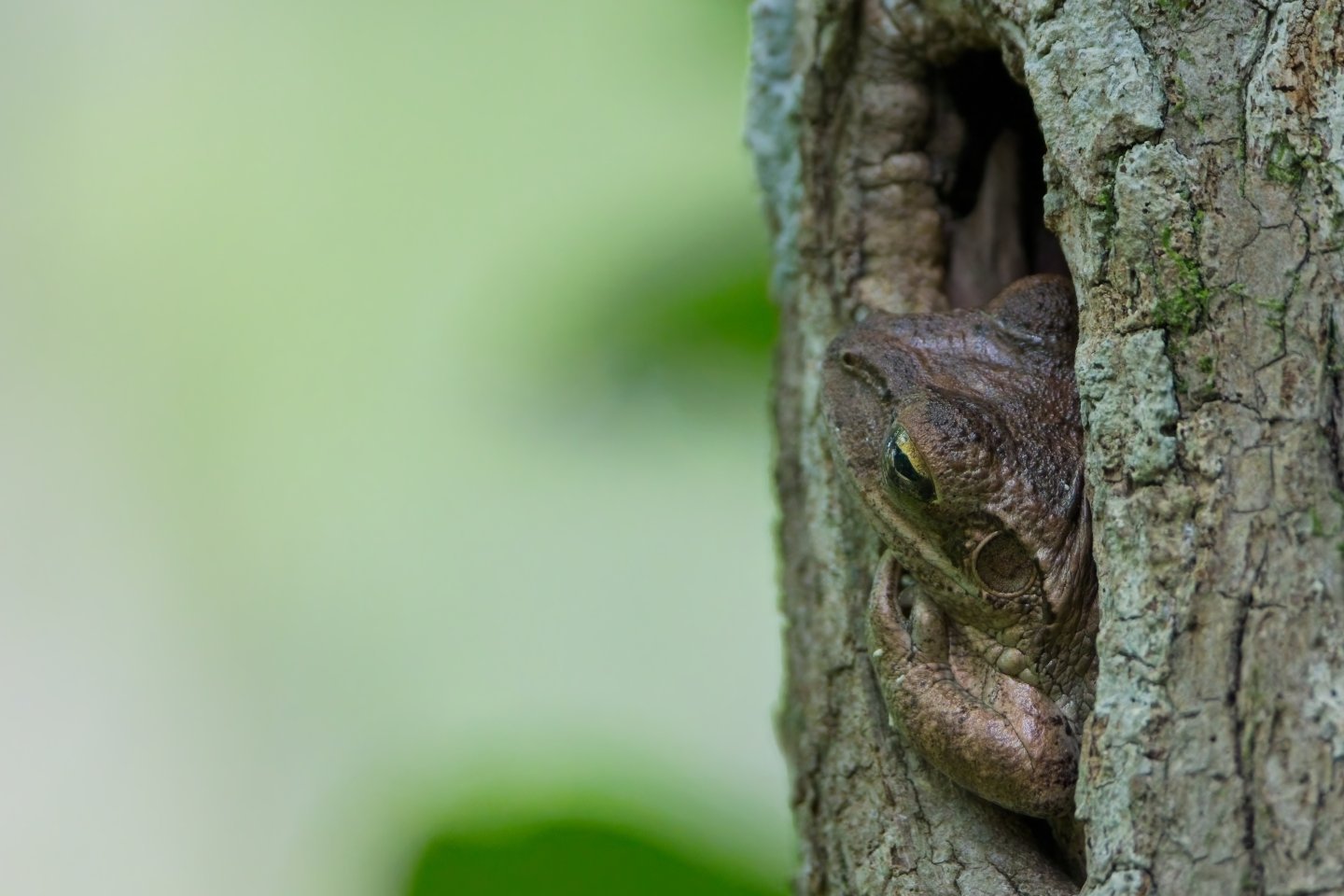
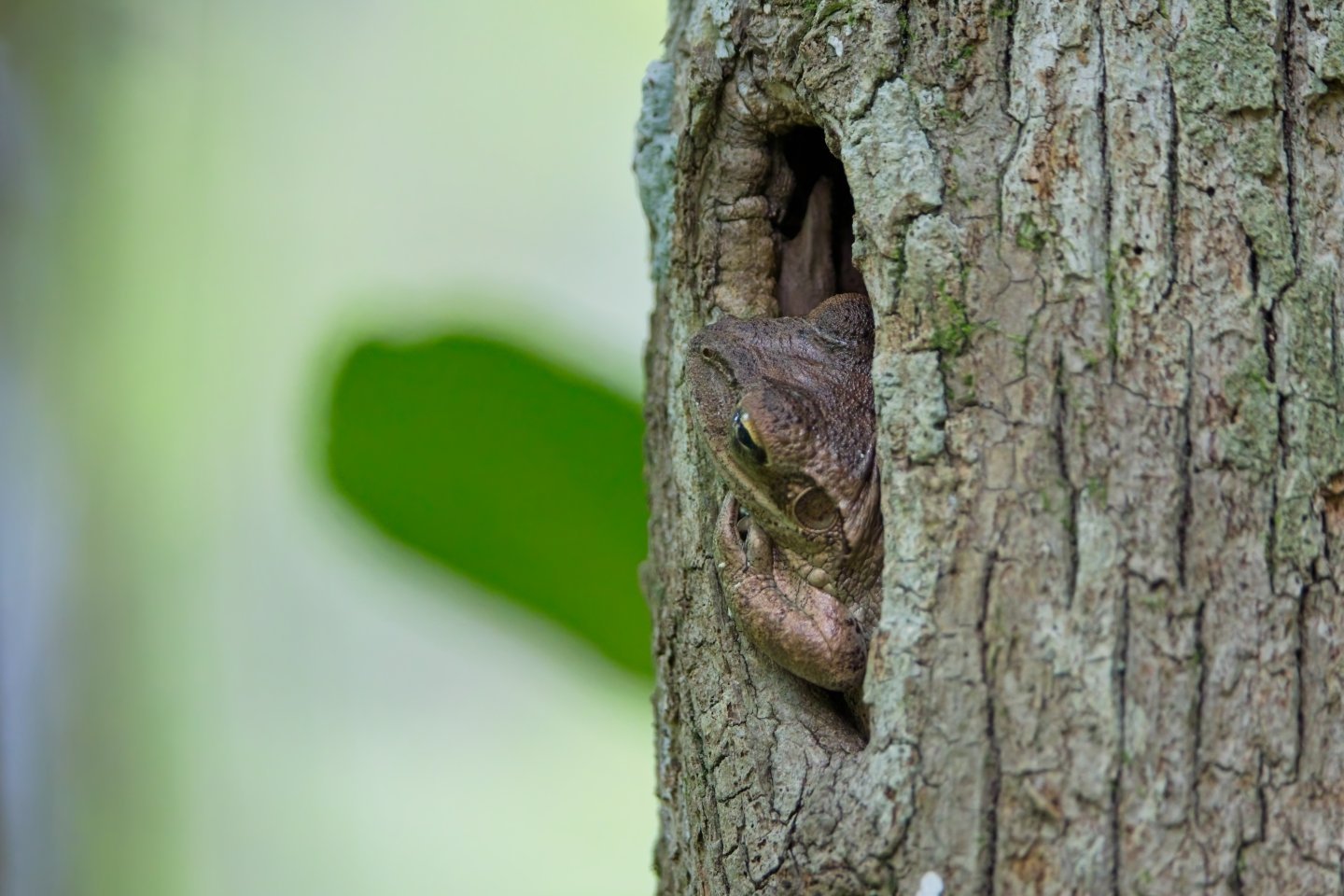
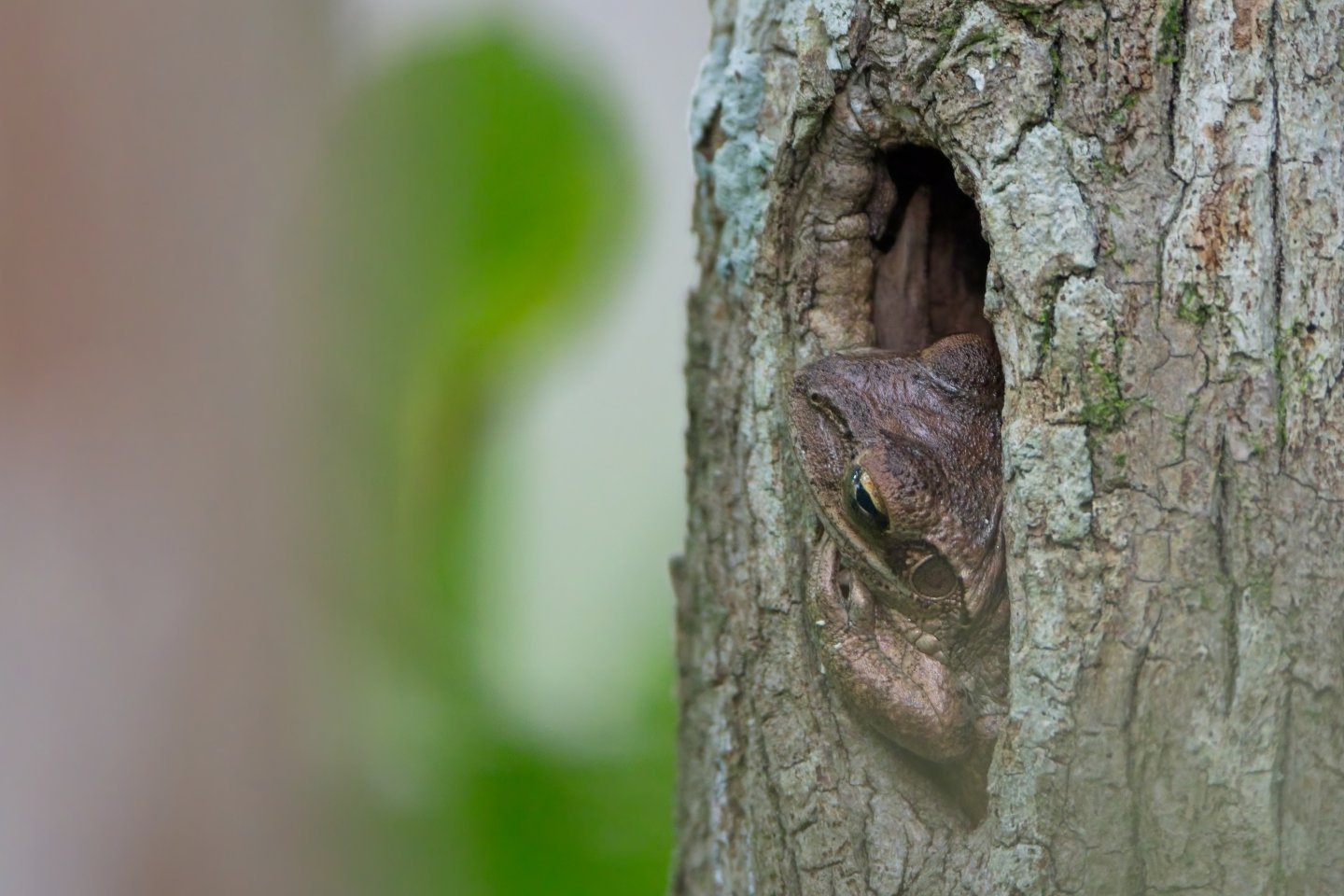
The soft, diffused light of the morning filtered through the dense canopy, casting dappled patterns across the damp earth of the Six Mile Cypress Slough Preserve. It was in this verdant, humid realm that a hidden world was revealed—a glimpse into the secluded existence of the Cuban Tree Frog. Peeking out from a dark cavity nestled within the rough bark of a tree trunk, the frog offered a portrait of quiet resilience. Its textured skin caught the light, highlighting the subtle shifts in color and the prominent focus of its eye, drawing the viewer into an intimate encounter with this remarkable amphibian. This moment, captured amidst the lush green foliage, is more than just a wildlife sighting; it is an invitation to consider the delicate balance of life thriving within these wetland habitats.

This unassuming creature, native to the Caribbean, has found a foothold in the unique ecosystem of Southwest Florida wetlands, transforming the Cypress Slough Preserve into a vital habitat for this arboreal invader. The presence of the Cuban Tree Frog introduces fascinating dynamics to the local environment. To understand its place here, one must look at how it navigates its world and interacts with its surroundings. Its physical adaptations are finely tuned for survival in this mixed terrestrial and aquatic environment. For instance, the frog possesses webbed feet, a structure that enables it to move efficiently through water, allowing seamless transitions between the damp ground and the surrounding aquatic systems. This dual capability is essential for navigating the intricate landscape of the preserve, where dense vegetation meets open water.

The mastery of climbing is equally striking. These arboreal inhabitants are not merely restricted to the surface; they possess large toe pads that act as natural suction cups, allowing them to climb smooth bark and various vertical surfaces with incredible ease. This ability to ascend into tree cavities or onto structures in dense vegetation speaks to a sophisticated understanding of their environment, providing secure hideaways from predators and the elements. This capability highlights how fully integrated the frog is within the tree-lined landscape of the preserve.

Survival in this environment is heavily dependent on the frog’s ability to camouflage itself. The skin color of the Cuban Tree Frog is not static; it is a dynamic tool used for survival and concealment. Depending on whether it is resting against mossy bark or blending into the forest leaf litter, the skin can change its hue from a vibrant green to a more muted brownish-green. This remarkable adaptation allows them to blend seamlessly with their surroundings, offering crucial camouflage against both predators on land and trees. This sophisticated color change is a masterclass in natural disguise, demonstrating how camouflage is key for this master of disguise to evade danger while resting or waiting for opportunities.

The feeding habits of the Cuban Tree Frog are also uniquely adapted to its wetland habitat. Unlike some strictly arboreal species, these frogs are often found utilizing the ground surface within wetland areas. They employ a patient strategy, primarily feeding by sitting and waiting near light sources or in areas where movement attracts insects—a testament to their reliance on subtle environmental cues for sustenance. This behavior connects them directly to the pulse of the local ecosystem, demonstrating an intimate relationship with the insect life that forms the base of their food chain.

However, this successful adaptation comes with ecological complexities. As an invasive species within the Six Mile Cypress Slough Preserve, the presence of the Cuban Tree Frog introduces competitive pressures into the local amphibian community. The frog competes with and preys upon native amphibians already inhabiting the preserve, including populations of the native Southern Leopard Frog. This interaction underscores a critical theme in studying wildlife: the introduction of new species alters established ecological relationships, creating shifts in population dynamics and competitive interactions within the habitat. Understanding this dynamic is essential for preserving the overall biodiversity of the region.

Furthermore, the acoustic environment of the preserve is subtly altered by the presence of this frog. The loud "ribbit" call produced by the Cuban Tree Frog is quite distinct when compared to the sounds of native species, such as the nearby Pickerel Frog. This auditory presence adds a new layer to the soundscape of the wetland, creating an audible signature of this invasive species that distinguishes it from the native amphibian chorus. This shift in sound not only affects how the frog communicates but also contributes to the complex sonic tapestry of the entire environment.

The protection afforded to this species is recognized, reflecting a balance between its status as an ecologically significant inhabitant and its role as an expanding presence throughout Southwest Florida wetlands. The Cuban Tree Frog’s story at the Six Mile Cypress Slough Preserve is a compelling example of how nature constantly adapts and reshapes itself. It challenges our perceptions of what constitutes a native ecosystem and reminds us that every species plays a complex, interconnected role in the larger picture of the wild world. Observing this frog in its natural setting allows us to appreciate the intricate details of biodiversity and the ongoing, dynamic processes of life unfolding around us.

Follow Adventures in Southwest Florida for more hidden wonders that challenge our perceptions of nature's harmony.

Unmasking the Cuban Tree Frog's Secret Life at Six Mile Cypress Slough Preserve

Unmasking the Cuban Tree Frog's Secret Life at Six Mile Cypress Slough Preserve

Unmasking the Cuban Tree Frog's Secret Life at Six Mile Cypress Slough Preserve

See more photos on Instagram