The stillness of a Florida wetland holds a profound silence, broken only by the gentle lapping of water and the whisper of emergent reeds. In the heart of Lakes Park, where freshwater marshes meet the open expanse of the water, lies a world defined by hidden life, a realm where some of the most captivating creatures exist almost entirely unseen. Here, among the dense tapestry of cattails and reeds, lives the Least Bittern, a bird whose existence is a masterclass in camouflage and quiet persistence. This is not just a glimpse of wildlife; it is an invitation to look deeper into the intricate, secretive ecosystem that thrives within these waters, revealing how life unfolds in the shadows of the Florida marshlands year-round.
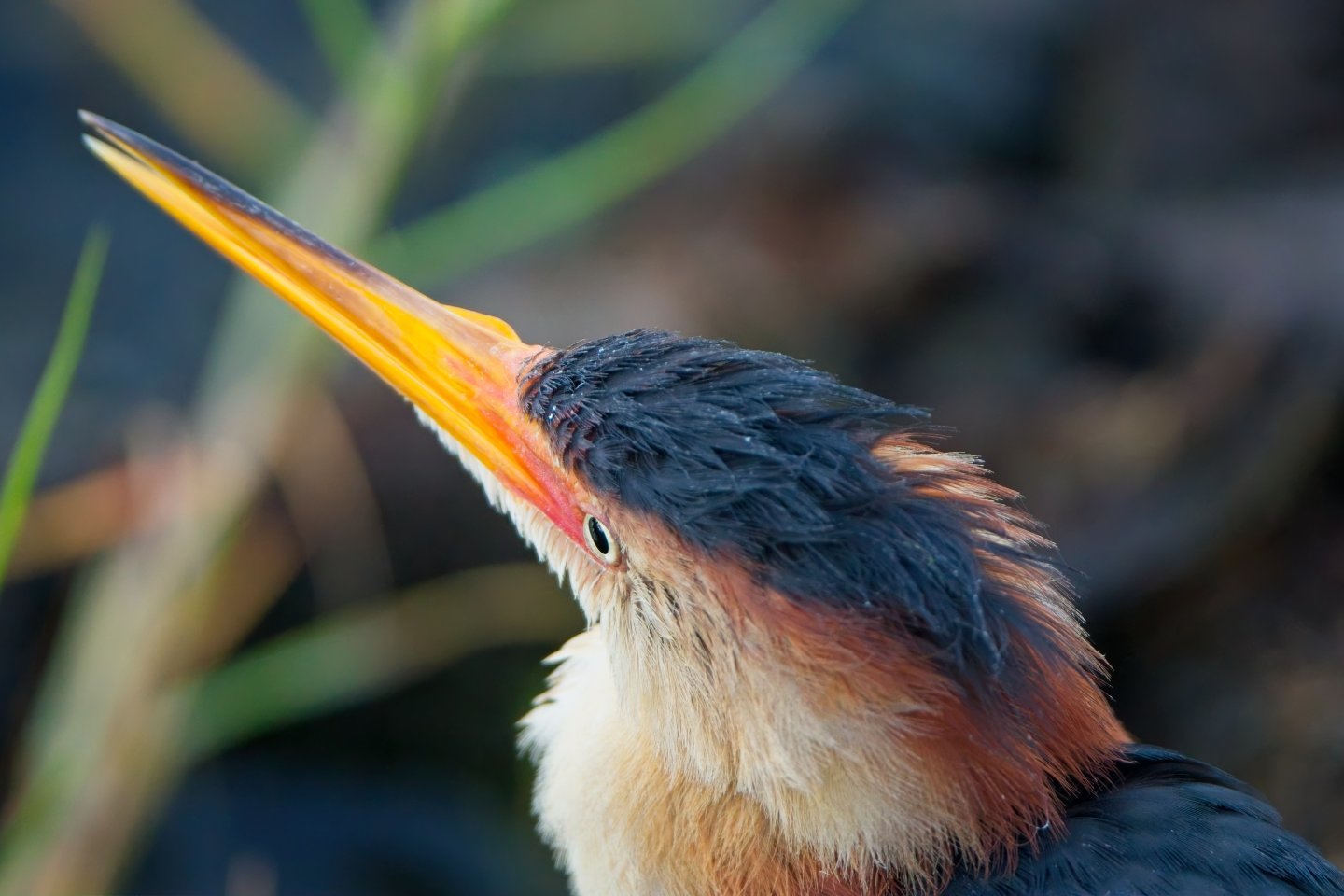
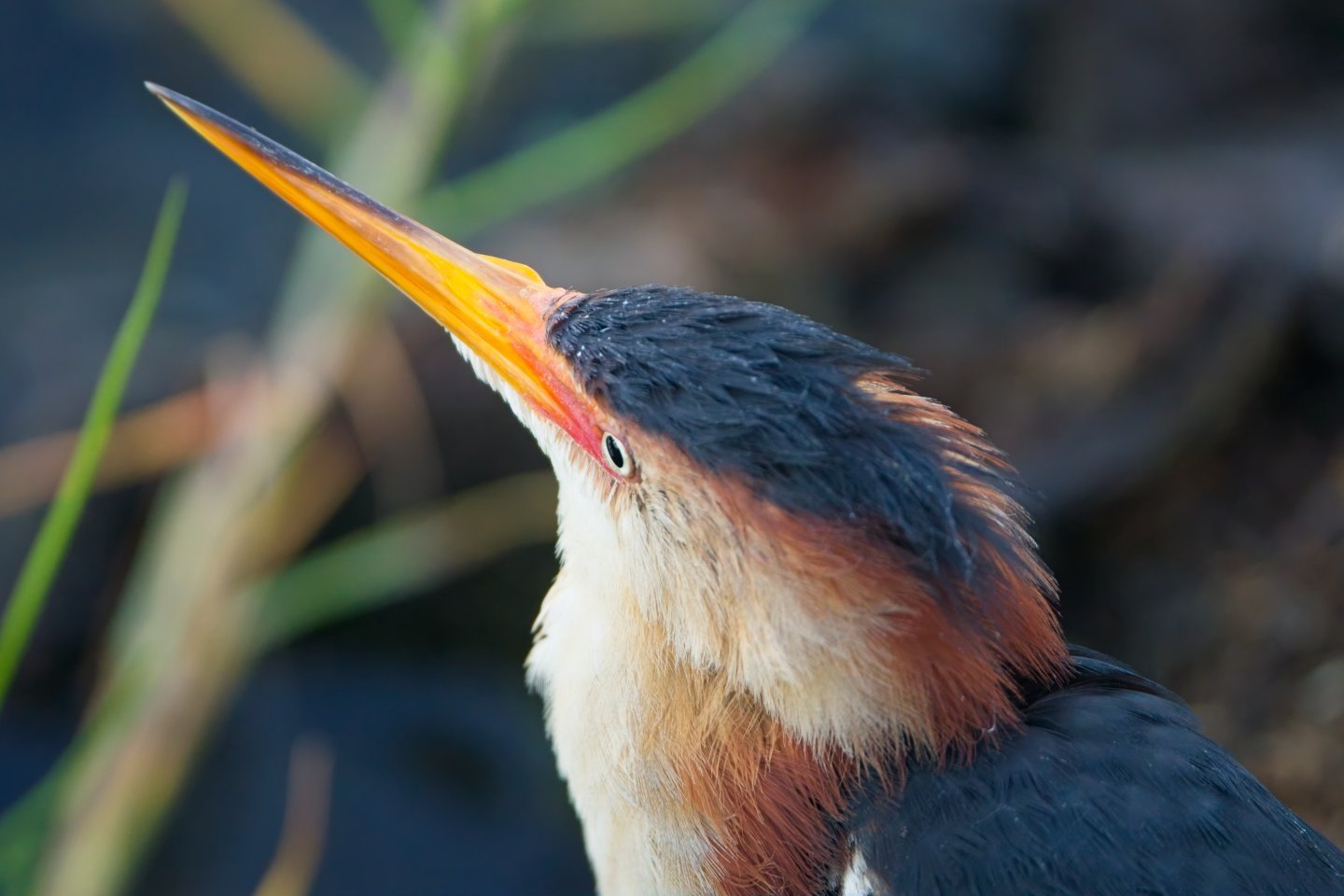
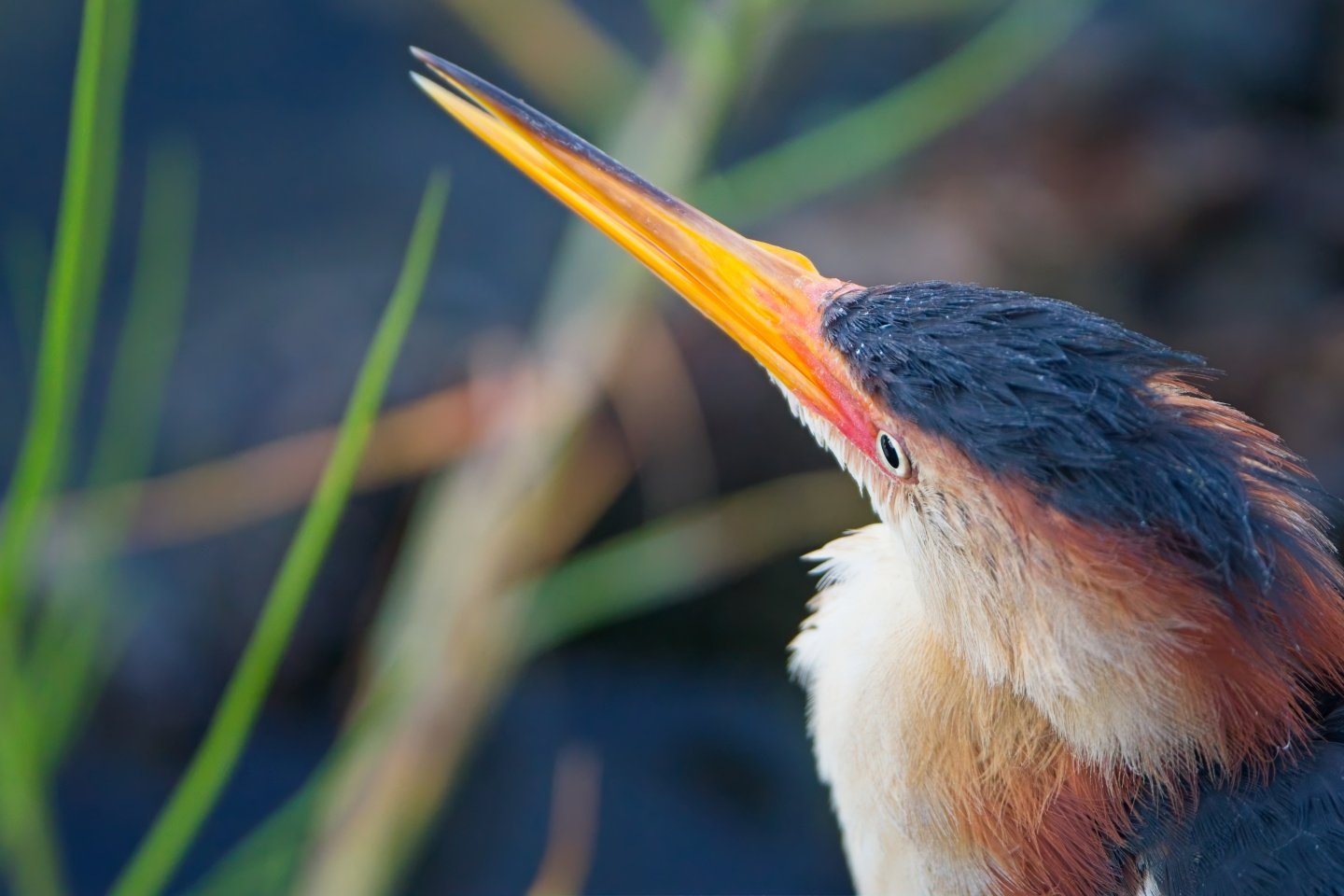
The Least Bittern is perhaps the very embodiment of concealment. Its presence in the dense wetland foliage is not accidental; it is a carefully honed skill developed over time to survive in an environment where visibility is a liability. When one observes this bird, particularly when it pauses its movement to survey its surroundings, the effect is mesmerizing. The plumage, marked by rich reddish-brown tones on the neck and lighter feathers on the throat, blends seamlessly with the surrounding vegetation. This masterful integration allows the creature to become an uncanny part of the environment, demonstrating how expertly these birds utilize their natural surroundings as armor against potential threats.
Focusing on the visual details of a male specimen, we see striking features that contrast sharply with its ability to disappear into the background. The head is covered in dark, somewhat ruffled feathers, lending an air of wildness and complexity. Yet, nestled within this darkness are splashes of color—the vibrant orange and yellow bill, tipped with darker coloration, draws the eye, serving as a unique identifier amidst the muted greens and browns of the marsh. This distinctive bill, often pointed skyward in a characteristic posture, becomes a perfect imitation of a reed stalk, enabling the bird to achieve an uncanny stillness that is essential for survival. This ability to freeze and merge with the vertical wetland plants is fundamental to their success in inhabiting these sensitive habitats.
The environment of Lakes Park provides the ideal canvas for this life story. The abundant emergent vegetation along the edges of the lakes and wetlands offers the dense cover necessary for Least Bitterns to establish and sustain themselves. This habitat is not merely a backdrop; it is the bird’s entire world, providing the shelter and concealment that defines its daily existence. These wetland environments are crucial, offering the specific conditions required for this species to thrive as permanent residents, utilizing the water and marshland year-round regardless of seasonal changes.
The reality of the Least Bittern's diet further illuminates its relationship with the aquatic world. Living among the shallows means that sustenance is found in the very water and the submerged life beneath the surface. These secretive hunters rely on ambush tactics, waiting patiently within their concealed positions to intercept food. Their primary diet consists of small fish, aquatic insects, and tadpoles, which they skillfully capture from the hidden depths of the marsh. This predatory strategy underscores the bird's role as a crucial regulator within the delicate aquatic food web of the wetlands. The stillness required for successful hunting demands an acute awareness of the water beneath the reeds, making their mastery of concealment doubly important in securing their meals.
Beyond mere survival, the life cycle of the Least Bittern involves some remarkable acts of creation and continuation. During the breeding season in Florida, these hidden residents engage in complex behaviors that showcase their commitment to establishing a future. They construct shallow, cup-shaped nests meticulously woven into dense marsh plants, typically positioned just above the water’s surface. These nests are intricate structures, serving as carefully guarded secrets amongst the reeds, demonstrating a deep, instinctual connection to their wetland home. Each nest represents a testament to the careful planning and tenacity of these birds as they navigate the seasonal demands of their environment, weaving continuity into the fabric of the marsh.
The life of the Least Bittern is defined by its elusiveness. Despite the stunning visual cues displayed in a photograph, the bird remains incredibly secretive and challenging to spot, existing in a state of near-perfect invisibility when undisturbed. This inherent elusiveness contributes to their status as remarkable natural wonders—living entities perfectly integrated into the landscape. It is this quiet, persistent existence that speaks volumes about the resilience of life in the Florida wetlands, offering a poignant reminder of the intricate beauty found in the hidden corners of nature. To witness such a creature is to be granted access to a profound understanding of the silent, watchful world that exists just beyond the edge of our immediate sight.
The quiet presence of the Least Bittern in Lakes Park is a vital thread in the tapestry of this unique ecosystem. They remind us that true wonder often resides not in the most visible spectacle, but in the subtle details—the expertly crafted camouflage, the patient pursuit of sustenance, and the delicate cycle of life unfolding in harmony with their watery home. Their survival depends on their ability to master the art of blending in, making them a truly extraordinary inhabitants of Southwest Florida’s wetlands. The hidden world of the Least Bittern is a powerful testament to the rich, complex biodiversity sustained by these vital marsh environments.
Follow Adventures in Southwest Florida for more hidden wonders.
No comments:
Post a Comment