Ever wondered how the Roseate Spoonbill gets its striking pink plumage? The answer lies in its diet. This stunning bird derives its vibrant color from carotenoid pigments found in the crustaceans and aquatic invertebrates it consumes, a fascinating display of nature's artistry.
At J.N. Ding Darling National Wildlife Refuge, the expansive estuarine habitats provide the perfect stage for this avian masterpiece. Shallow waters and mangrove areas are critical for the spoonbill to forage and roost, making the refuge a vital sanctuary for this species.
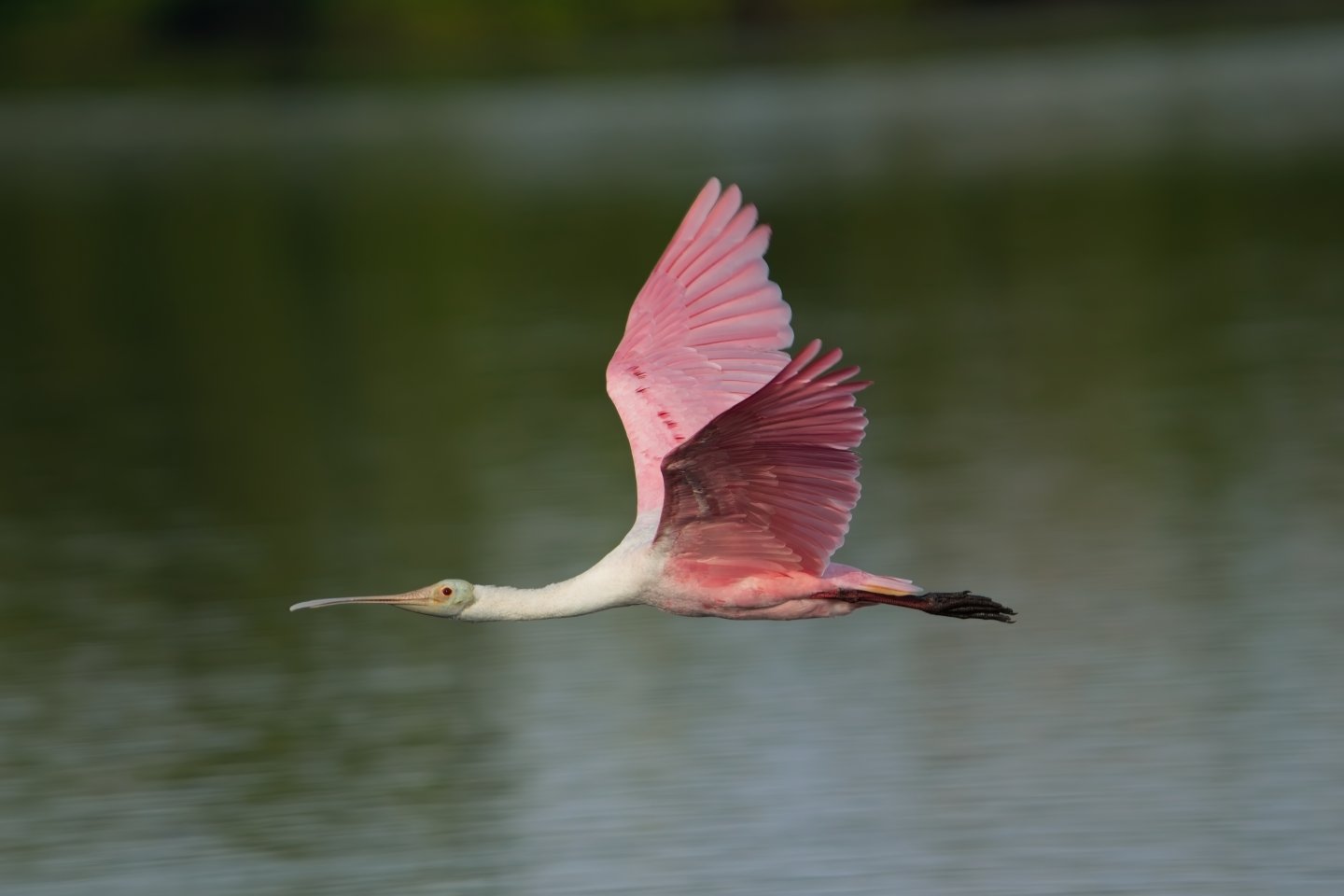
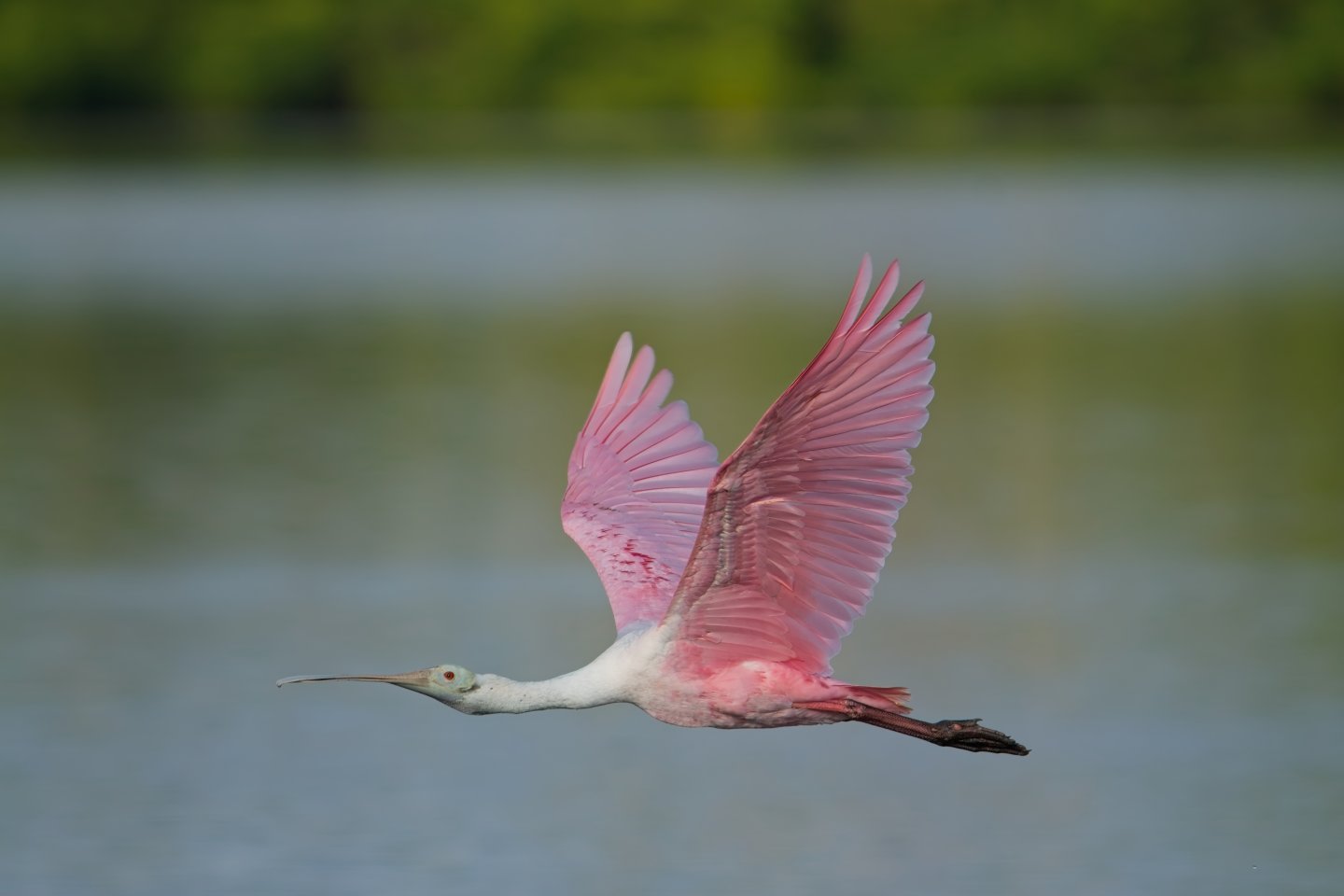
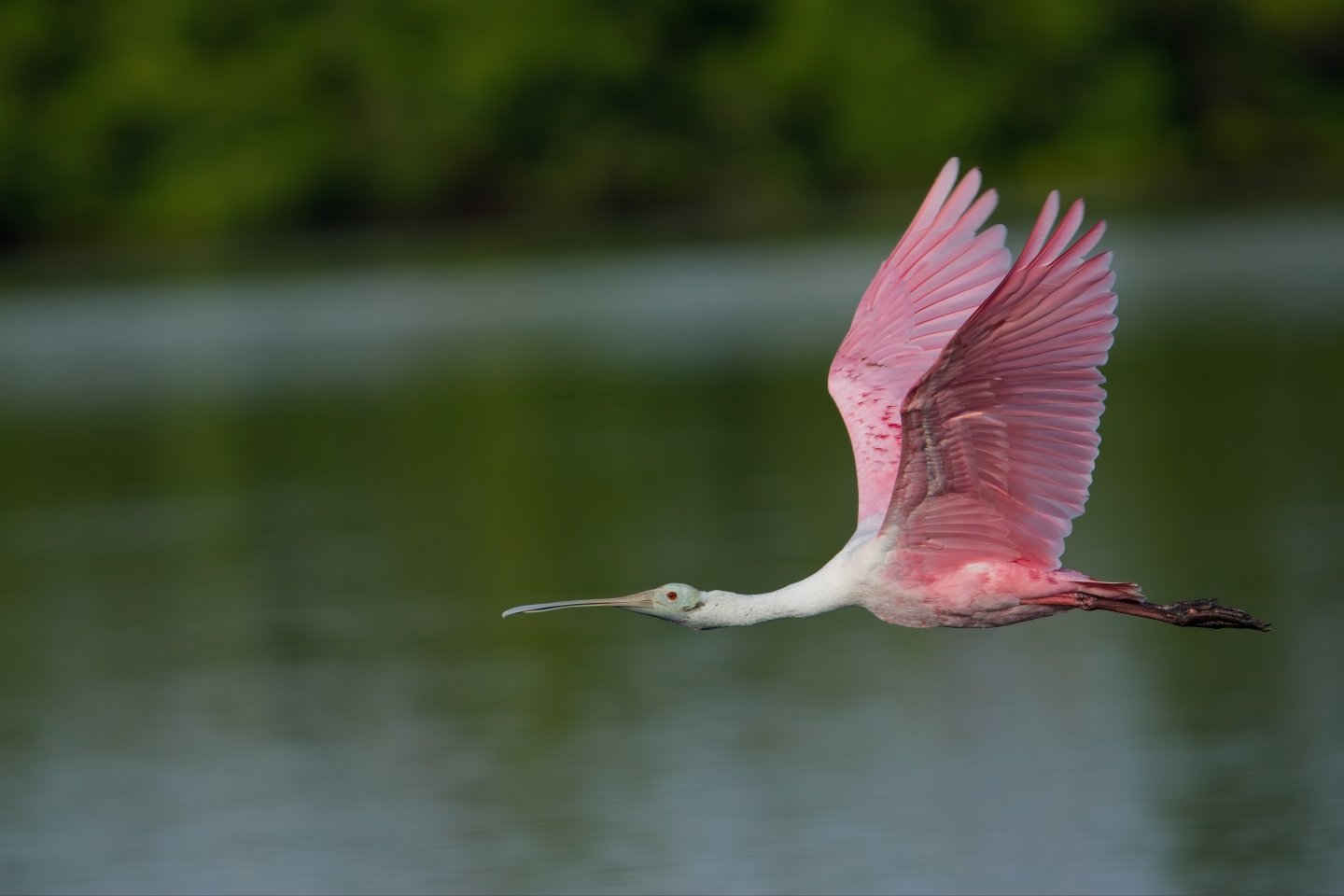
Witnessing a Roseate Spoonbill in flight is an awe-inspiring sight. With its long neck extended and legs trailing behind, it gracefully slices through the air, a dynamic spectacle against the muted marsh background. Its unique spatulate bill, highly sensitive to touch, sweeps through the water to detect small fish, crustaceans, and insects.
Adult Roseate Spoonbills sport a distinctive bare, yellowish-green head that contrasts sharply with their vibrant pink body and extended wings. Their flight is both strong and elegant, often transitioning from active flapping to soaring on thermals to conserve energy.
The intensity of a Roseate Spoonbill's pink hue can vary, influenced by factors such as age, health, and diet composition. Despite this variability, one thing remains constant: the refuge plays a crucial role in the conservation of these birds, providing them with essential habitats for foraging and roosting.
Join us in celebrating the Roseate Spoonbill and the vital role J.N. Ding Darling National Wildlife Refuge plays in its ongoing recovery. #RoseateSpoonbill #DingDarling #WildlifeRefuge #Conservation #NatureLovers
No comments:
Post a Comment