Saturday, August 15, 2026

Sentient Shadows of the American Crow at Lakes Park

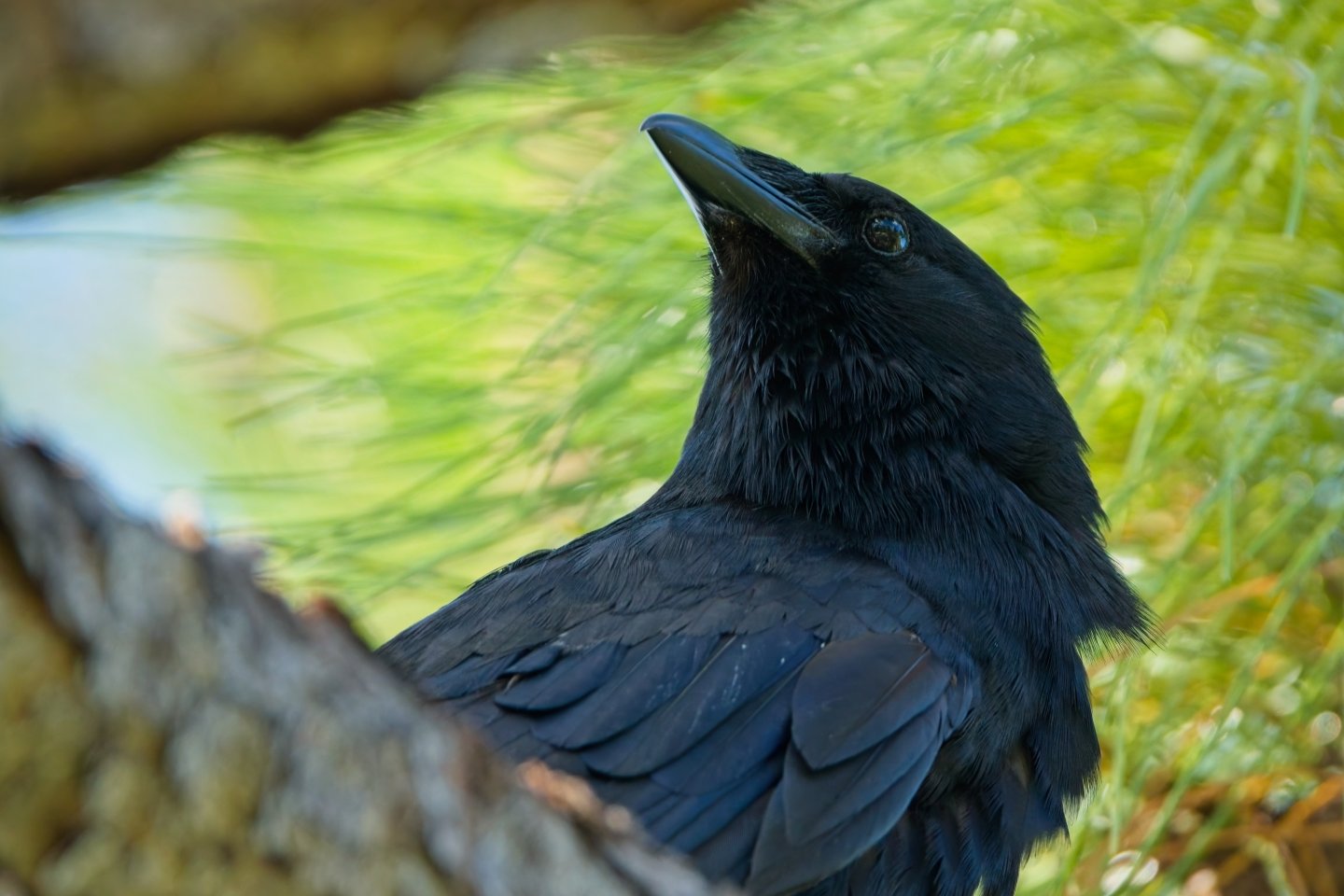
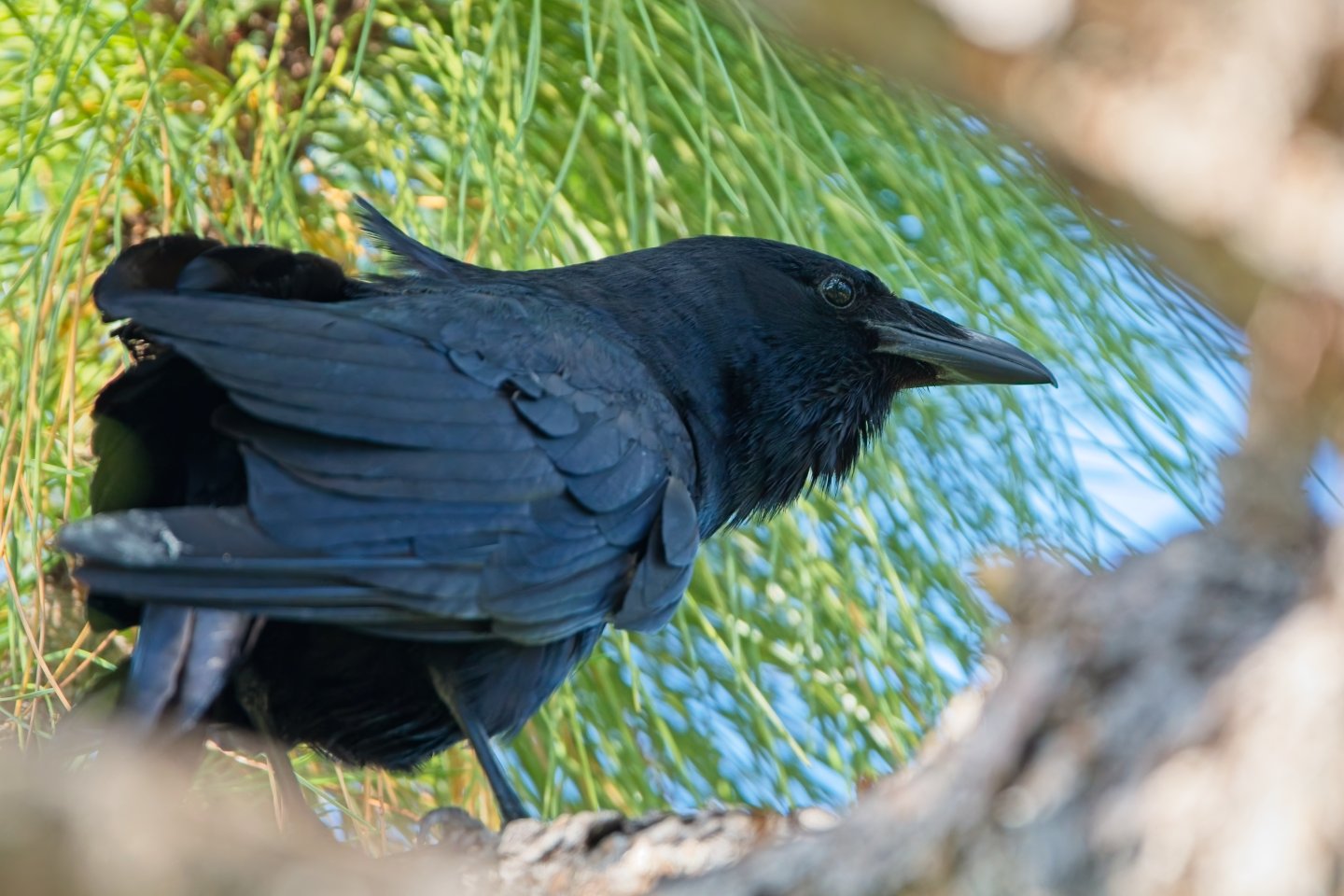
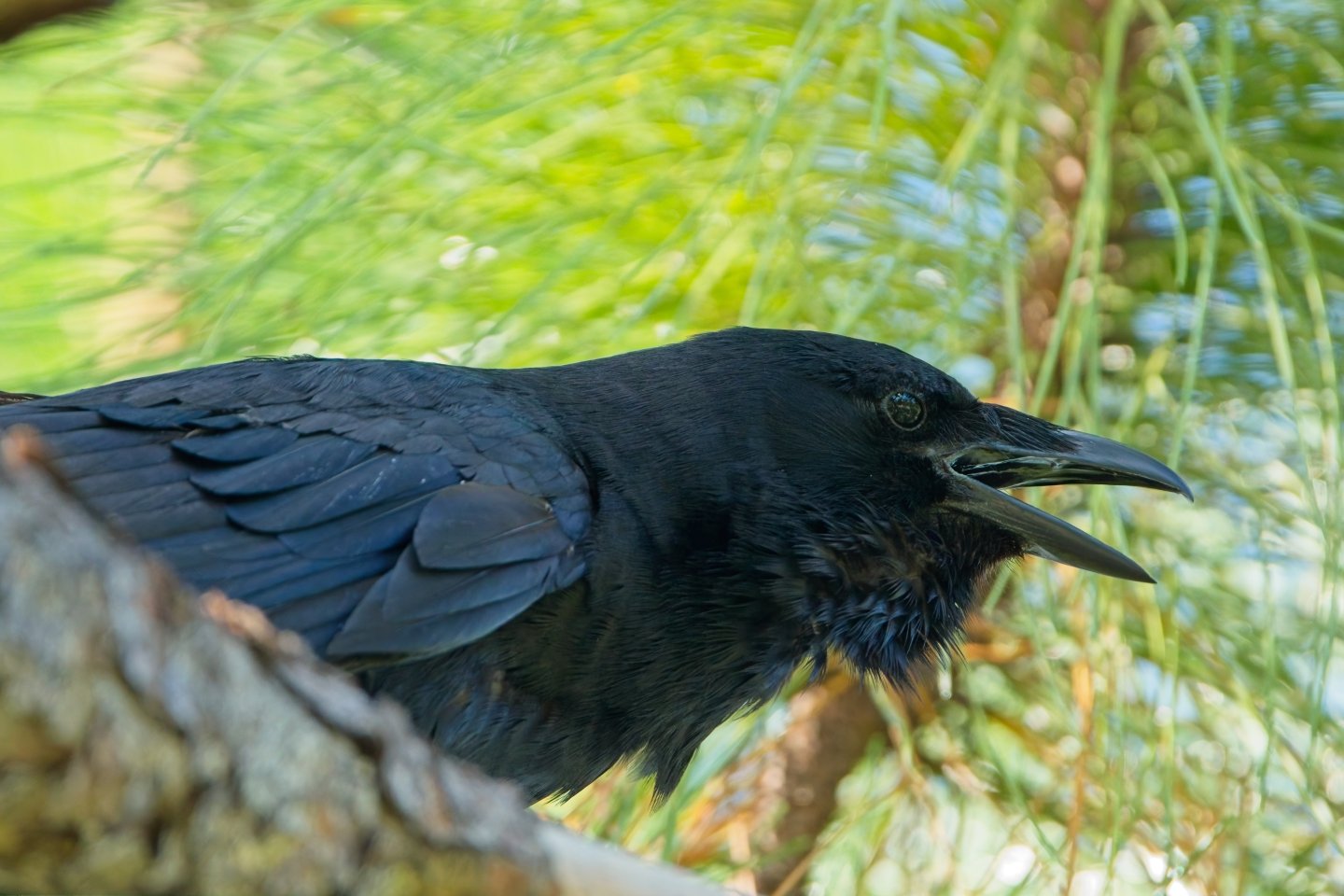
Light dances on the dark feathers of an American Crow perched high on a branch at Lakes Park. A subtle blue and purple iridescence ripples across its plumage as the bird looks to the right with an expression of keen alertness. This fleeting shimmer is not caused by actual pigment, but rather by the microscopic structure of the feathers which scatters and refracts the light around it.

From this elevated vantage point, the crow surveys the green foliage and the bright blue sky above. American Crows frequently choose to perch on elevated branches like this to gain a superior view of their surroundings, scanning for potential threats or promising food sources within the landscape. They thrive in diverse urban green spaces like Lakes Park, demonstrating an incredible adaptability in how they utilize available nesting sites.

These highly social birds engage in cooperative breeding practices, where offspring from previous years often remain with their parents to help raise subsequent broods, strengthening family bonds as they navigate their world. An alert posture like this can precede a complex series of caws used to communicate specific threats to other crows, helping them differentiate between various predators in their environment.

As opportunistic omnivores, American Crows forage widely for insects, seeds, fruits, and even human food scraps within the park setting. Outside of the breeding season, they display remarkable social behavior, sometimes forming large communal roosts that can number thousands of individuals for increased safety and information exchange.
Sentient Shadows of the American Crow at Lakes Park

Sentient Shadows of the American Crow at Lakes Park

Sentient Shadows of the American Crow at Lakes Park

See more photos on Instagram

Friday, August 14, 2026

Acrobatic Skies Over J.N. Ding Darling: The Swallow-tailed Kite

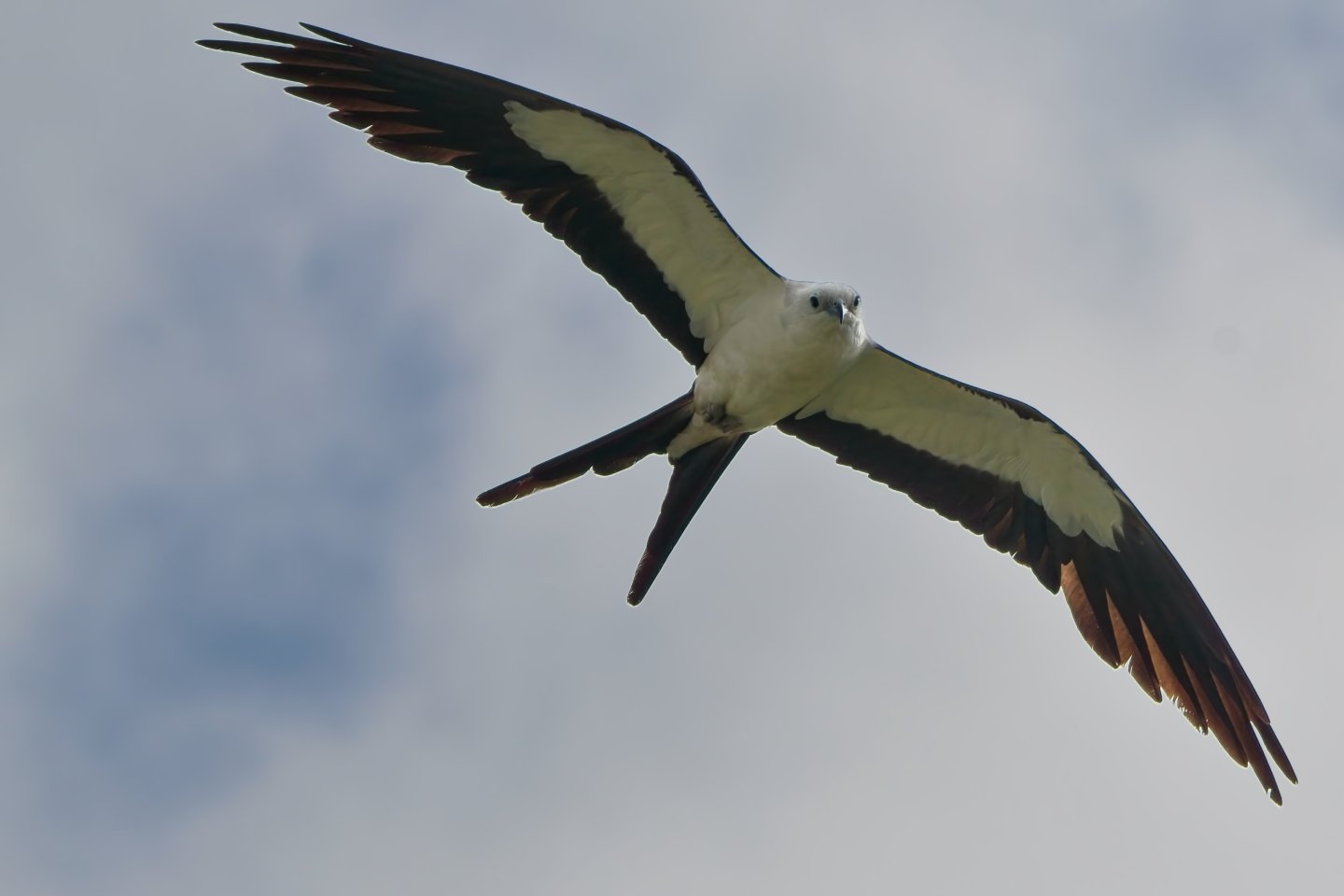
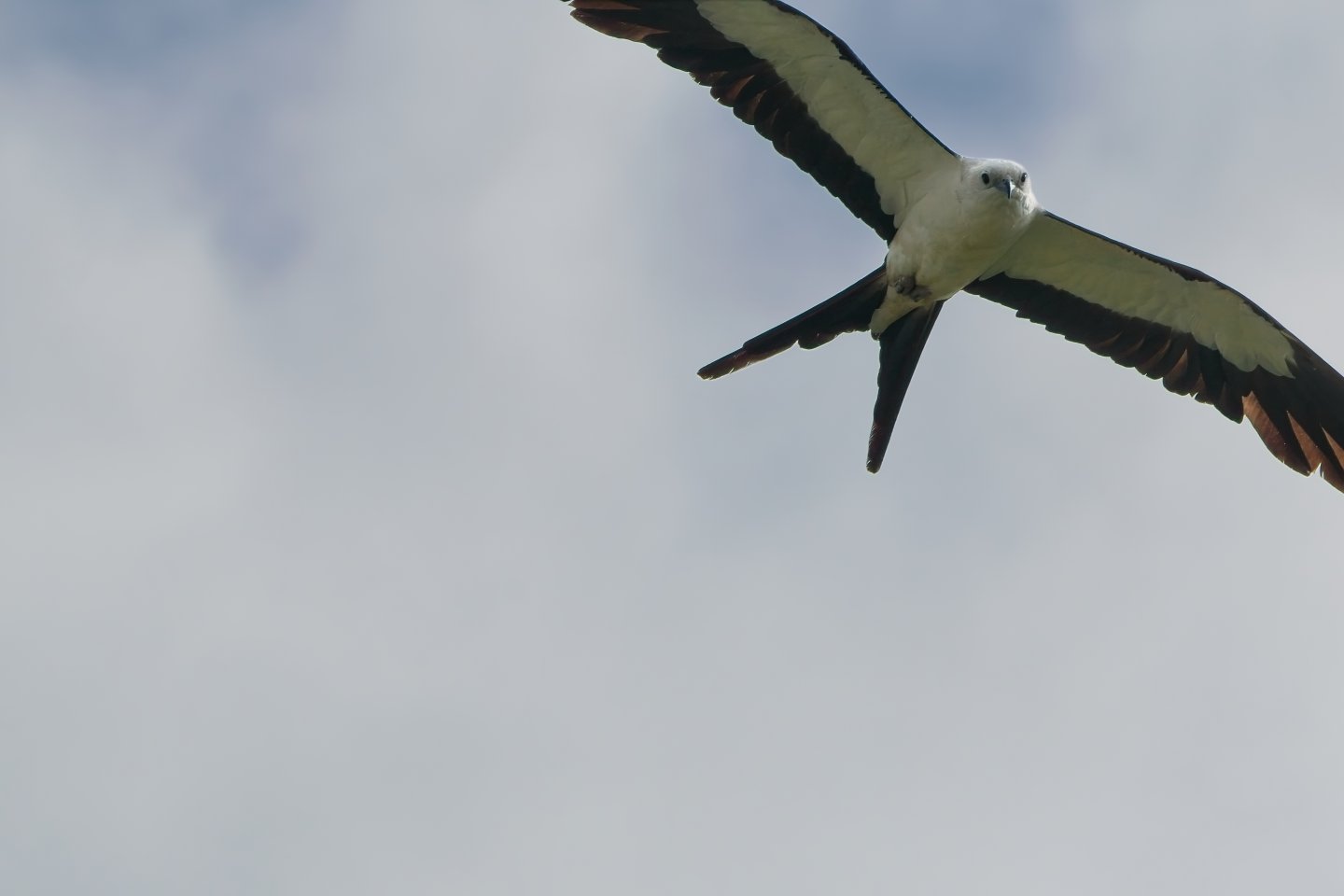
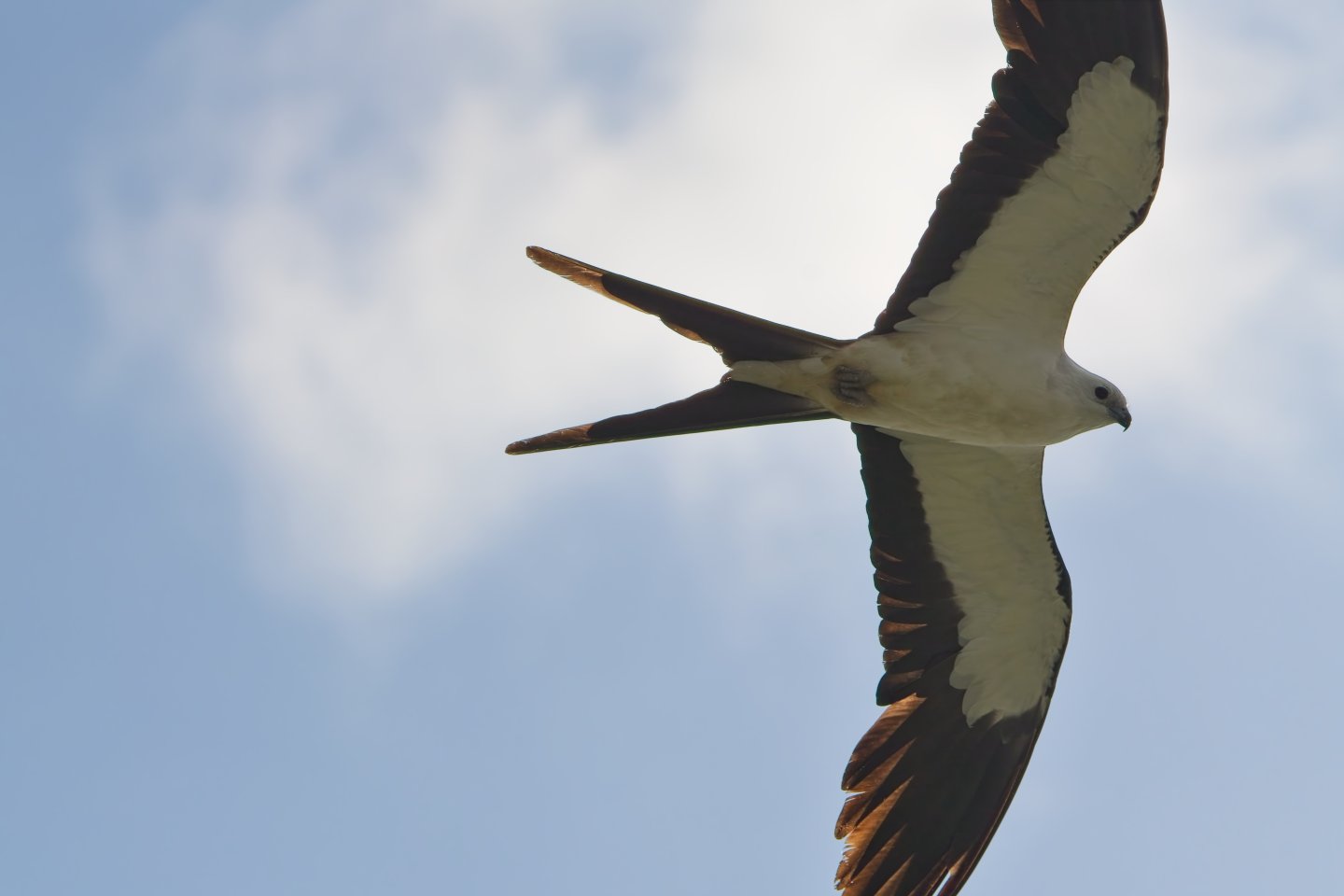
High above J.N. Ding Darling National Wildlife Refuge, a master of the air navigates with impossible grace against a soft, overcast sky. This moment captures a Swallow-tailed Kite in flight, its pristine white body and head sharply contrasting with its broad black wings and deeply forked tail spread wide as it soars overhead. The soft, diffuse lighting highlights this ethereal form, a living silhouette of contrast across the vast expanse of the refuge.

The flight itself is a study in precision. The bird’s deeply forked black tail acts as a precise rudder, allowing for acrobatic turns and glides through the air. This mastery of movement is essential for its role as an expert aerial feeder, where it consumes insects or even small snakes entirely while on the wing.

These majestic raptors are creatures of the currents, rarely touching the earth. They demonstrate remarkable behaviors as they navigate their environment, frequently drinking and bathing by flying low over water, scooping up water with their lower mandibles without ever landing.

During late February or early March, these kites arrive in Southwest Florida to begin their breeding season. The refuge's extensive mangrove estuaries and forested wetlands provide ideal foraging and nesting habitats for these migratory birds. Here, pairs build flimsy stick nests, often high in the tallest trees near water sources abundant in the region.

Their daily life unfolds in constant motion, a cooperative dance of survival. Pairs may hunt together, with one kite flushing prey from vegetation for the other to catch mid-air, or they collect nesting materials like twigs and mosses by snatching them from treetops in flight.

As the season shifts towards summer, a remarkable transformation begins as these kites form colossal roosts, sometimes numbering in the thousands before departing Florida for distant southern skies.

Acrobatic Skies Over J.N. Ding Darling: The Swallow-tailed Kite

Acrobatic Skies Over J.N. Ding Darling: The Swallow-tailed Kite

Acrobatic Skies Over J.N. Ding Darling: The Swallow-tailed Kite

See more photos on Instagram

Thursday, August 13, 2026

The Pink-Legged Enigma of Black Bellied Whistling Ducks at Lakes Park

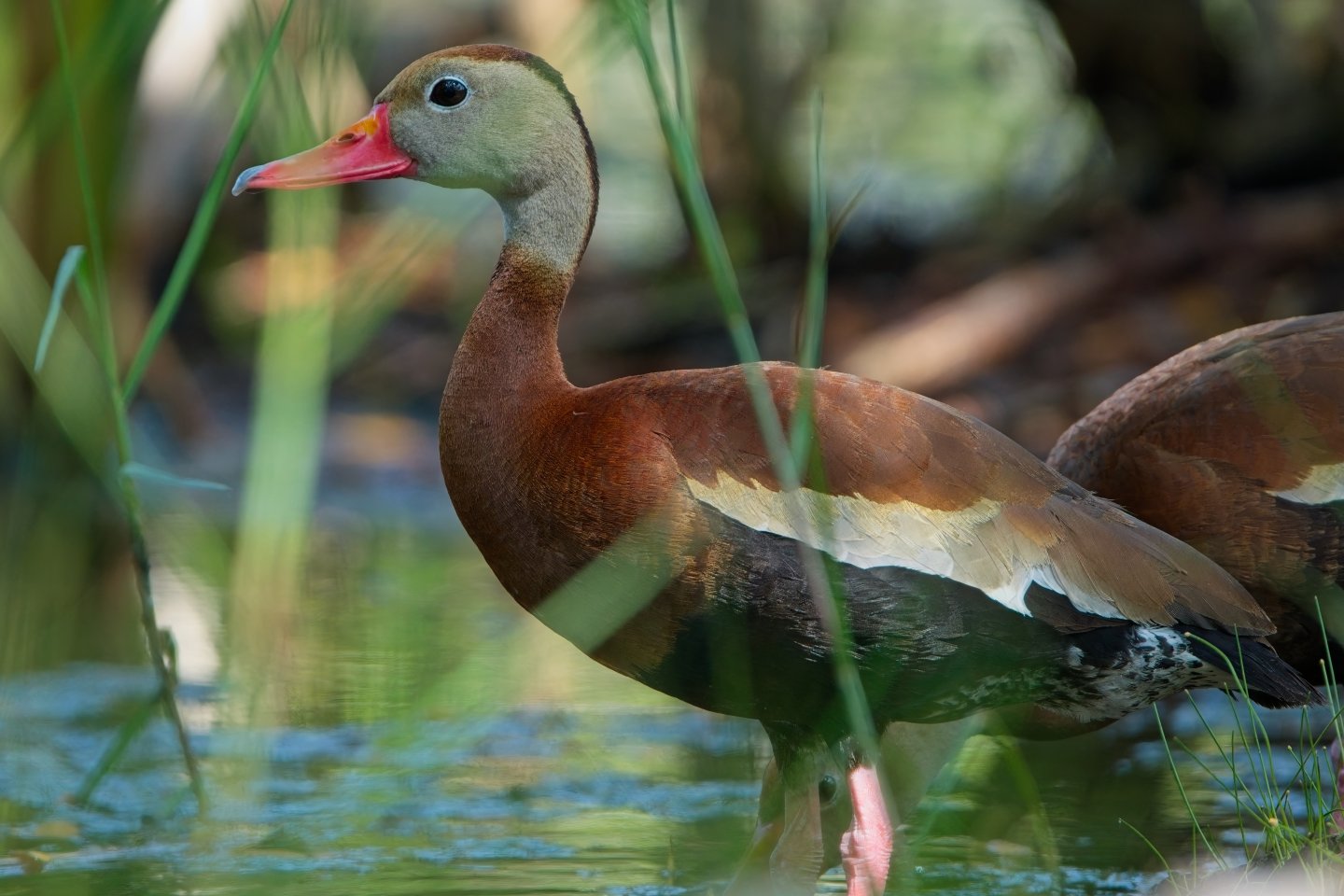
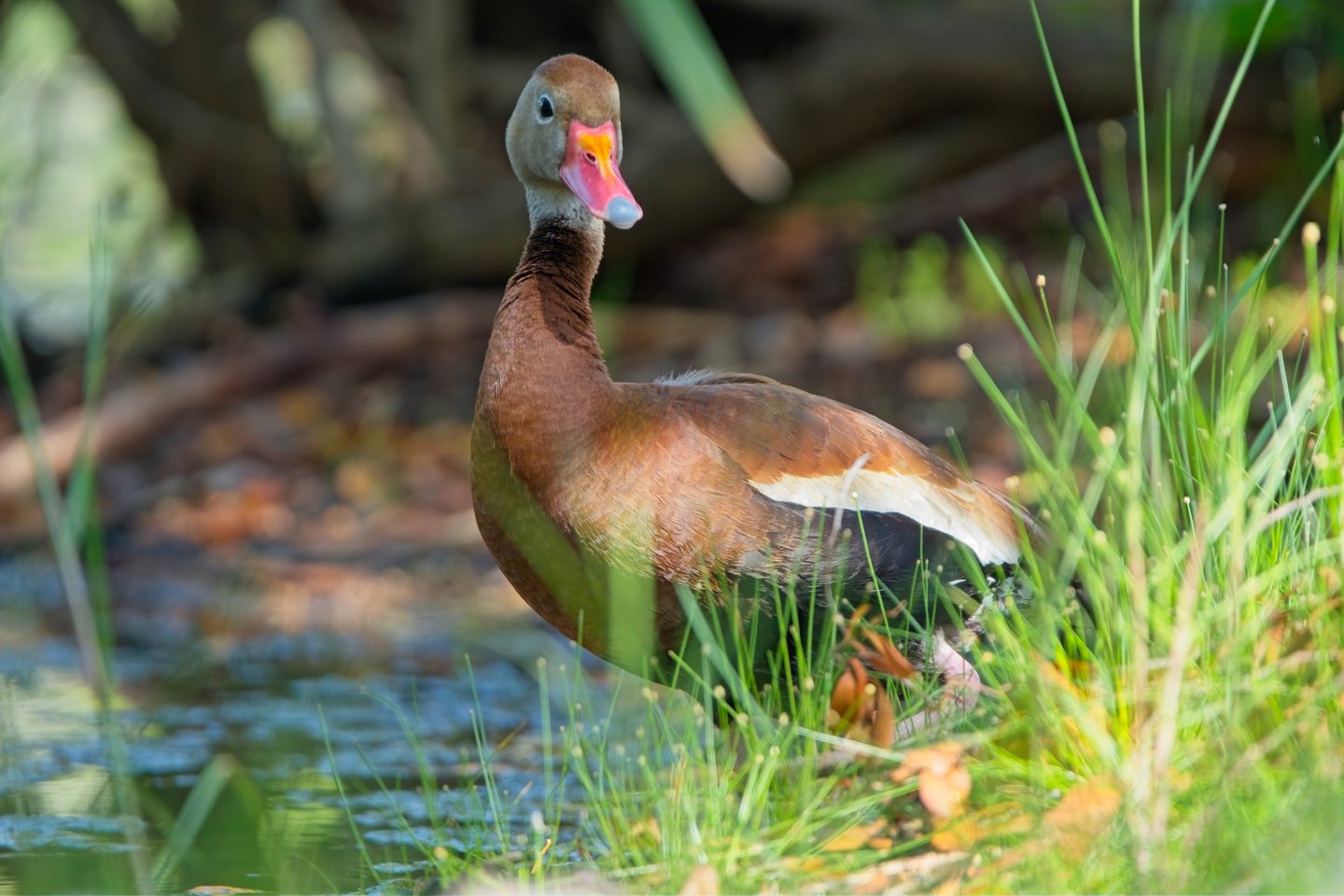
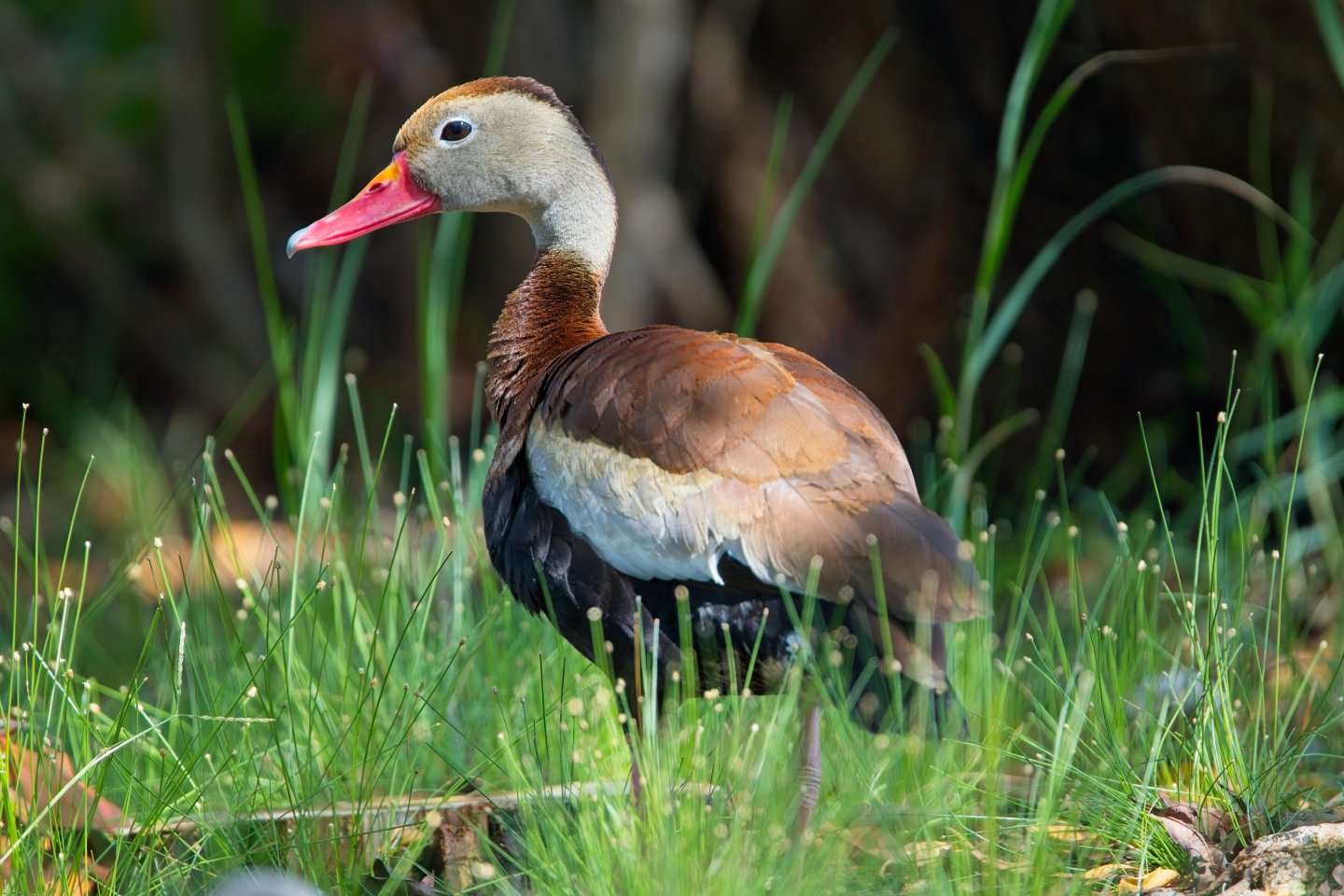
A Black Bellied Whistling Duck stands gracefully in the shallow water at Lakes Park, partially obscured and framed by tall green reeds in the foreground. Its presence is a quiet marvel, its long pink legs submerged in the calm water that reflects soft greens and blues from the surrounding foliage and sky. The duck faces left, its distinctive reddish-pink bill and pale gray head contrasting beautifully with its warm brown body and the prominent white stripe along its flank.

This bird presents a striking anomaly among North American waterfowl. Its vivid pink bill and long legs are unique field marks that make it instantly recognizable in this serene freshwater habitat. The visual cue of the white stripe along its side is actually formed by its secondary flight feathers, visible even when the duck is at rest.

These ducks spend their time foraging patiently in shallow, calm waters, wading through the water or grazing on adjacent shorelines. As primarily herbivorous birds, they feed on seeds, leaves, and stems of aquatic vegetation. This behavior is a common occurrence for them, often observed in places like Lakes Park.

Unlike many waterfowl that quack, these ducks communicate with clear, high-pitched whistles, often heard as a melodic sound across the water. They are also highly gregarious, frequently found in social groups or flocks, demonstrating a strong social bond even during the breeding season.

Bathed in soft, natural light, this creature embodies the calm resilience of Lakes Park. Its presence is a testament to its unique design, living year-round in these abundant freshwater environments and continually redefining our expectations of waterfowl.

The Pink-Legged Enigma of Black Bellied Whistling Ducks at Lakes Park

The Pink-Legged Enigma of Black Bellied Whistling Ducks at Lakes Park

The Pink-Legged Enigma of Black Bellied Whistling Ducks at Lakes Park

See more photos on Instagram

Wednesday, August 12, 2026

The Still Hunter of American Alligators at Lakes Park

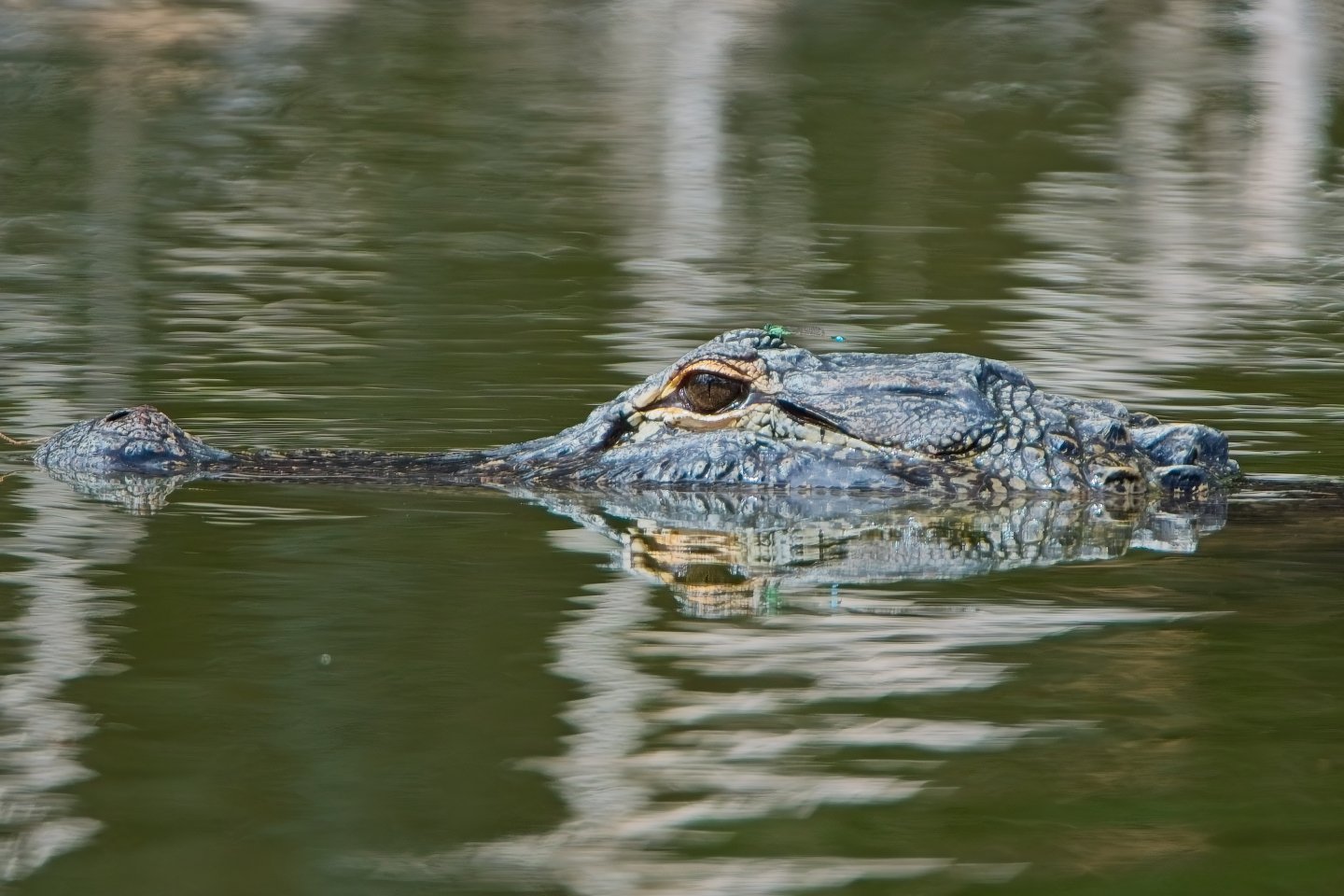
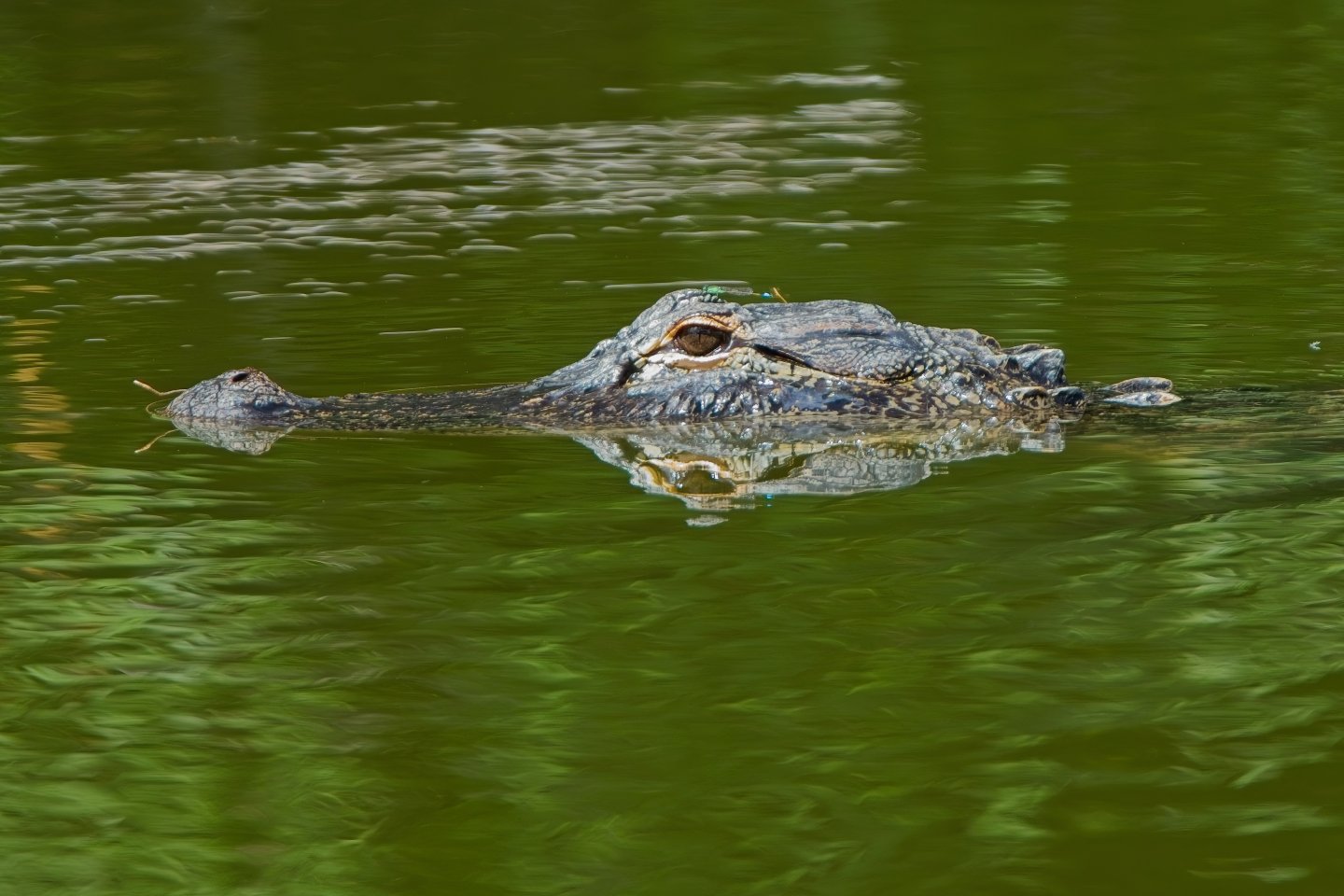
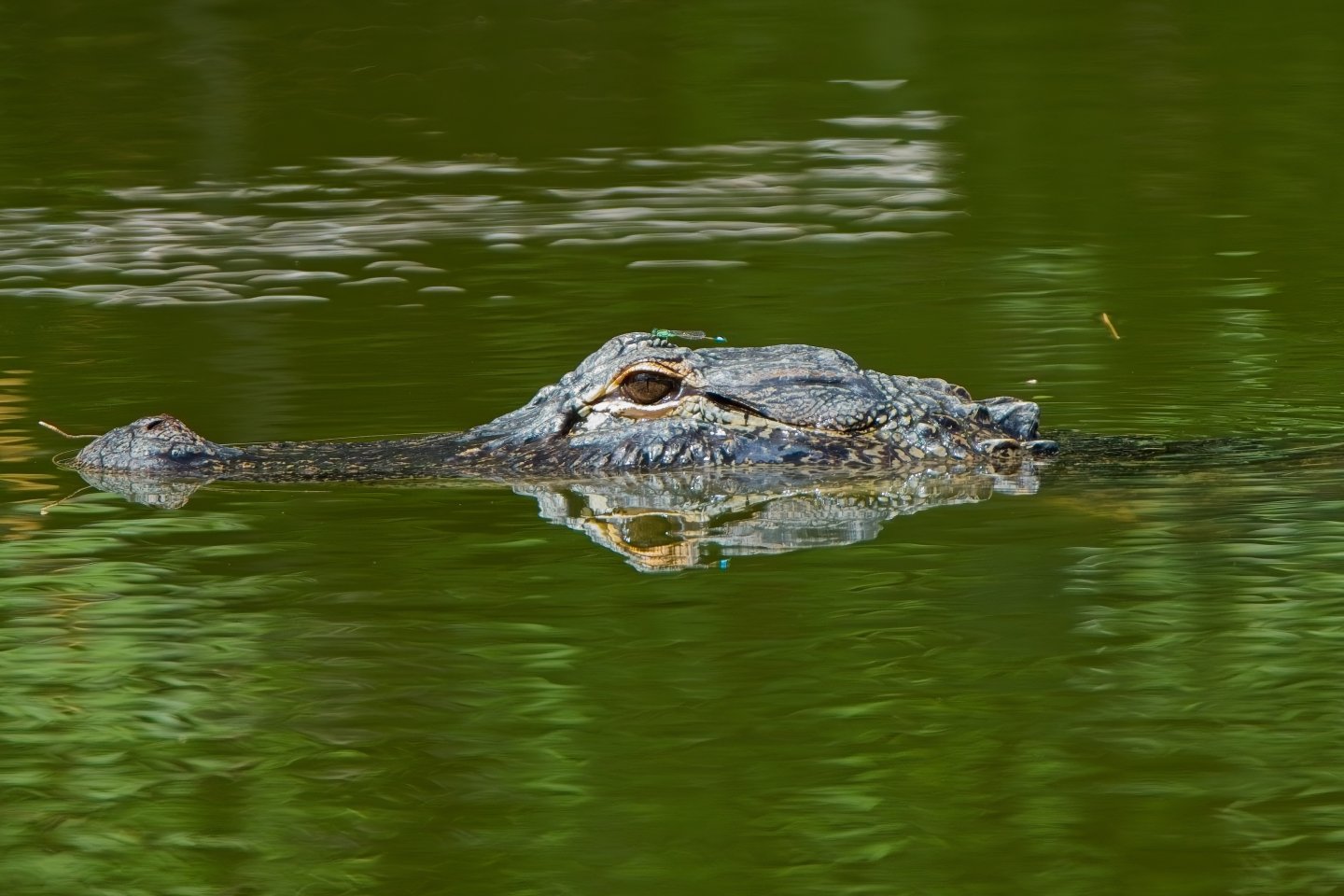
Green damselfly clings to ancient, textured skin as it finds purchase on the surface of murky green water in Lakes Park. A dominant eye breaks the water's surface, reflecting perfectly on the gently rippling surface—a silent sentinel waiting beneath the surface.

Below the water, the massive body remains almost entirely hidden, defining the freshwater habitats of Florida. The American alligator masters the art of stillness, remaining motionless for extended periods to serve as a stable basking platform for insects like damselflies that perch upon its back. This prolonged stillness allows for pristine reflections on calm water surfaces, perfectly masking the presence of this powerful ambush predator.

The texture of the head and jaws is remarkable; these areas are covered with bony plates called osteoderms embedded in leathery skin. Furthermore, specialized integumentary sensory organs aid detection in murky conditions, allowing the reptile to perceive subtle vibrations and pressure changes in the water while submerged.

Alligators possess excellent vision, even in low light, thanks to a special reflective layer in their eyes that helps them see what others cannot. Their eyes, ears, and nostrils are positioned high on the head, enabling them to remain mostly submerged while still perceiving their surroundings and breathing effortlessly.

As ectotherms, these reptiles expertly regulate their body temperature by moving between sun and water, often exposing parts of their bodies for heat exchange or cooling. The American alligator is a common sight in this region, with an estimated 1.3 million individuals found across Florida.

The Still Hunter of American Alligators at Lakes Park

The Still Hunter of American Alligators at Lakes Park

The Still Hunter of American Alligators at Lakes Park

See more photos on Instagram

Tuesday, August 11, 2026

Observing the Yellow-crowned Night Heron at J.N. Ding Darling Refuge

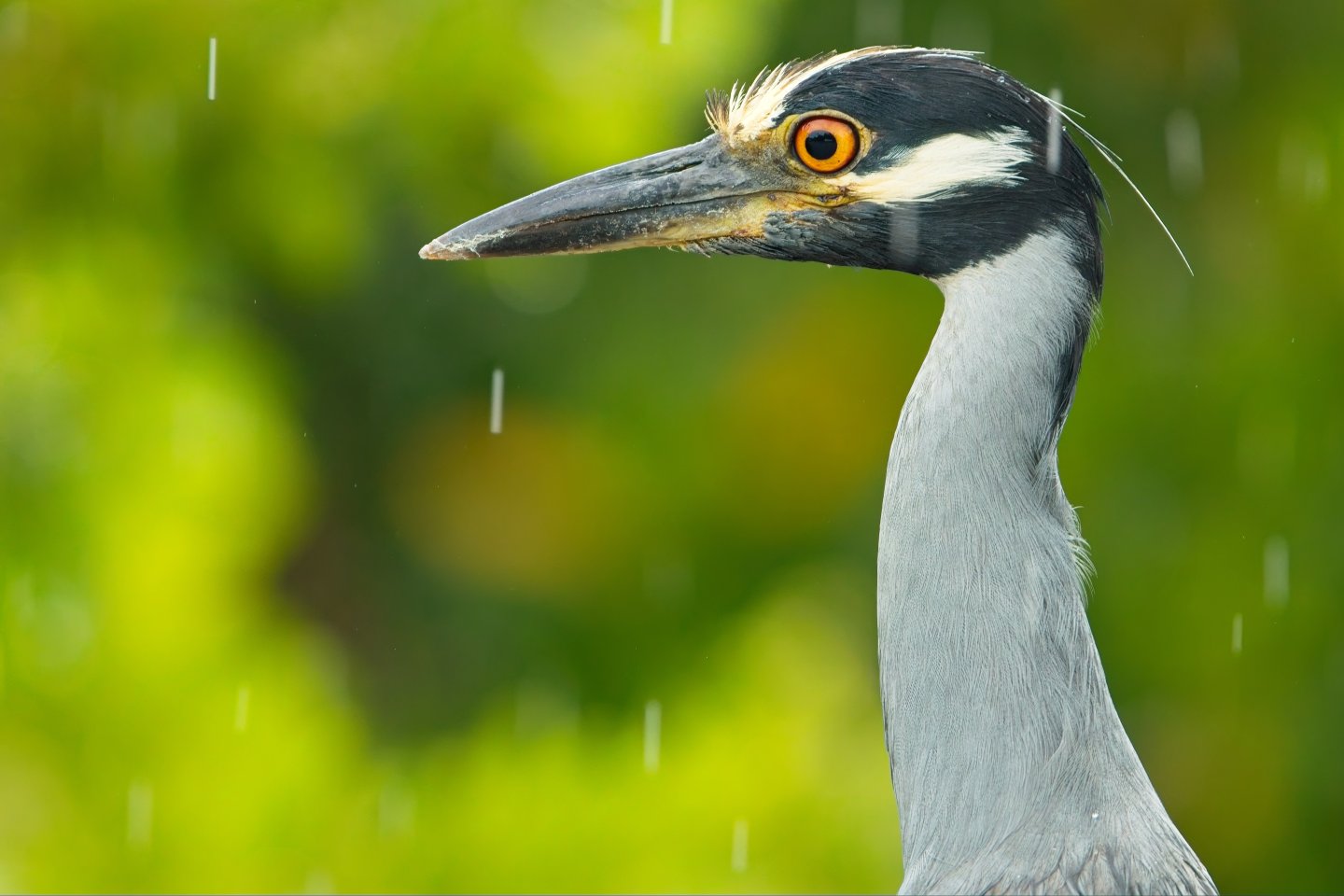
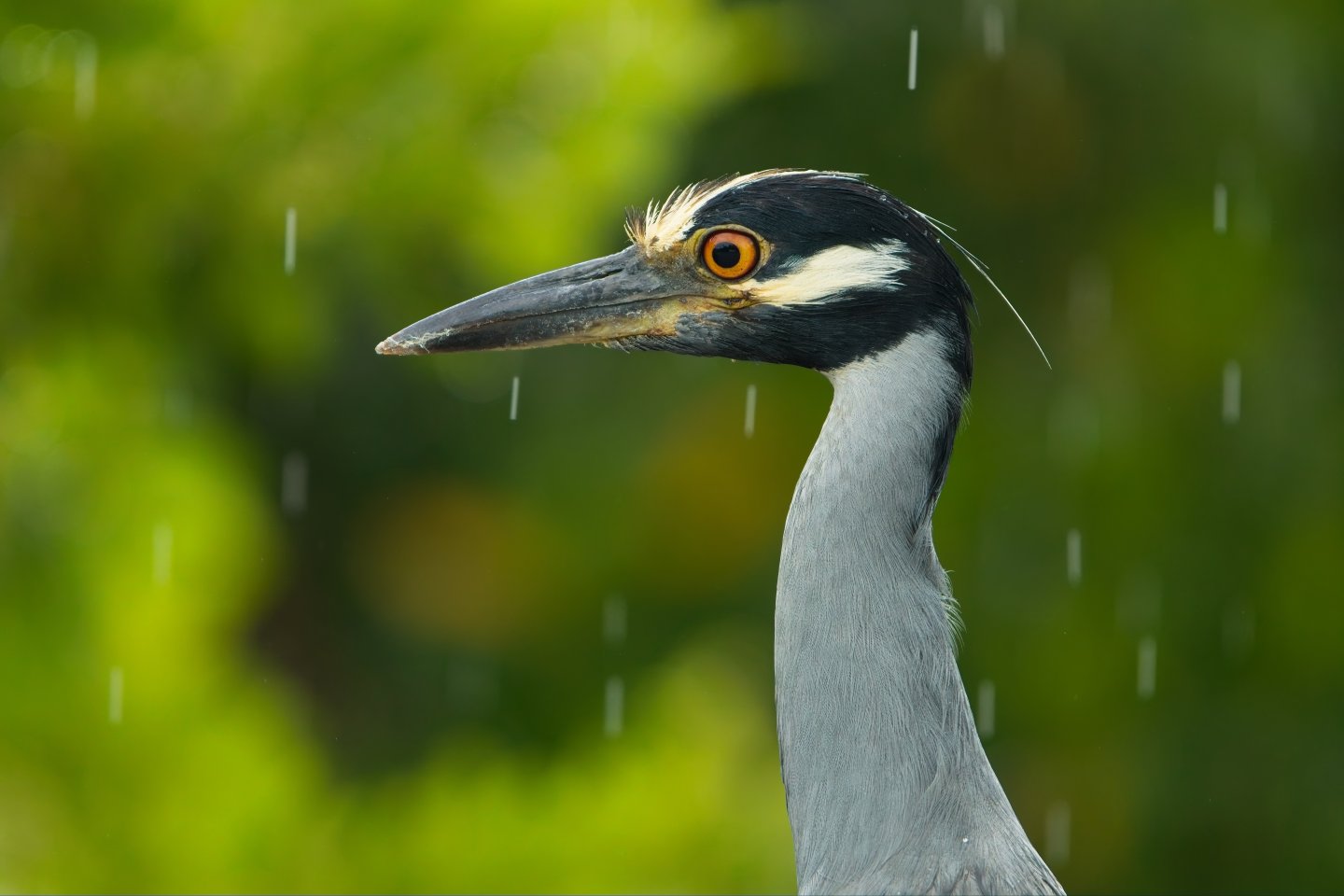
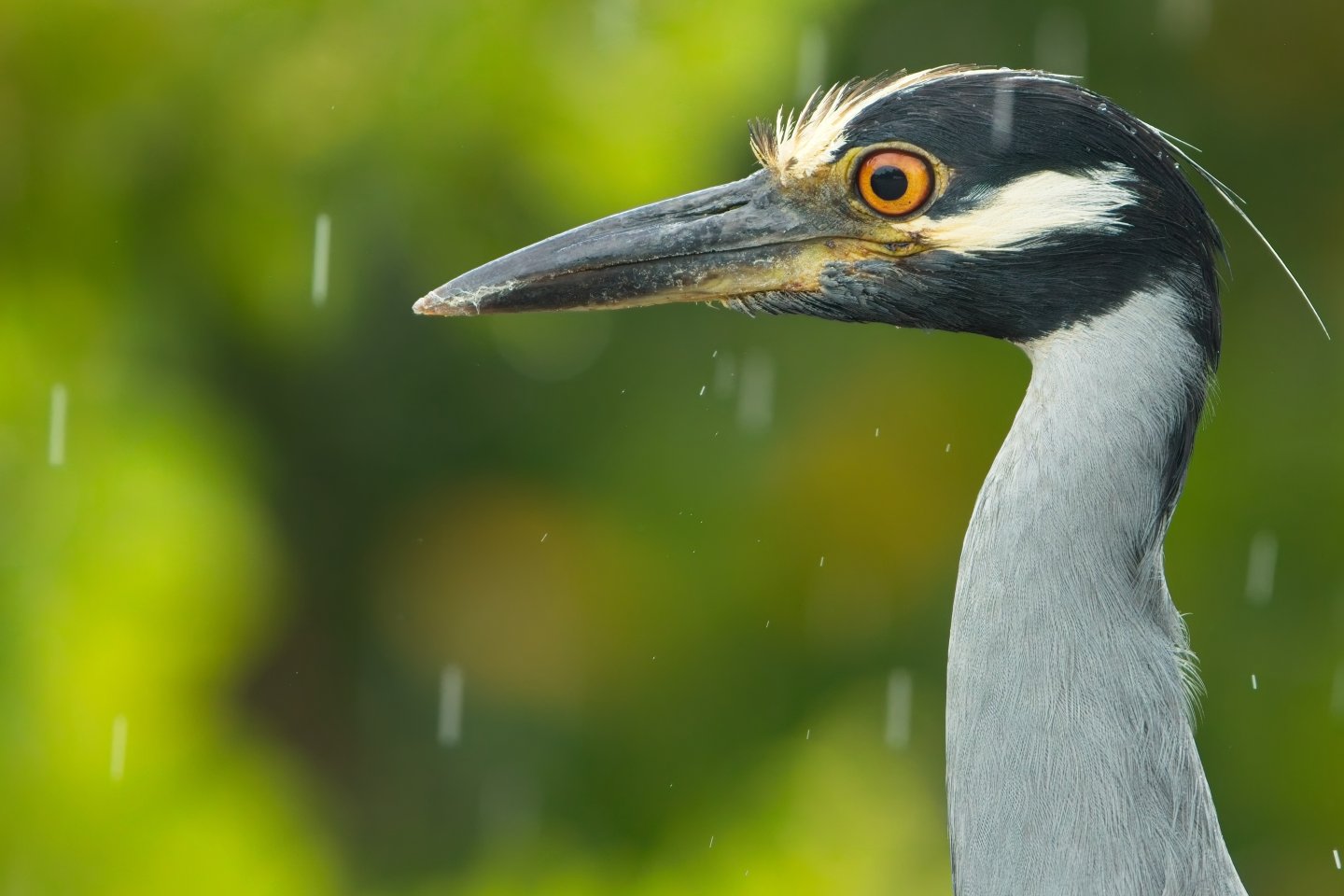
The beauty of the J.N. Ding Darling National Wildlife Refuge is often found in the quiet persistence of its residents, and few creatures embody this perfectly like the Yellow-crowned Night Heron. As soft rain falls across the lush environment, this heron endures the shower, a silent figure perfectly adapted to the mangrove and tidal flat habitats that define this crucial ecosystem.

When observed in this setting, the details of the bird reveal a creature deeply connected to its environment. The adult heron displays an intricate pattern of gray and black across its body plumage, featuring a striking reddish-orange eye that serves as an intense focal point against its head. This magnificent coloring is further defined by the distinct white cheek patch extending from behind the eye—a key mark for identification.

This specialist hunts using patience, employing a careful stand-and-wait strategy to ambush unsuspecting prey. Its specialized, stout bill is perfectly adapted for seizing and prying crustaceans, skillfully extracting crabs from their burrows in the mud and sand of its estuarine domain.

The refuge provides the vital stage for this heron, which is a consistent, year-round resident throughout much of Florida. While they may often be crepuscular, Yellow-crowned Night Herons can actively forage during daylight hours when prey is readily accessible. Watching them move through this landscape offers a profound glimpse into nature's subtle mastery of its coastal world.

Observing the Yellow-crowned Night Heron at J.N. Ding Darling Refuge

Observing the Yellow-crowned Night Heron at J.N. Ding Darling Refuge

Observing the Yellow-crowned Night Heron at J.N. Ding Darling Refuge

See more photos on Instagram

Monday, August 10, 2026

The Pink Specter of J.N. Ding Darling: Life in the Shallows

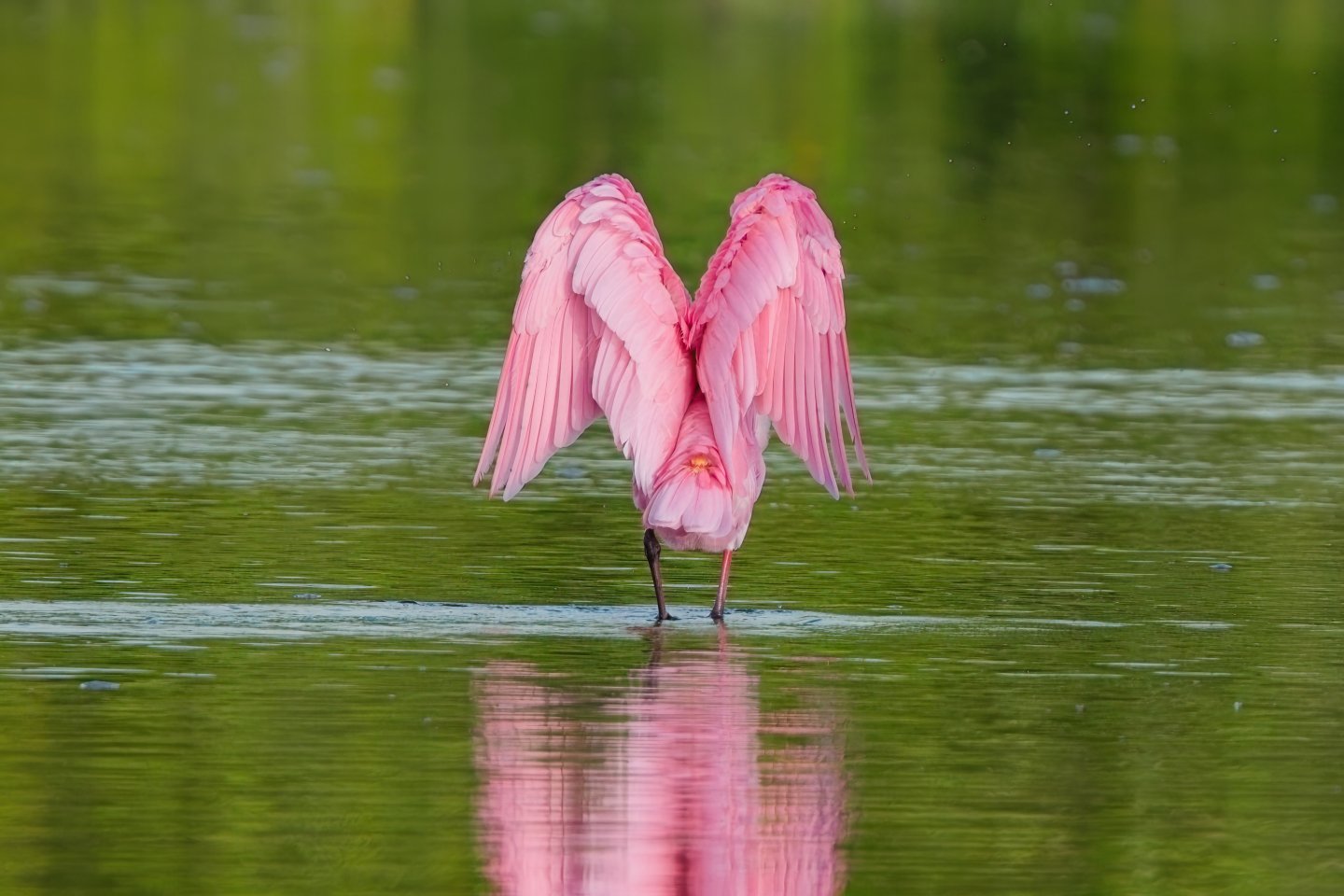
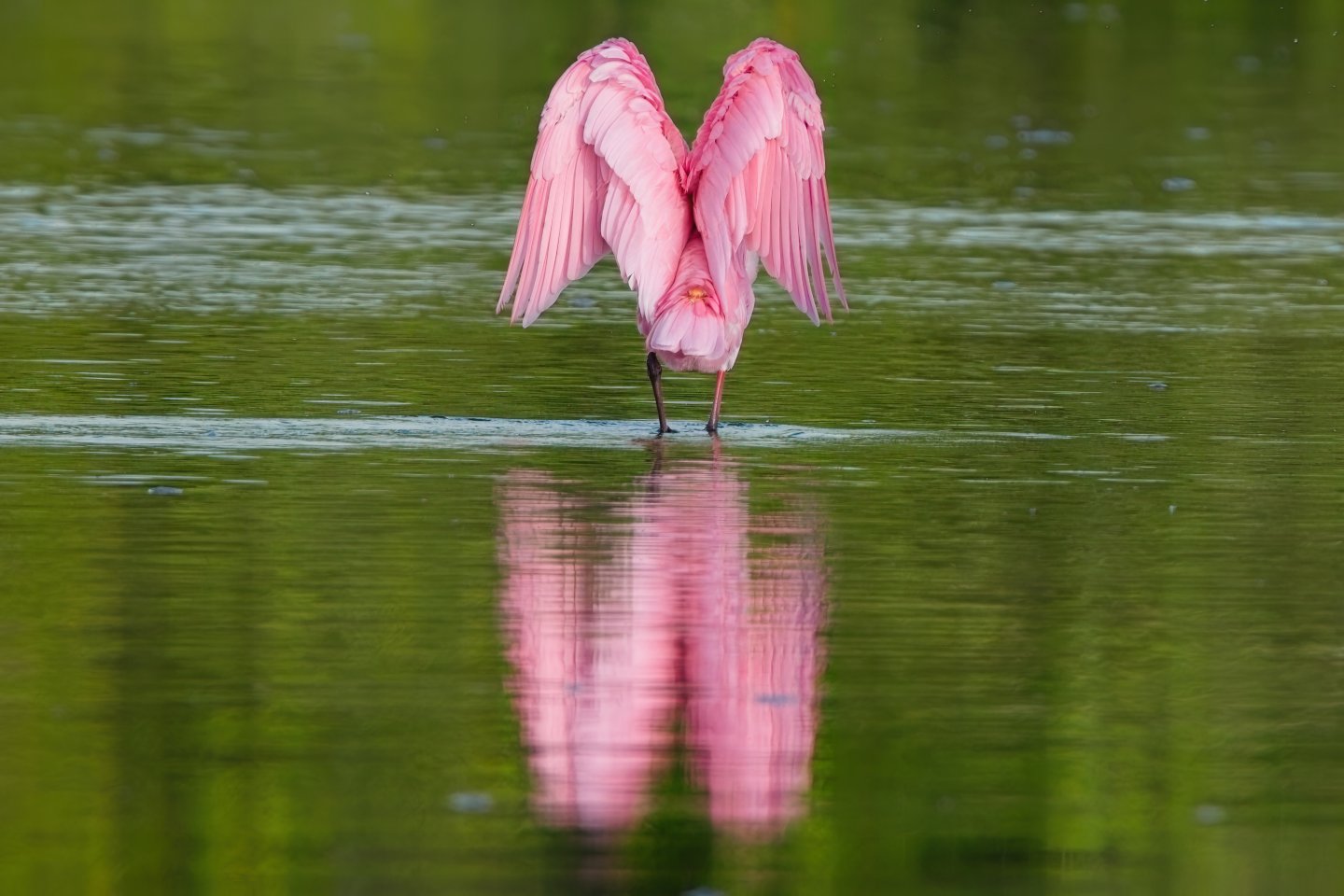
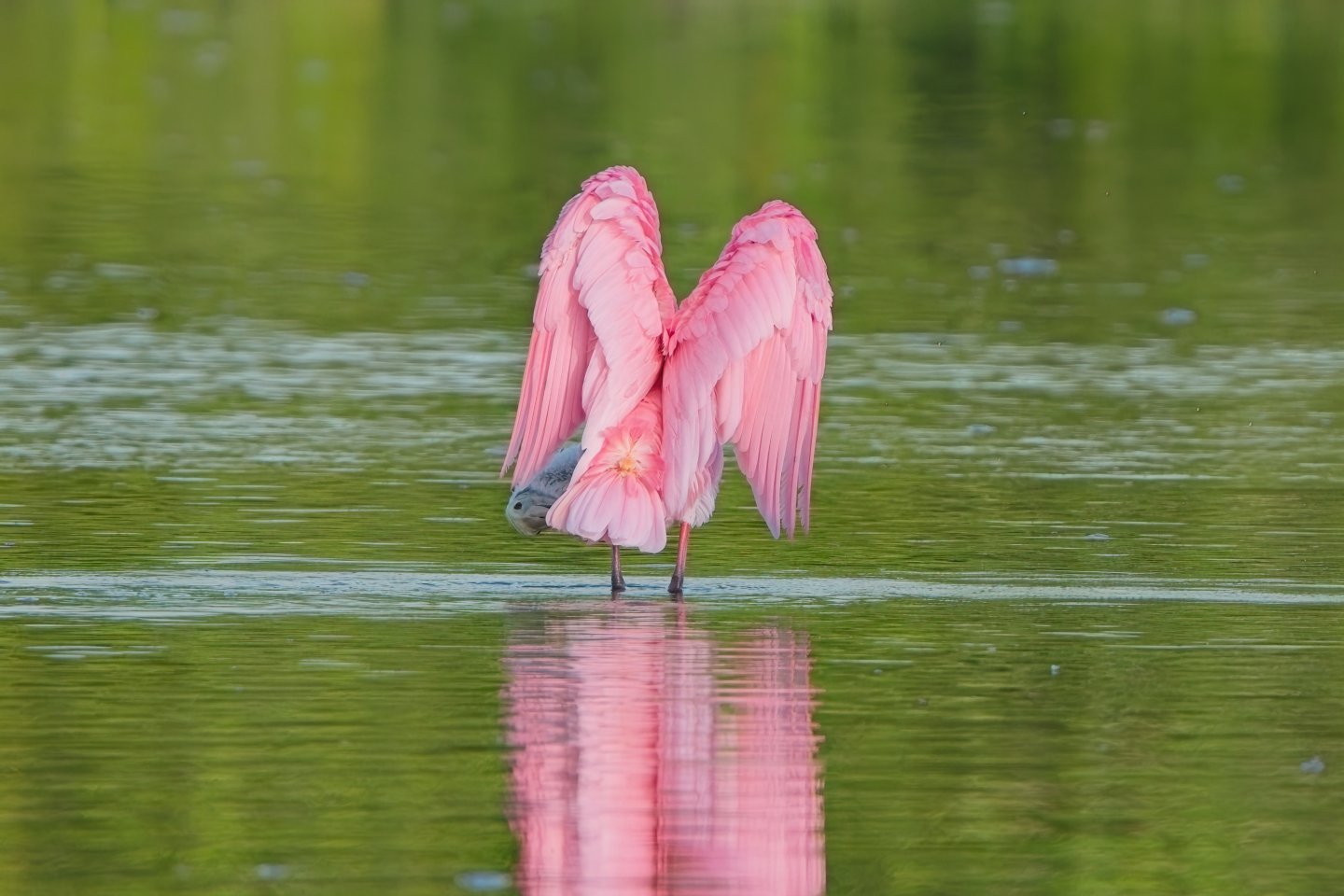
A vibrant Roseate Spoonbill is captured from behind, standing gracefully in the calm, green waters of J.N. Ding Darling National Wildlife Refuge. Its strikingly pink wings are spread wide and angled upwards, creating an elegant shape as its head dips into the water, engaging with the shallow environment. The soft light illuminates its feathers, casting a clear reflection upon the water's surface.

This stunning bird thrives in the sheltered waters of the refuge, which provides crucial undisturbed feeding and roosting habitat. Roseate Spoonbills prefer these shallow, calm estuarine environments, often found within the mangrove-lined lagoons where they can efficiently forage for food. They navigate these areas by sweeping their unique, flattened bill from side to side, using sensory nerve endings to detect prey even in murky water.

The rich pink coloration of the spoonbill is a testament to its diet. These vibrant pigments come from carotenoid sources obtained from shrimp and other invertebrates abundant in Florida's estuarine systems, including small fish and grass shrimp. This feeding strategy allows them to effectively forage in water depths ranging from two to ten inches, enabling precise bill sweeping without full submersion.

The J.N. "Ding" Darling National Wildlife Refuge is vital for the survival of these magnificent birds. Its managed impoundment systems offer essential feeding grounds, and populations often swell significantly during winter months as migratory birds arrive. This protected area plays a key role in the bird's resurgence following threats from the past.

The story of the Roseate Spoonbill is one of resilience—a beautiful reminder of how vital conservation efforts are in safeguarding delicate estuarine ecosystems.

The Pink Specter of J.N. Ding Darling: Life in the Shallows

The Pink Specter of J.N. Ding Darling: Life in the Shallows

The Pink Specter of J.N. Ding Darling: Life in the Shallows

See more photos on Instagram

Sunday, August 9, 2026

Great Blue Heron Hunting Catfish at J.N. Ding Darling National Wildlife Refuge

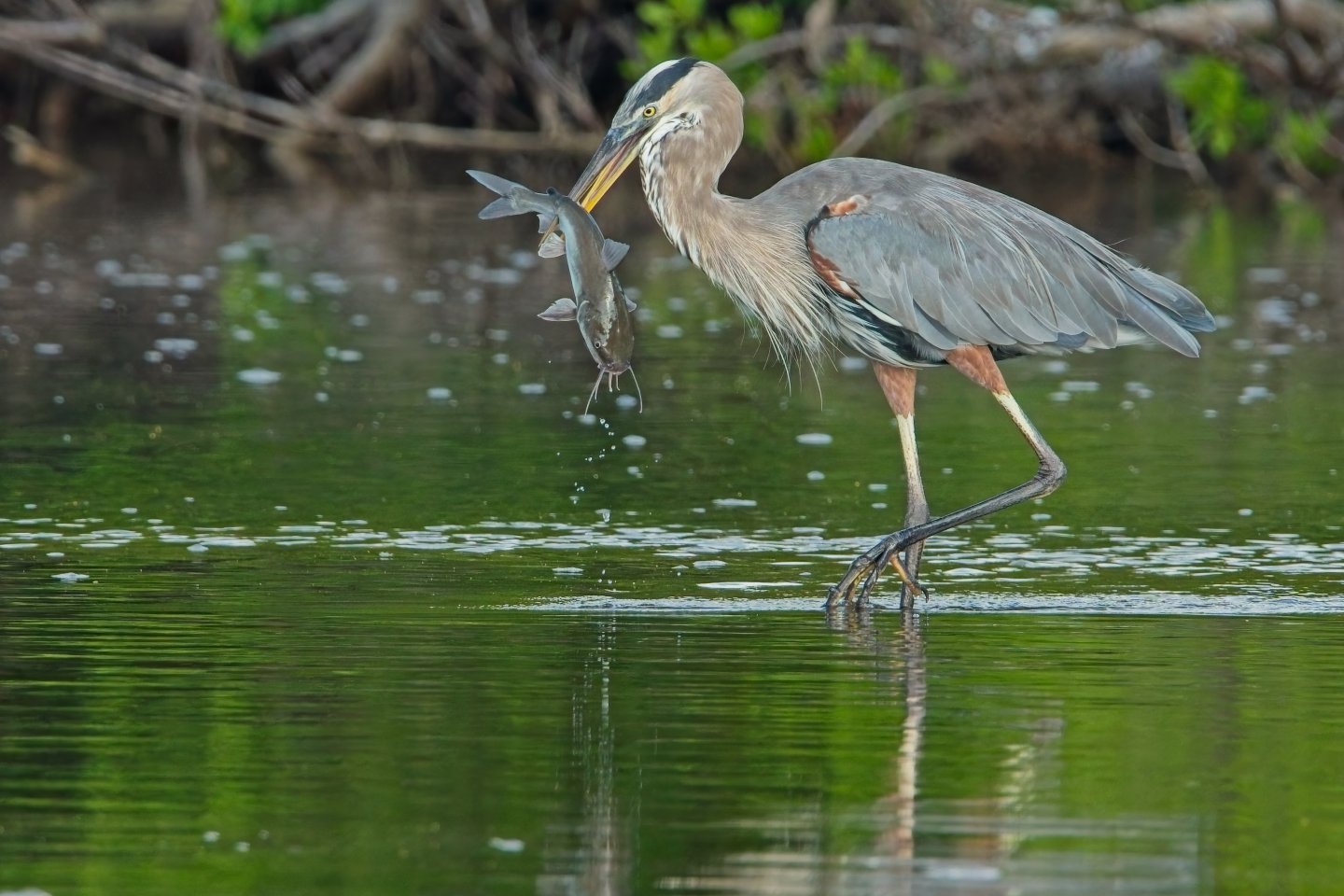
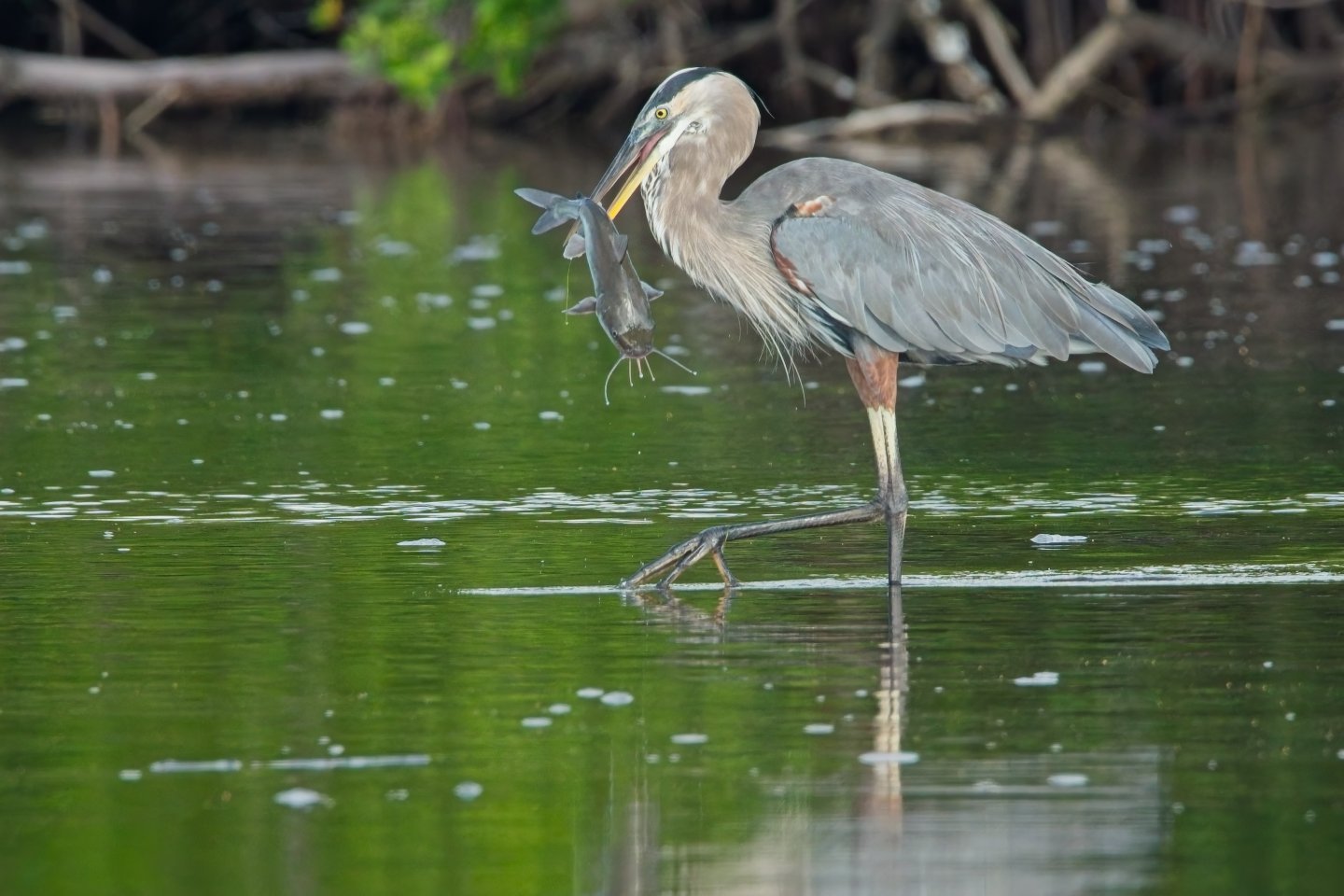
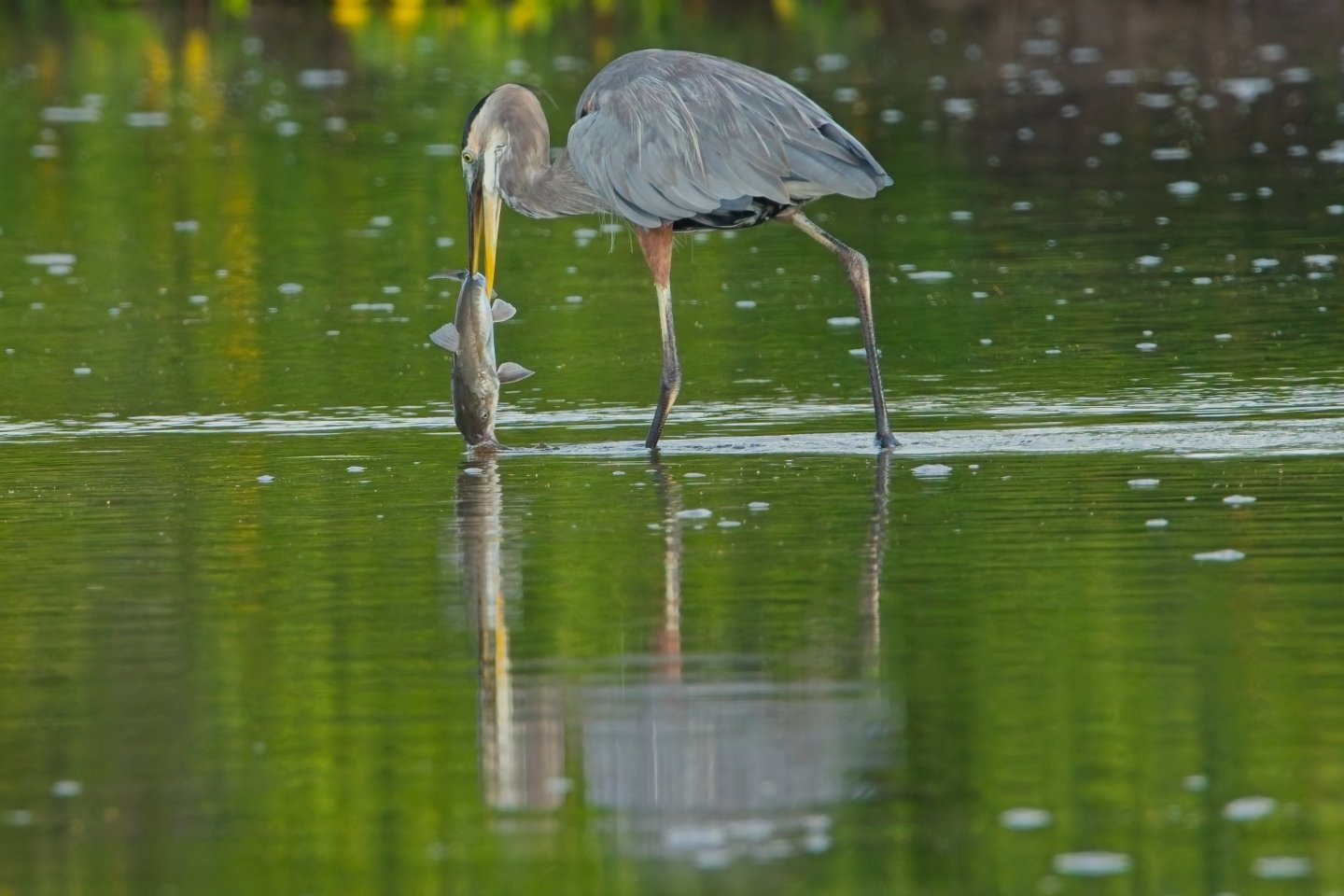
The soft light of the morning illuminates a scene of quiet mastery at the J.N. Ding Darling National Wildlife Refuge. In the shallow, calm green water, a Great Blue Heron is captured in a moment of perfect predation, holding a sizable catfish firmly in its yellow beak. The fish, with its distinct whiskers, is mid-air, dripping water, a testament to the heron's swift and powerful strike.

This magnificent bird embodies the spirit of an ambush predator, standing motionless in the calm waters while waiting for opportunity. Its keen binocular vision allows it to pinpoint prey with precision, even accounting for the refraction of light at the water’s surface. The entire dynamic unfolds within the rich foraging habitat provided by the refuge's network of shallow impoundments and mangrove estuaries.

The heron’s anatomy is perfectly adapted for this life. Its long, S-shaped neck acts like a coiled spring, enabling an extremely rapid and powerful lunge to snatch prey from the water. Furthermore, these birds possess specialized tools; they use a comb-like claw on their middle toe to meticulously clean fish slime and oils from their plumage after a successful hunt.

The J.N. Ding Darling National Wildlife Refuge is a crucial sanctuary for this species, as the refuge offers essential foraging habitat that sustains Great Blue Herons year-round. This consistent availability of aquatic prey, including catfish, crustaceans, and amphibians, underscores the refuge's vital role in supporting these magnificent predators. The scene speaks to an ecosystem thriving, where natural adaptations meet abundant resources.

Great Blue Heron Hunting Catfish at J.N. Ding Darling National Wildlife Refuge

Great Blue Heron Hunting Catfish at J.N. Ding Darling National Wildlife Refuge

Great Blue Heron Hunting Catfish at J.N. Ding Darling National Wildlife Refuge

See more photos on Instagram