Saturday, August 8, 2026

Gentle Giants of J.N. Ding Darling National Wildlife Refuge

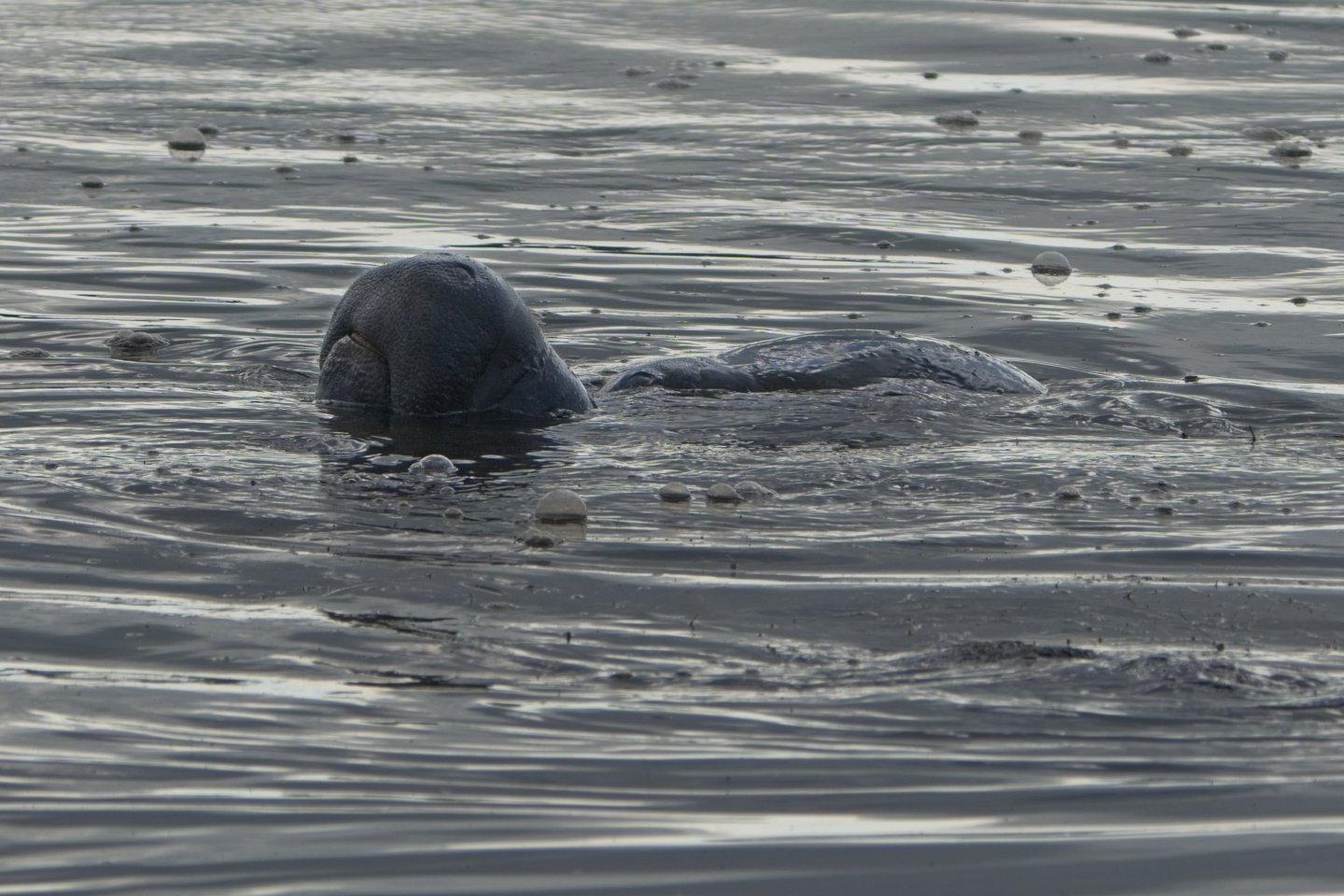
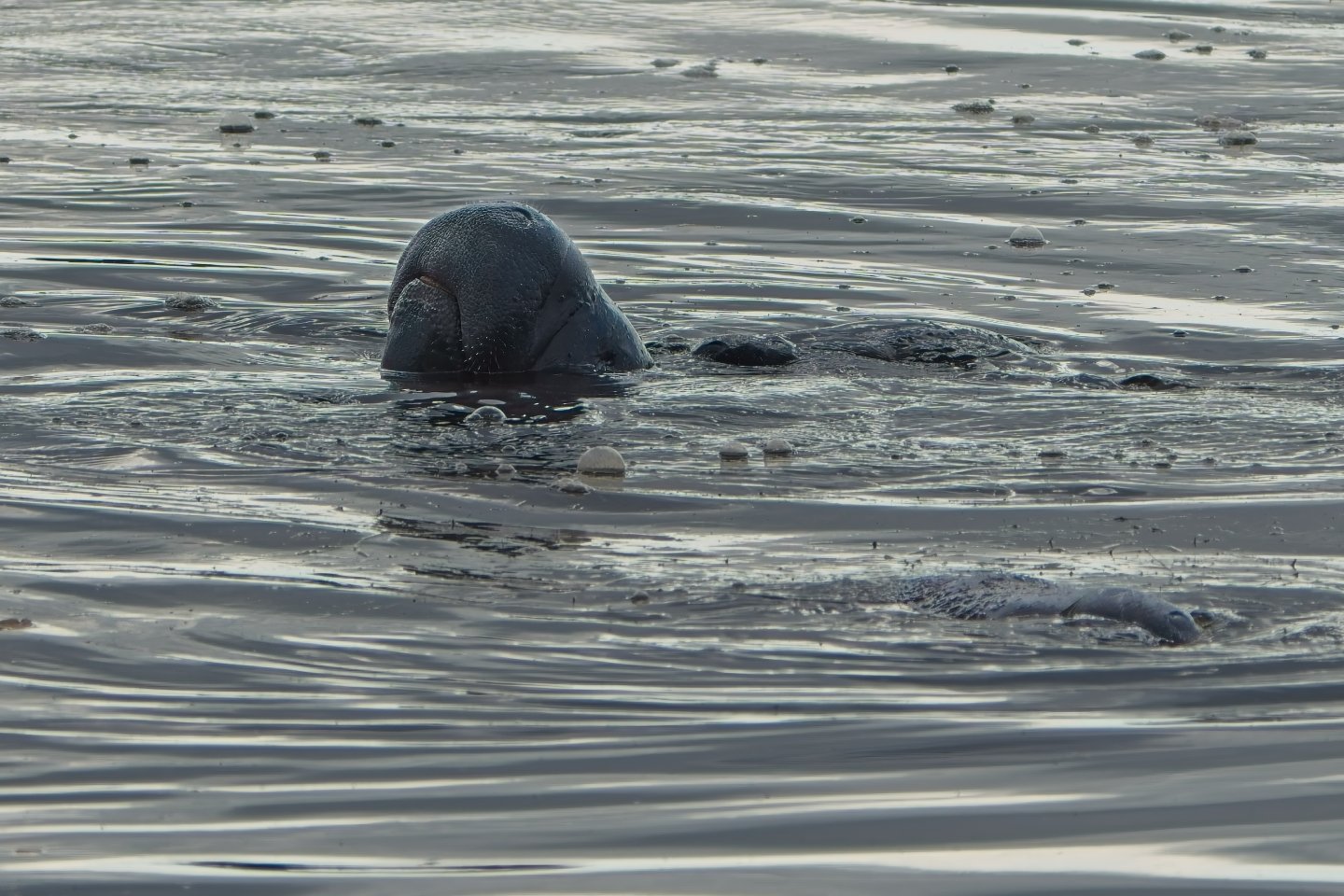
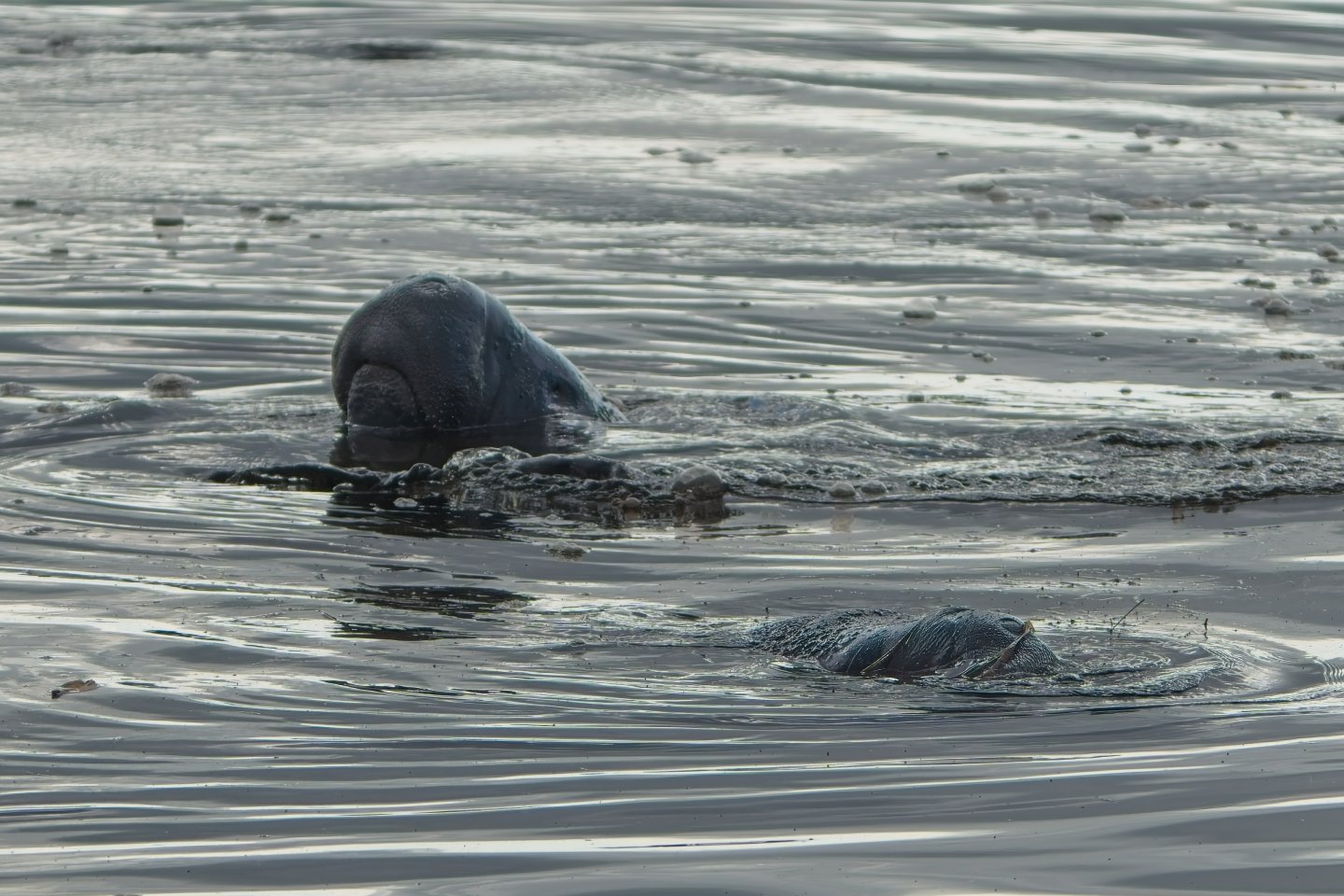
The calm waters of the J.N. Ding Darling National Wildlife Refuge cradle a quiet spectacle as manatees emerge from the surface. Their dark, textured heads and upper backs break the water in soft ripples, catching the diffused light and highlighting the gentle movement of the surface. Bubbles bloom around their bodies as they surface to breathe, a rhythmic display of life in the tranquil shallows.

These gentle giants navigate the calm, shallow waters of the refuge, finding sanctuary within the mangrove estuaries that provide crucial warm-water habitat. The peaceful environment here allows these slow-moving creatures to rest and feed freely throughout the year. Manatees spend much of their time grazing on seagrass and other aquatic vegetation, utilizing the rich underwater landscape for sustenance.

The skin of a manatee is a testament to its life in the water; it is thick, wrinkled, and sparsely covered with short hairs, giving them a uniquely textured appearance. This gentle hide often displays a brownish or greenish hue due to natural algal growth clinging to their skin as they move through the environment.

To explore this underwater world, manatees rely on remarkable sensory tools. They possess highly sensitive vibrissae, or whiskers, densely concentrated around their mouths and faces, which help them explore their surroundings and grasp food among the aquatic plants. Furthermore, despite their seemingly leisurely pace, these animals possess excellent underwater hearing, enabling them to detect subtle sounds in their environment.

Beneath the surface, manatees possess a unique dental structure perfectly adapted to their diet. They have a fascinating characteristic known as marching molars, where their teeth are continuously replaced from the back of the jaw, steadily moving forward as they graze on aquatic vegetation. Within this protected refuge, these magnificent creatures embody a peaceful strength, thriving in the waters that sustain them.
Gentle Giants of J.N. Ding Darling National Wildlife Refuge

Gentle Giants of J.N. Ding Darling National Wildlife Refuge

Gentle Giants of J.N. Ding Darling National Wildlife Refuge

See more photos on Instagram

Friday, August 7, 2026

Title Swallow-tailed Kites Survey J.N. Ding Darling National Wildlife Refuge

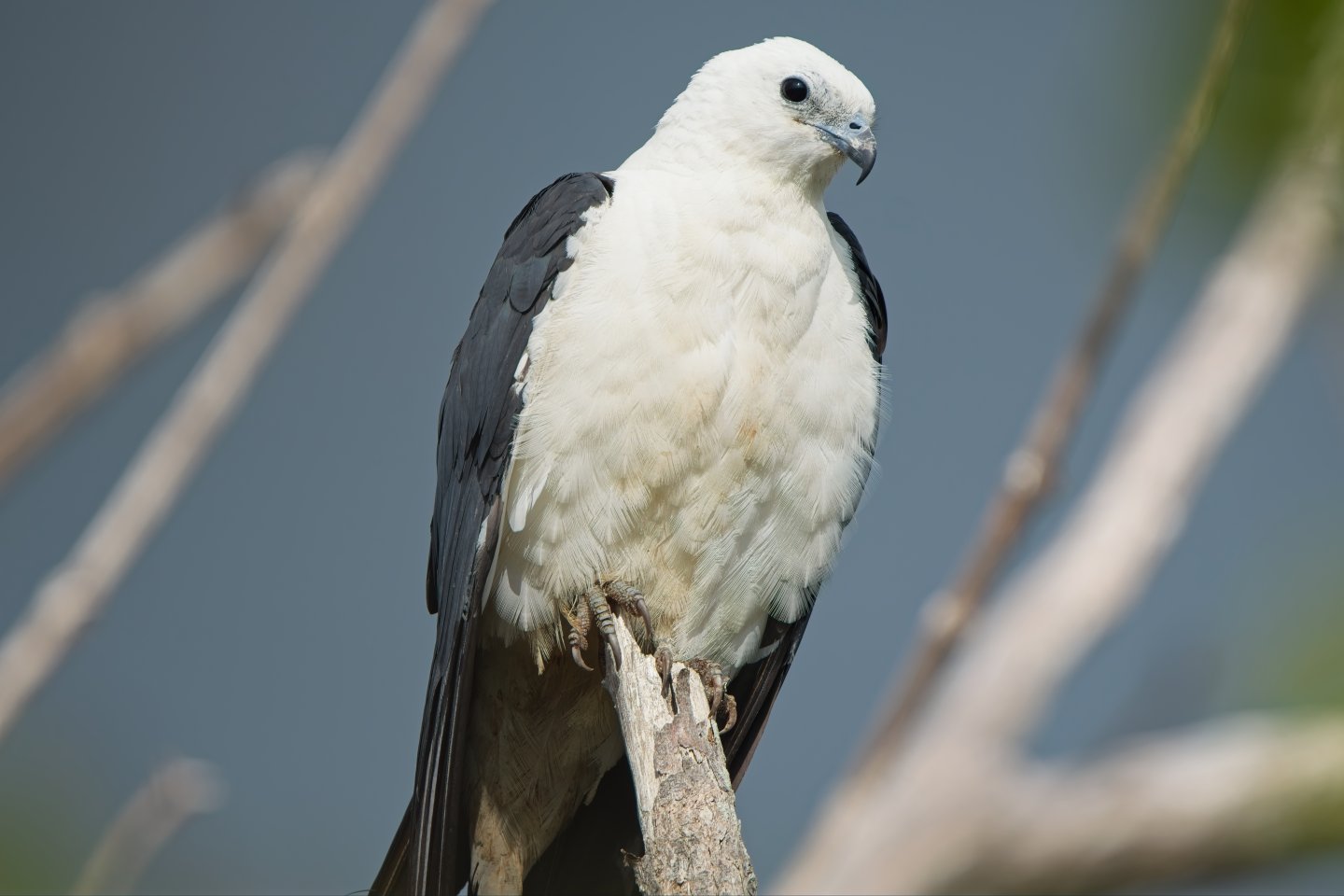
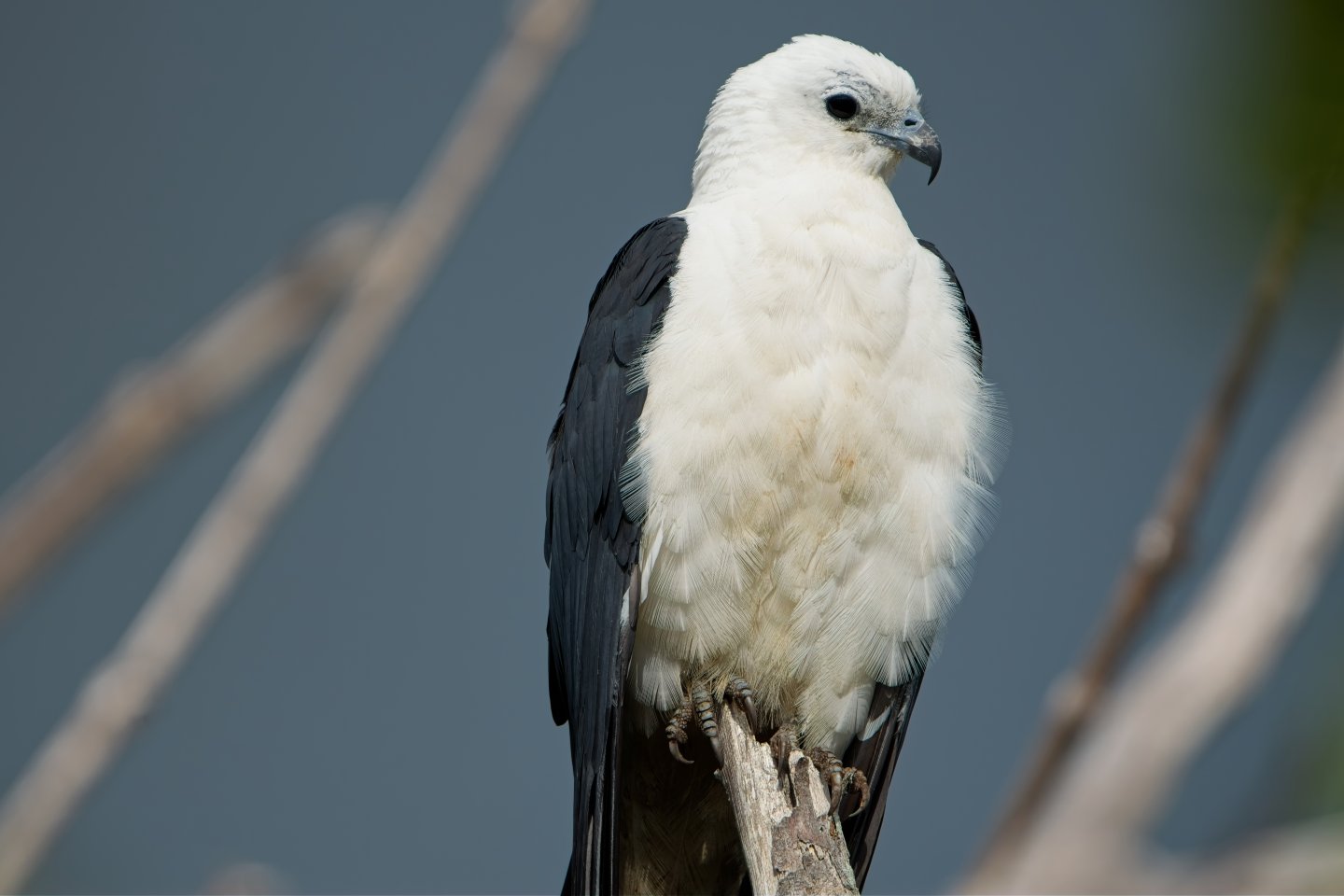
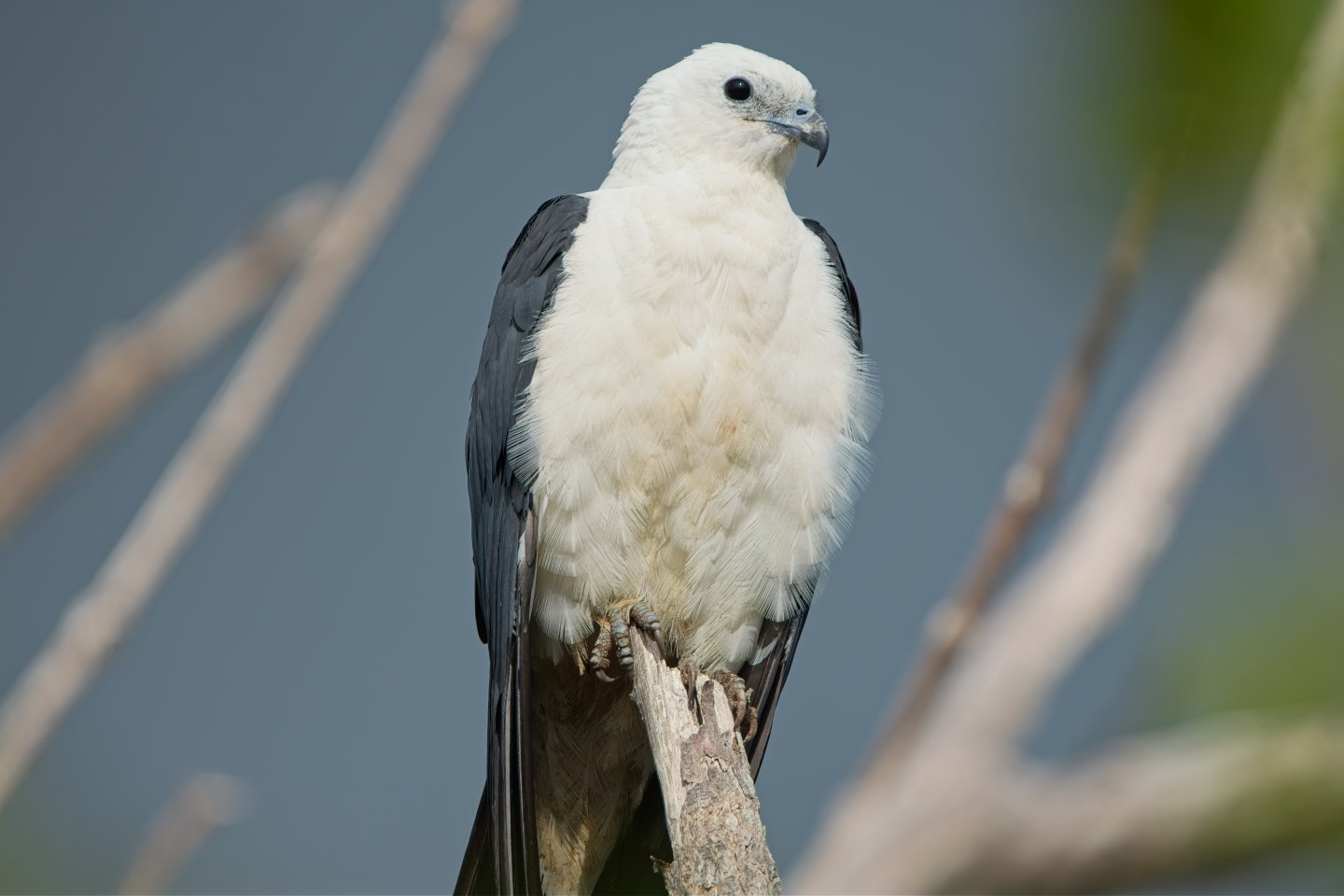
A sudden turn of feathered head breaks the morning stillness in the J.N. Ding Darling National Wildlife Refuge. Perched prominently on a textured, light brown branch, the Swallow-tailed Kite presents a breathtaking contrast: pure white plumage on its head and body sharply defines its dark black wings and back feathers. Bright natural light illuminates the kite, making its presence stark against the soft, out-of-focus blue-grey background of the wetland foliage.

This magnificent raptor uses these elevated perches to survey its surroundings, a behavior common for swallow-tailed kites as they rest or scan for their next meal. The keen, dark eyes are characteristic of raptors, granting them the sharp binocular vision essential for spotting small prey across the landscape.

The ecosystem of the J.N. Ding Darling National Wildlife Refuge serves as a crucial summer breeding and feeding ground for these birds. They rely on the dense cypress and pine trees here for suitable high perches, providing ideal spots for nesting and communal roosting sites throughout the season.

As they hunt, the kite’s sharply hooked beak is adapted for tearing small items, yet they are masters of aerial hunting, often catching insects in flight rather than landing to consume them. Their diet in this vibrant Florida habitat includes a variety of prey such as arboreal lizards, tree frogs, small snakes, and countless large insects.

When summer begins to wane, the behavior of these aerial hunters shifts dramatically. Before migrating south for the winter, thousands of Swallow-tailed Kites gather in massive communal roosts within the tall trees, marking the culmination of their breeding season and preparation for the long journey ahead.

Title Swallow-tailed Kites Survey J.N. Ding Darling National Wildlife Refuge

Title Swallow-tailed Kites Survey J.N. Ding Darling National Wildlife Refuge

Title Swallow-tailed Kites Survey J.N. Ding Darling National Wildlife Refuge

See more photos on Instagram

Thursday, August 6, 2026

Pink Strokes in Shallow Water at J.N. Ding Darling Refuge

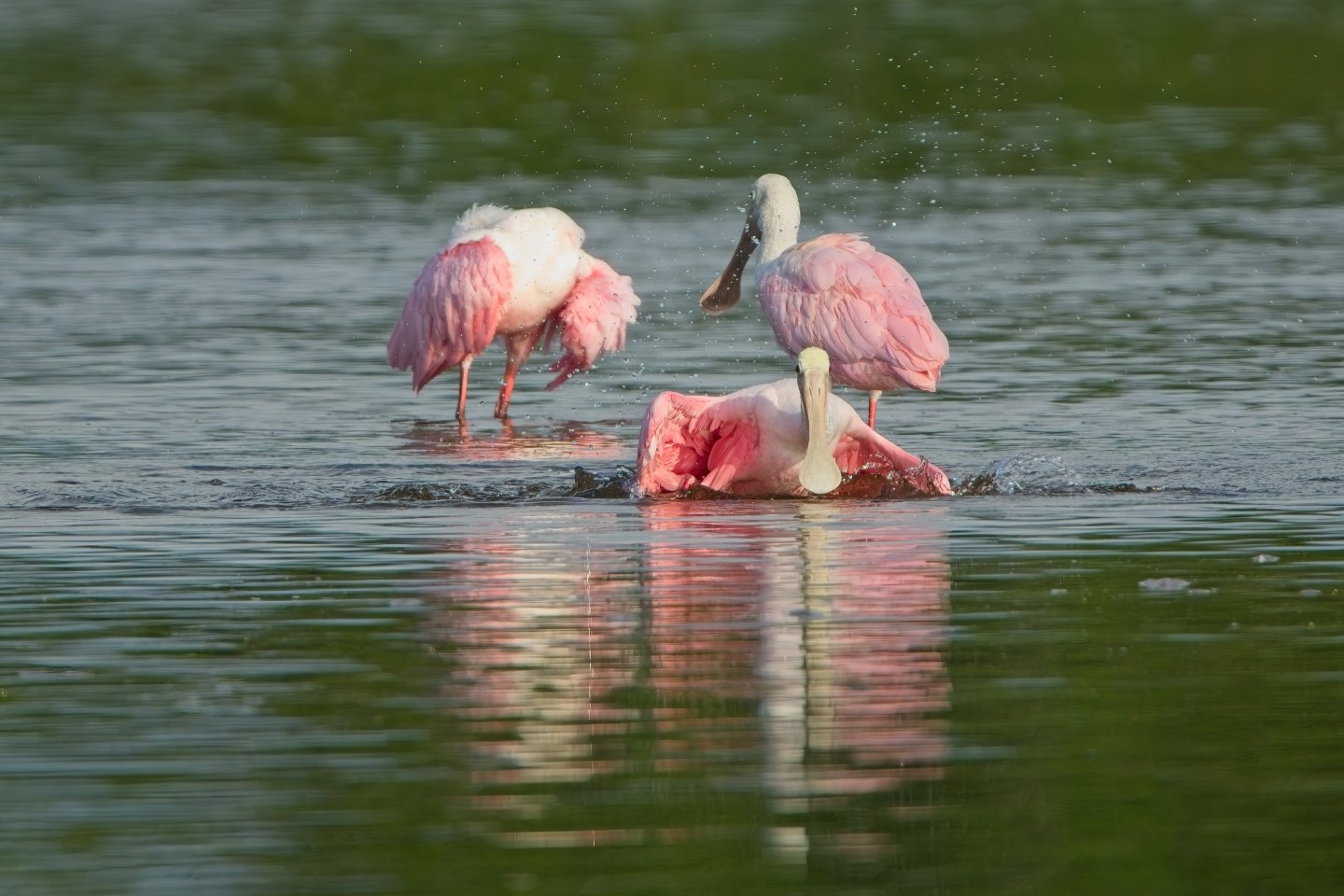
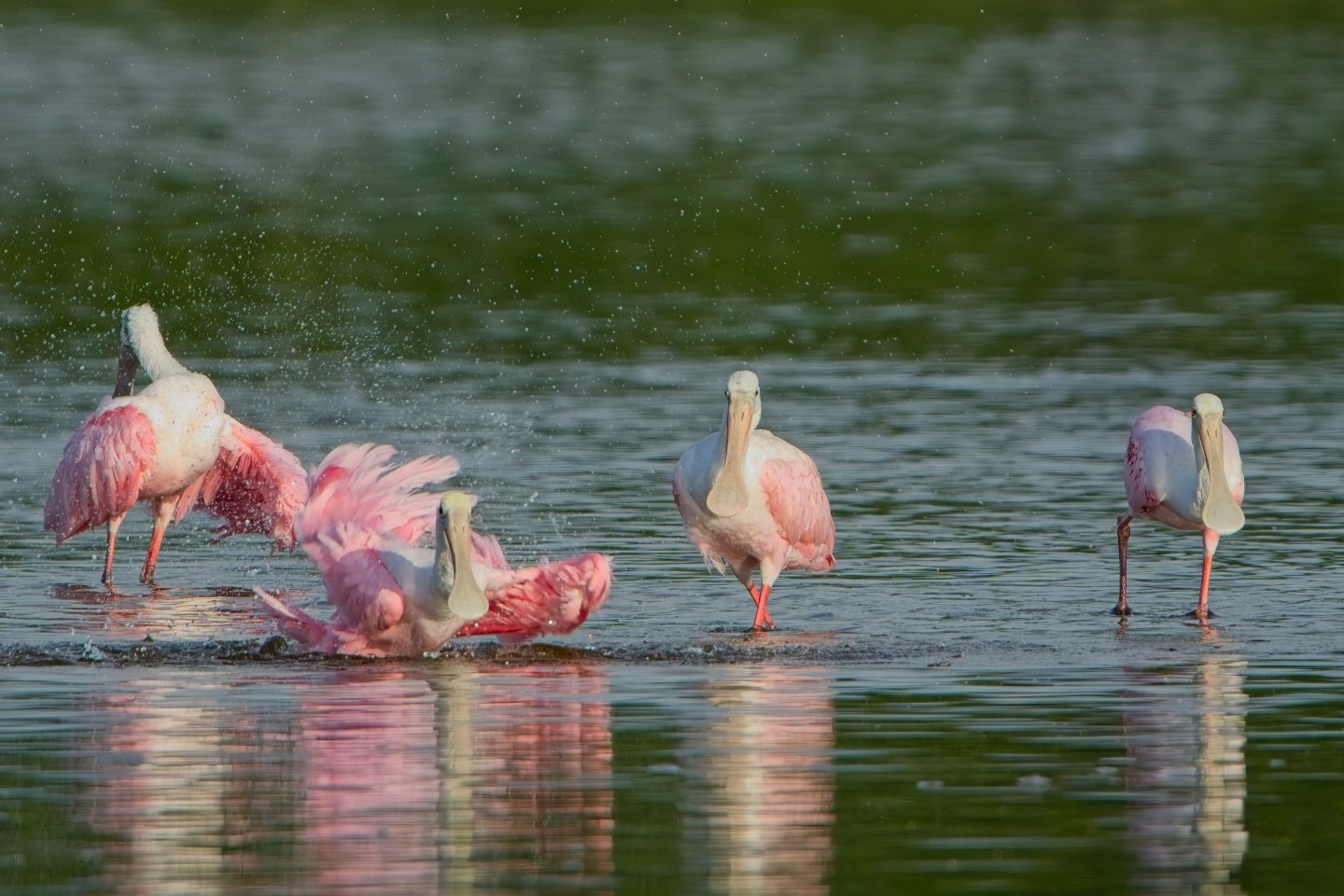
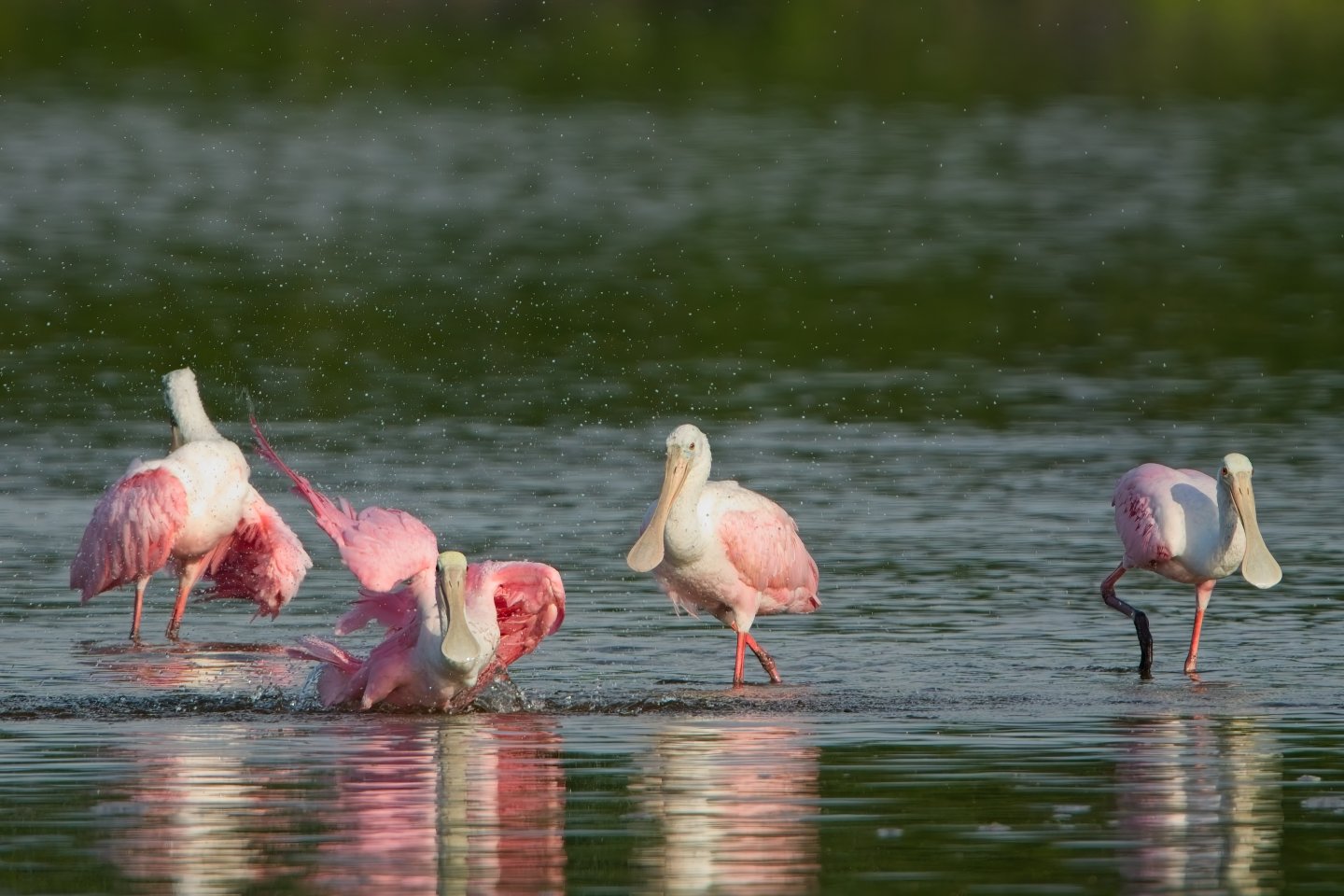
In the quiet expanse of the J.N. Ding Darling National Wildlife Refuge, three Roseate spoonbills are captured in a moment of natural communion with the shallow water. The scene is bathed in clear light as one bird actively submerges itself, sending splashes into the air that reflect the vibrant pink of its plumage. Nearby, another bird shakes its feathers while a third observes the glistening waters, illustrating a beautiful ritual unfolding in their preferred environment.

These wading birds thrive in the shallow estuaries and tidal flats that make up this critical habitat. They prefer these calm waters for both feeding and bathing activities, which is essential for their well-being in this environment. The vigorous splashing serves a crucial purpose: it dislodges external parasites and accumulated grime from their feathers, ensuring they remain clean and dry.

The stunning pink coloration of the Roseate Spoonbill is not accidental; it is a reflection of their diet. This vivid hue comes from carotenoid pigments ingested from crustaceans and other invertebrates in their food source. Following this essential bathing ritual, the birds engage in meticulous preening, shaking and aligning every outer contour feather to maintain their waterproofing and plumage integrity.

The refuge plays an important role in sustaining these magnificent creatures. The management of water levels in the impoundments creates optimal conditions for foraging and bathing, directly benefiting wading birds like the Roseate Spoonbill. As they move through this landscape, their specialized adaptations allow them to thrive, using sensitive nerve endings in their spatulate bills to detect small prey by touch within the water.

Roseate Spoonbills find sanctuary where the habitat supports their unique needs. They are highly social birds, often seen together in these managed wetlands, demonstrating a deep connection to the shallow waters of J.N. Ding Darling National Wildlife Refuge.

Pink Strokes in Shallow Water at J.N. Ding Darling Refuge

Pink Strokes in Shallow Water at J.N. Ding Darling Refuge

Pink Strokes in Shallow Water at J.N. Ding Darling Refuge

See more photos on Instagram

Wednesday, August 5, 2026

Mangrove Cuckoo Watchers in J.N. Ding Darling National Wildlife Refuge

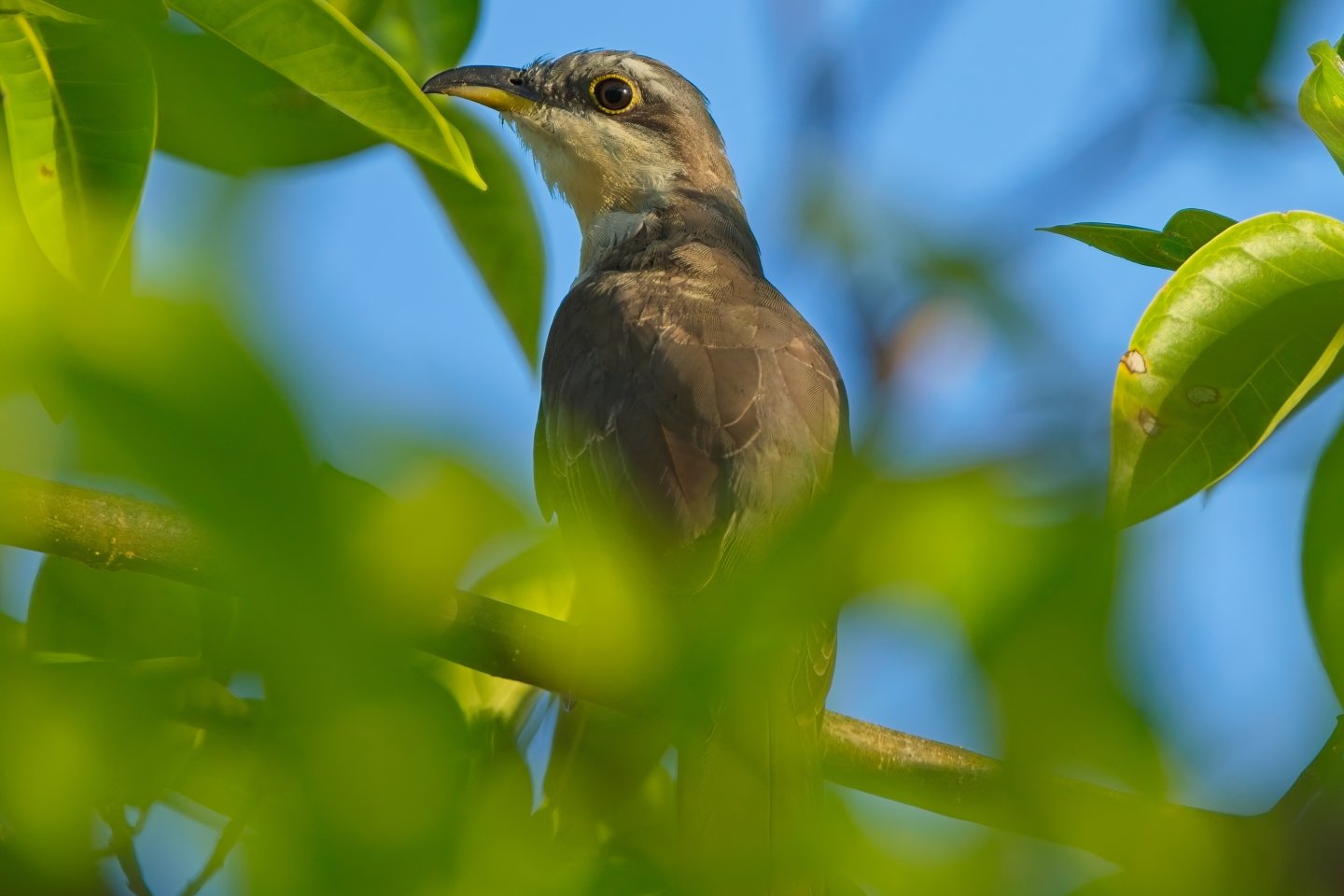
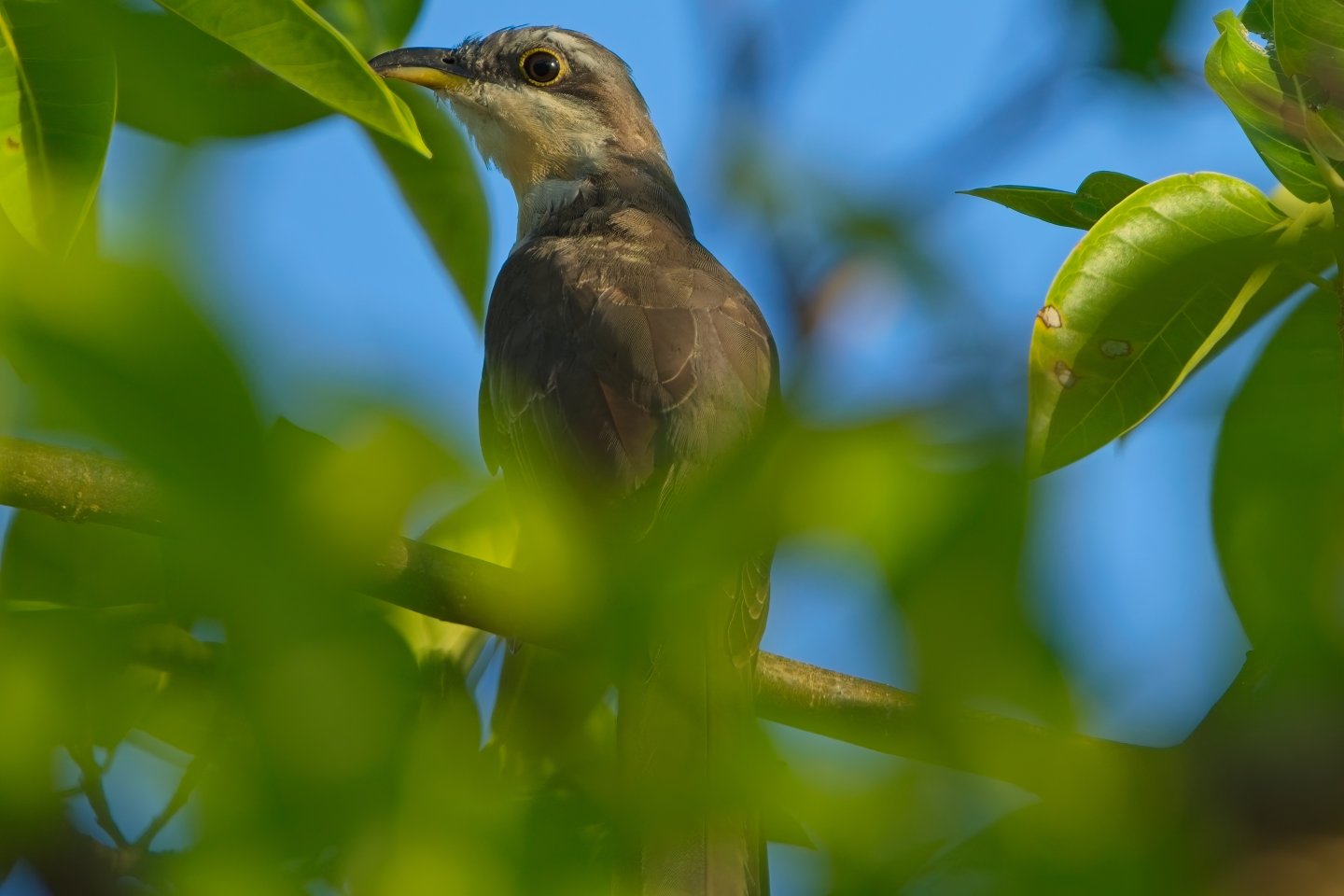
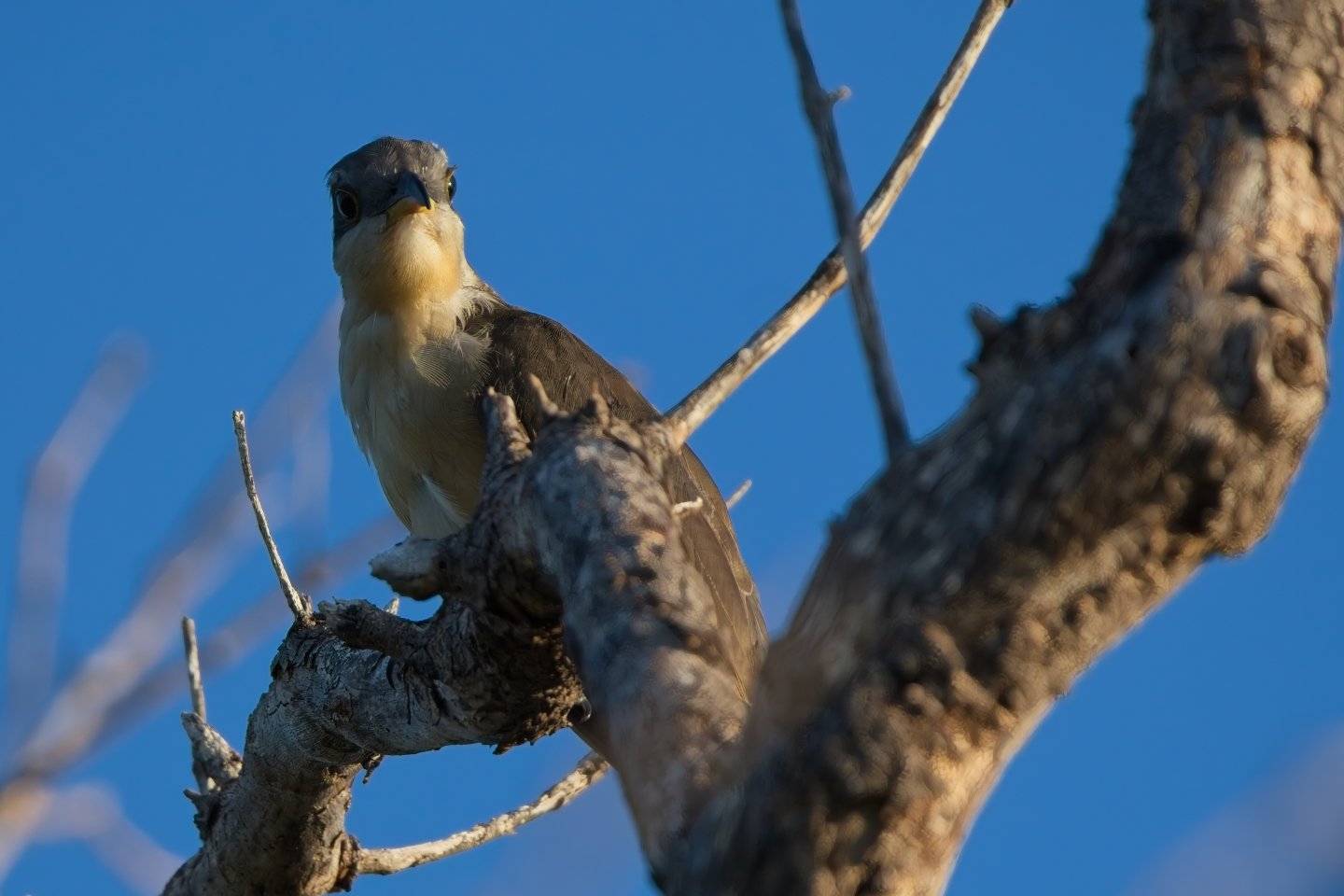
A vibrant yellow eye pierces the humid air as the Mangrove Cuckoo surveys the sun-drenched green canopy of the mangrove forest. Perched amidst the vibrant leaves, this bird offers a quiet glimpse into the intricate ecosystem of Florida's coast. The scene is illuminated by bright sunlight, highlighting the details of the cuckoo and the translucent qualities of the surrounding foliage.

This silent watcher moves with purpose through the dense environment. Its appearance is striking: a muted grayish-brown covers its upperparts, which contrasts beautifully with its clean white breast and belly. A closer look reveals its distinctive features, including a large, bright yellow eye set against a dark black mask, and a bill that is bicolored, featuring a yellow base that transitions to a black tip.

The Mangrove Cuckoo is almost exclusively found within these intricate mangrove forests, particularly in areas dominated by Red Mangroves. It patiently scans its surroundings, an instinct honed by life in this unique habitat, searching for prey before making a swift movement to capture it.

Life among the roots and branches sustains this bird. Its diet includes large insects such as katydids, grasshoppers, and caterpillars, but it also preys on small crabs, lizards, and frogs. These coastal wetlands provide the essential food sources that allow the cuckoo to thrive in their environment.

Within these dense waterways, nests are carefully constructed, typically positioned between five and ten feet above the water, blending seamlessly into the mangrove branches. The health of this ecosystem is crucial for the survival of the cuckoo and all its inhabitants.

The J.N. Ding Darling National Wildlife Refuge on Sanibel Island serves as a prime location for observing these remarkable birds, offering a critical sanctuary within Florida's coastal landscape.

Mangrove Cuckoo Watchers in J.N. Ding Darling National Wildlife Refuge

Mangrove Cuckoo Watchers in J.N. Ding Darling National Wildlife Refuge

Mangrove Cuckoo Watchers in J.N. Ding Darling National Wildlife Refuge

See more photos on Instagram

Tuesday, August 4, 2026

Title Great Egret Patience at Six Mile Cypress Slough Preserve

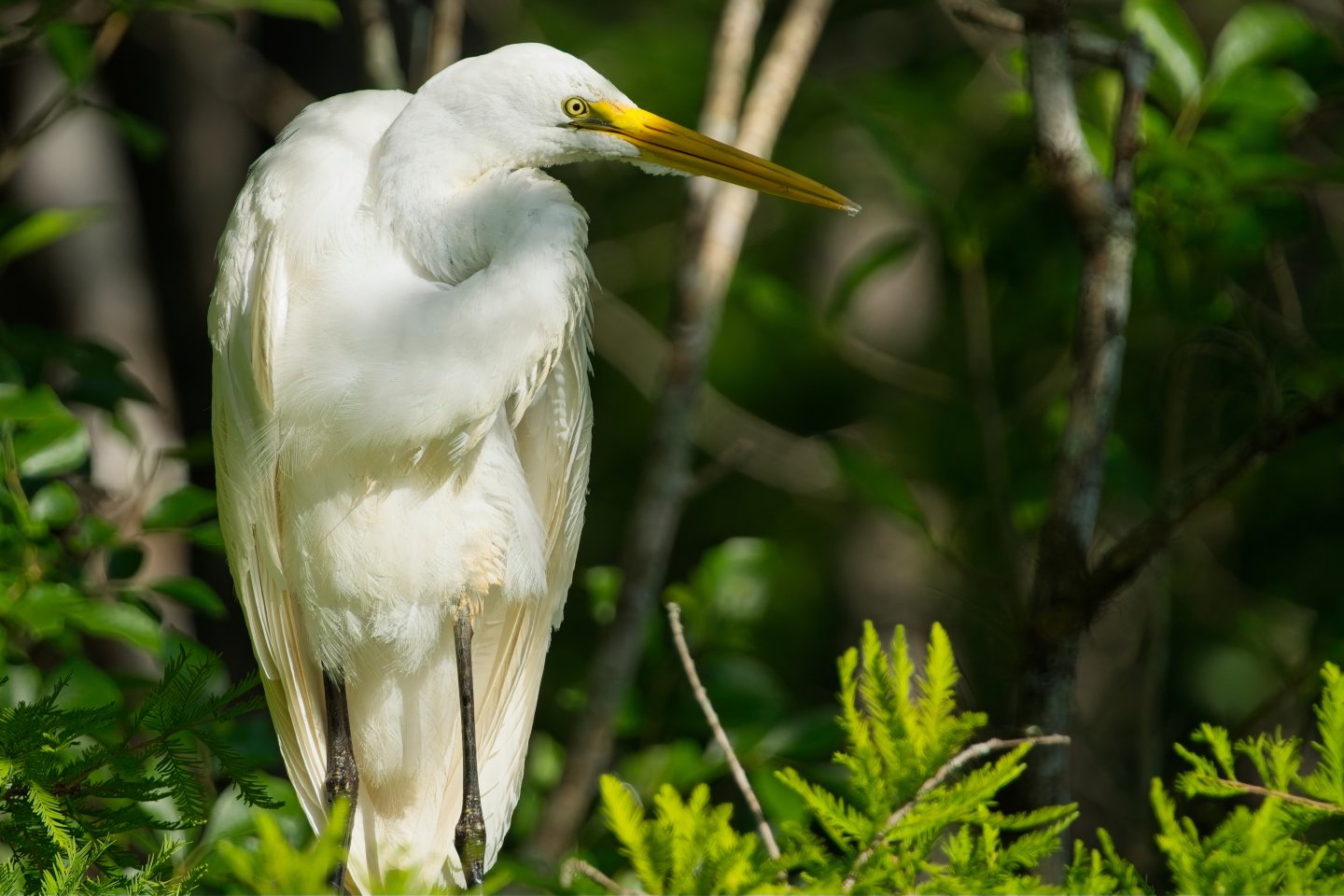
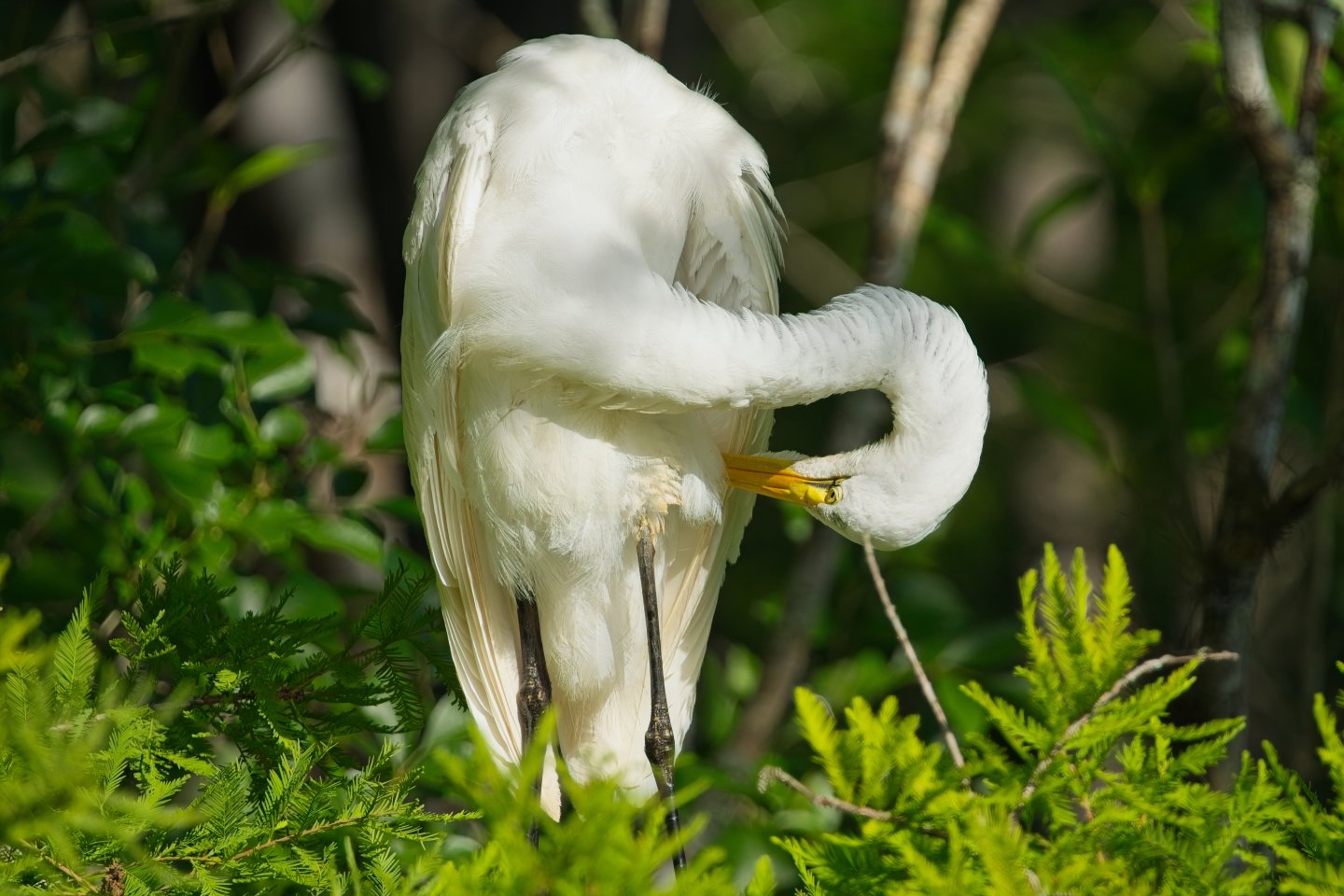
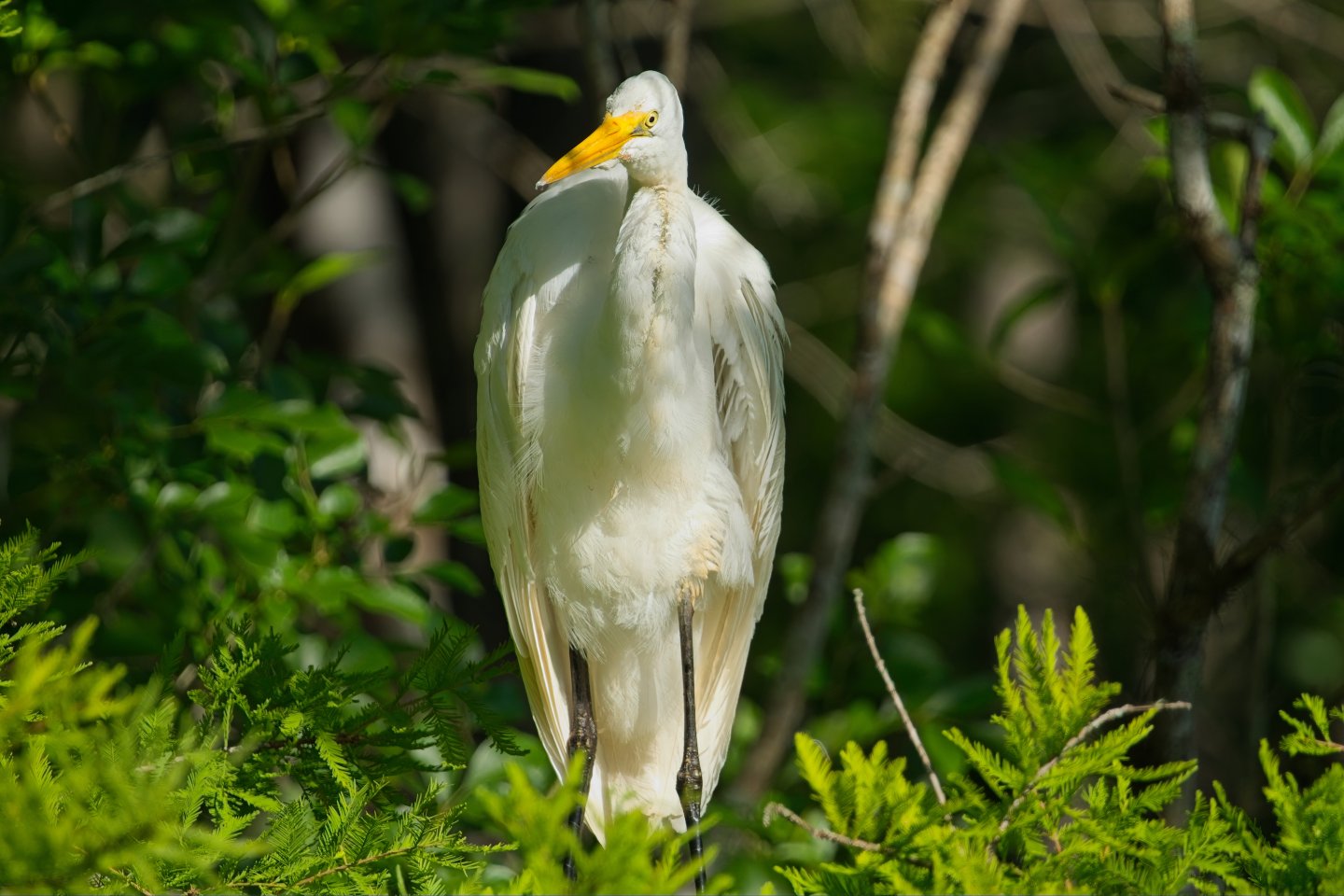
A singular white plume trembles slightly amidst the lush green foliage of the Six Mile Cypress Slough Preserve. The scene is one of quiet observation, where the Great Egret stands in brilliant contrast against the darker backdrop of the cypress swamp. Its presence is an embodiment of patient mastery, poised with its neck curved and head turned to the right, keenly surveying its rich aquatic habitat.

This magnificent bird employs a specialized hunting strategy, remaining motionless to wait for prey. The Great Egret possesses exceptionally keen eyesight, allowing it to spot subtle movements within the dense vegetation and clear water below. Its long, dagger-like yellow bill is perfectly adapted for spearing fish and aquatic insects found in these shallow waters.

The Six Mile Cypress Slough Preserve provides ideal foraging grounds, characterized by its cypress swamps and lush foliage that conceal a thriving aquatic food web. Consistent water levels ensure this wetland remains a dependable habitat and food source for the egrets, supporting their diet of small fish, amphibians, and crustaceans.

The bird’s brilliant white plumage is maintained by a unique adaptation; specialized feathers continuously produced by fraying help clean fish slime and debris. This quiet existence reflects the patient predatory nature of the egret as it navigates the varied terrain of the wetland.

Title Great Egret Patience at Six Mile Cypress Slough Preserve

Title Great Egret Patience at Six Mile Cypress Slough Preserve

Title Great Egret Patience at Six Mile Cypress Slough Preserve

See more photos on Instagram

Monday, August 3, 2026

Pileated Woodpecker in the Six Mile Cypress Slough Preserve

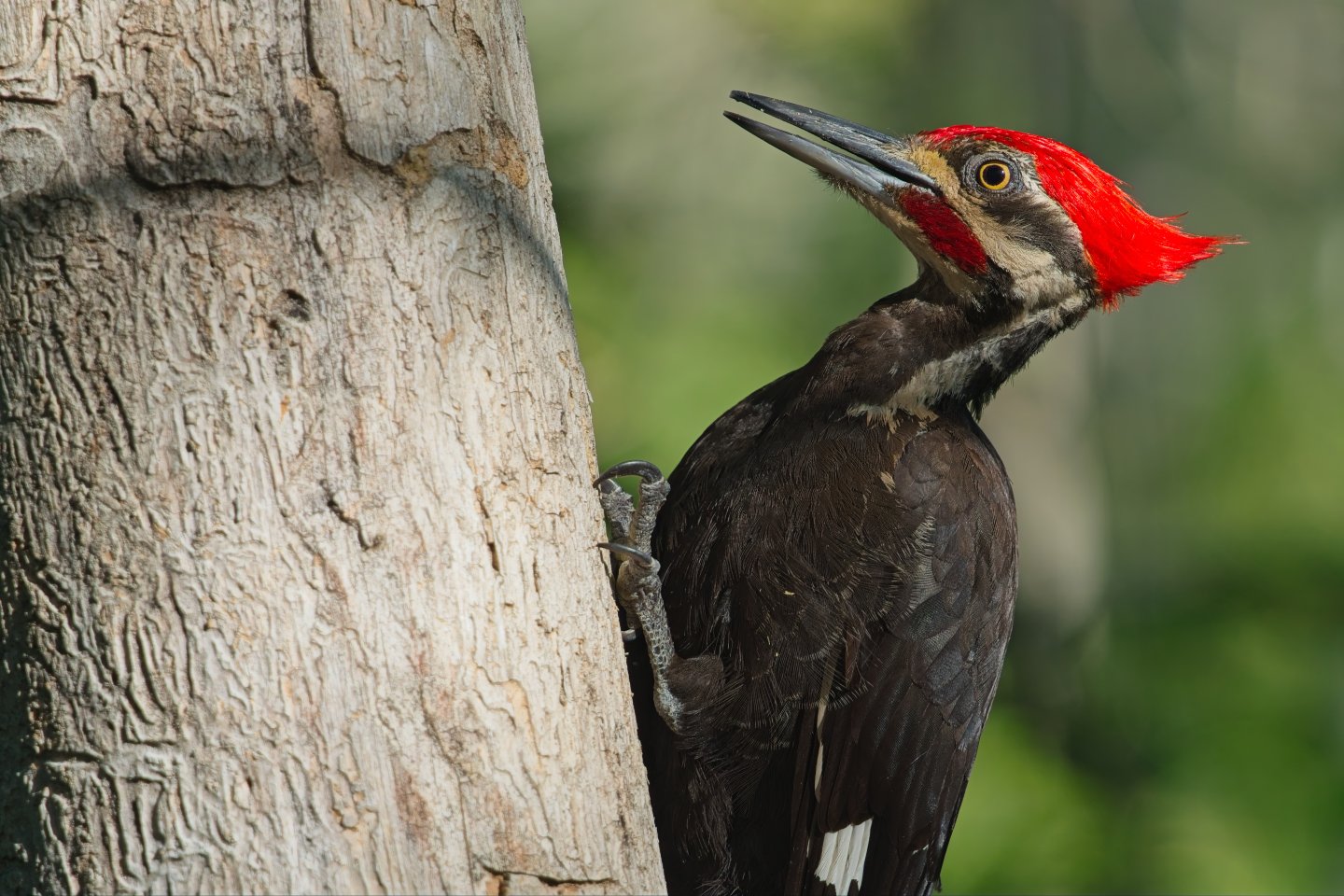
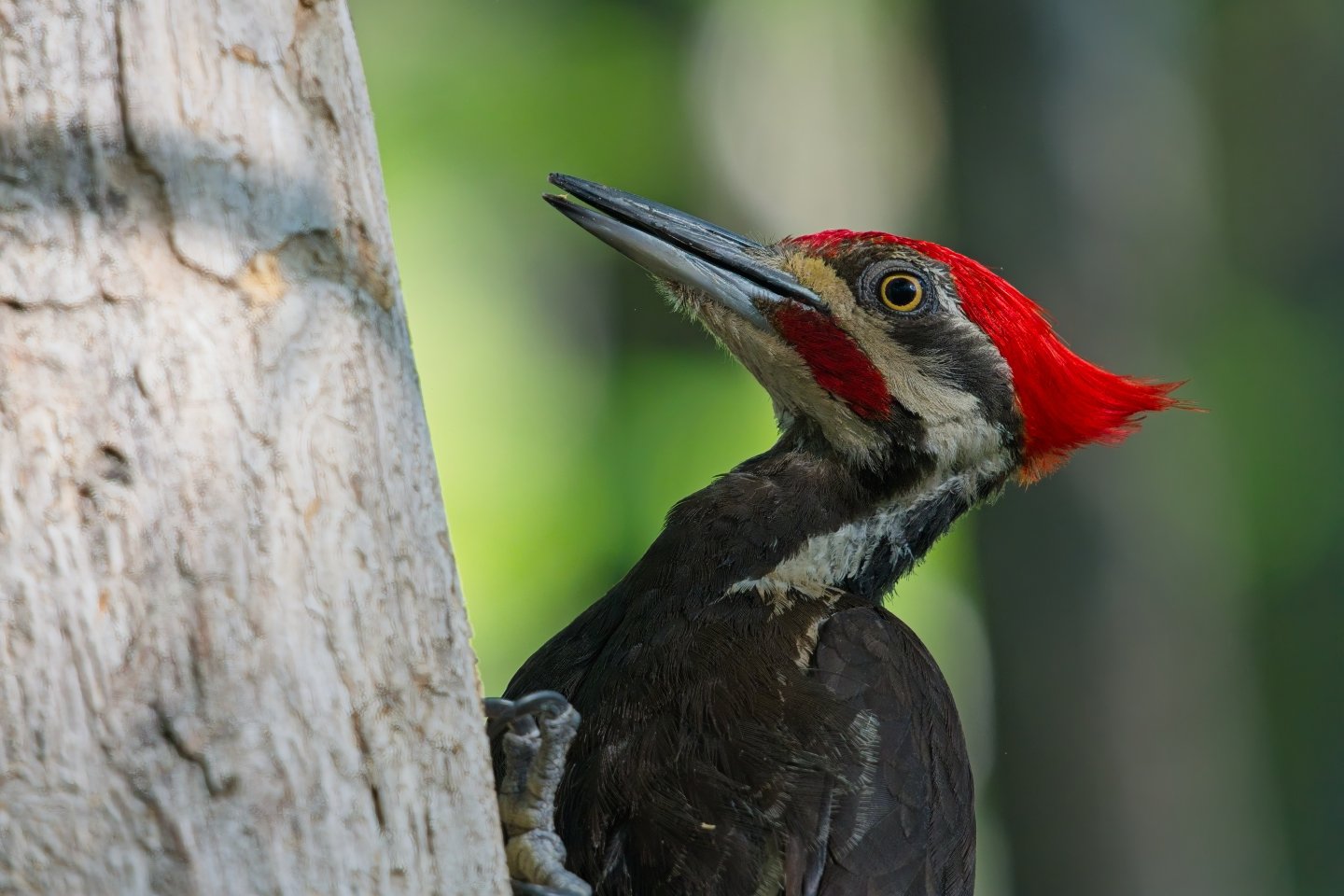
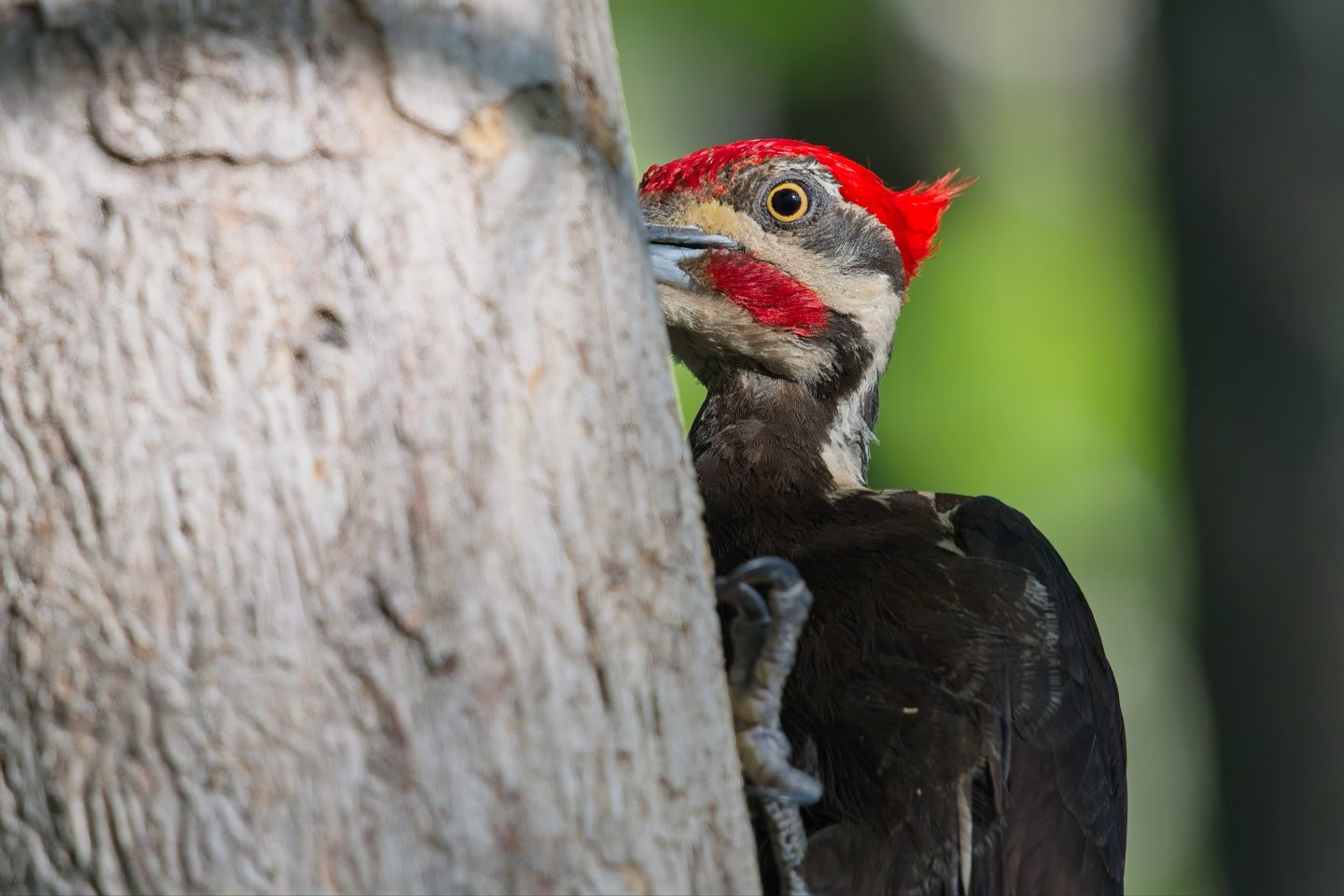
A vibrant splash of red crowns this magnificent male Pileated Woodpecker, his bold crimson stripe clearly identifying him against the backdrop of the Six Mile Cypress Slough Preserve. Pale yellow eyes scan the textured bark of the tree trunk, which serves as his steadfast anchor in this ancient hardwood swamp habitat. Soft, natural light illuminates the scene, highlighting the incredible adaptation of this resident bird.

To ascend and cling to the rough surface, the woodpecker employs a remarkable physical strategy. It uses stiff tail feathers as a prop while its strong zygodactyl feet, with two toes forward and two backward, firmly grip the trunk, enabling his vertical mastery. This masterful grip allows him to navigate the dense cypress and hardwood environment year-round.

His presence in the preserve is often announced by powerful sounds echoing through the trees. With his beak slightly open, he may be preparing to emit that loud, accelerating wuk-a-wuk-a-wuk call, a resonant sound that travels far across the expansive landscape of the Slough Preserve.

This relentless activity reveals the bird's foraging methods. Evidence of his search for sustenance is visible in significant piles of large, rectangular wood chips scattered at the base of trees, marking where he has been meticulously excavating. These efforts lead to deep, distinctively rectangular or oval-shaped holes in the wood as he searches for prey such as carpenter ants and other insects.

The rich ecosystem of the Six Mile Cypress Slough Preserve provides ideal conditions for this species, thriving in the mature cypress and hardwood swamp. Beyond its immediate diet of ants, their varied food sources include wood-boring beetle larvae, wild fruits, berries, and nuts found within these older growth forests. Furthermore, the large nesting cavities they excavate become vital homes for other wildlife, including owls, ducks, and flying squirrels.

Pileated Woodpecker in the Six Mile Cypress Slough Preserve

Pileated Woodpecker in the Six Mile Cypress Slough Preserve

Pileated Woodpecker in the Six Mile Cypress Slough Preserve

See more photos on Instagram

Sunday, August 2, 2026

West Indian Mangrove Buckeye Discovery at Rotary Park

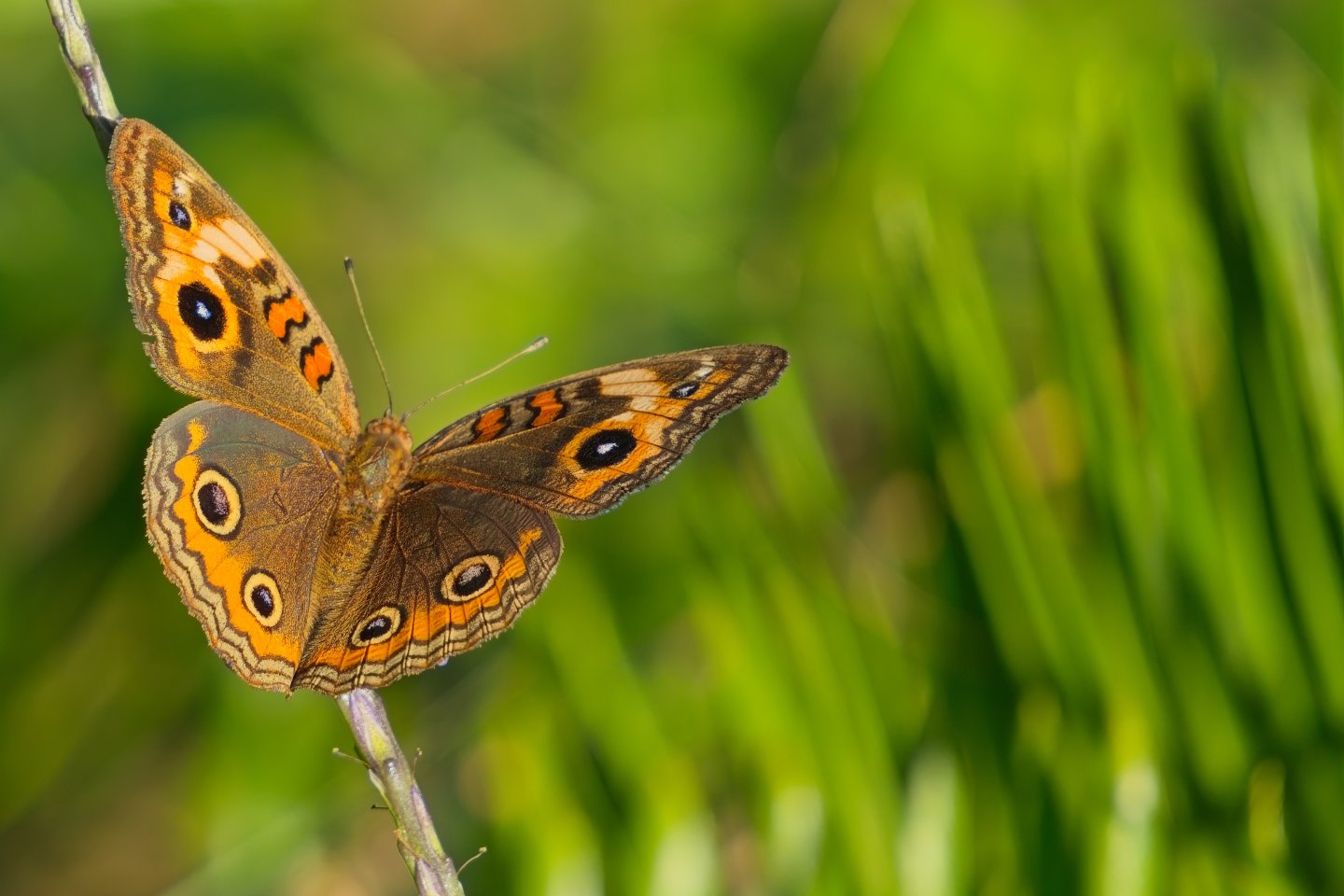
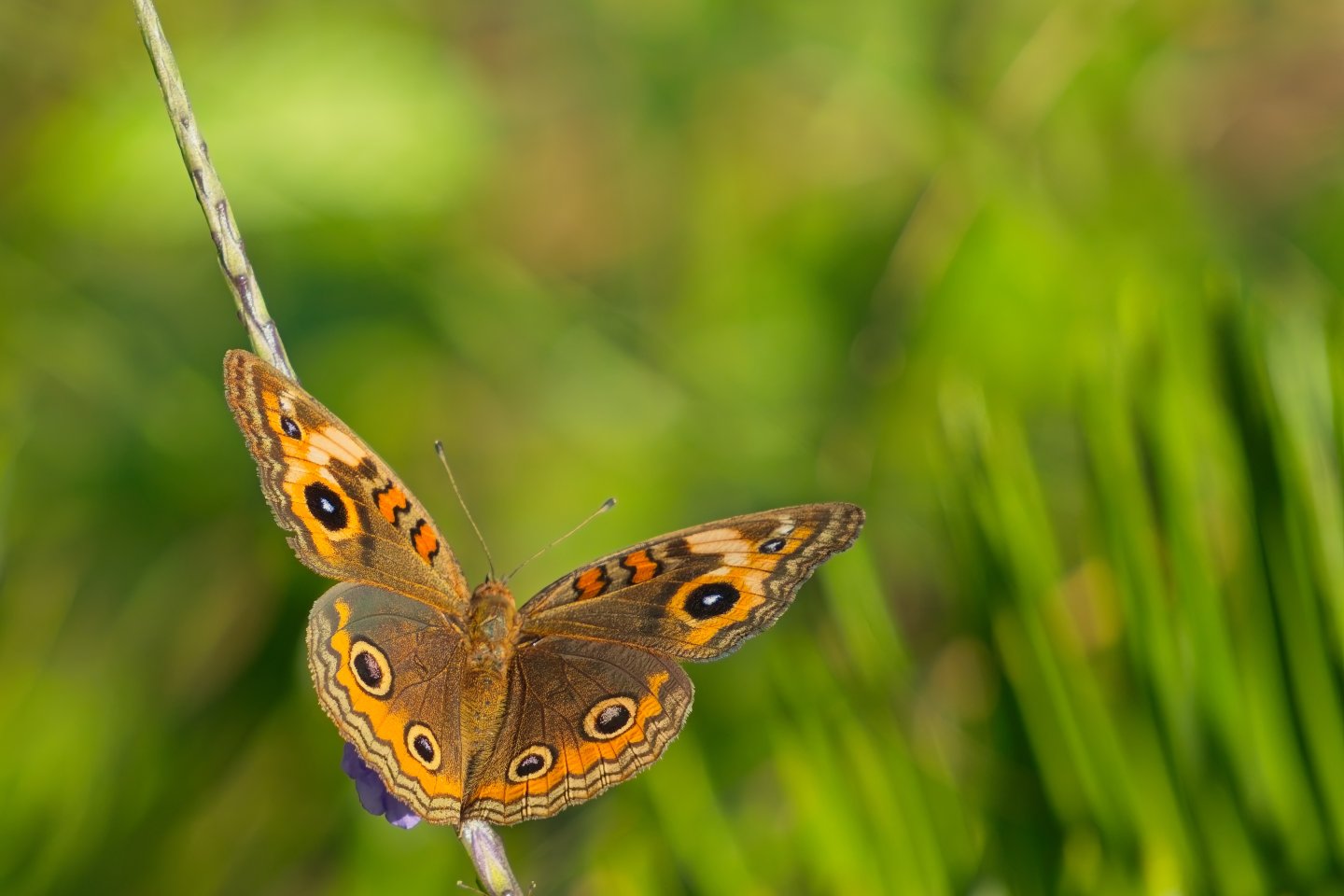
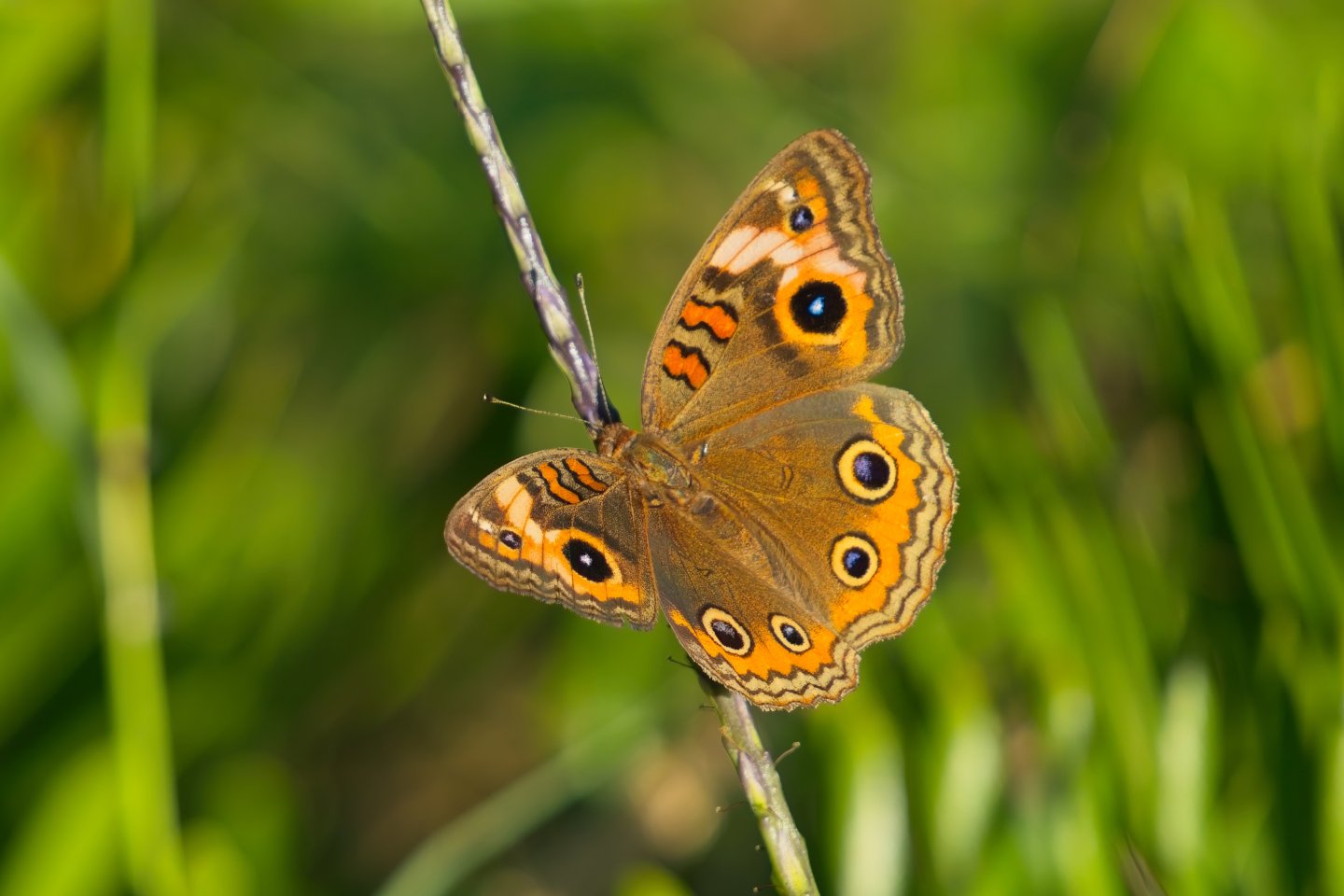
A West Indian Mangrove Buckeye is captured in a close-up view, resting delicately on a slender green stem within Rotary Park. Its wings are spread wide, showcasing intricate patterns of rich orange and brown markings that are sharply detailed against the vibrant green backdrop of the surrounding foliage. The scene is bathed in bright natural light, highlighting the butterfly’s delicate structure as it interacts with its coastal habitat.

These mesmerizing wing patterns serve a purpose beyond beauty. The prominent eye-spots on the wings are believed to deter predators by mimicking the gaze of larger animals, a clever visual trick that ensures survival for this unique species. This butterfly is uniquely associated with coastal mangrove habitats, setting it apart from other Buckeye species found elsewhere.

The behavior observed here is also telling. The butterfly frequently perches with its wings fully open, a necessary action to bask in the natural light and regulate its body temperature. Beneath the surface of this environment, its life cycle is deeply tied to the ecosystem; its primary larval host plant is the Black Mangrove, which thrives right within Rotary Park.

This species displays remarkable resilience. Adults feed on nectar from various flowering plants available in their coastal environment and can be observed flying year-round in South Florida. Even the outer margins of its wings exhibit a slightly scalloped appearance, reflecting an intimate connection to the unique coastal mosaic it inhabits.

West Indian Mangrove Buckeye Discovery at Rotary Park

West Indian Mangrove Buckeye Discovery at Rotary Park

West Indian Mangrove Buckeye Discovery at Rotary Park

See more photos on Instagram