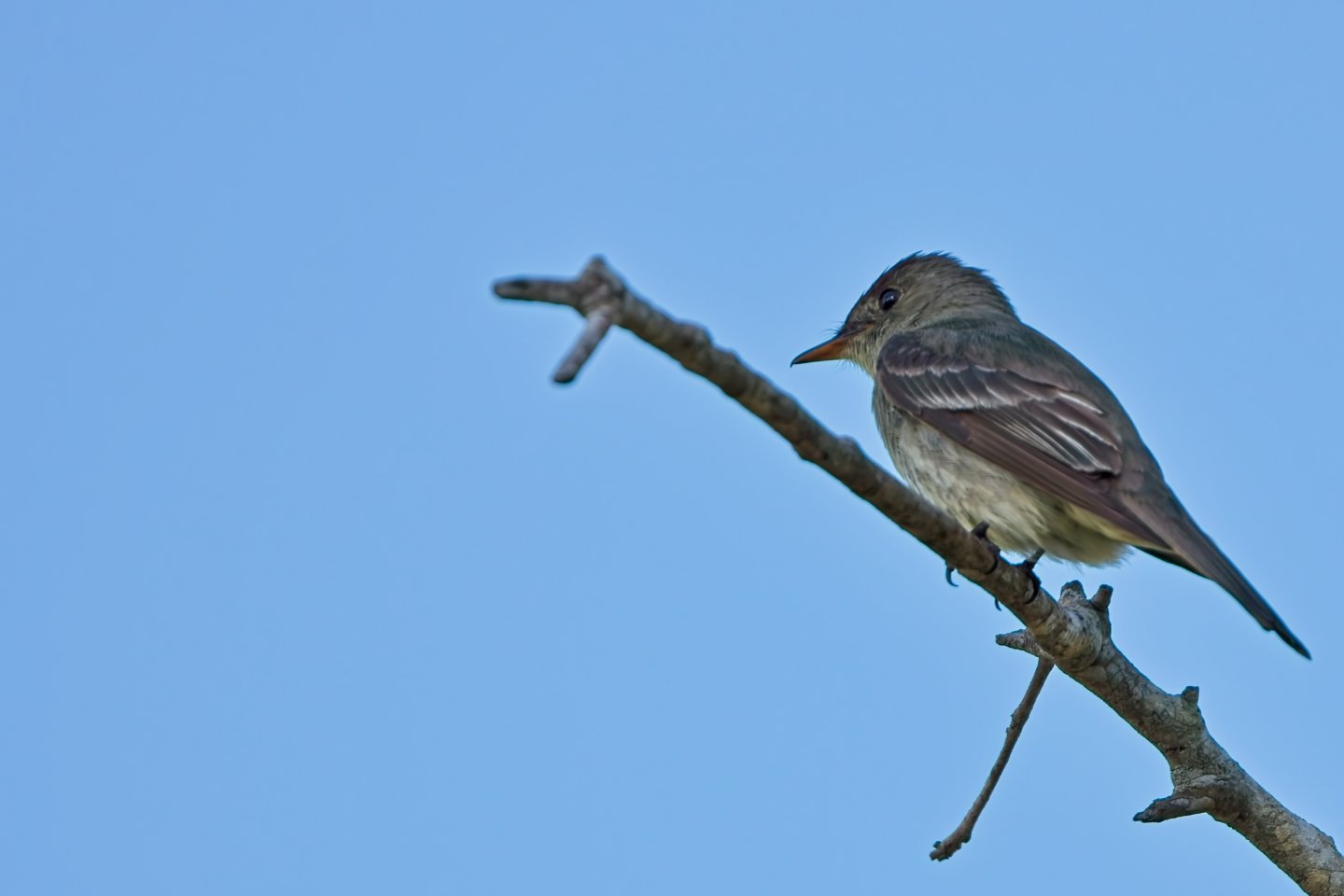
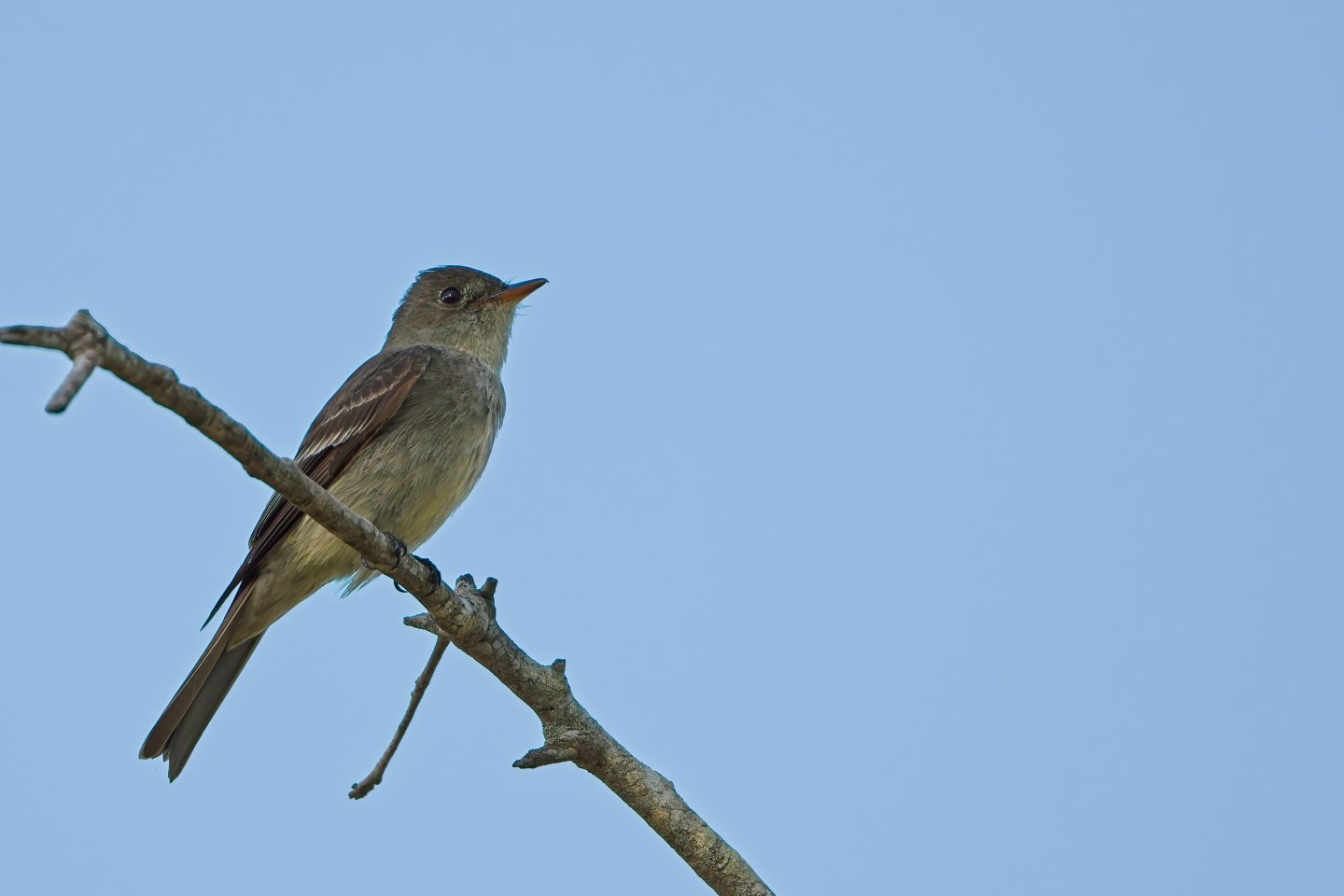
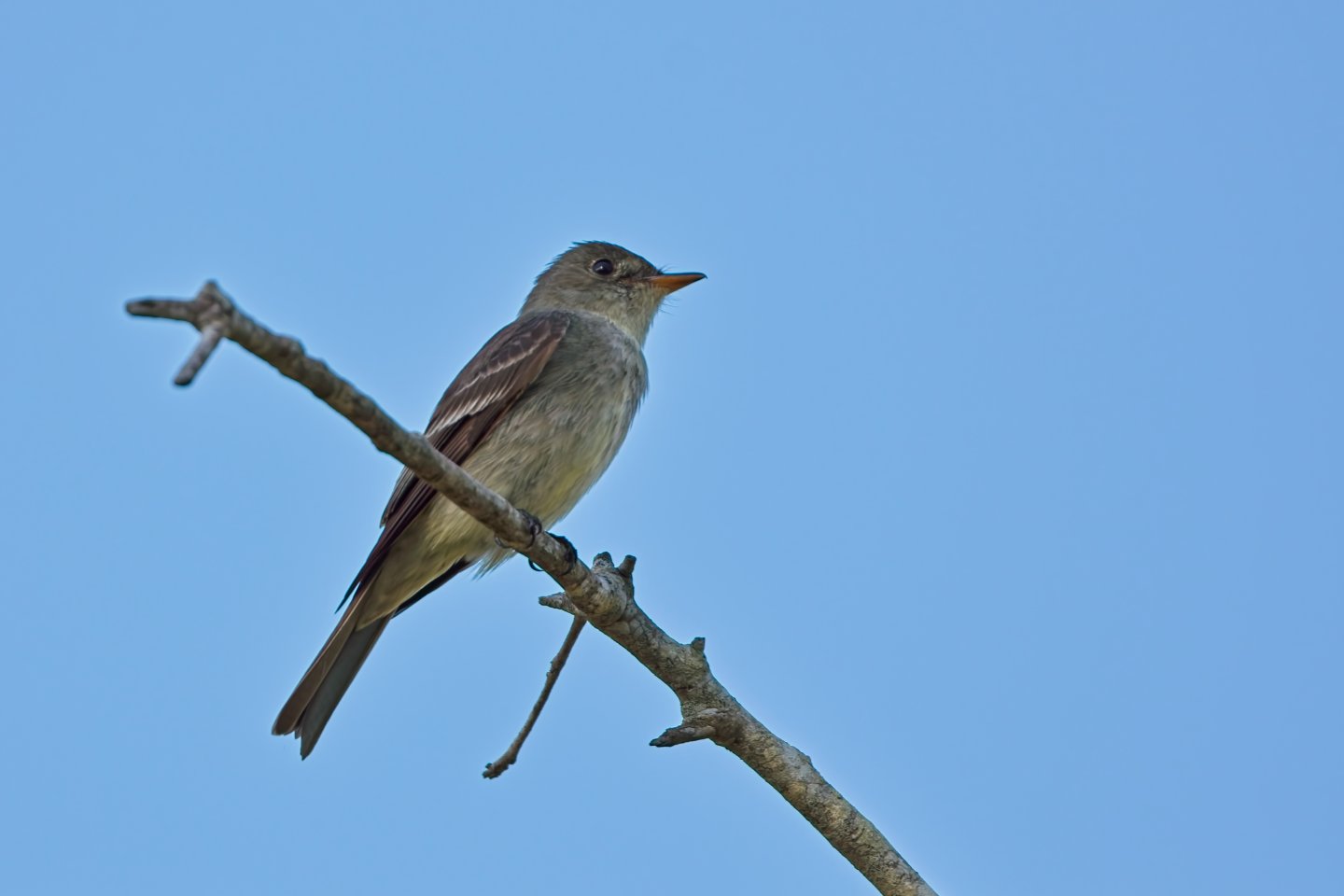
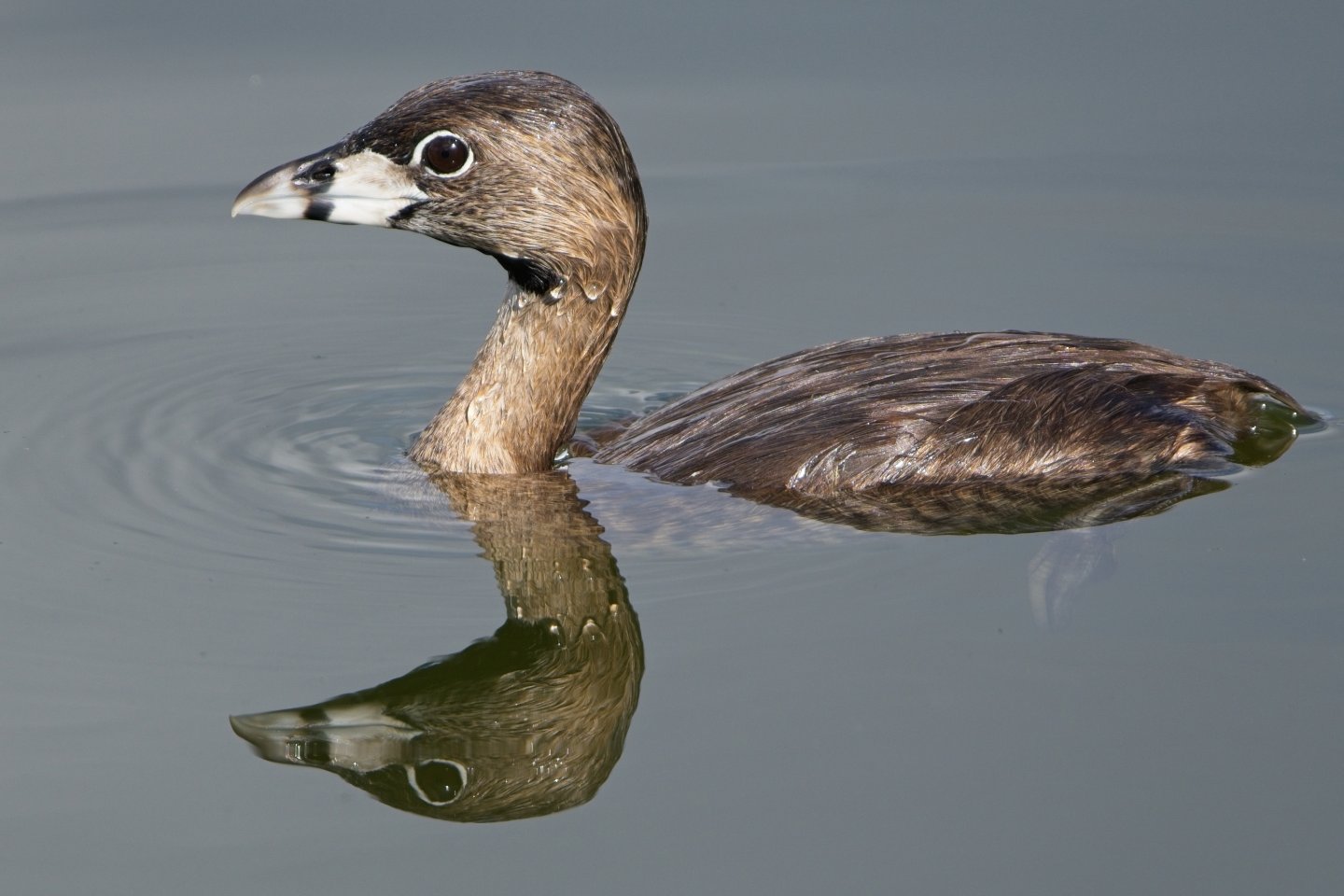
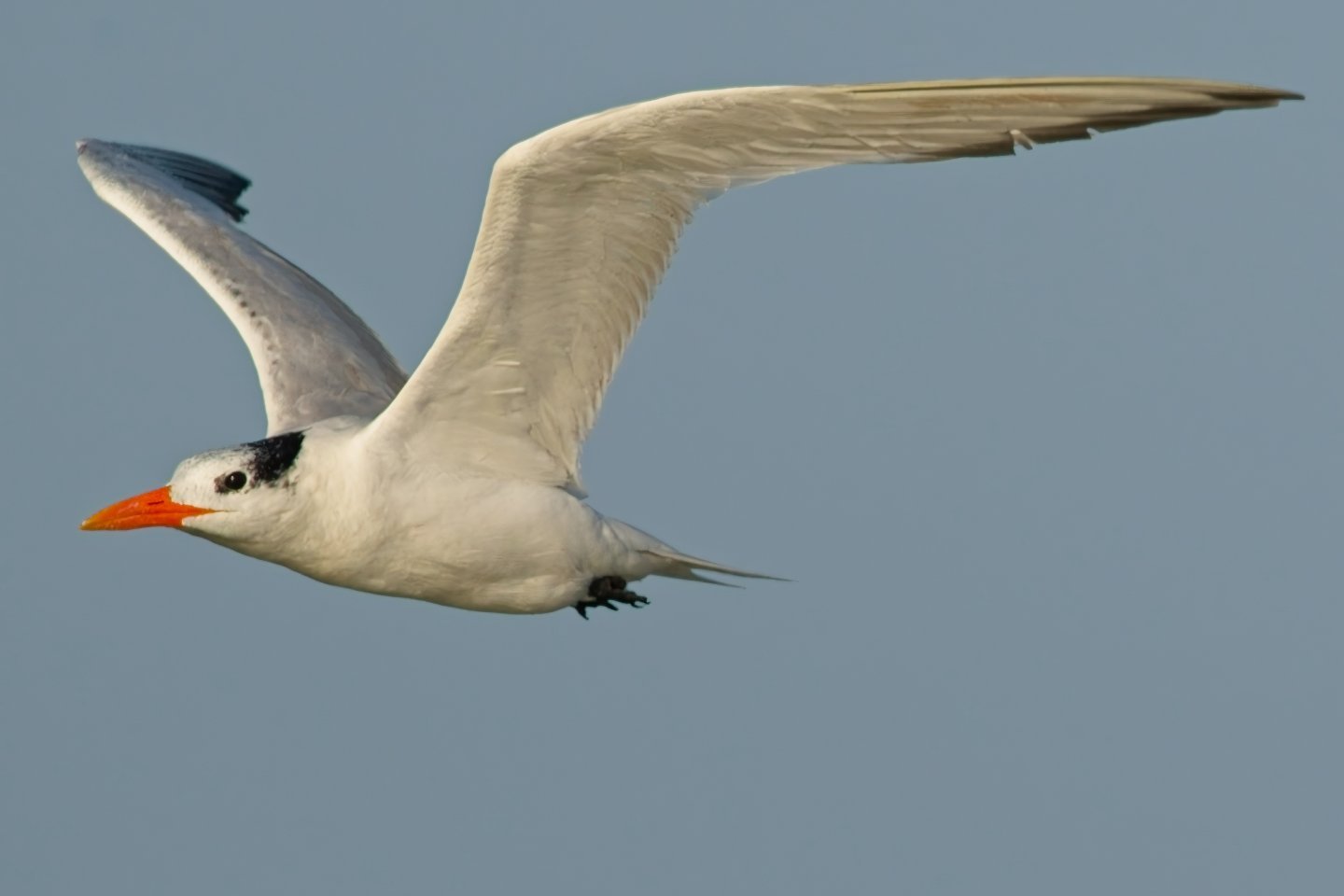
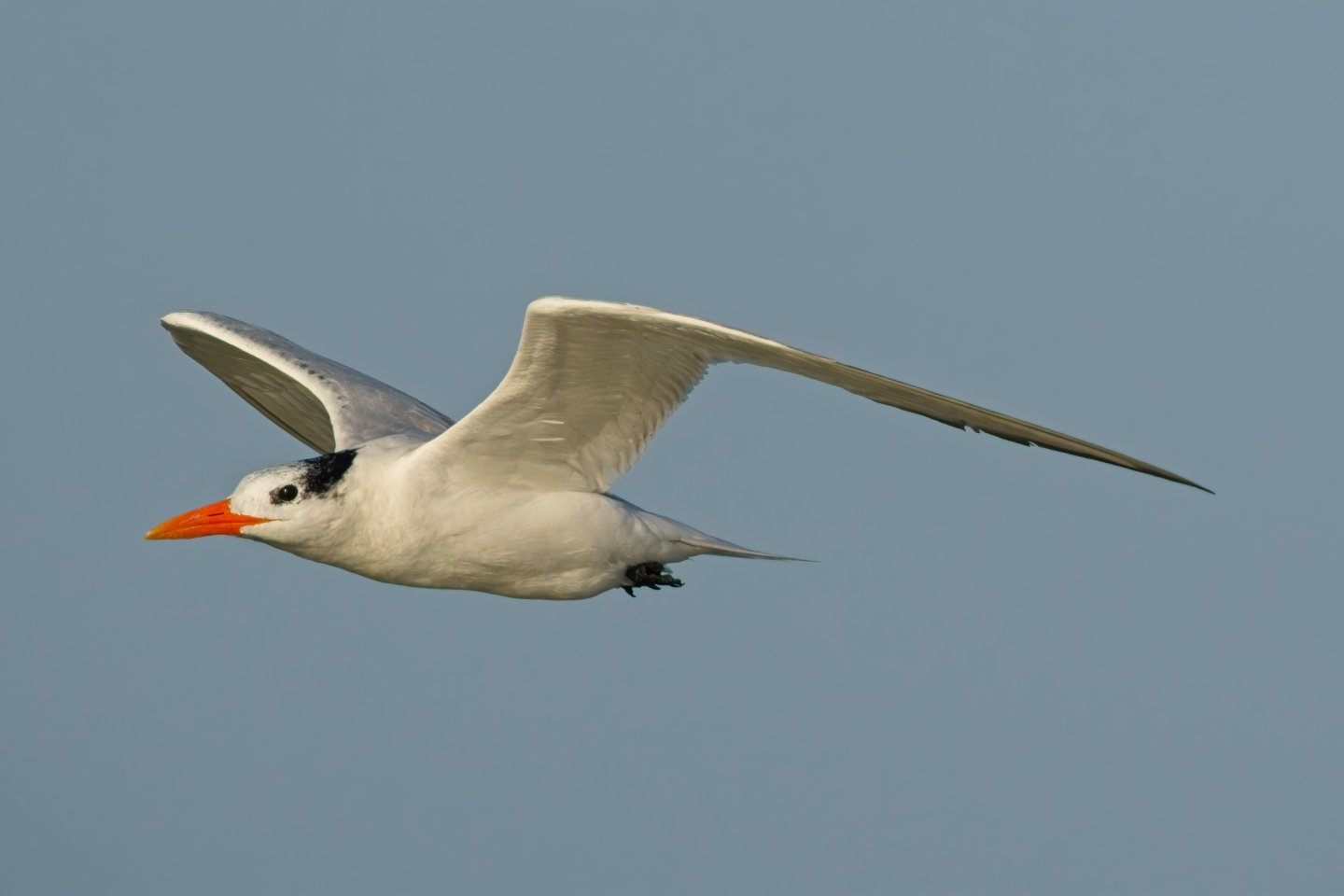
Ever wondered who's keeping the insect population in check at Harns Marsh Preserve? Meet the Spotted Sandpiper, a common resident in Southwest Florida's wetlands. These small, inconspicuous birds are not only graceful fliers but also diligent foragers, contributing to the delicate balance of their habitat.
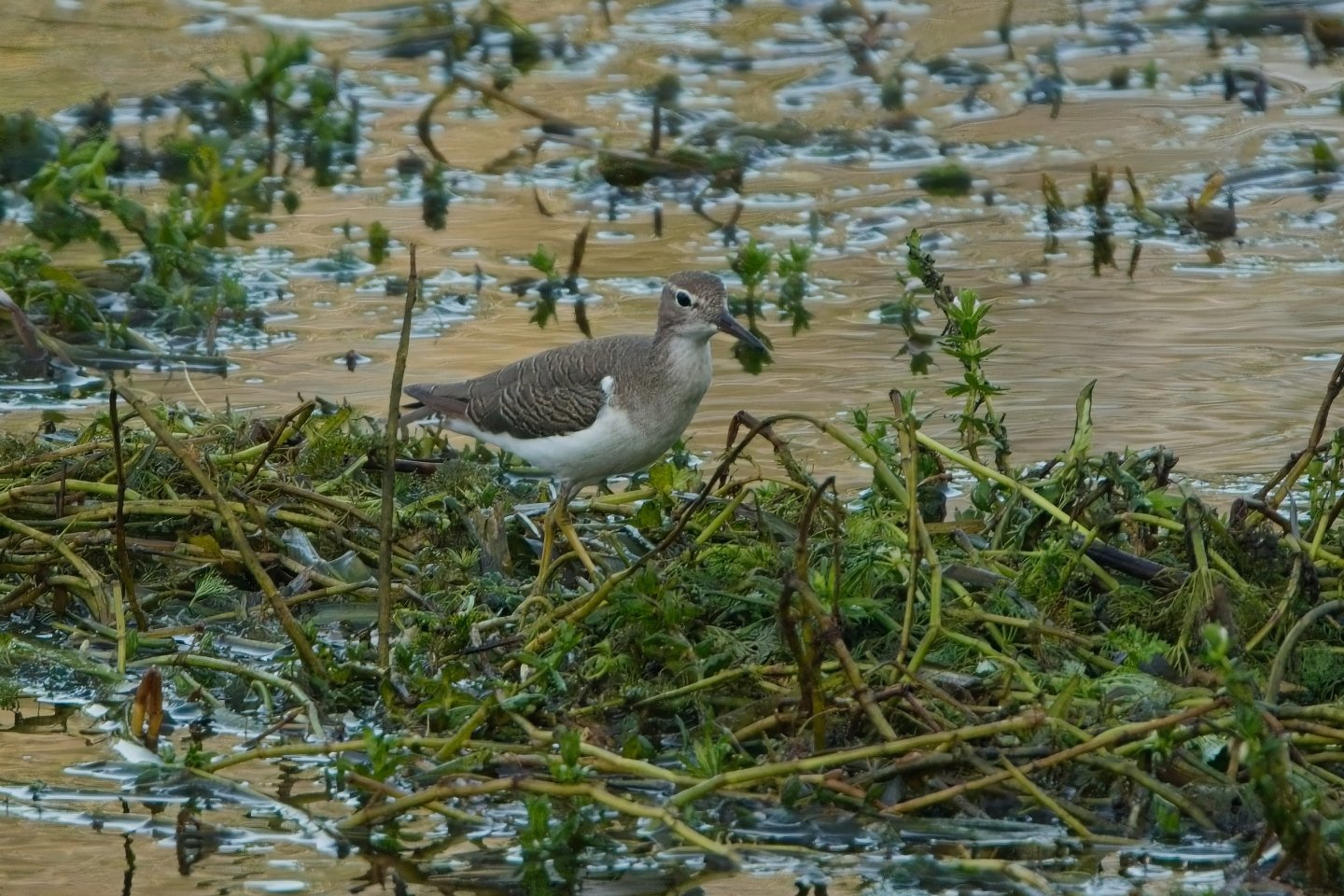
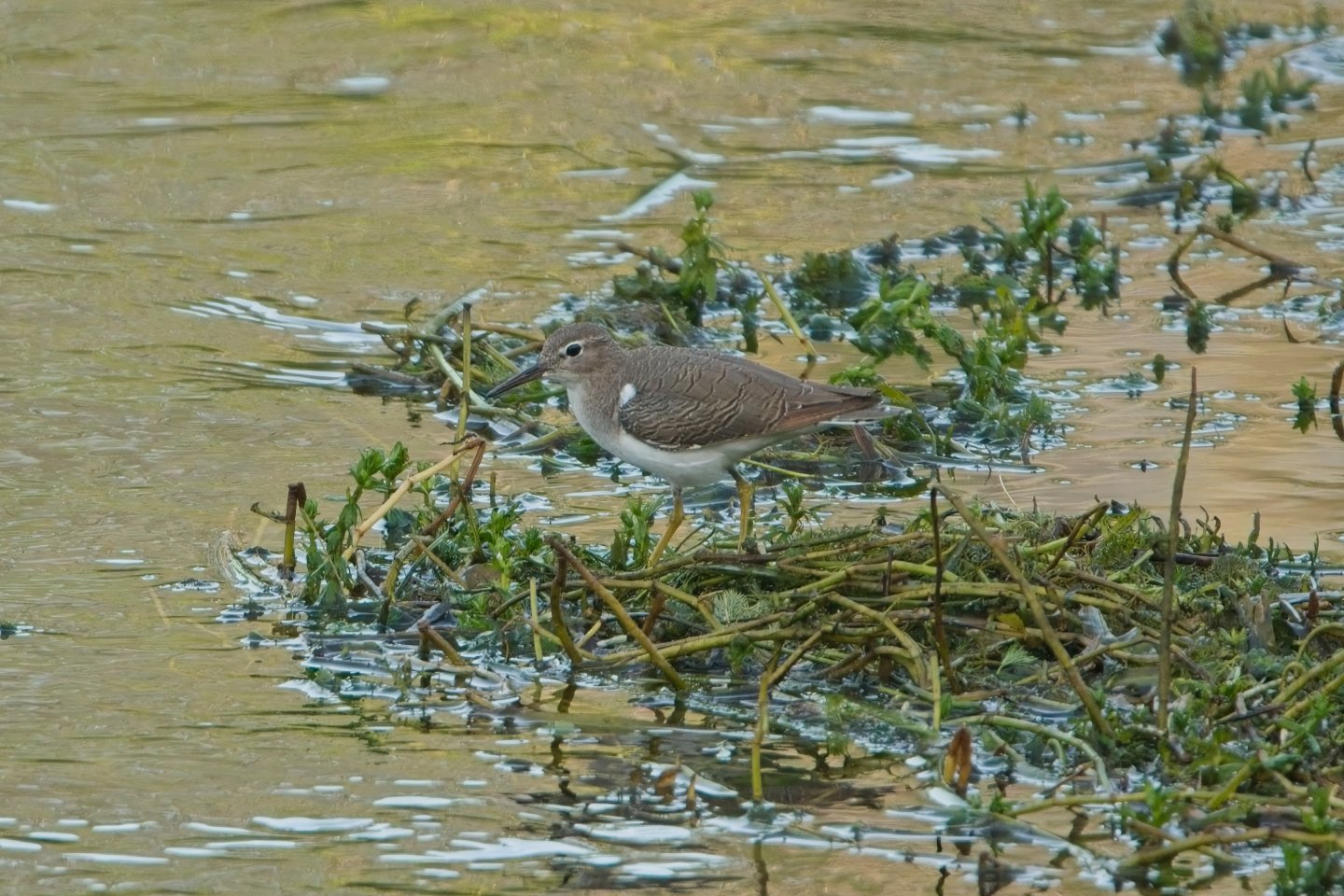
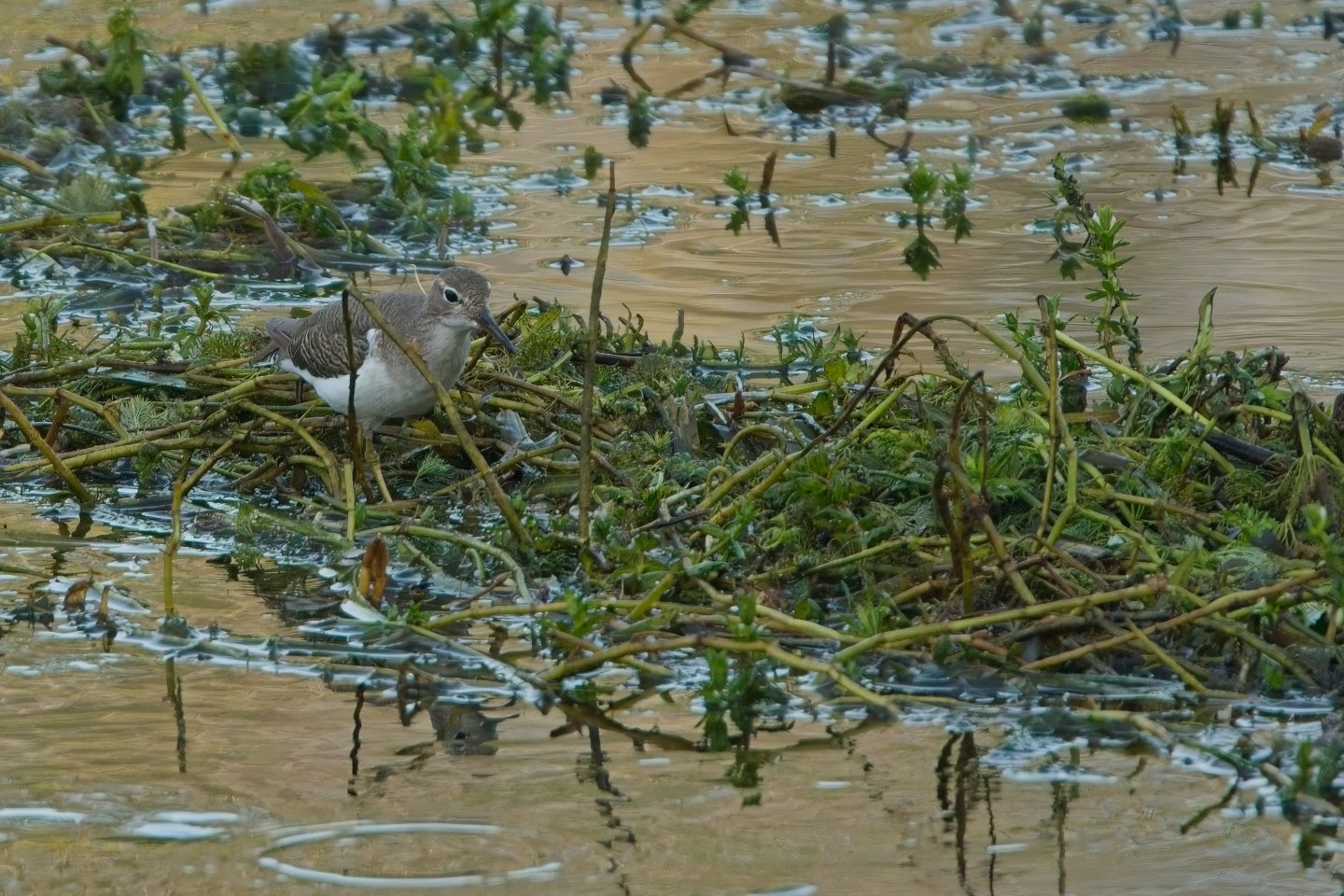
Standing alert amidst the dense natural debris, the Spotted Sandpiper at Harns Marsh showcases its distinctive behavior - a continuous, rhythmic bobbing of its rear body, known as 'teetering' or 'tail-bobbing.' This movement is a characteristic trait of the species, helping it blend with its surroundings while keeping watch for potential threats or opportunities.
In the shallow, muddy waters of Harns Marsh, the Spotted Sandpiper finds its ideal foraging ground. It employs a unique stop-and-go method, pecking at small invertebrates found on or just beneath the water's surface. Occasionally, it even engages in aerial flycatching, snatching insects directly from the air - an unusual but efficient technique for a shorebird.
When flushed or disturbed, the Spotted Sandpiper takes to the skies with a characteristic fluttering flight. Its stiff, bowed wings beat rapidly and shallowly, creating a distinct pattern that's easy to recognize. As it flies low over the water, it may vocalize with a sharp, ringing "peet-weet" or "wit-wit-wit" call.
The Spotted Sandpiper's dull olive-brown plumage on its back provides effective camouflage against the varied textures of mud, water, and vegetation. This, coupled with its contrasting white underside, helps it blend seamlessly into its environment.
A common non-breeding resident and winter migrant in Southwest Florida, the Spotted Sandpiper plays a crucial role in maintaining the health of our wetlands. Observing these birds in action offers a fascinating glimpse into the intricate web of life that thrives in these vital habitats.
#SpottedSandpiper #HarnsMarsh #WetlandConservation #FloridaBirding #ShorebirdFacts