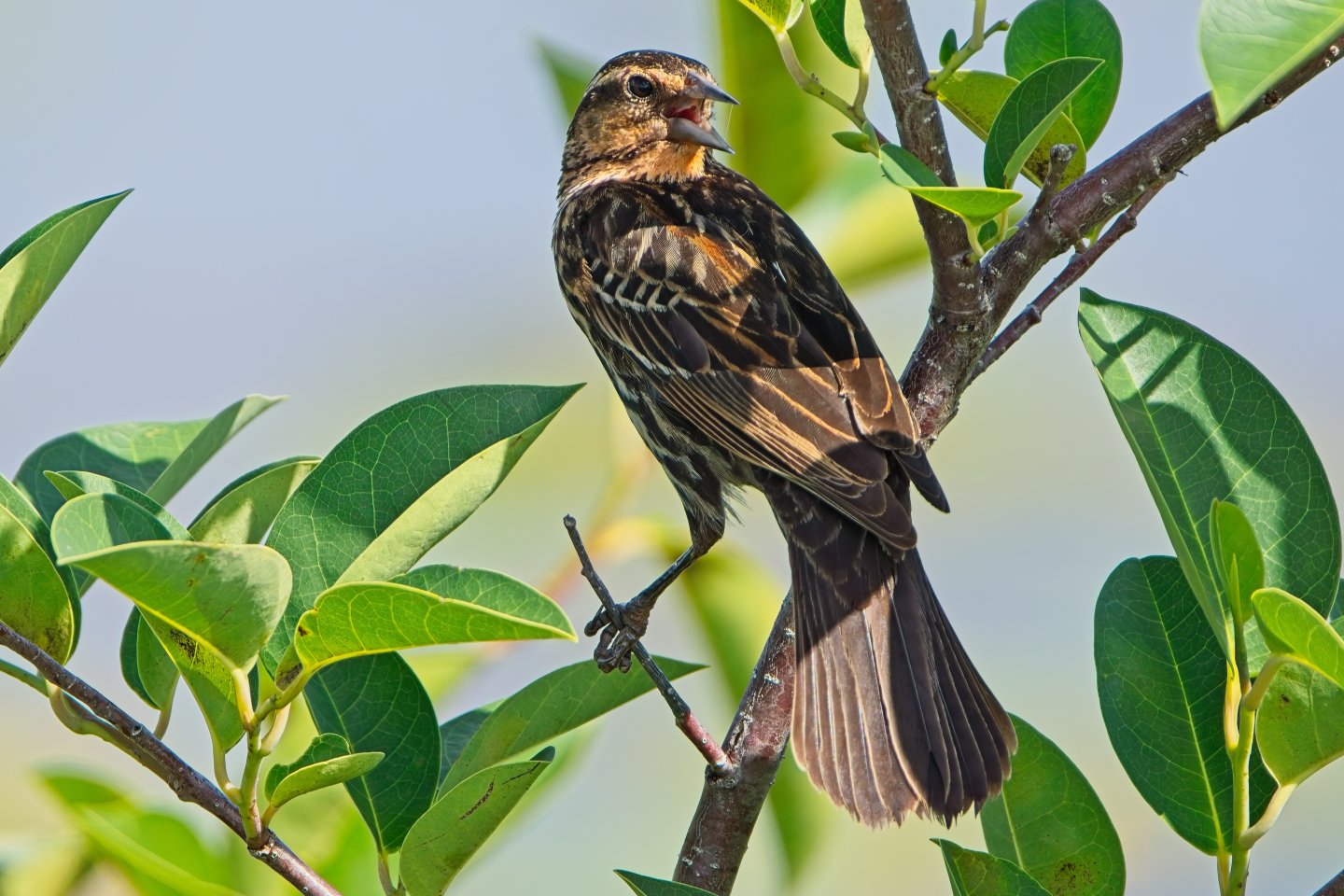
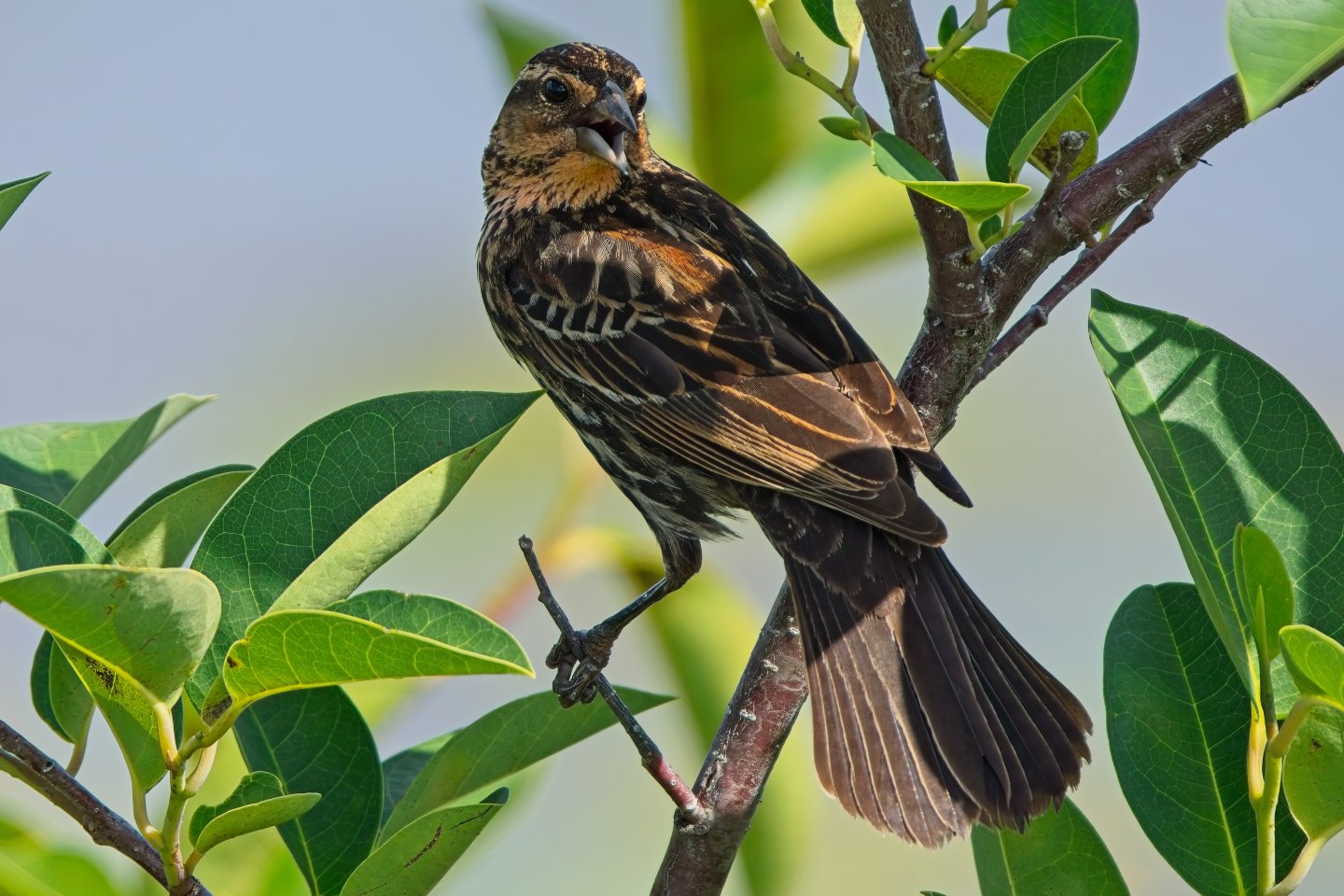
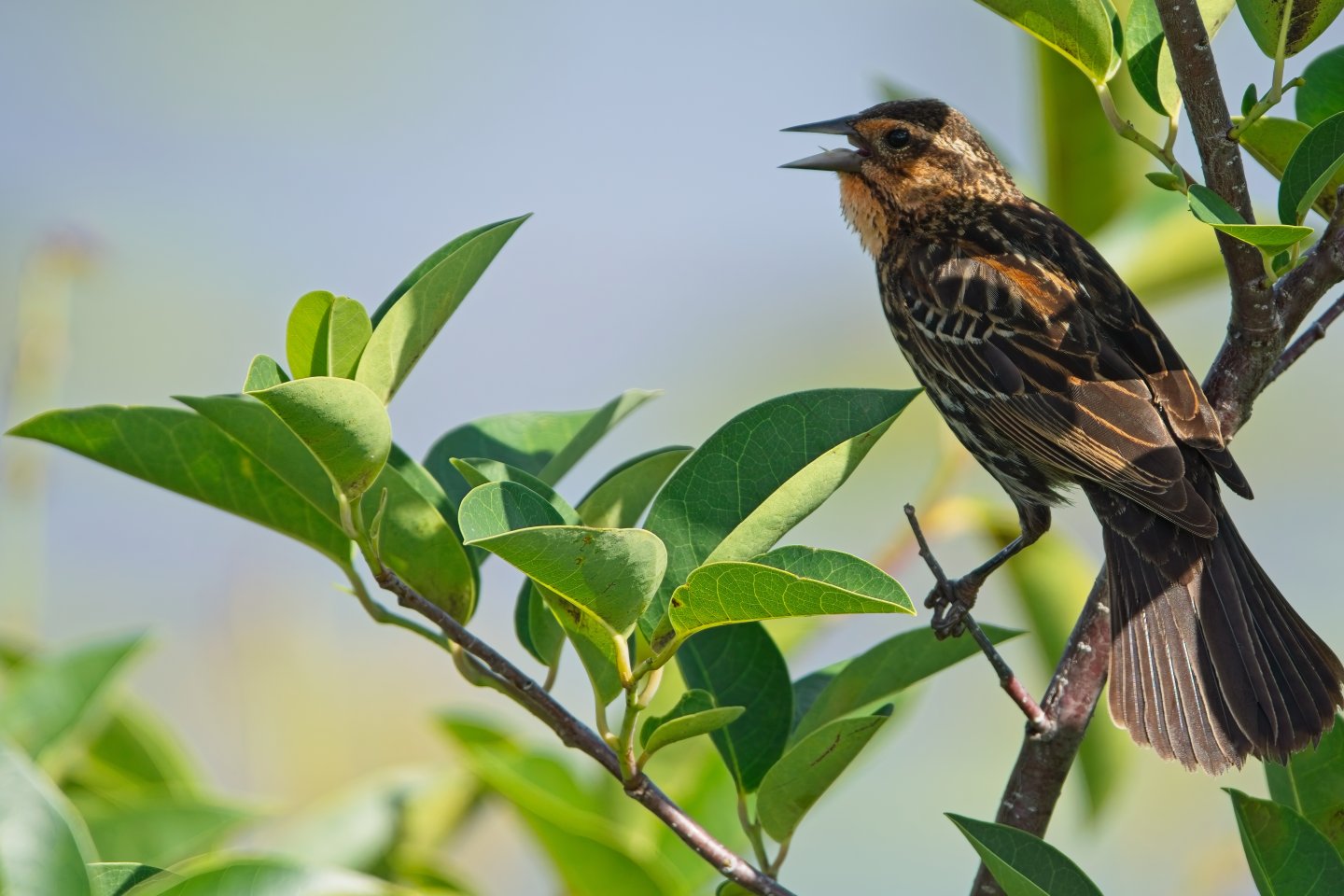
Red Winged Blackbirds rely on dense vegetation bordering water bodies for both food and shelter within the Lakes Park ecosystem. Understanding how these birds use the surrounding environment reveals key aspects of their survival in this wetland habitat. This post explores the specific ways Red-winged Blackbirds utilize the rich environment found in Lakes Park.
These birds utilize the dense foliage surrounding perches to gain crucial concealment while surveying their surroundings in natural daylight. Red-winged Blackbirds select dense shrubbery or trees directly bordering water bodies as ideal places to perch and roost, providing both protection from predators and clear views of their territory. This selection strategy is a key aspect of their design.
The Red-winged Blackbird sustains itself by foraging among the reeds, cattails, and dense shoreline shrubs. This consistent foraging behavior allows them to gather both small arthropods and a variety of plant seeds throughout the year. This reliance on diverse food sources ensures their ability to thrive across different wetland seasons.
Lakes Park’s extensive wetland habitats offer critical year-round suitability for Red-winged Blackbird populations. These rich habitats provide the necessary resources for the birds to breed, survive, and flourish within this dynamic environment. The park’s landscape, with its emergent vegetation and border trees, ensures these populations have vital wintering grounds.
Outside of the breeding season, these intelligent blackbirds often establish communal roosts in dense vegetation along the water features. Before settling into these large groups, individual birds frequently spend time carefully surveying potential sites for security. Lakes Park offers these secure, sheltered spaces for their seasonal aggregations.
Follow Adventures in Southwest Florida, for more hidden wonders.
No comments:
Post a Comment