Saturday, October 10, 2026

Green Anole in Lakes Park: How Camouflage Helps Survival

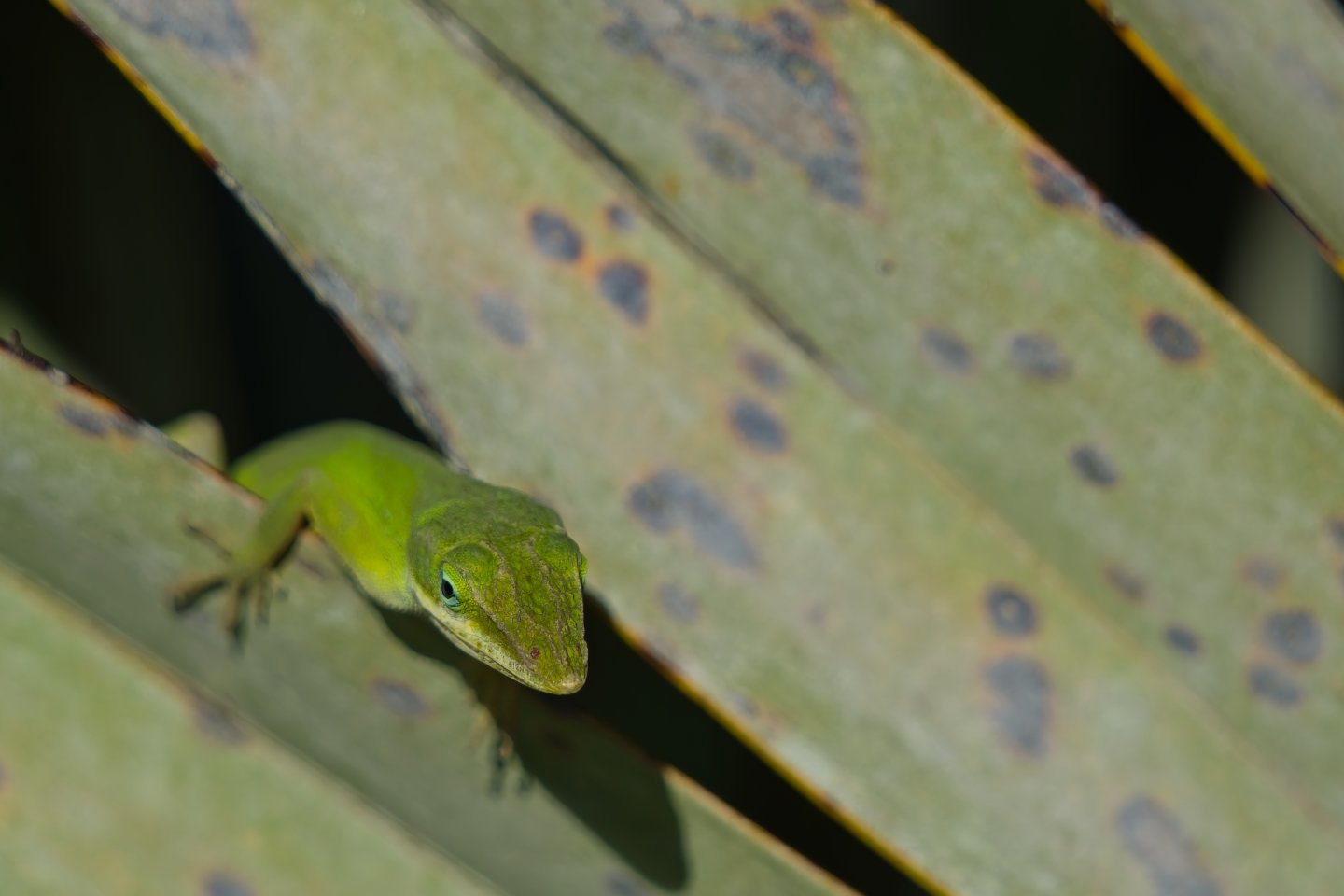
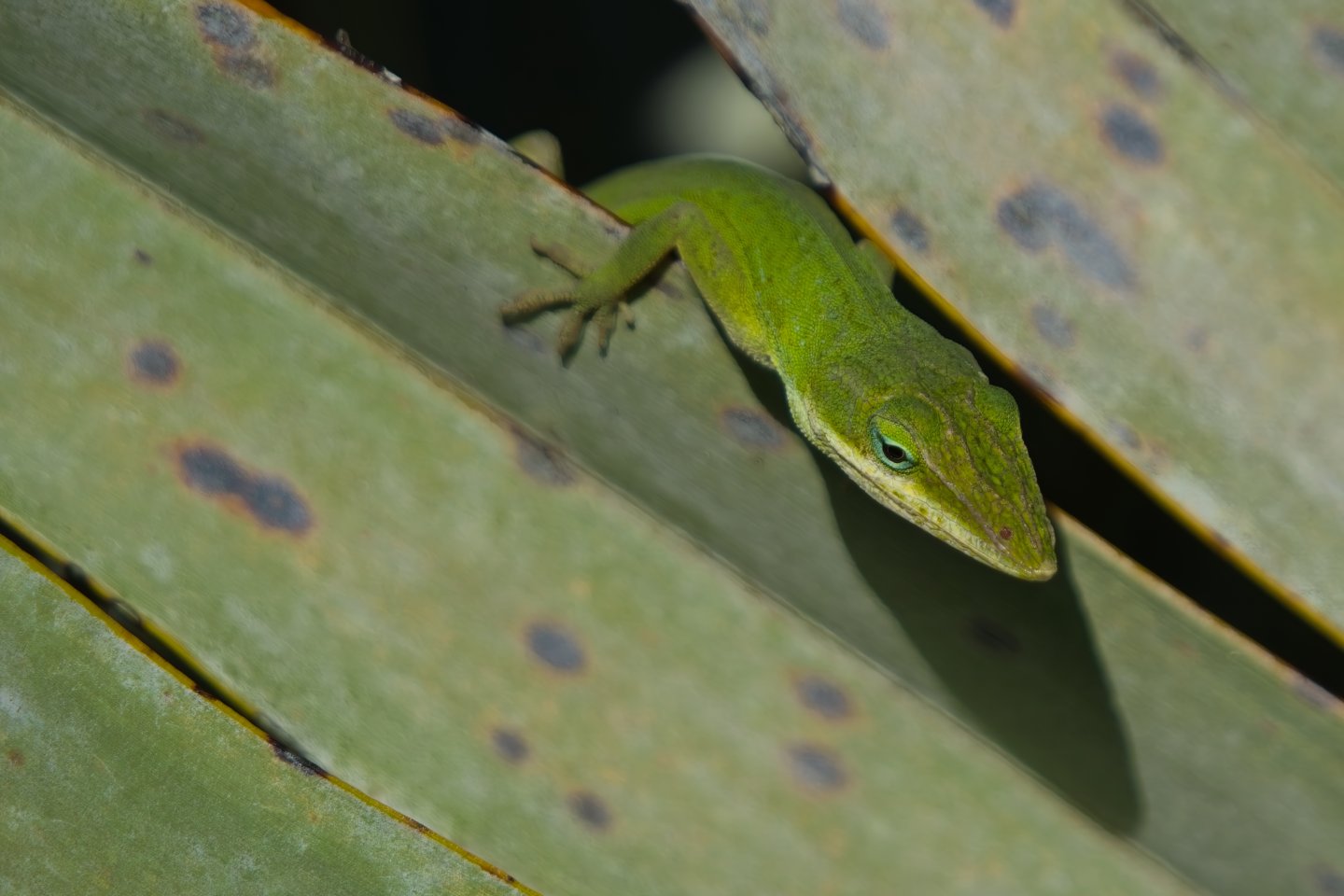
The Green Anole in Lakes Park uses its vibrant green coloration to provide excellent camouflage among the dense green leaves and plant life. This natural design allows the lizard to remain hidden from potential predators within the dense foliage.

The diverse plant life at Lakes Park offers critical microhabitats for green anoles, providing stable perching surfaces and vital cover. Broad-leaved vegetation creates these necessary spaces for the lizards to rest and observe their surroundings.

Green anoles commonly perch on broad leaves within dense foliage, using these elevated positions to visually scan for both potential predators and prey in their surroundings. This behavior is a key part of their daily activity.

This cryptic coloration helps the anole avoid detection by predators passing by in the environment. The surrounding dense foliage works in tandem with the lizard's coloring to ensure safety.

Female green anoles typically lay single, soft-shelled eggs in damp soil, leaf litter, or rotten wood at the base of plants within the dense undergrowth. These nesting spots are often found in the habitats like Lakes Park.

The presence of the Green Anole underscores the health and complexity of the local ecosystem. Its ability to blend into the foliage is a testament to the efficiency of natural design in this environment.

#LakesParkWildlife

#GreenAnole

#LizardHabitat
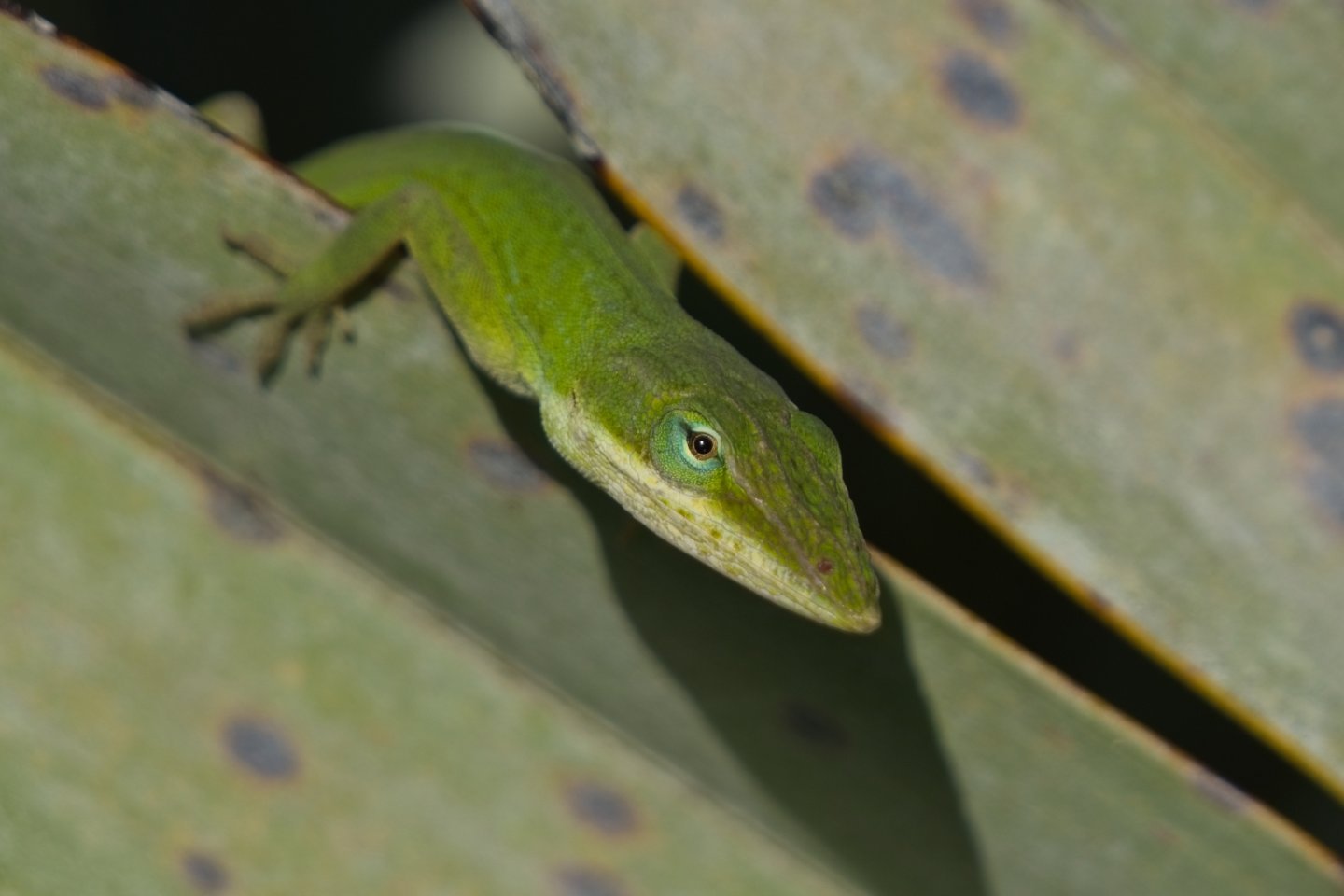
Green Anole in Lakes Park: How Camouflage Helps Survival

Green Anole in Lakes Park: How Camouflage Helps Survival

Green Anole in Lakes Park: How Camouflage Helps Survival

See more photos on Instagram

Friday, October 9, 2026

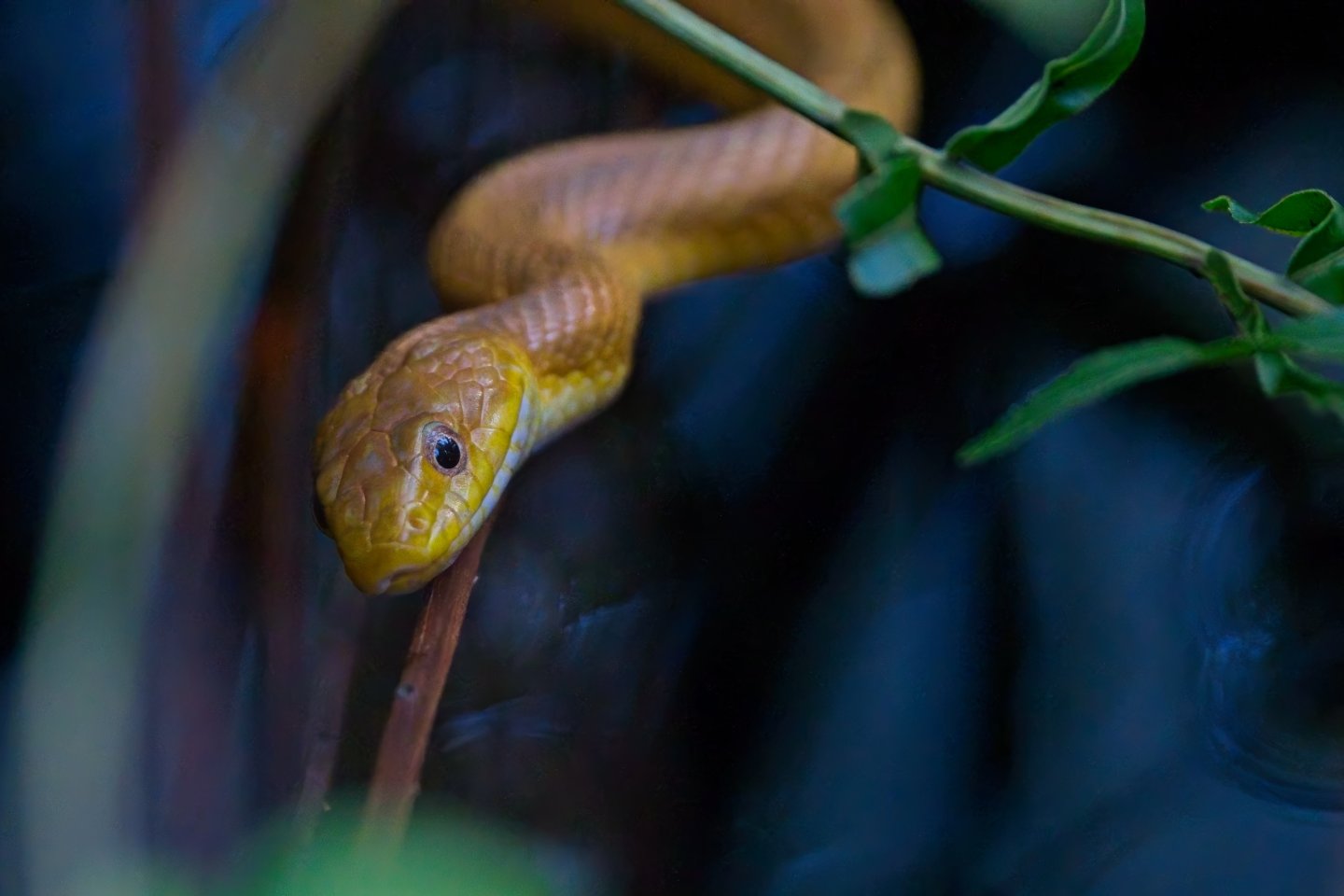
Yellow Rat Snake in Six Mile Cypress Slough Preserve habitat

Yellow Rat Snakes thrive across the varied microhabitats of the Six Mile Cypress Slough Preserve, demonstrating remarkable flexibility within this wetland environment. Understanding how these snakes interact with the cypress slough ecosystem reveals much about the health of the entire area. This post explores the role of the Yellow Rat Snake in navigating the dense vegetation and water margins of the preserve.

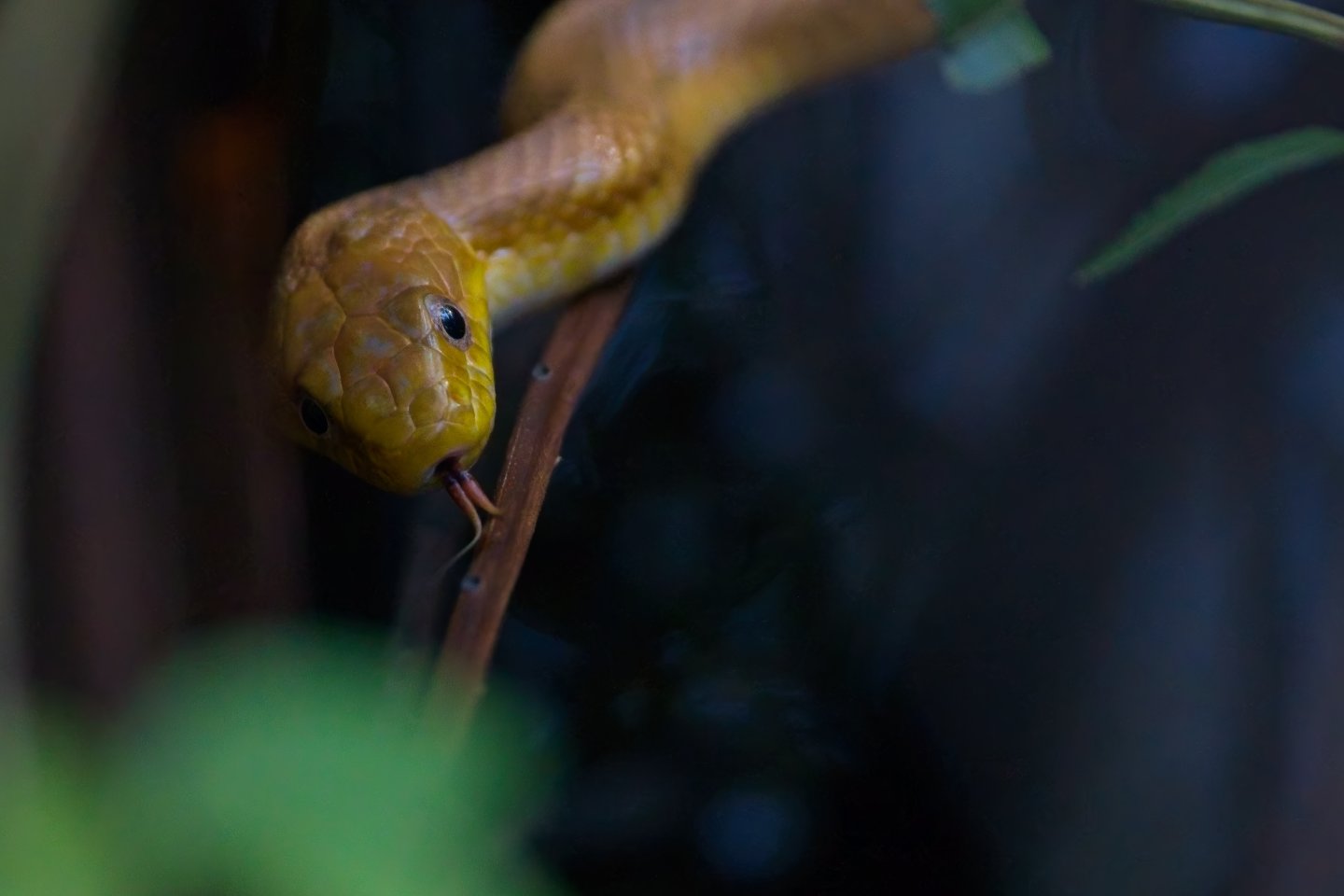
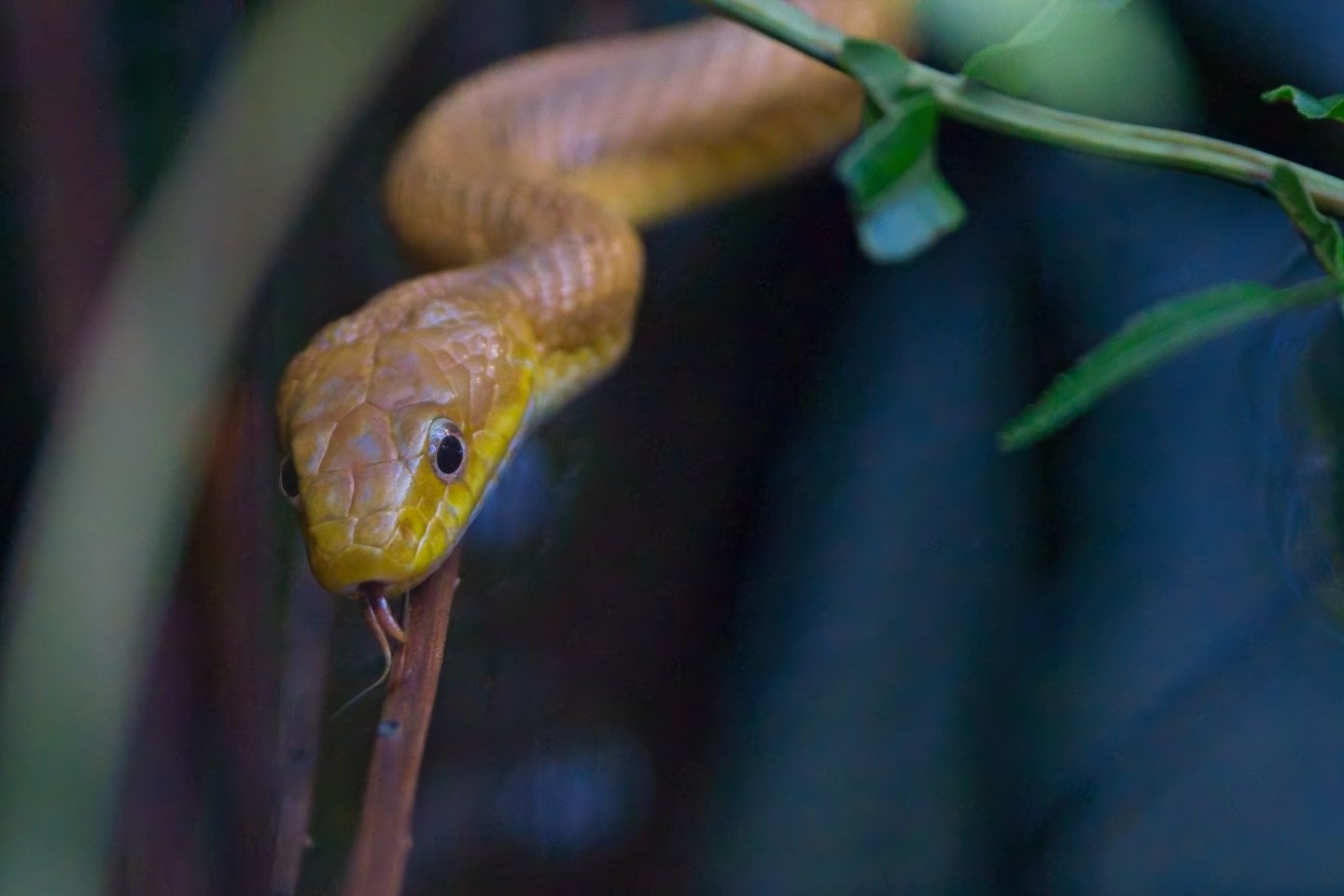
The Yellow Rat Snake utilizes the dense, lush vegetation of the cypress slough as a critical design feature for survival, offering essential camouflage that aids in ambushing prey and avoiding detection by predators. This dense habitat allows the snake to blend seamlessly into the complex surroundings of the cypress swamp.

A characteristic posture often reveals the snake's active foraging strategy, with a lowered head poised intently over a marshy edge, suggesting a diligent investigation for potential meals such as the abundant frogs inhabiting the water margins. This careful positioning shows how the snake actively seeks out food sources within the slough.

These snakes are powerful constrictors, expertly capturing and then suffocating their chosen prey, which typically includes small mammals, numerous bird species, and bird eggs found within the dense habitat. Their presence plays an important role in maintaining the balance of the wetland food web.

The presence of the Eastern Rat Snake within the Six Mile Cypress Slough highlights its adaptability to varied wetland microhabitats, moving effortlessly from the high tree canopy down to the marshy ground below. This broad range of ability allows them to efficiently exploit a wide array of resources across the entire slough environment.

Ultimately, the Yellow Rat Snake is an undeniably crucial component of Florida's complex and interwoven wetland food web, continuing its essential work within the vibrant cypress slough.

#FloridaWildlife #WetlandEcology #CypressSwamp

Yellow Rat Snake in Six Mile Cypress Slough Preserve habitat

Yellow Rat Snake in Six Mile Cypress Slough Preserve habitat

Yellow Rat Snake in Six Mile Cypress Slough Preserve habitat

See more photos on Instagram

Thursday, October 8, 2026

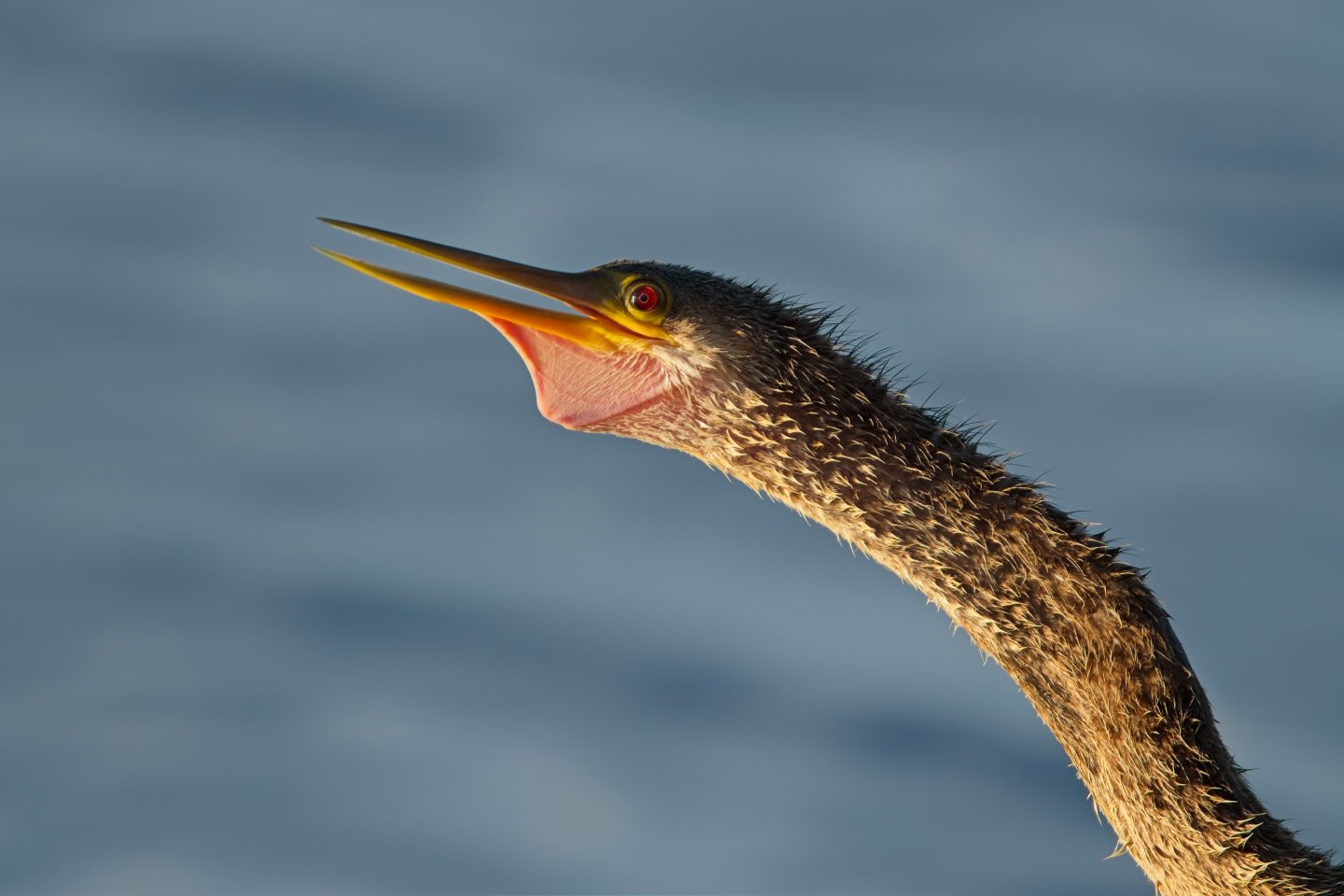
Anhinga in Lakes Park: How to Spot These Waterfowl in Southwest Florida

Anhingas are common year-round residents in freshwater habitats like Lakes Park, where they frequently frequent open water for hunting fish. These fascinating birds are masters of their aquatic environment, perfectly designed for life in Florida's wetlands.

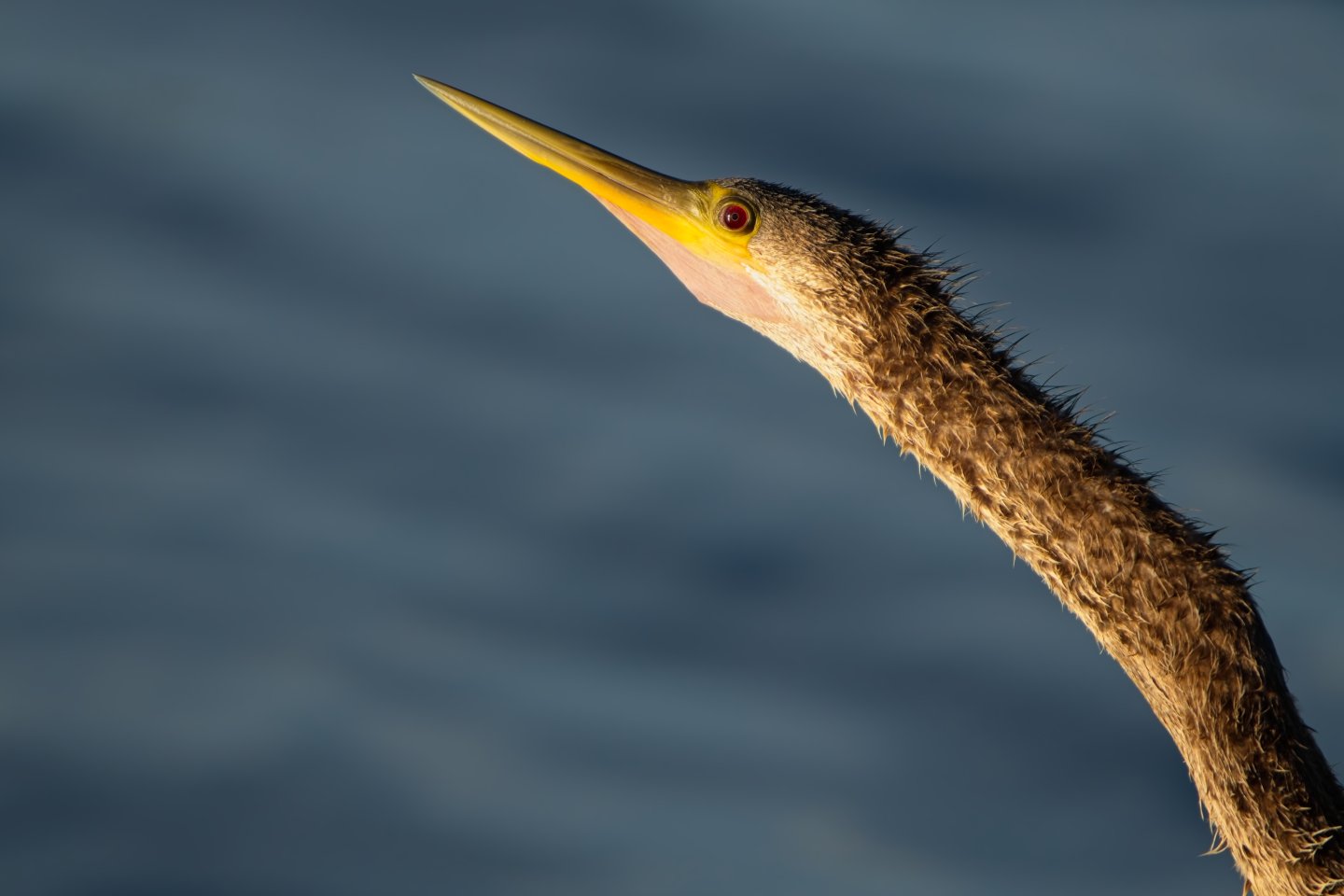
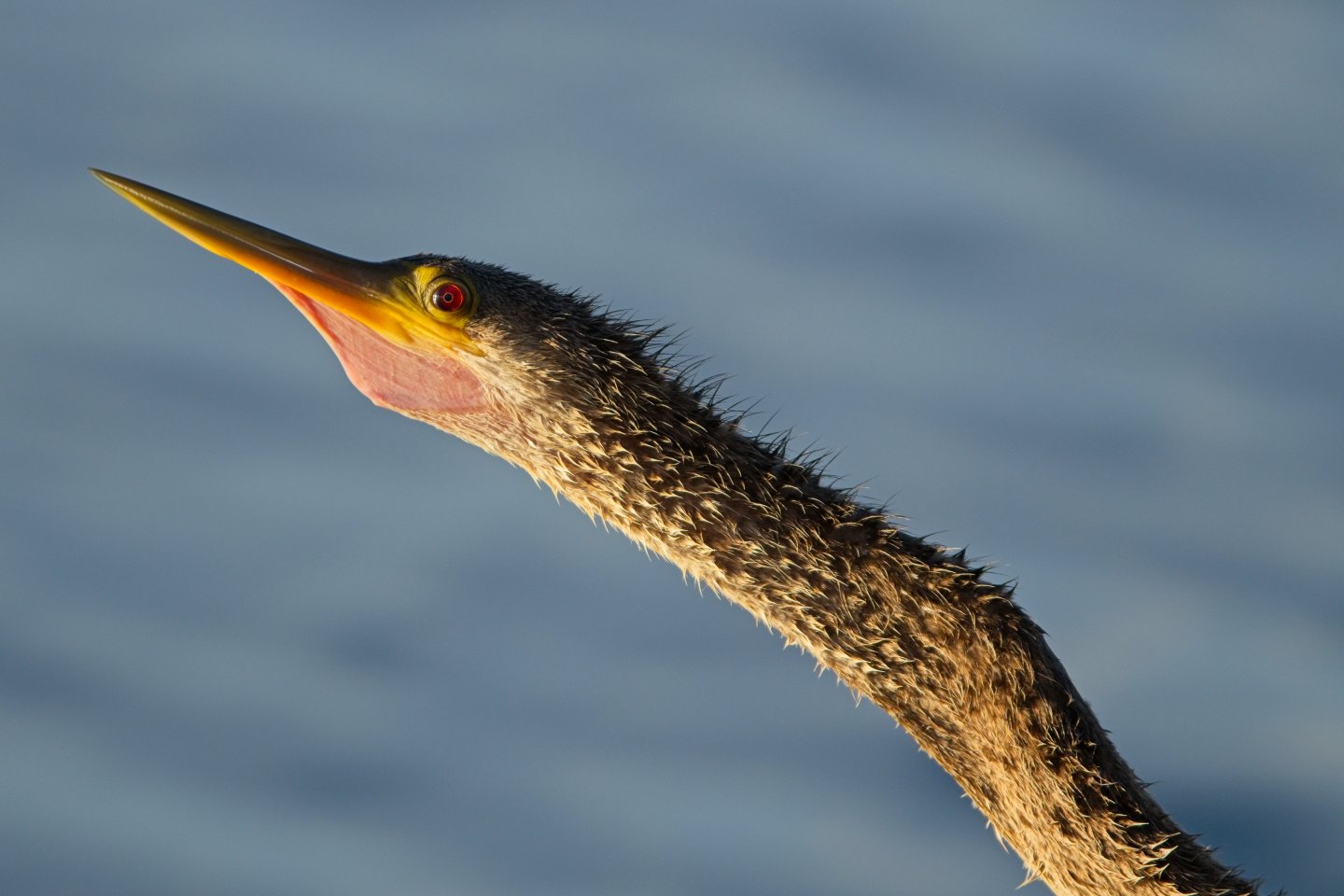
The Anhinga is known as a snakebird because it swims with only its head and long, slender neck visible above the water's surface. This distinctive swimming style allows them to hunt fish effectively beneath the surface of the water. They spend significant time pursuing prey underwater using powerful thrusts to navigate the lake.

These birds require specific behaviors to maintain their health in the water. After extended dives, Anhingas must perch with their wings spread wide to dry their wettable plumage, a behavior known as sunning. This process is crucial for regaining the warmth needed for insulation before their next hunt.

The visual signals on the Anhinga change based on the time of year. The prominent bright yellow mandibles serve as an important visual signal for communication, intensifying in color during the breeding season to attract mates. Adult female Anhingas or immature birds typically display browner heads and necks compared to the glossy black of adult males.

Observing the Anhinga reveals a highly specialized design for its watery world. Every movement and unique behavior speaks to its successful existence within the freshwater systems of Southwest Florida.

#Anhinga #LakesPark #FloridaWildlife

Anhinga in Lakes Park: How to Spot These Waterfowl in Southwest Florida

Anhinga in Lakes Park: How to Spot These Waterfowl in Southwest Florida

Anhinga in Lakes Park: How to Spot These Waterfowl in Southwest Florida

See more photos on Instagram

Wednesday, October 7, 2026

Laughing Gull behavior at Bowman's Beach Florida coast

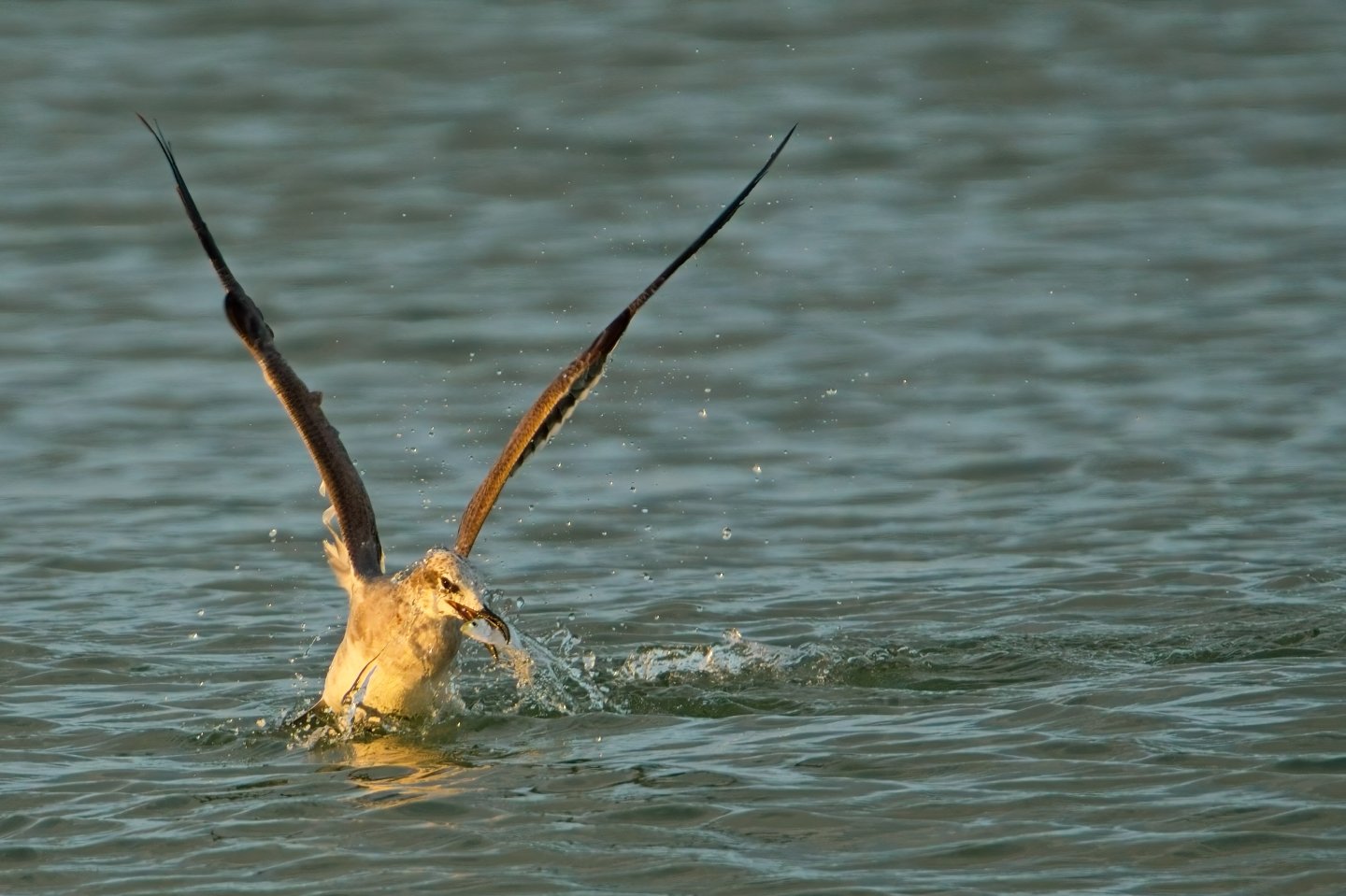
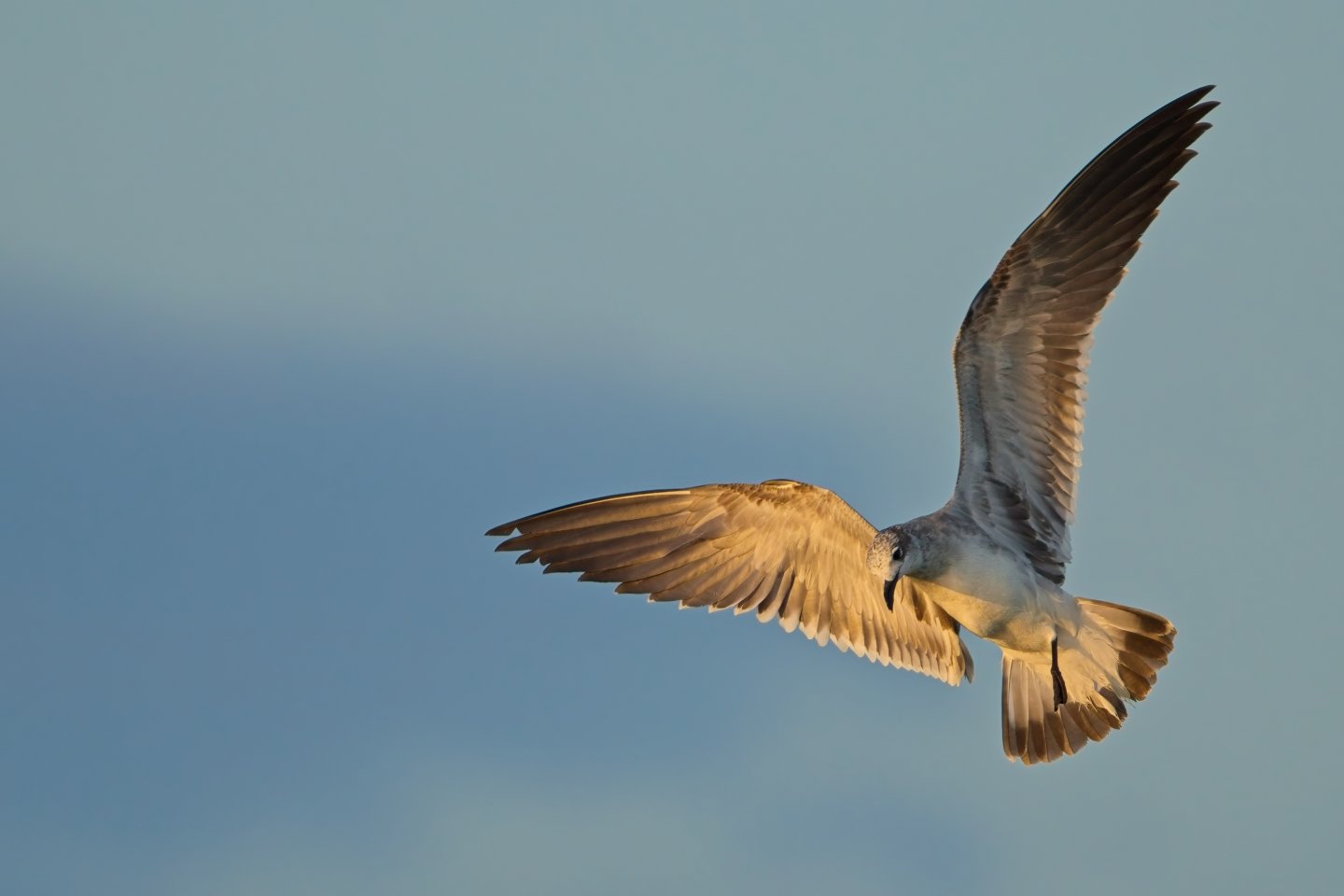
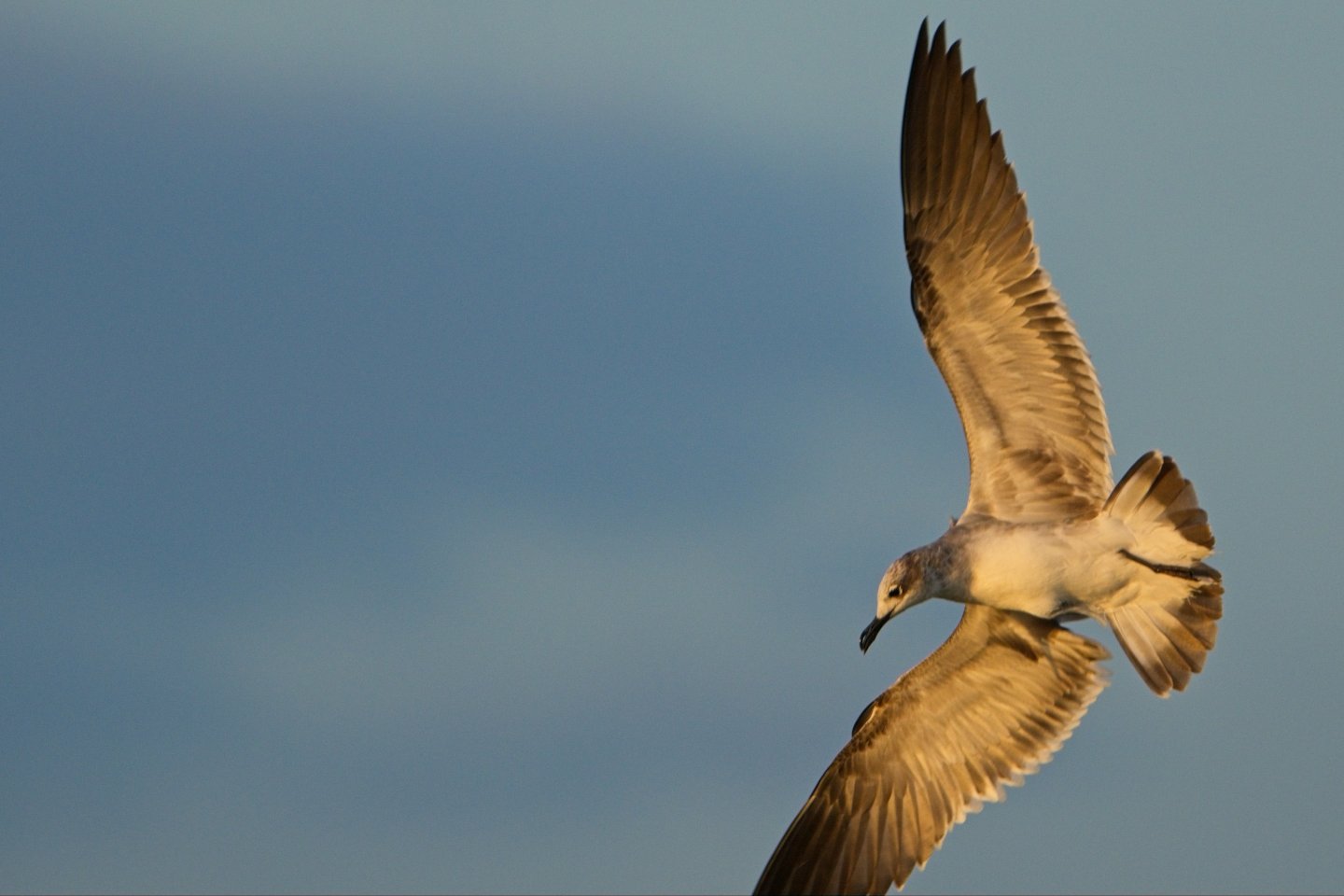
The Laughing Gull moves with powerful motion while foraging along the shallow waters of Bowman's Beach. This energetic seabird exhibits dynamic movement when navigating the constantly shifting shallow surf.

Laughing Gulls frequently forage in loose, adaptable groups, which is a social design that greatly increases their success when hunting for food. The active splashing of one bird can quickly alert others nearby to potential food sources in the water.

These gulls employ a unique foot-paddling technique when working in shallow water environments. The bird vigorously stirs the sediment with its strong, webbed feet to dislodge and capture small invertebrates. This action brings hidden prey to the surface, making it easier to capture.

The broad wings of the Laughing Gull provide the agility needed for rapid maneuvers above and on the water's surface. These wings often spread in a dramatic V-shape during flight, offering the necessary lift and stability for hovering and making rapid turns to snatch prey.

The powerful feet are also utilized for propulsion. When maneuvering forcefully, the strong foot movements generate significant splashing, demonstrating the bird's command over its fluid environment.

The active presence of the Laughing Gull at Bowman's Beach offers a fascinating glimpse into nature's efficiency and the resilient behavior of this species.

#LaughingGull #BowmansBeach #FloridaWildlife

Laughing Gull behavior at Bowman's Beach Florida coast

Laughing Gull behavior at Bowman's Beach Florida coast

Laughing Gull behavior at Bowman's Beach Florida coast

See more photos on Instagram

Tuesday, October 6, 2026

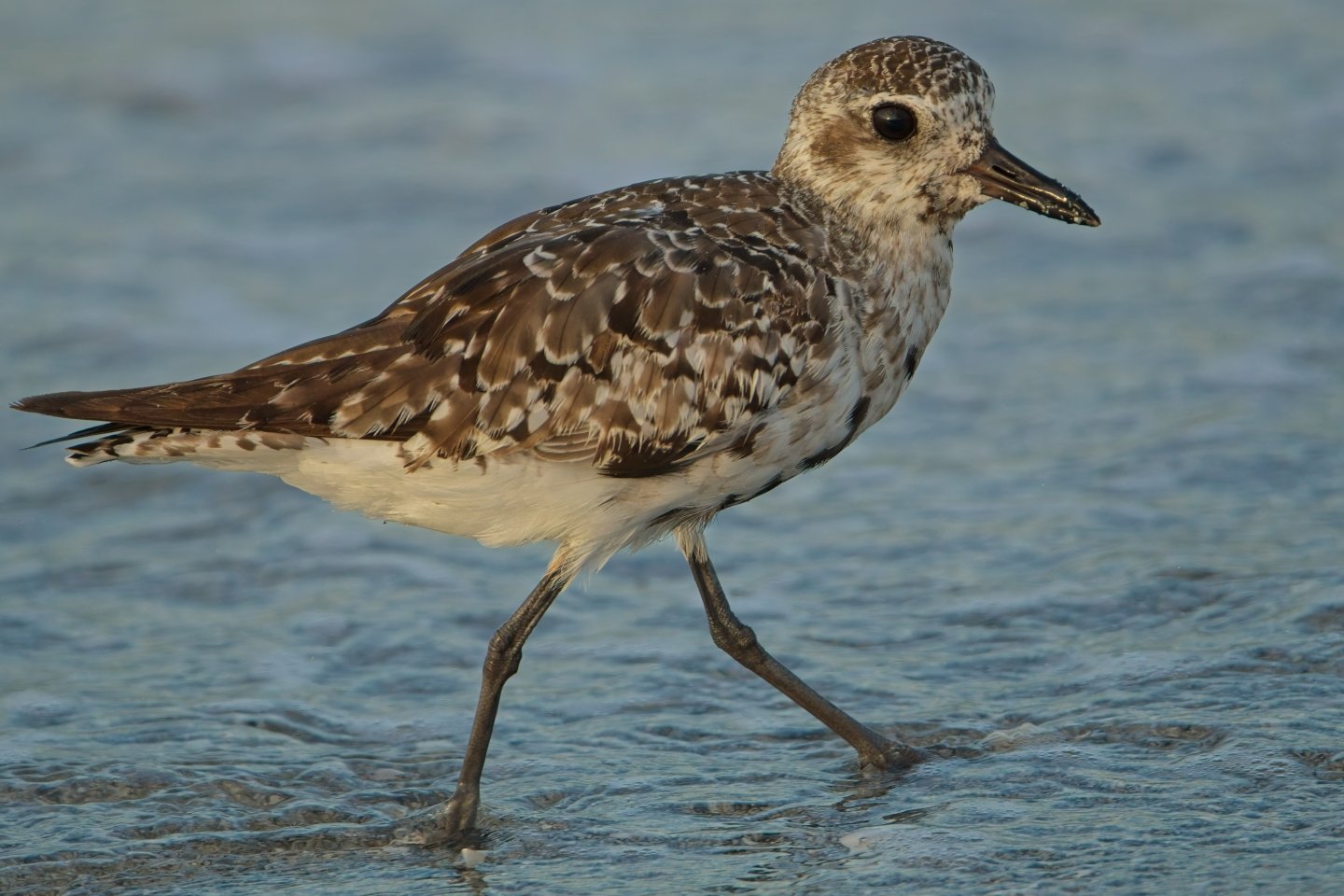
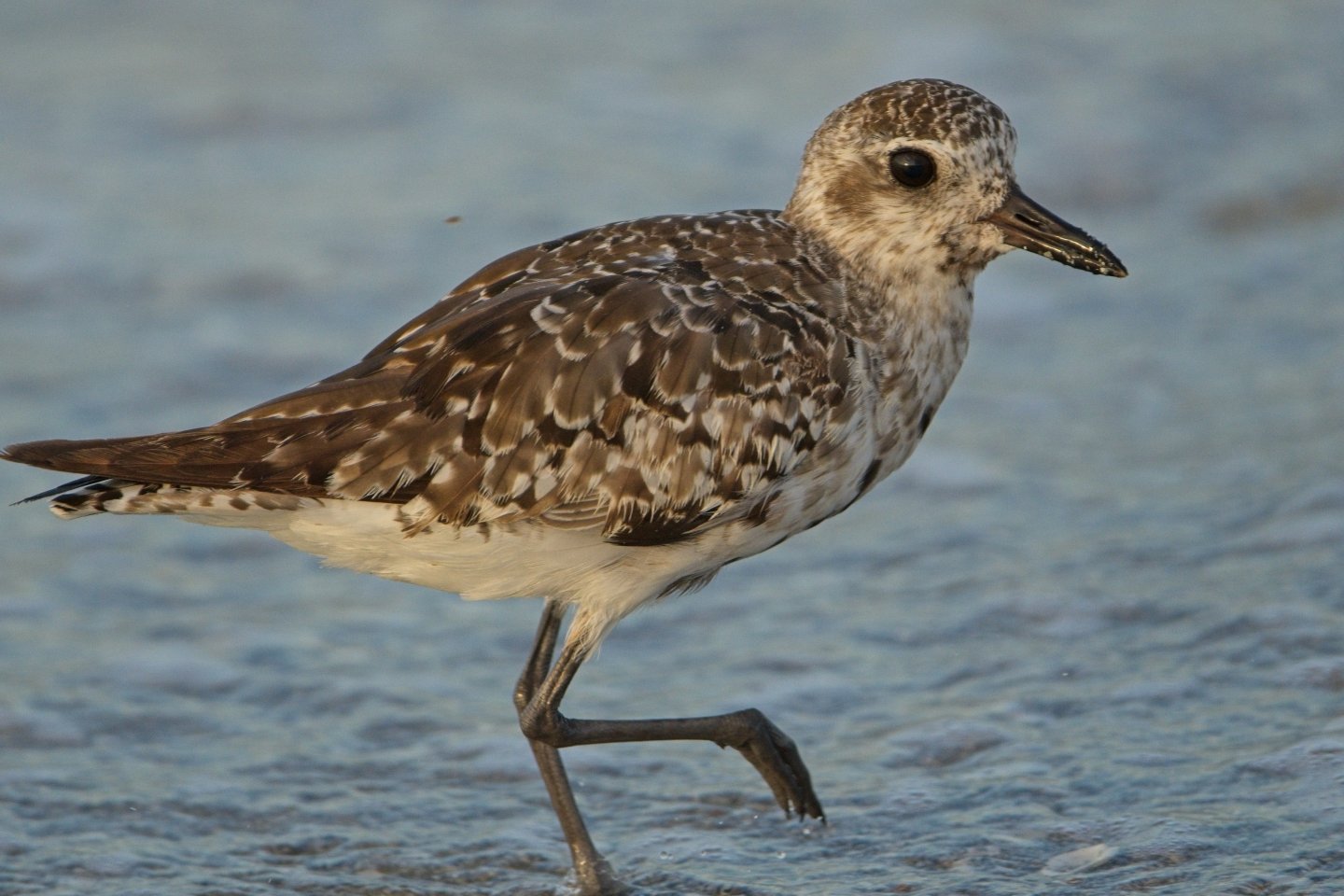
Black-bellied Plover wintering at Bowman's Beach Florida habitat

Recognizing the Black-bellied Plover requires paying attention to its plumage, which offers a distinct visual clue when observing these migratory shorebirds in Southwest Florida. This post explores the presence and seasonal behavior of the Black-bellied Plover in the wintering grounds of Bowman's Beach, detailing how these birds utilize the coastal environment for sustenance. We will look at the specific behaviors that allow these travelers to thrive in this region.

The mottled brownish-gray plumage of the Black-bellied Plover is a key feature observed during their winter stay in Florida. This subtle coloration provides excellent camouflage, allowing the birds to blend seamlessly with the sandy and pebbled surroundings while they rest and forage. This pattern is typical for the species when it displays its non-breeding or winter plumage.

When feeding along the water's edge, the Black-bellied Plover uses its short, stout bill to probe shallowly into the soft sand or mud. This action helps the bird uncover small invertebrates and marine worms hidden just beneath the surface. They also expertly pick prey directly from the surface of pebbles and the seaweed detritus found along the tideline.

Bowman's Beach holds special recognition as part of the Great Florida Birding and Wildlife Trail, underscoring its importance as a habitat for migratory shorebirds like the Black-bellied Plover during cooler months. Southwest Florida beaches, including this area, serve as significant wintering grounds where these birds spend the majority of their non-breeding season.

The sustained presence of these shorebirds annually highlights the immense ecological value of Florida's coastlines. These beaches provide essential feeding, resting, and protection areas for a diverse array of migratory species. Protecting these critical habitats ensures these long-distance travelers have safe havens to refuel and recover throughout the year.

#shorebirds #BlackbelliedPlover #SouthwestFlorida #BowmansBeach

Black-bellied Plover wintering at Bowman's Beach Florida habitat

Black-bellied Plover wintering at Bowman's Beach Florida habitat

Black-bellied Plover wintering at Bowman's Beach Florida habitat

See more photos on Instagram

Monday, October 5, 2026

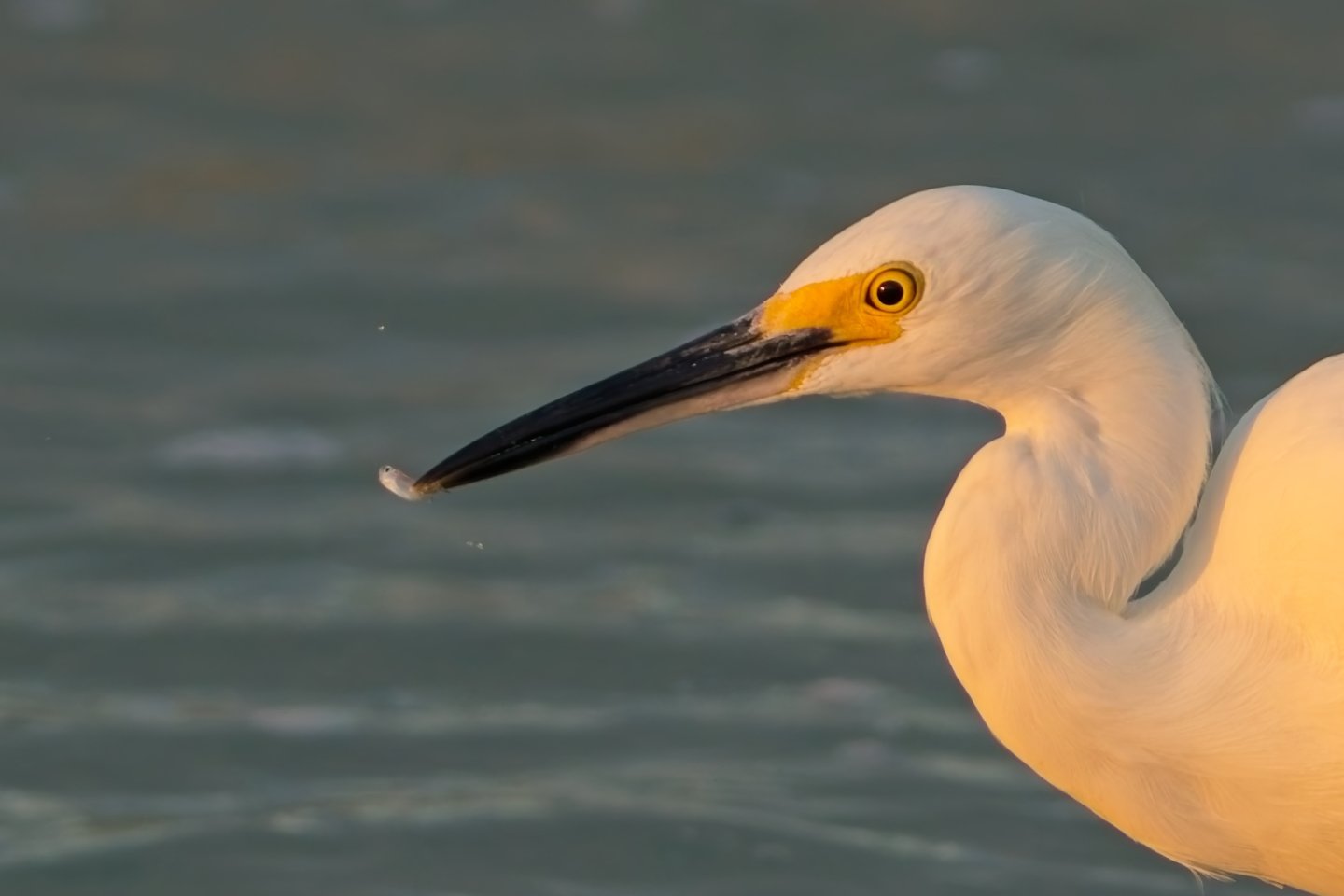
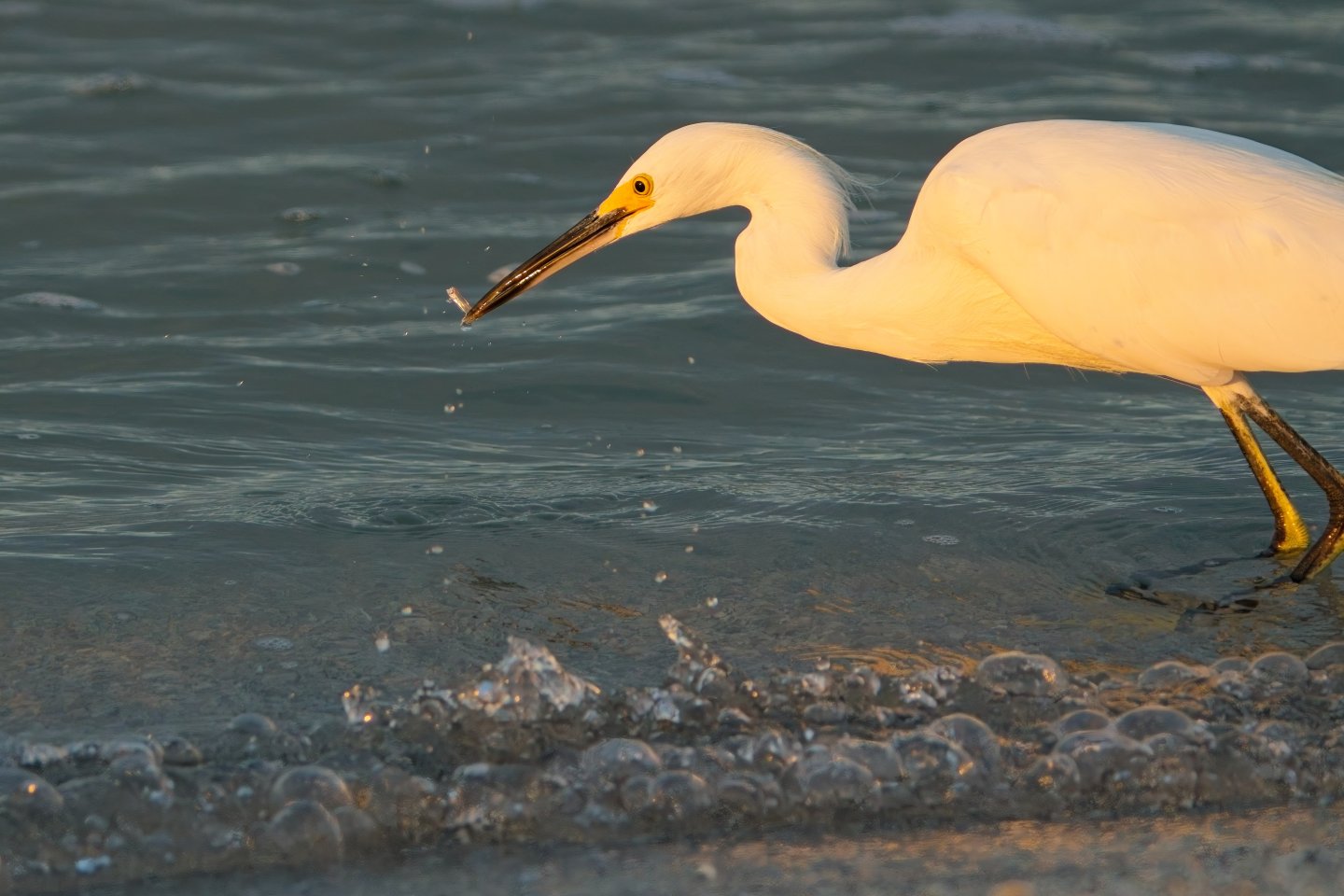
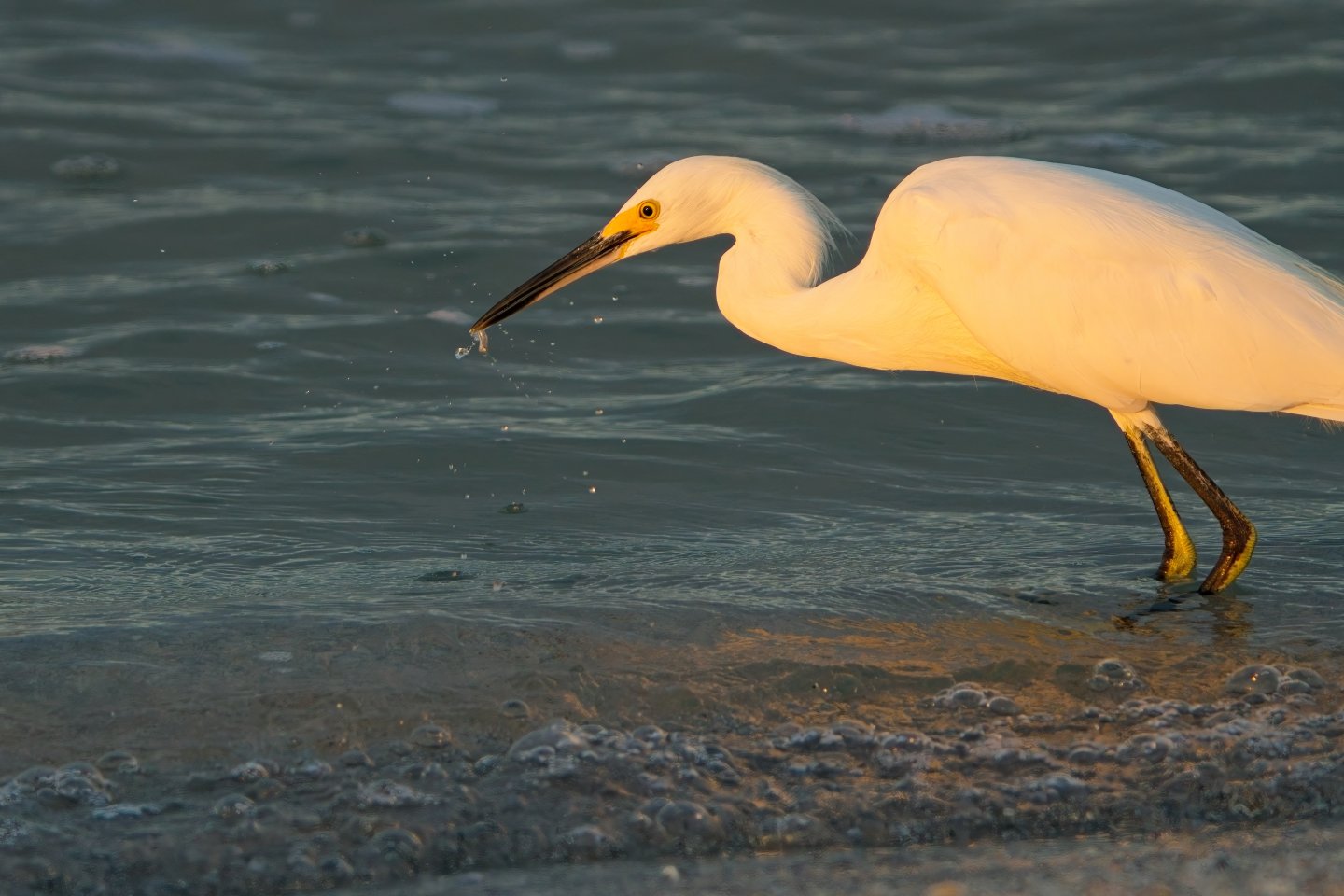
Snowy Egret foraging at Bowman's Beach on Sanibel Island

How Snowy Egrets hunt in the shallow waters of Bowman's Beach reveals the specialized hunting techniques of this coastal bird. This egret relies on a slender, dark bill perfectly adapted for swift, precise strikes to snatch small, agile prey from the water.

Bowman's Beach provides an ideal foraging ground for Snowy Egrets because of its extensive shallow waters and abundant tidal flats. These dynamic conditions create a rich natural larder of small marine life, making the area a prime location for these wading birds.

Snowy Egrets specifically prefer to hunt in very shallow water, often wading through depths that just cover their yellow feet. This strategic choice maximizes their ability to spot and capture elusive aquatic prey with remarkable ease.

The bird uses its distinctive bright yellow feet in another fascinating way when hunting. These feet are sometimes used to prod the substrate for food, effectively startles hidden food items into view.

A closer examination of the egret shows that the skin between its eye and bill, known as the lores, changes color depending on the season. During the breeding season, this skin intensifies to a vibrant orange-yellow or reddish hue, signaling the bird's readiness to mate.

Every aspect of the Snowy Egret’s form speaks to its remarkable success in diverse coastal environments, demonstrating how specialized features help these active birds survive in the wetland ecosystem.

#SnowyEgret #BowmansBeach #SanibelIsland

Snowy Egret foraging at Bowman's Beach on Sanibel Island

Snowy Egret foraging at Bowman's Beach on Sanibel Island

Snowy Egret foraging at Bowman's Beach on Sanibel Island

See more photos on Instagram

Sunday, October 4, 2026

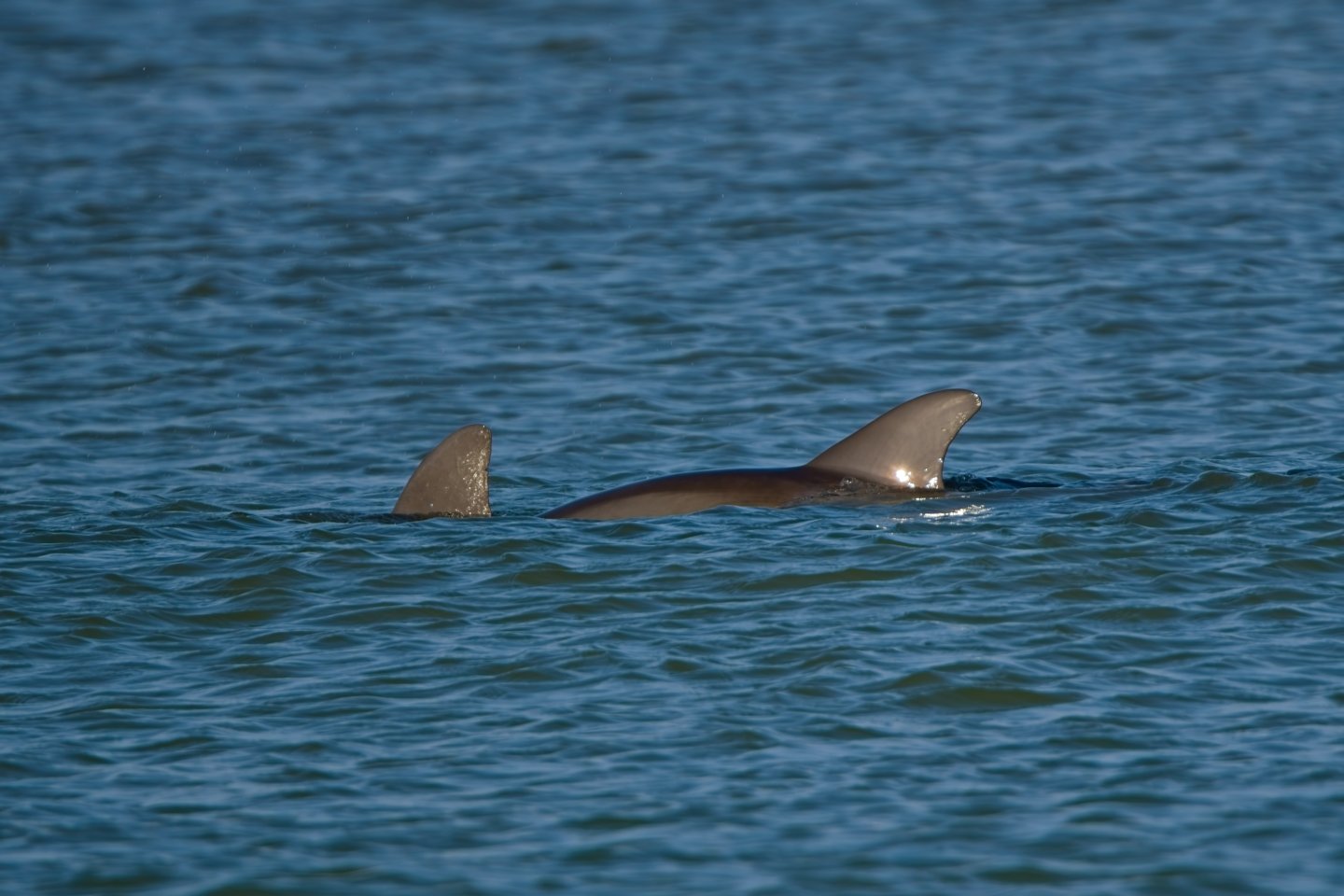
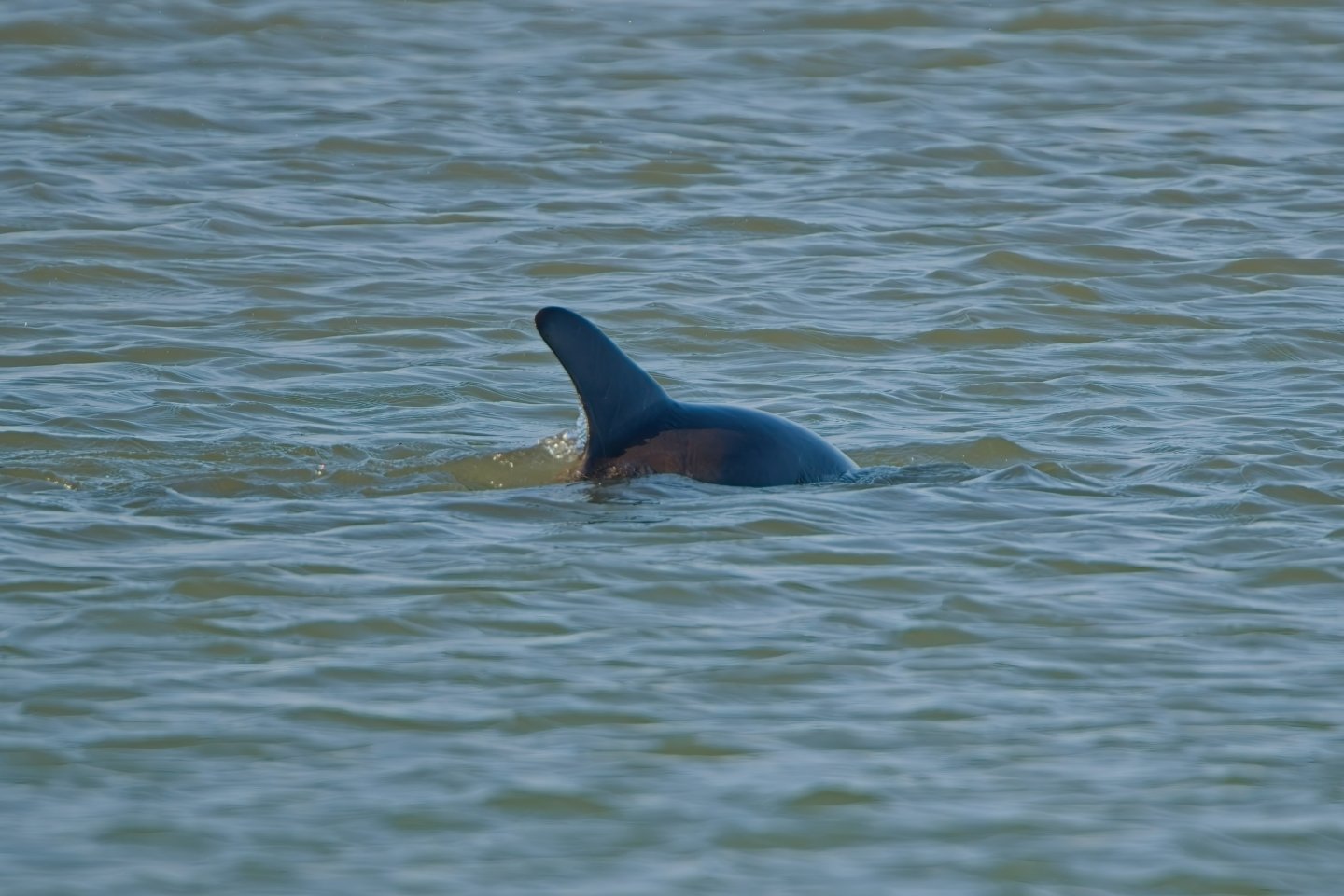
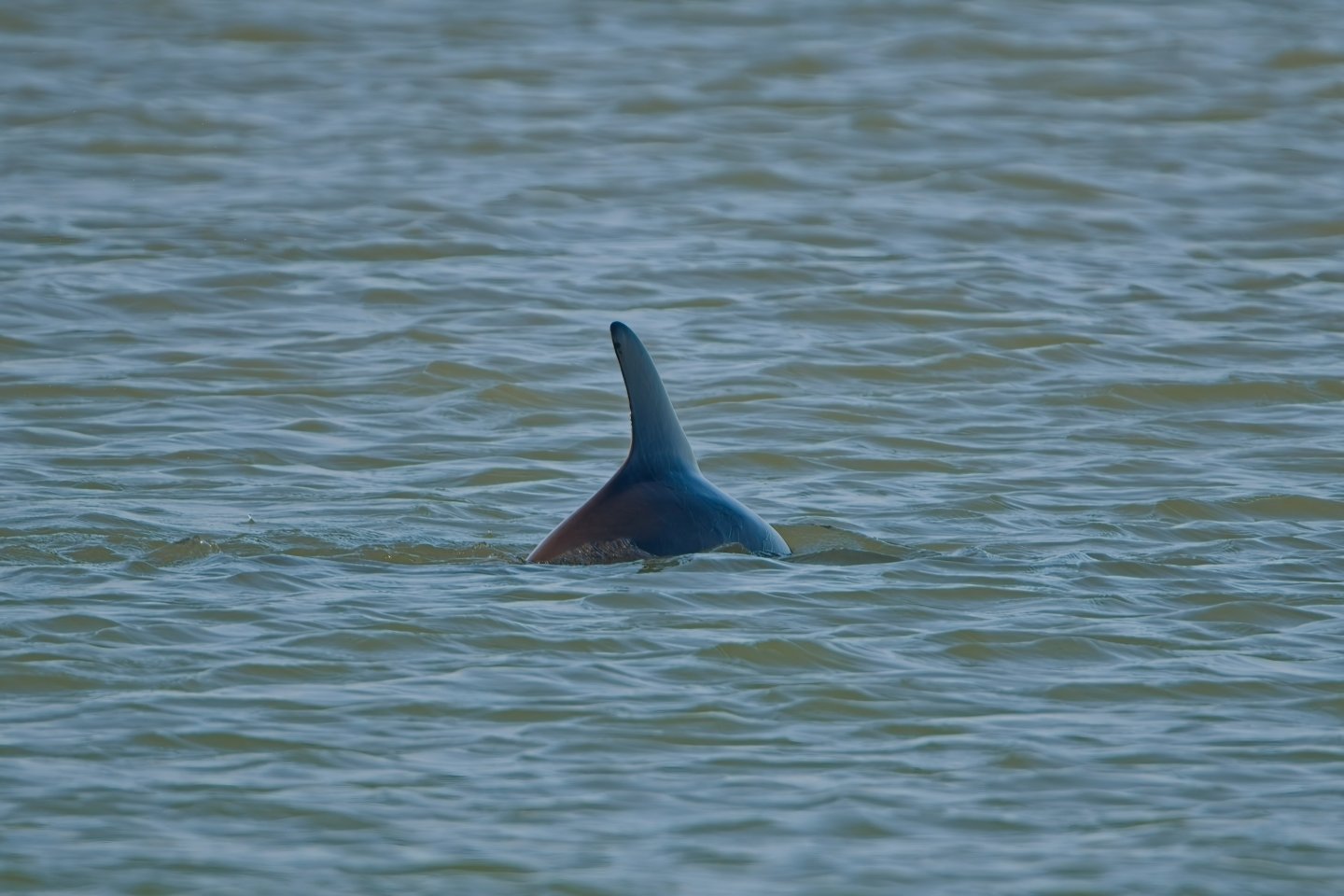
Dolphins swimming near Bowman's Beach

Bottlenose dolphins move smoothly through the water near Bowman's Beach. Their sleek, fusiform body shape is a hydrodynamic adaptation that allows them to move efficiently with minimal drag through the bay. This streamlined design is key to their agility as they hunt in the coastal waters.

Dolphins must regularly break the water's surface to breathe, which involves exhaling spent air and inhaling fresh oxygen through their blowhole. During typical swimming, a dolphin usually surfaces for air every one to two minutes, appearing to glide smoothly across the surface.

These marine mammals use keen eyesight, which operates effectively both above and below the water's surface, aiding in navigation and spotting prey. This acute vision allows them to track movement across the varied aquatic landscapes of the bay.

Bottlenose dolphins frequently inhabit the shallow, nearshore, and estuarine waters around barrier islands like Sanibel, providing them with ideal environments to forage and live. This close proximity to land makes them a familiar sight for those exploring the Florida Gulf Coast shores.

Their presence in these rich coastal ecosystems indicates a healthy nearshore environment. Protecting these specific habitats is vital for the long-term well-being of bottlenose dolphins.

Dolphins swimming near Bowman's Beach

Dolphins swimming near Bowman's Beach

Dolphins swimming near Bowman's Beach

See more photos on Instagram