Ruddy Turnstone at Bowman's Beach
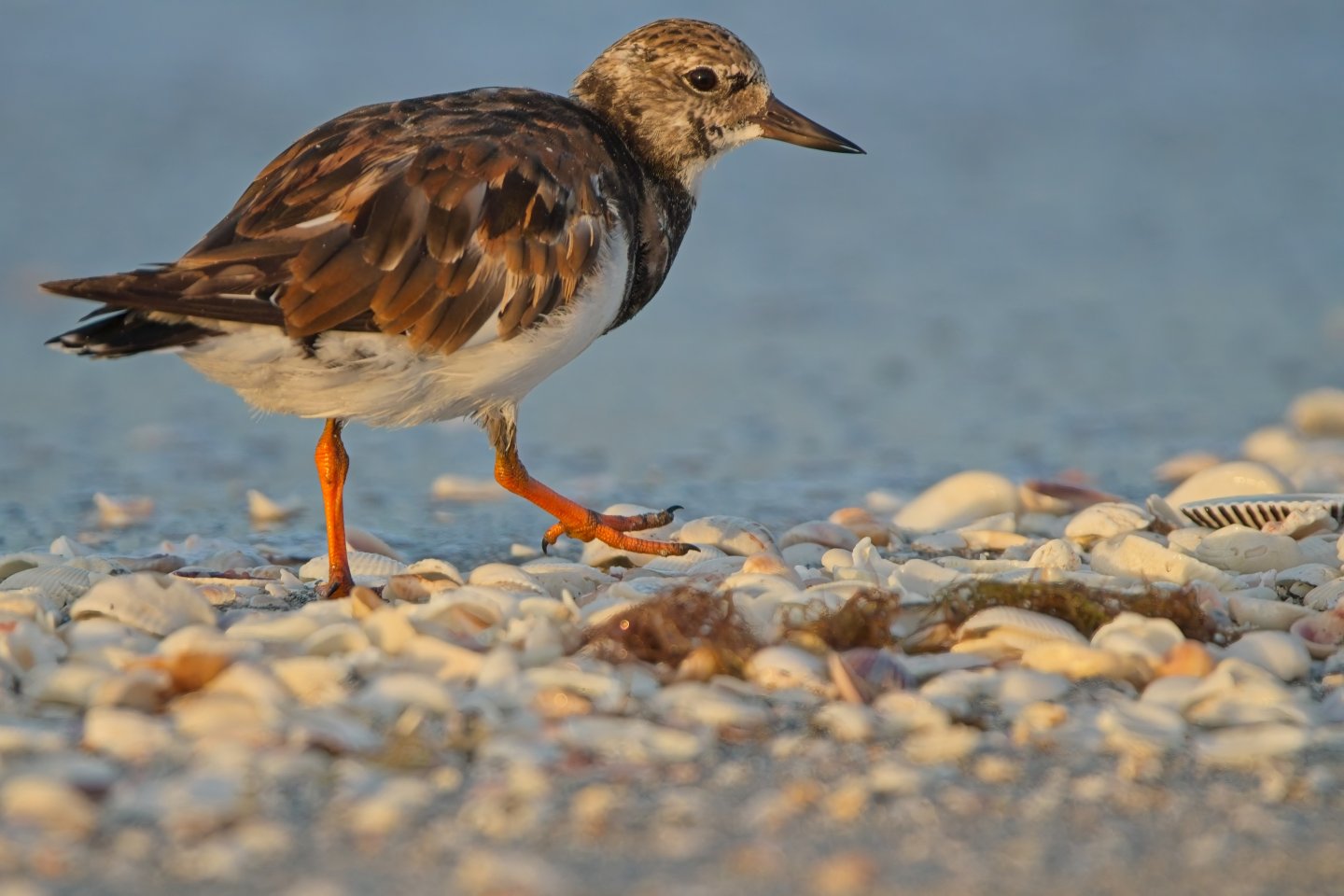
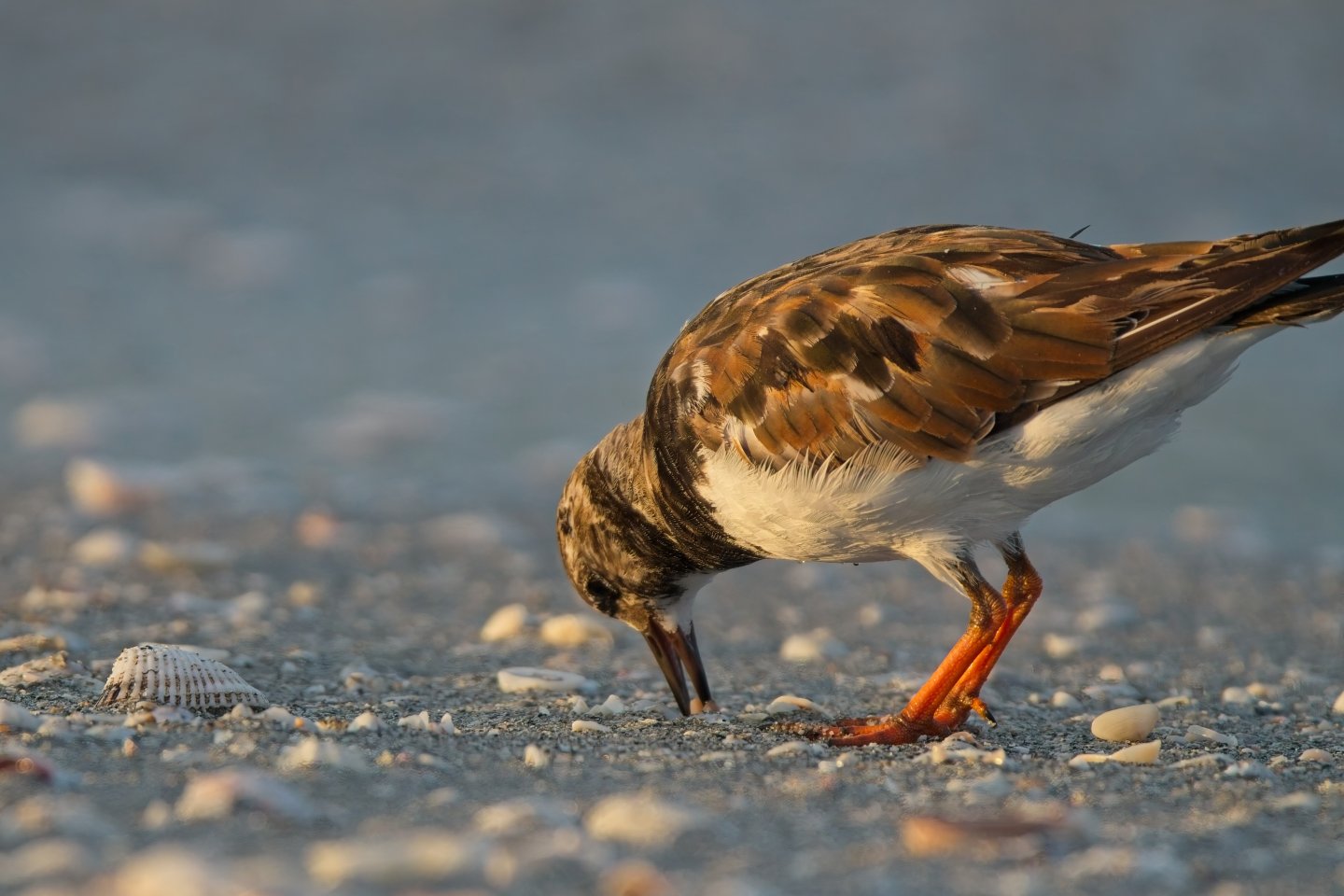
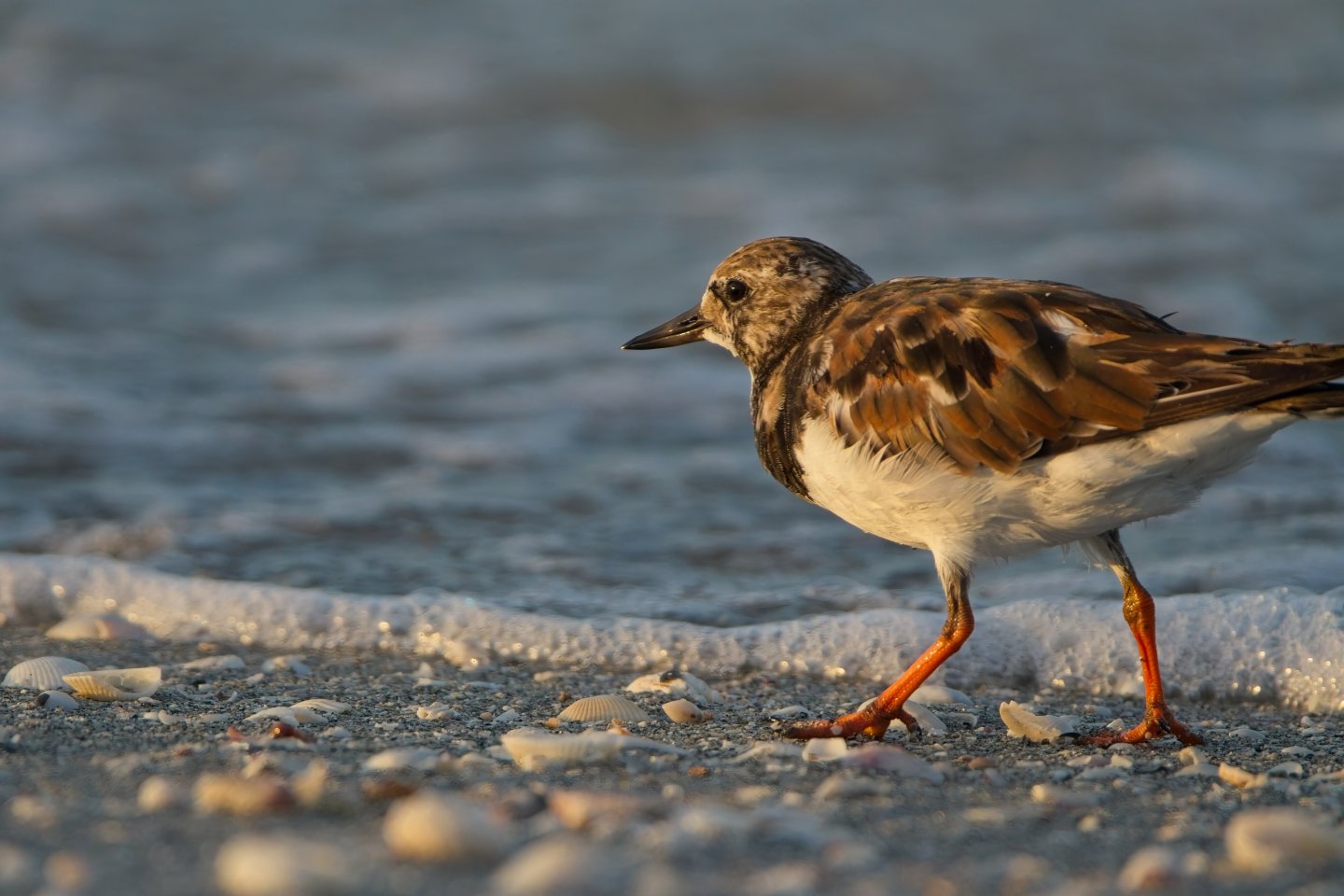
The Ruddy Turnstone forages among the scattered shells and seaweed debris along the shell-covered beach at Bowman's Beach. This post explores the specific behaviors and physical characteristics of this shorebird as it navigates the intertidal zone. We will learn how this species interacts with the coastal environment and what drives its feeding patterns on the beach.
The Ruddy Turnstone actively seeks out marine invertebrates to sustain itself on beaches like Bowman's. Its diet is composed primarily of crustaceans, mollusks, and insect larvae found within the debris and wrack lines scattered across the shoreline. These small shorebirds are busy foragers, working the shoreline at various times of day to find sustenance.
The bird’s physical design provides specific visual cues against the beach backdrop. The Ruddy Turnstone displays a complex pattern of brown, black, and white markings on its upperparts, which aids in its visual presentation against the varied textures of the beach environment. A truly prominent and easily identifiable field mark is the bird's bright orange legs, which are visible in all plumages.
The activity of the Turnstone is often synchronized with the rhythm of the tides. These birds actively forage at various times, often coinciding their activity with low tides to access newly exposed food sources churned up by the waves. This timing allows them to access a wealth of marine life made available by the changing water levels.
Remarkably, Ruddy Turnstone chicks are precocial, meaning they are well-developed at hatching. This development allows them to forage for themselves shortly after leaving the nest, beginning their life of constant searching among the coastal debris.
#shorebird #BowmansBeach #BirdWatching
No comments:
Post a Comment