Zebra Longwing at Audubon Corkscrew Swamp Sanctuary
The Zebra Longwing butterfly is a fascinating insect that thrives in wetland edges and subtropical hammocks, making habitats like Audubon Corkscrew Swamp Sanctuary perfectly suited for its existence. This post explores the specific behaviors and biological characteristics of the Zebra Longwing as it interacts with the floral resources found within the sanctuary. We will examine how this butterfly utilizes its environment for sustenance and survival in this unique Florida ecosystem.
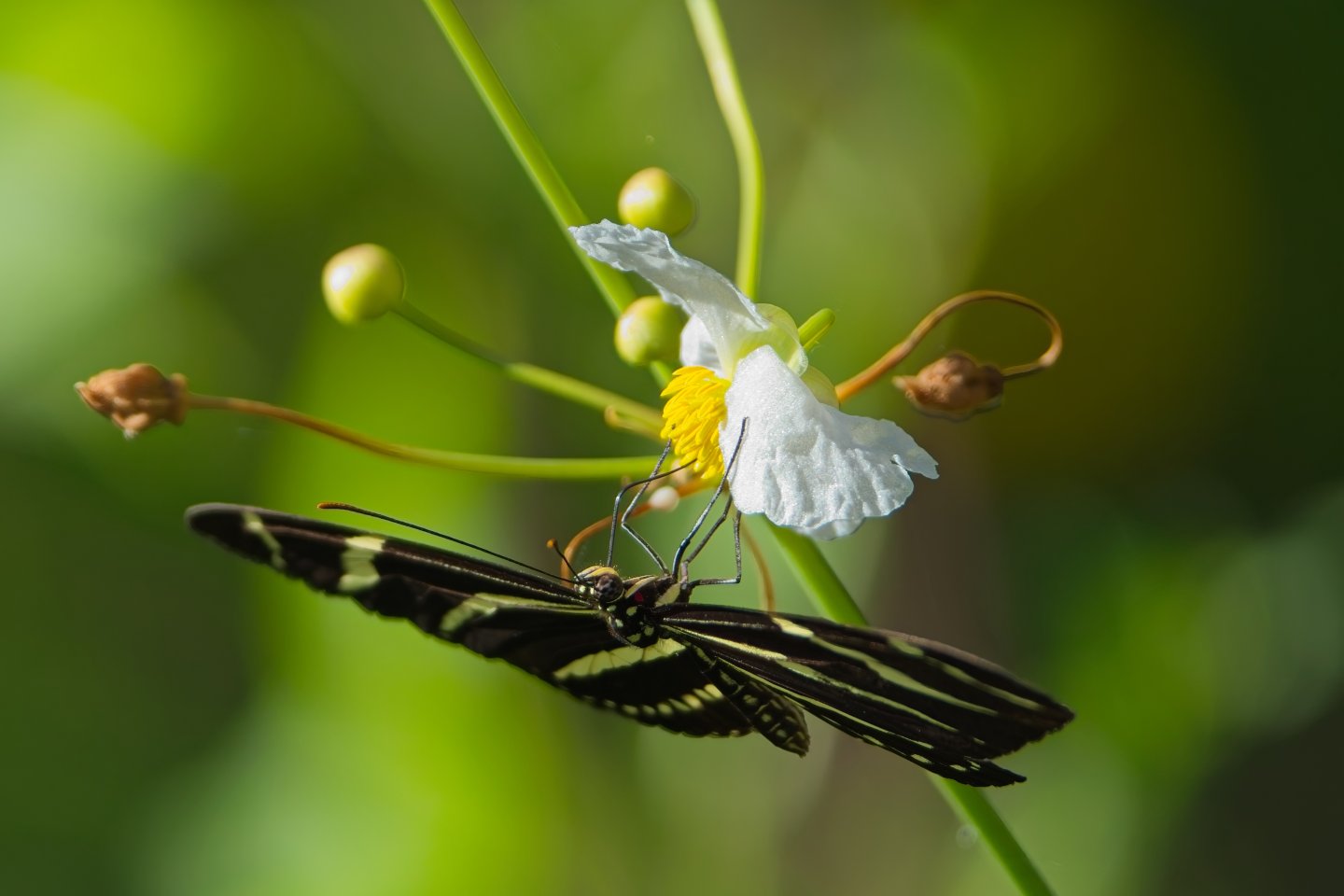
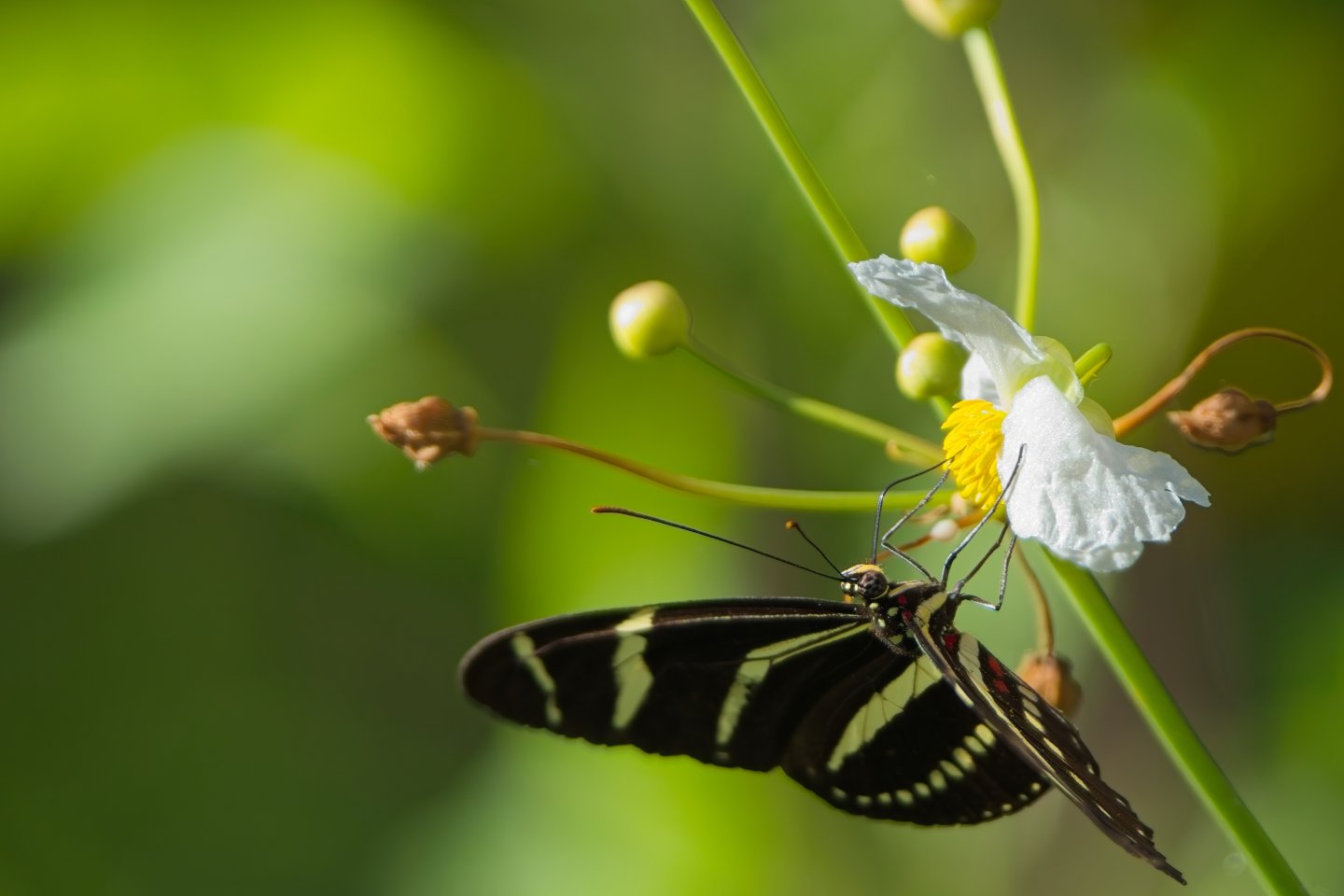
Zebra Longwings are particularly attracted to white, pink, and purple flowers, especially those that offer abundant pollen sources for feeding. The butterfly consumes pollen in addition to nectar, digesting it to obtain essential amino acids, which allows the insect to maintain a significantly longer lifespan than many other butterfly species. This dietary behavior is key to their extended life cycle.
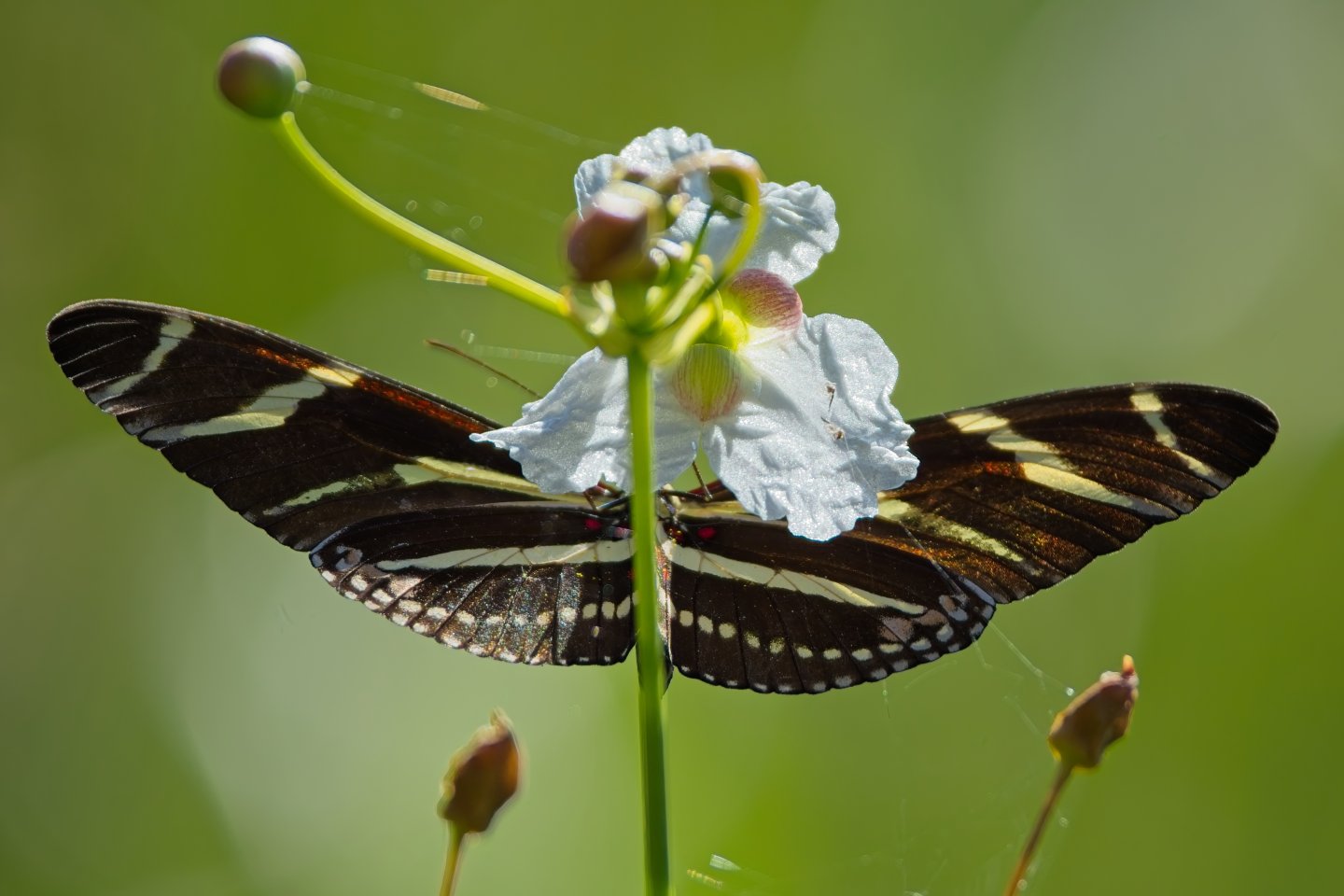
The butterfly often basks in bright daylight, orienting its large wings to absorb solar energy and effectively regulate its body temperature throughout the day. This basking behavior is crucial for the butterfly to achieve the necessary warmth for flight and activity.
The distinctive black and cream striped pattern on the Zebra Longwing serves as a warning signal to predators about its toxicity. This visual design communicates to potential threats that the butterfly is unpalatable. Furthermore, their large wings and toxic nature contribute to a slow, deliberate flight pattern, signaling to predators that they are difficult to catch.
The Zebra Longwing’s existence is tied closely to its environment, as these insects thrive in wetland edges and pinelands, which is why habitats such as Audubon Corkscrew Swamp Sanctuary are so important for their survival. They also gather in communal roosts at night, often returning to the same location with dozens of individuals.
#ZebraLongwing #FloridaWildlife #WetlandEcology
No comments:
Post a Comment