Lion behavior in captive environments, such as Zoo Miami, offers important insights into the natural lives of these magnificent predators. This post explores how zoological institutions design habitats to mirror the open grassy savannas where lions naturally thrive, and the specific ways lions communicate and navigate their surroundings.
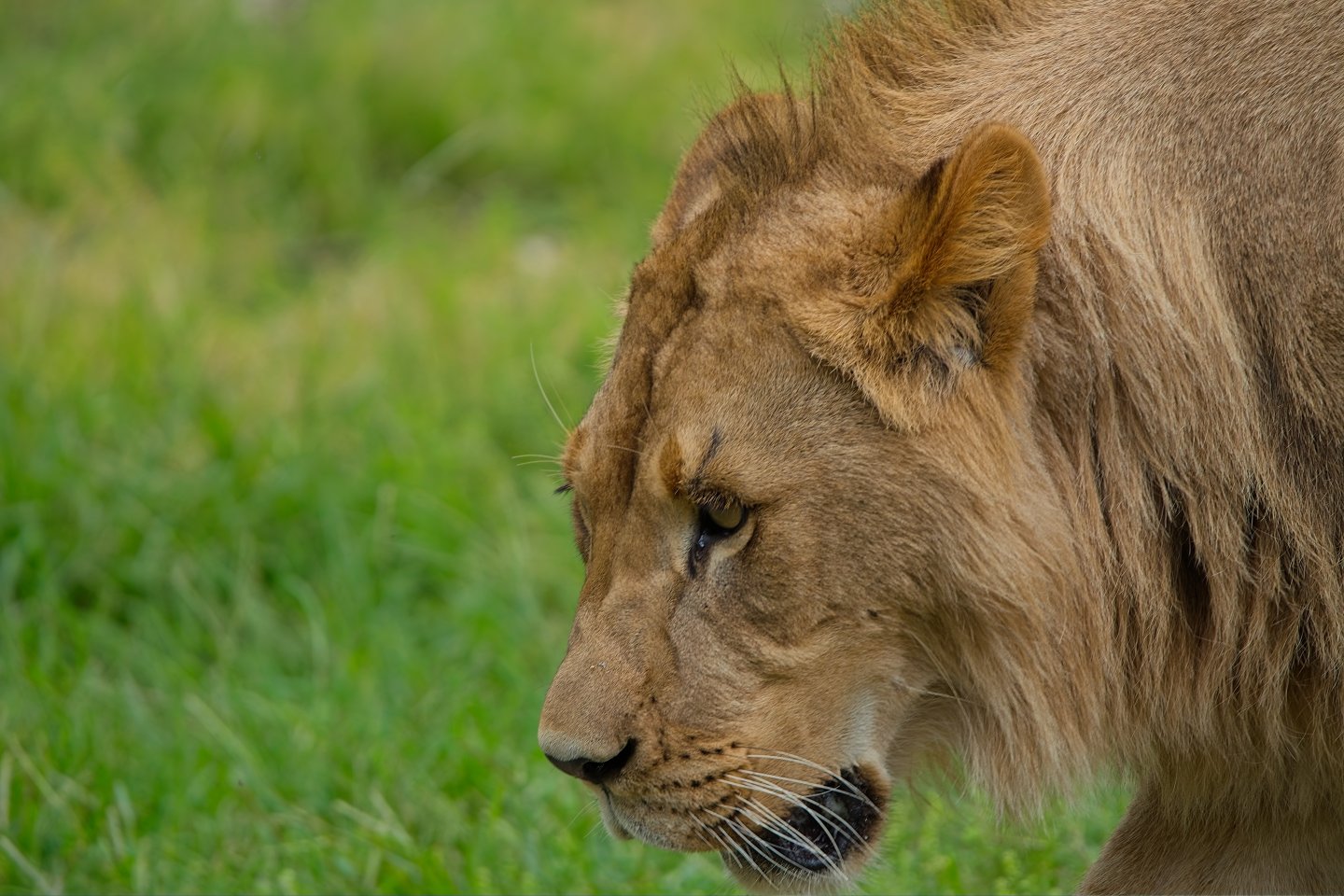
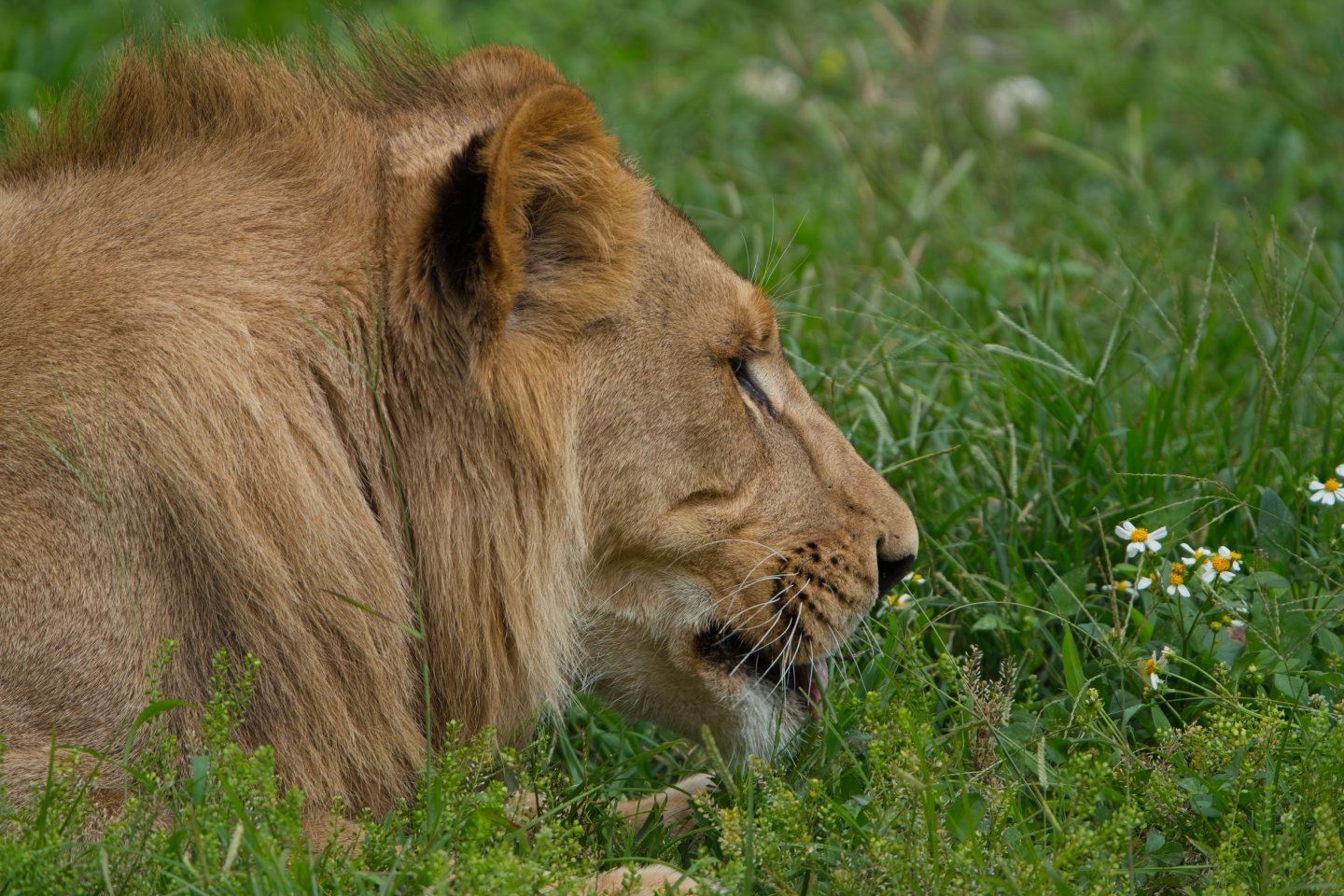
The tawny coloration of a lion's fur provides effective camouflage, allowing it to blend seamlessly into the various shades of grassy and open habitats when observing or stalking. Zoological institutions like Zoo Miami replicate these open grassy environments to ensure the lions have the space necessary for natural behaviors.
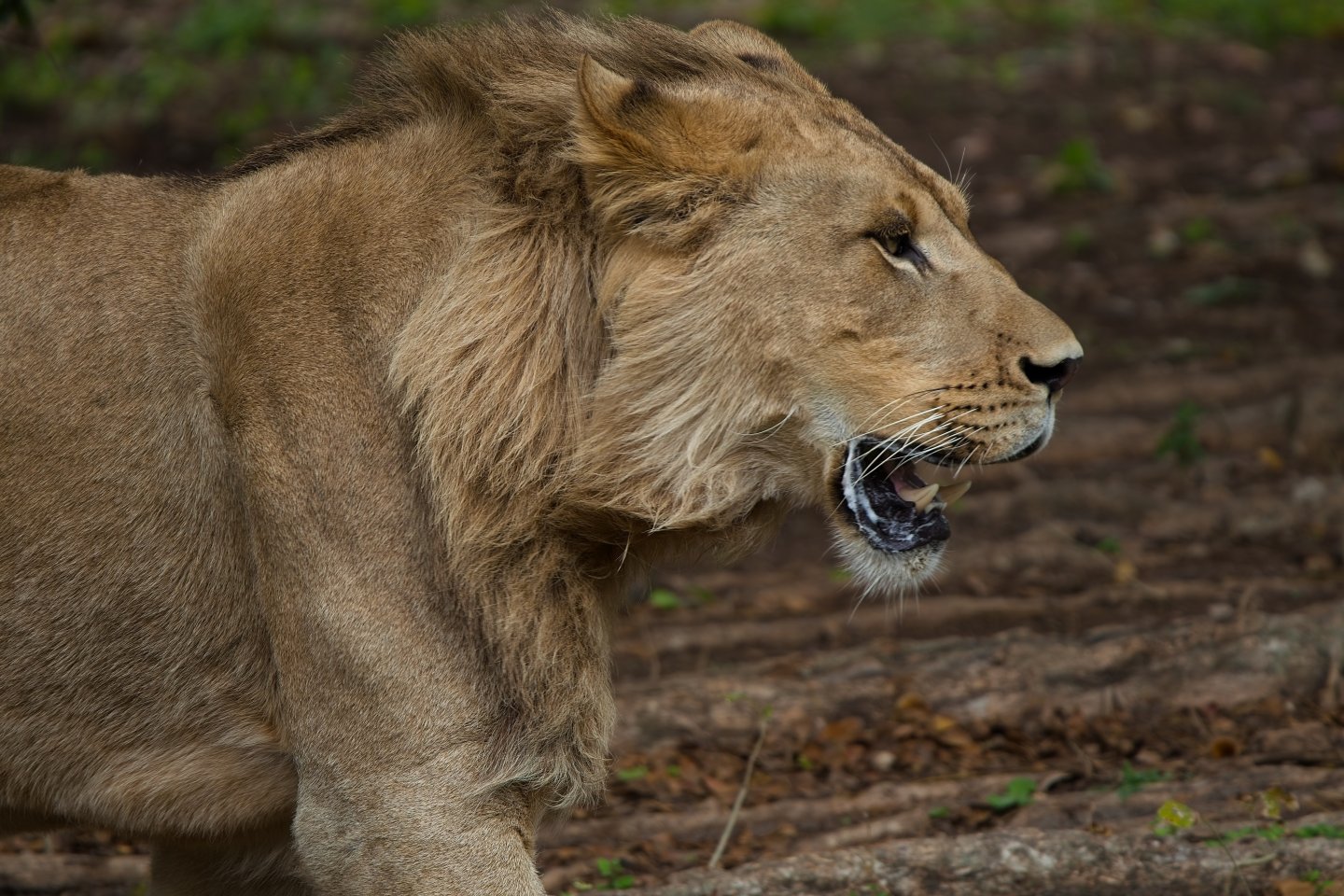
Male lions frequently patrol their territories, moving deliberately to survey their domain and mark their presence. This patrolling behavior is a deliberate action used by males to assert dominance and communicate boundaries to other lions within their group.
Male lions use scent marking, such as spraying urine, while moving through their territory to communicate boundaries and status to rivals and pride members. Rubbing glands on objects also leave vital olfactory messages for rivals and pride members, ensuring the established social structure is understood.
Lions possess an array of highly specialized sensory tools to navigate their world. Their long, sensitive whiskers, known as vibrissae, are crucial for perceiving immediate surroundings, especially in low light, aiding their nocturnal activity. Furthermore, male lions can rotate their ears independently up to 180 degrees, allowing them to pinpoint the exact location of sounds when surveying their environment.
Accredited zoos like Zoo Miami actively participate in Species Survival Plans for lions, diligently managing captive populations to maintain genetic diversity and health. These facilities also play a crucial role in public education by raising awareness about the conservation challenges facing wild lion populations.
#Lion #ZooMiami #Wildlife