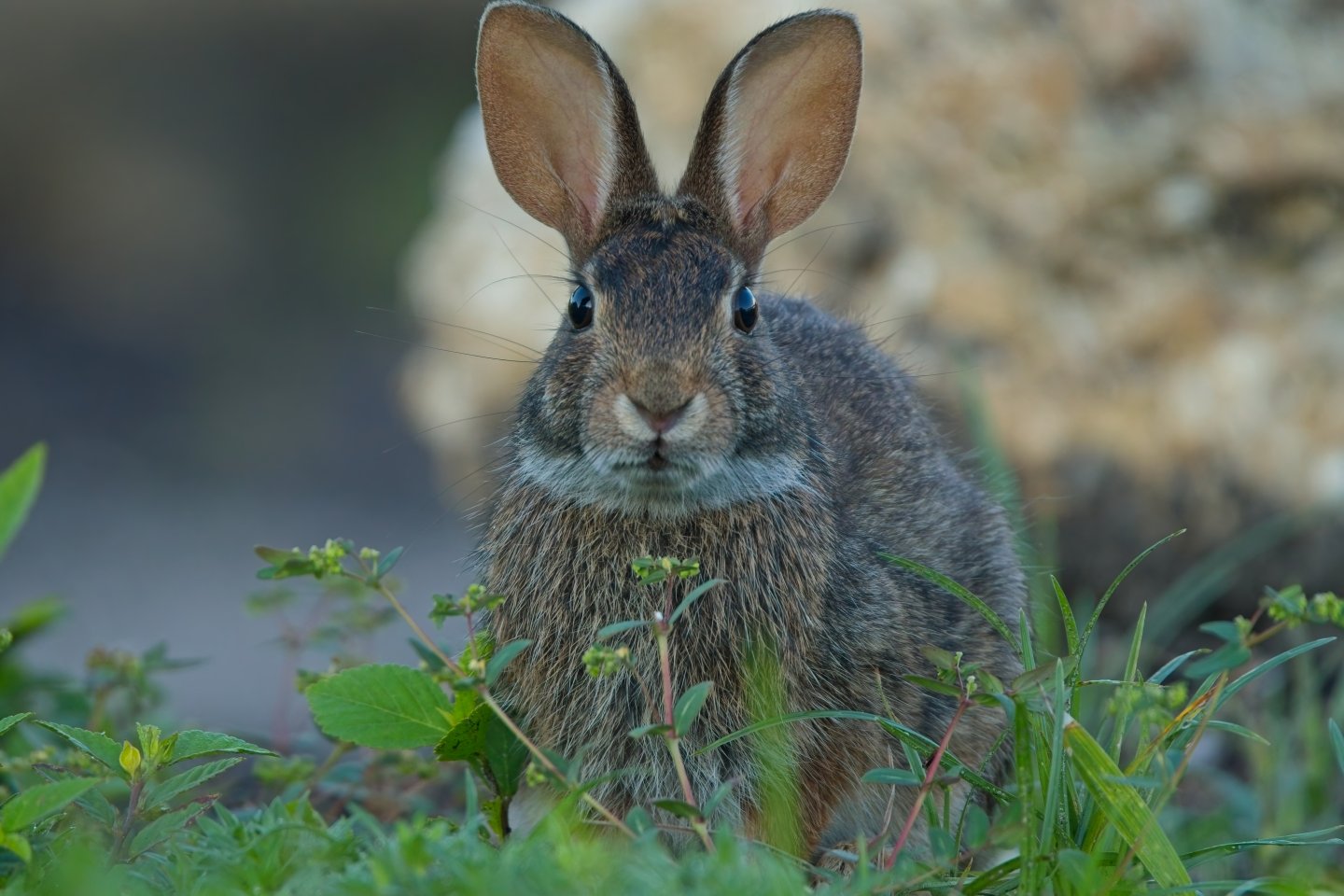
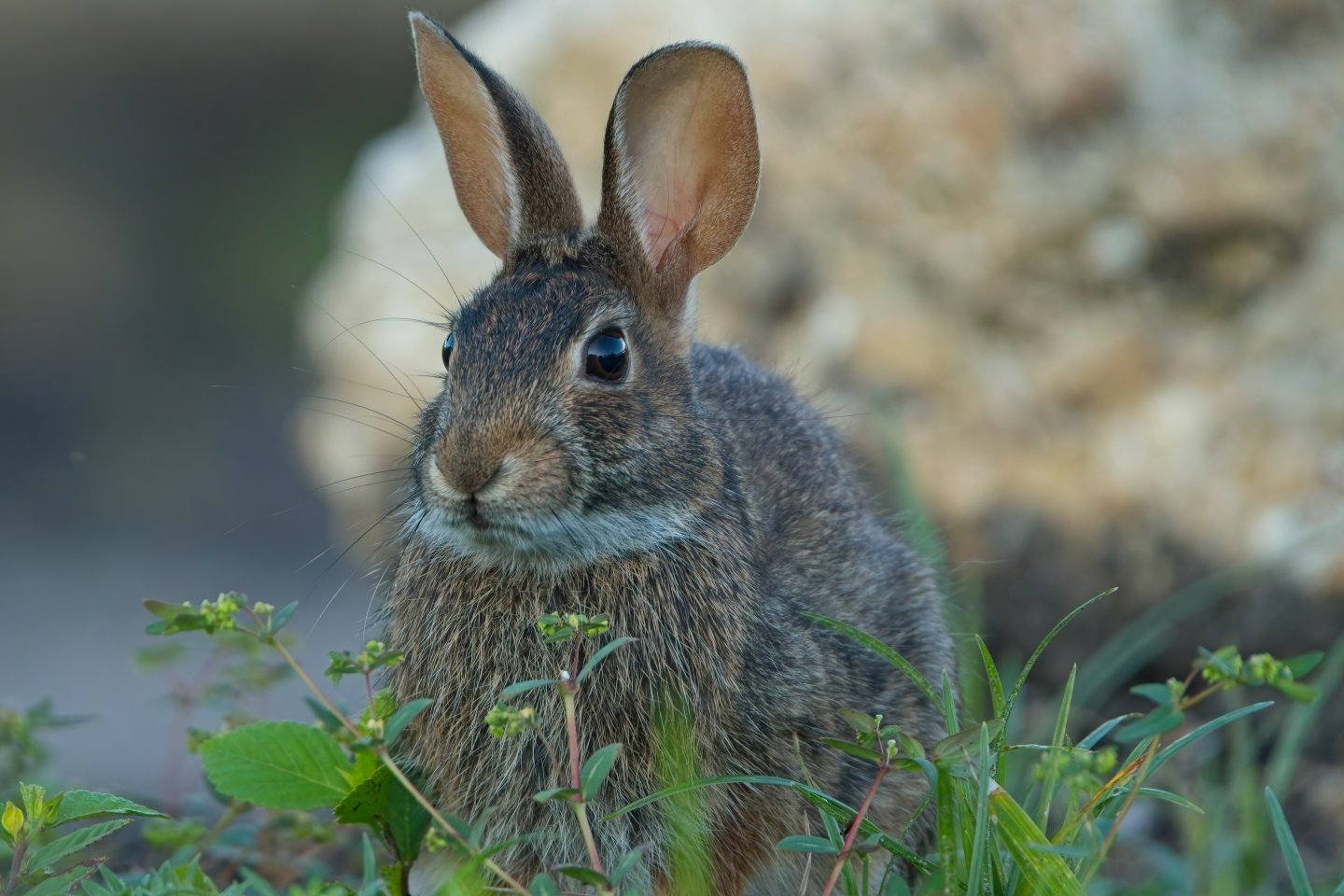
Eastern Cottontail moves through the lush green spaces of Lakes Park, utilizing dense ground cover for effective concealment from potential predators. This keen awareness is supported by a highly developed nervous system that allows for rapid processing of sensory information in their habitat. These rabbits are a common sight in urban and suburban green spaces throughout Florida.
The Eastern Cottontail uses its acute sense of smell to detect potential threats and locate edible plants hidden within the dense park vegetation. This sense is critical for survival in a complex environment like Lakes Park.
Resting low amidst the foliage provides essential shade and insulation, helping the rabbits regulate their body temperature, which is vital in Florida's warm climate. They find both necessary cover and abundant food within managed park environments.
The pelage of the Eastern Cottontail consists of soft, dense underfur covered by longer, coarse guard hairs, which gives them a characteristic fluffy appearance. This coat provides excellent insulation against the changing temperatures of the park.
A distinguishing field mark for this species is the reddish-brown patch of fur located on the nape of its neck, which helps identify the rabbit even when it is well hidden.
The white underside of their tail, often called a flag, serves as a vital visual signal. This flashing movement possibly warns other rabbits of danger or confuses pursuing predators with its sudden, erratic motion.
Their varied diet in lush habitats includes a range of plant material such as grasses, clover, and forbs, allowing them to thrive where greenery is abundant. This diverse diet ensures they can thrive in environments with plentiful greenery like Lakes Park.
#EasternCottontail #LakesPark #FloridaWildlife

No comments:
Post a Comment