American Oystercatchers rely on tidal mudflats and oyster beds for sustenance along the coast of Florida, making habitats like Carlos Point critical for their survival. This post explores the specialized feeding behaviors and dietary requirements of the American Oystercatcher as it navigates the coastal environment. We will look at how these shorebirds interact with their specialized food sources in this dynamic habitat.
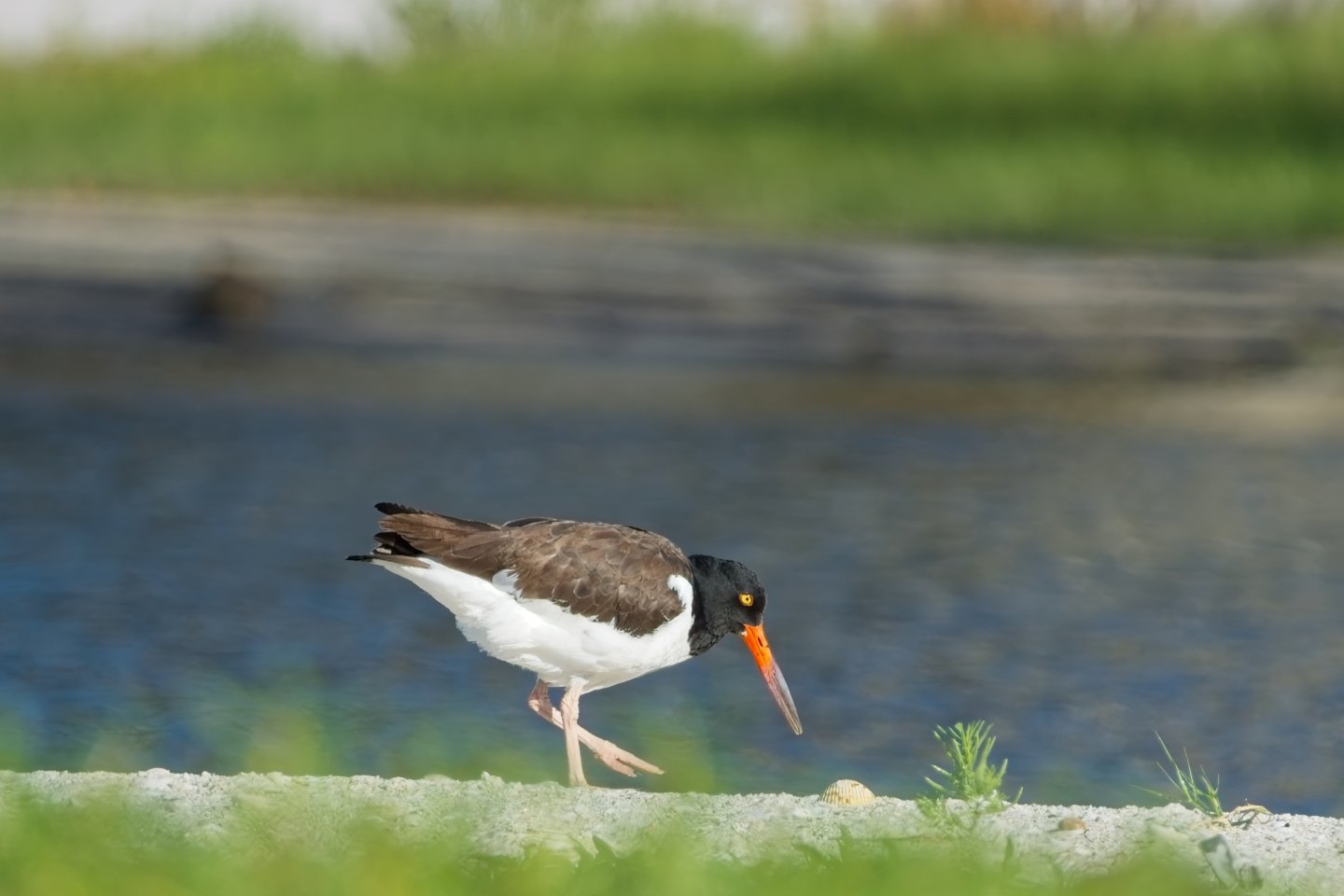
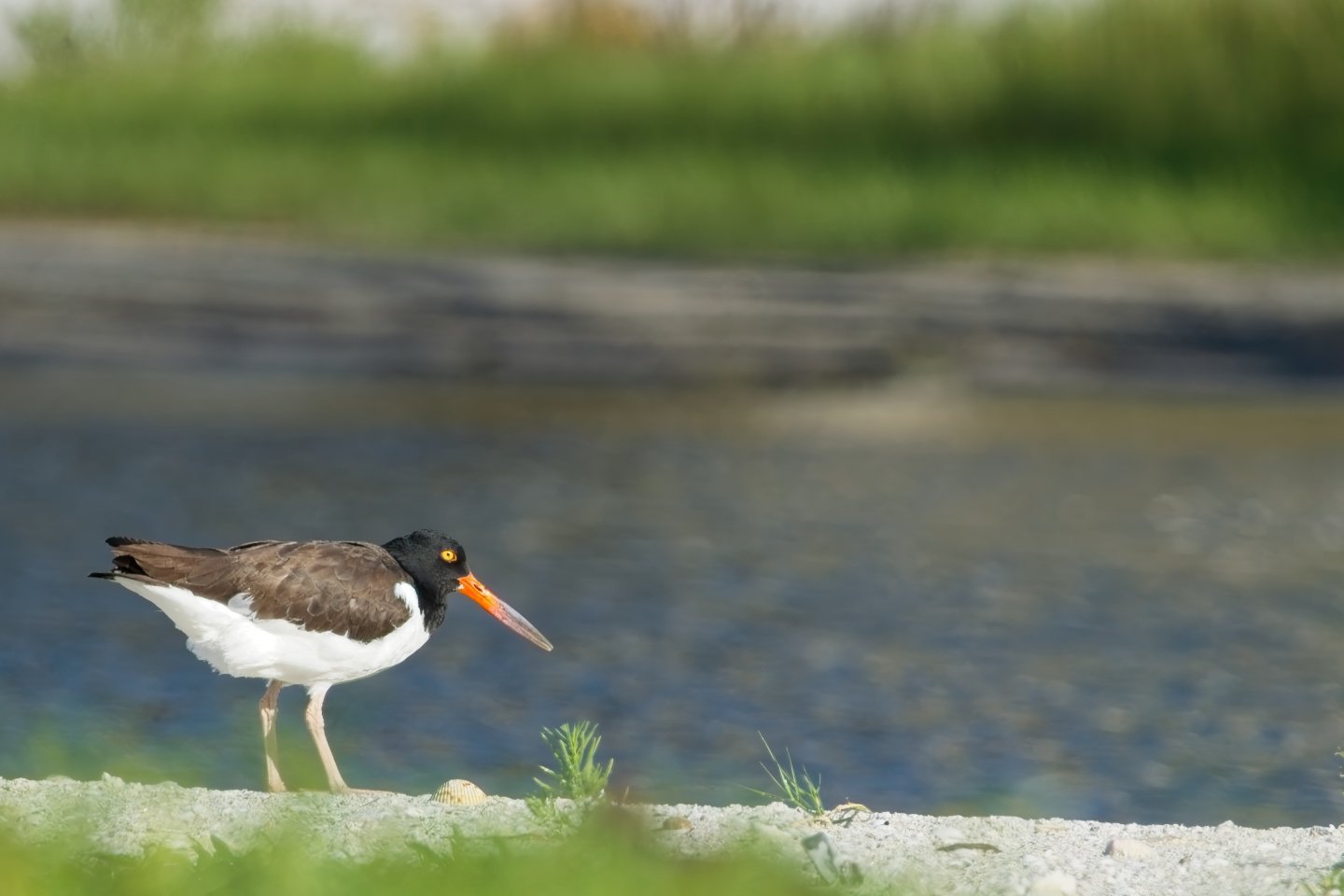
American Oystercatchers primarily forage on tidal mudflats and oyster beds, wading through shallow water to locate their prey near the bank. They typically conduct this foraging during daylight hours, often coinciding with low tide when mudflats are most exposed.
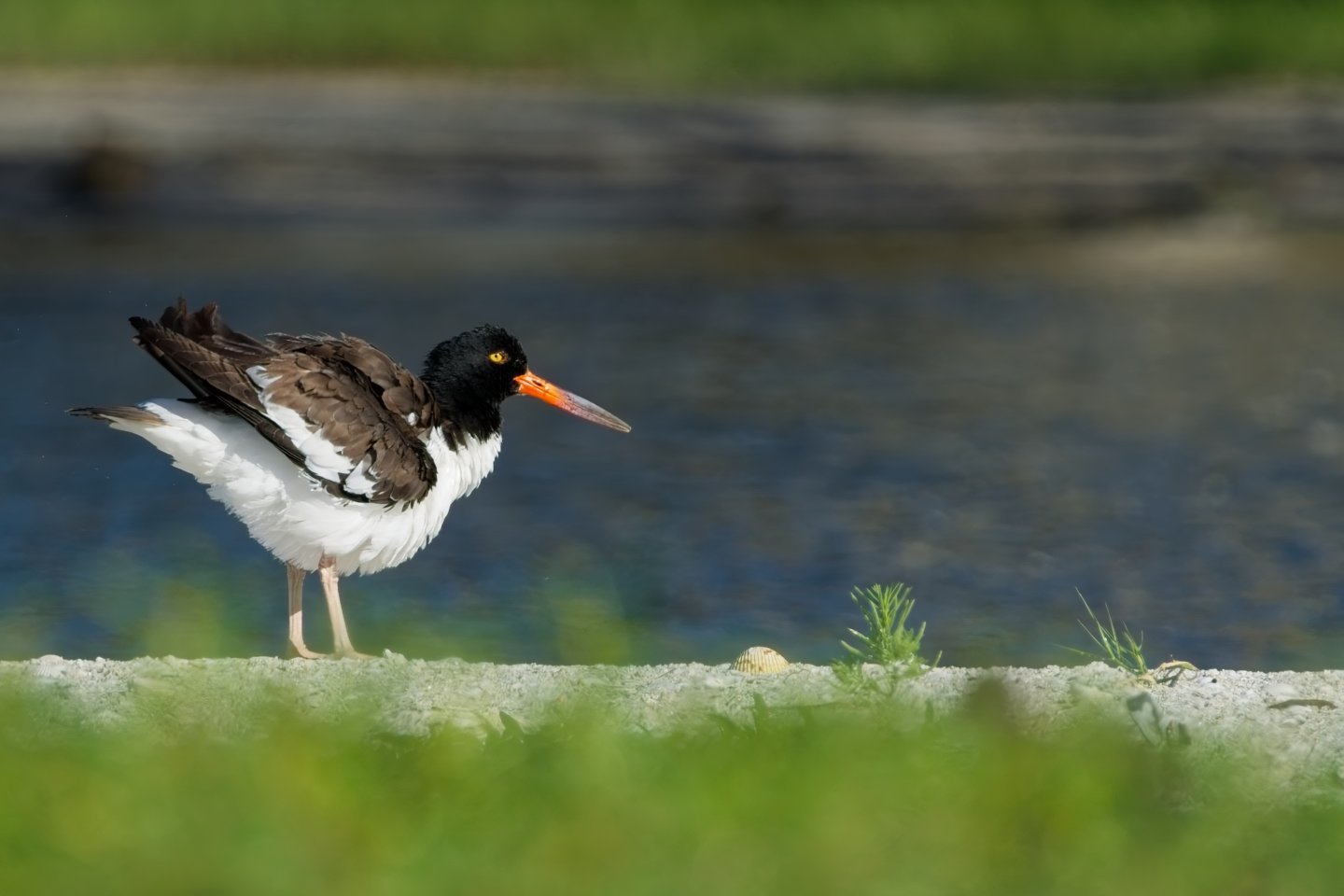
These birds employ specialized feeding techniques to access their food sources. They use their bright orange bill, which is laterally compressed and knife-like, to perform precise actions like stabbing to sever the adductor muscles of bivalves, prying open shells, or hammering them to break them open.
The diet of the American Oystercatcher consists almost exclusively of marine invertebrates, including oysters, clams, and mussels from the coastal waters. This reliance on these organisms defines their specialized foraging strategy in the environment.
The bird’s physical appearance provides distinctive field marks; its black head and upperparts sharply contrast with its white belly and breast. A vibrant red orbital ring encircles the bird's bright yellow eye, adding to its unique facial markings.
Protecting the coastal foraging and nesting sites, such as those at Carlos Point, is essential for the future of this specialized species in Florida.
No comments:
Post a Comment