Thursday, July 2, 2026

Coastal Ritual: The Willet's Vigorous Cleanse at Bowditch Point Park

The sun, a gentle promise of morning light, begins to spill across the shallow tidal flats of Bowditch Point Park. This is the hour when the world awakens, and in this quiet, diffused illumination, a profound display of coastal life unfolds—a vivid testament to the intricate choreography of survival in the dynamic Florida ecosystem. Here, amidst the soft expanse of water and the muted greens of the shoreline, we witness a Willet caught in the heart of an ancient, necessary ritual: a vigorous bath, a meticulous cleanse, and a powerful expression of existence.

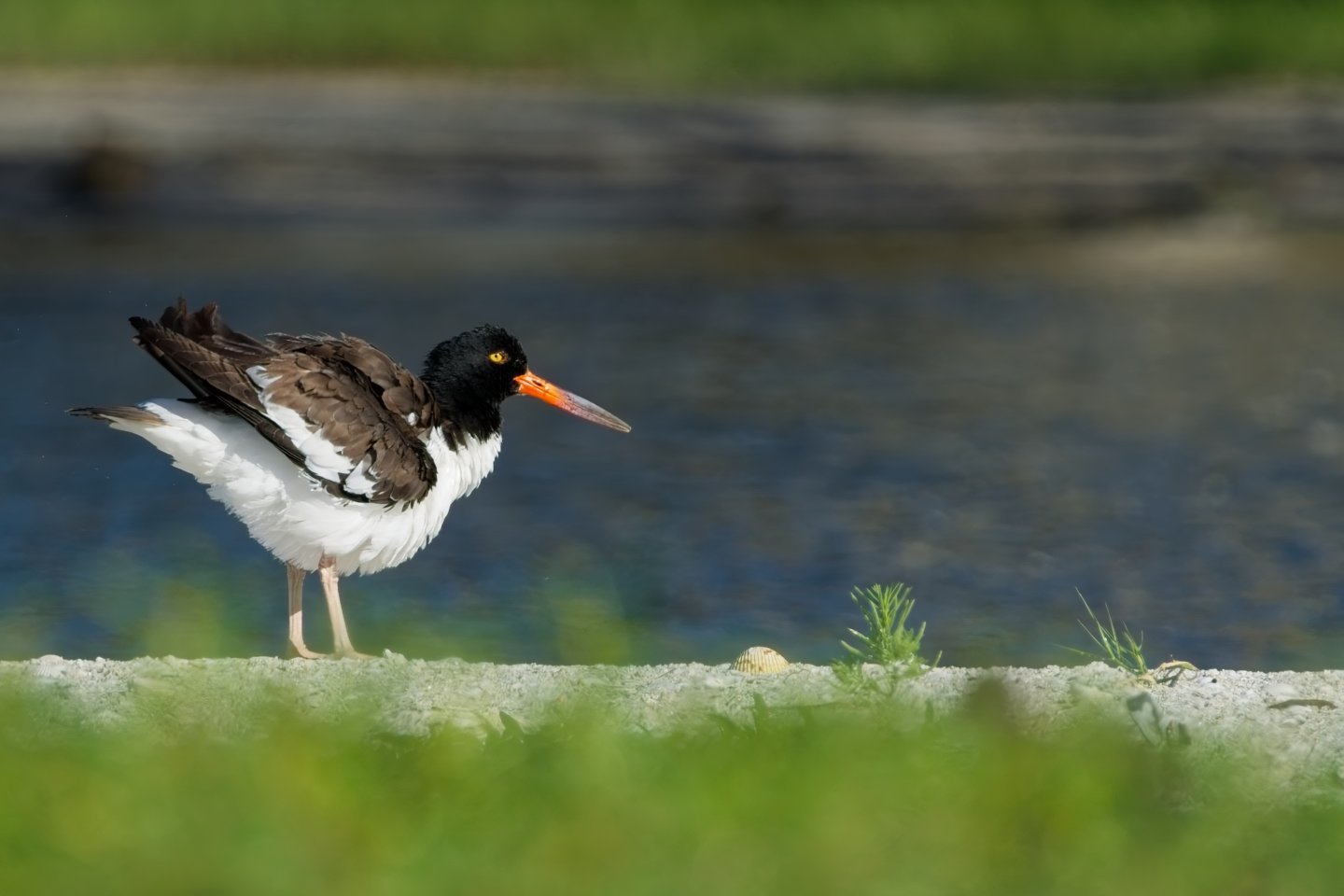
The scene is captured in exquisite detail. A Willet is suspended mid-action, its body a dynamic study in motion against the soft backdrop of the blurred park landscape. Water explodes outward from its form, a spray of liquid energy that catches the rising light and transforms the shallow water into momentary crystal bursts. The bird’s partially extended wings thrash with intent, working the water into a spectacular display as it vigorously splashes itself. Its beak is wide open—a stark, expressive gap in the morning air, hinting at the distinctive and loud call that characterizes this species. This visual moment is more than just a fleeting image; it is the physical embodiment of the Willet’s daily commitment to maintaining its perfect state in a world defined by constant movement and environmental demands.

This dramatic display is not mere extravagance; it is a vital, vigorous ritual essential for the health and survival of these shorebirds. To observe this scene at Bowditch Point Park offers a glimpse into the specific habitat that shapes the Willet’s life cycle. The shallow tidal flats and the calm waters surrounding this park are not merely scenic backdrops; they constitute essential bathing and foraging habitats for Willets and countless other shorebirds. These areas, rich in soft substrates and gently moving water, provide the precise environment where the Willet can perform its daily maintenance, engaging directly with the elements to ensure optimal feather condition.

The necessity of this elaborate cleansing process is deeply tied to the demands of coastal life. Willets engage in vigorous splashing and preening during bathing to clean their feathers and remove parasites. This physical act is a complex biological imperative, ensuring that their plumage remains waterproof, insulated against the often-changing coastal temperatures, and structurally sound for flight and foraging. As morning light begins to penetrate the scene, these birds often initiate this ritual after an initial period of foraging, using the time spent wading not only to find sustenance but also to perform the crucial maintenance required to sustain their presence in such a demanding environment.

The context of Bowditch Point Park is particularly significant when considering the migratory patterns and residency of these birds. This location, situated at the northern end of Fort Myers Beach, serves as a recognized spot where Willets are commonly observed, especially those that are winter residents or migrants passing through the region. The waters here, with their specific tidal dynamics, offer the perfect balance of accessibility and richness needed for this critical daily maintenance routine. Understanding the migratory status of these birds helps contextualize the intense focus on feather upkeep; they are navigating a complex seasonal transition, relying on every resource available to thrive.

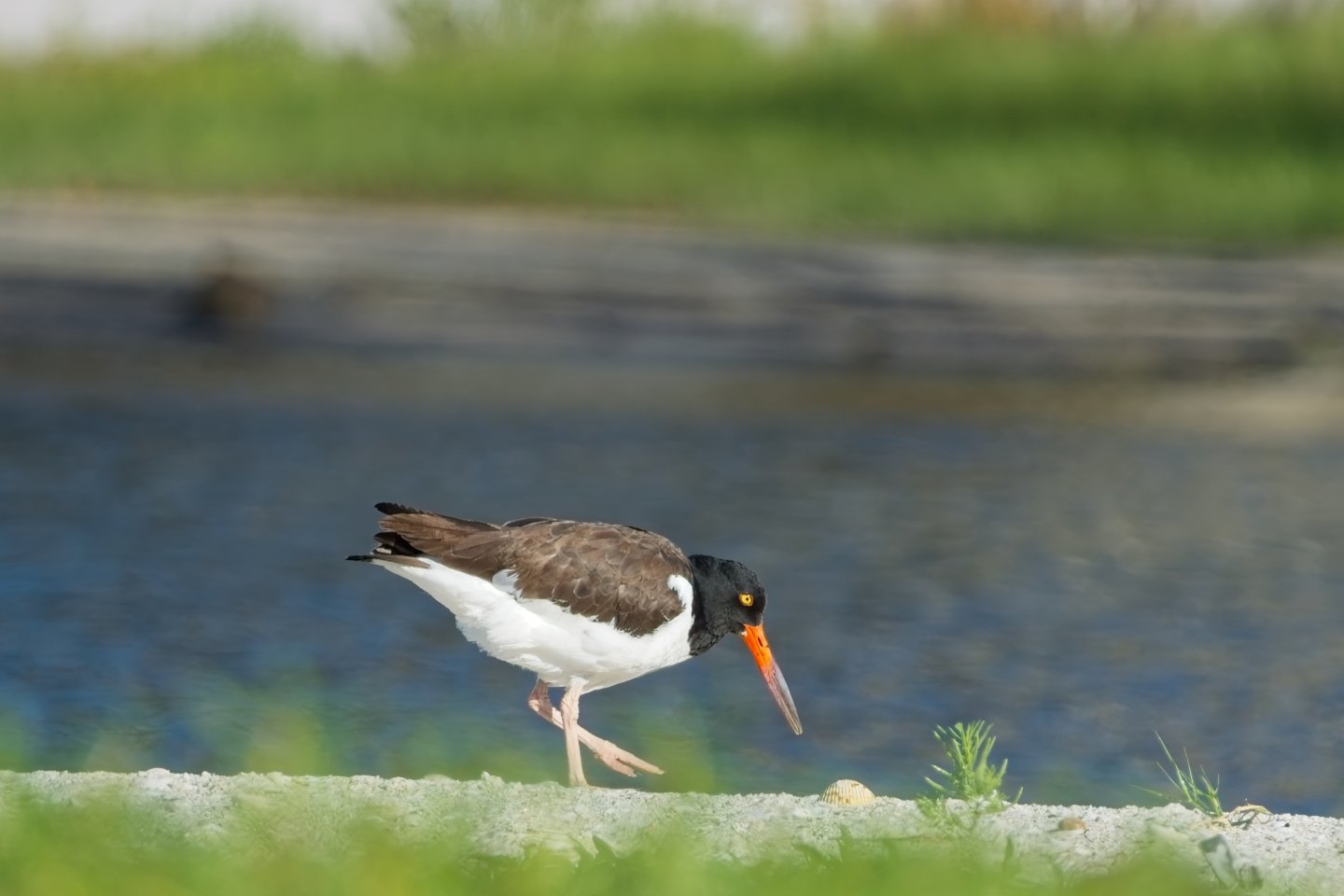
The anatomy of the Willet itself reveals remarkable adaptations finely tuned to its coastal world. These are birds perfectly engineered for wading and foraging within shallow-water environments. Their proportionally long legs allow them to wade effortlessly through the shallows, granting access to the rich substrates where their food sources reside. Coupled with this mobility is a robust, straight bill, a tool exquisitely adapted to probing the soft bottom for sustenance. This combination of physical attributes—long legs and a strong bill—is fundamental to their success in exploiting the resources found within these coastal habitats.

The dietary habits of Willets further underscore their deep connection to the aquatic environment. Their diet primarily consists of crustaceans like fiddler crabs and marine worms, which they locate by probing their sturdy bills into the soft substrates of shallow water. This method of locating food, tactile probing into the substrate, is a specialized skill that links their feeding behavior directly to the physical structure of their habitat. They are not merely wading; they are actively engaging with the ecosystem, utilizing the very environment around them to secure their nutritional needs.

The daily cycle of the Willet’s life encompasses this dual existence: the active foraging required for energy and the necessary ritual of bathing and preening required for physical health. After the initial burst of energetic splashing and cleaning, a period of careful preening ensues. This phase is equally important, ensuring that each feather is meticulously groomed, sealing its intricate structure. It is during this quiet phase that the Willet reinforces the integrity of its plumage, preparing itself for the demands of the day ahead.

The appearance of the Willets observed in Southwest Florida often provides an interesting contrast to their breeding season aesthetics. During their non-breeding residency in Florida, they typically display a plainer, grayer plumage on their back and head. This subdued coloring contrasts subtly with their more boldly streaked, vibrant appearance seen during the breeding season when they are engaged in courtship displays. This seasonal variation speaks volumes about the environmental pressures and the adaptive strategies employed by these birds to thrive across different phases of their annual cycle.

Even when partially extended during this vigorous bath—when the wings catch the light in mid-splash—the underlying structure of the plumage offers a subtle revelation. The movement allows glimpses of the striking black and white pattern characteristic of the species, highlighting the inherent visual brilliance that persists regardless of the immediate activity. This visibility emphasizes the inherent beauty and physical reality of the Willet as a creature perfectly adapted to its coastal domain.

This daily maintenance is therefore far more than routine; it is an essential act of preservation. It is a reflection of the quiet diligence required to maintain health, readiness, and resilience against the backdrop of constant environmental flux. The Willet, acting as a master of its shallow-water domain, reveals a profound commitment to self-care that underlies its striking, dynamic presence. This dedication to ritual underscores the delicate balance between adaptation and biological necessity in the wild.

The experience of observing this scene at Bowditch Point Park is an intimate lesson in ecological interdependence. The health of the Willet is inextricably linked to the health of the tidal flats, the availability of crustaceans, and the calm waters that provide the habitat. The vigorous splashing is a public declaration of well-being, a demonstration of life thriving within a specific, fragile coastal niche. As we watch this natural spectacle unfold in the soft morning light, we are invited to reflect on the powerful, often unseen, rituals that govern the survival of wild creatures.

The resilience displayed by these shorebirds, utilizing their specialized anatomy and engaging in complex behavioral routines, serves as a poignant reminder of the deep, enduring connection between wildlife and their environment. The Willet’s daily cleanse at Bowditch Point Park is a powerful visual metaphor for the continuous effort required to navigate and thrive within a world that is both beautiful and relentlessly demanding. It is a moment of profound natural wonder, capturing the essential essence of life lived fully in harmony with nature's laws.

Coastal Ritual: The Willet's Vigorous Cleanse at Bowditch Point Park

Coastal Ritual: The Willet's Vigorous Cleanse at Bowditch Point Park

Coastal Ritual: The Willet's Vigorous Cleanse at Bowditch Point Park

See more photos on Instagram

The Patient Vigil of the Yellow-crowned Night Heron in the Six Mile Cypress Slough Preserve

The air hangs thick and humid over the Six Mile Cypress Slough Preserve, a vast expanse where water meets the dense, emerald canopy of the cypress swamp. Here, within the labyrinthine shadows of the freshwater wetland, life unfolds with a slow, deliberate grace, governed by the rhythm of the season and the silent demands of survival. It is in this watery domain that the Yellow-crowned Night Heron makes its presence known, a living embodiment of patience and ancient, quiet power. The scene is one of profound stillness, captured by ambient light filtering through the bright green foliage above, illuminating a moment where the natural world holds its breath.

To stand within the Cypress Slough is to enter a realm defined by rich biodiversity and complex interdependencies. The cypress trees, their roots sprawling beneath the murky waters, anchor this environment, creating a unique ecosystem where water, wood, and life intertwine seamlessly. It is in this particular setting that we observe the Yellow-crowned Night Heron, a bird perfectly integrated into the landscape it calls home. Its presence is not an intrusion but an essential marker—a testament to the health and vitality of the entire wetland system.

This magnificent creature, often seen as a solitary figure, embodies the very essence of the cypress swamp. It stands poised at the water’s edge, a statue amidst the verdant backdrop, its gaze directed slightly downwards, reflecting an intense focus on the world just beneath the surface. The light catches the distinctive features of the heron: a deep black head sharply contrasted by a brilliant yellow crown and crest, a striking mark of identity in the dappled shade. Below its eye traces a thick white stripe, defining a pattern that speaks to the unique beauty of this species. The body itself is covered in patterned grey feathers, intricate scales subtly layered across its wings and body, reflecting the complexity inherent in its natural design.

The hunt itself is an act of profound meditation, a perfect demonstration of patience honed by instinct. Unlike the swift, darting movements of many avian predators, the Yellow-crowned Night Heron employs a strategy of absolute stillness. It stands motionless at the water's edge or moves with slow, deliberate steps, using its quiet presence to ambush unsuspecting prey. This patient vigil is not merely waiting; it is an active engagement with the deep secrets of the marsh, tuning into the subtle shifts in the water and the movements of the aquatic life that form its sustenance. A small amount of residue might cling to its sturdy beak after a successful foraging session, a silent testament to the hard-won meal gathered from the depths.

The diet of this heron is highly specialized, perfectly adapted to the rich bounty of the subtropical wetland. Its powerful bill is not merely a tool for grasping; it is a finely tuned instrument designed for crushing the hard exoskeletons of its preferred prey, such as crabs and crayfish. These crustaceans form the core of its diet, providing the rich protein necessary for its survival in this demanding habitat. The strength and structure of its bill are perfectly adapted for this specialized task, granting it access to the vital sustenance that sustains a large bird in an aquatic environment. This specialization underscores the intricate balance within the slough: the presence of these herons signals a robust supply of crabs and other essential invertebrates, which in turn indicates a healthy food web teeming beneath the water’s surface.

The Yellow-crowned Night Heron is a creature deeply intertwined with the seasonal rhythms of Florida, particularly in regions like the Six Mile Cypress Slough. Many populations of this species are year-round residents, integrating completely into the ongoing cycle of life and decay that defines the cypress swamp environment. They navigate the delicate balance between the nocturnal world they often inhabit and the diurnal needs of their young, demonstrating an adaptability that is remarkable for a bird focused on such intense aquatic hunting strategies. While known for their nighttime tendencies, these herons will actively forage during the day, a necessity driven by the demanding requirements of feeding their growing brood. This dual nature—a creature with nocturnal leanings yet active in the daylight—speaks to the complex interplay between light, shadow, and survival within this specific environment.

The environment itself dictates the terms of this existence. The cypress swamps are not static landscapes; they are dynamic ecosystems constantly adapting to water levels, temperature fluctuations, and the ebb and flow of nutrient cycles. For the Yellow-crowned Night Heron, the slough is more than just a place to rest or feed; it is a complex tapestry woven from living roots, flowing water, and a dense biological community. The blurred greens of the slough canopy that frame the heron’s solitary vigil are not merely a backdrop; they are the living context, emphasizing how this bird embodies the very essence of its freshwater wetland home. It exists as a focal point within this lush environment, a living indicator of ecological health.

The patient hunting method observed in the Cypress Slough is a masterclass in minimizing energy expenditure while maximizing opportunity. The heron’s ability to remain perfectly still, allowing the world around it to fade into a soft blur of green and shadow, speaks to an incredible level of focused awareness. This stillness is not inactivity; it is intense sensory engagement, where every flicker of movement on the water or within the undergrowth is processed with acute attention. This quiet observation transforms the simple act of feeding into a profound performance of natural mastery over its environment. It highlights how survival in such complex settings requires more than just physical strength; it demands an intuitive understanding of the subtle, shifting dynamics of the wetland.

The relationship between the heron and its prey is one of perfect adaptation. The bird's powerful bill, designed to crush hard exoskeletons, allows it to access a rich source of protein within the ecosystem. This specialization ensures that the Heron thrives precisely because the wetland supports such a robust population of crabs and other vital invertebrates. When we observe this heron in its natural context, we are witnessing a self-sustaining cycle: a healthy wetland provides abundant food, which supports thriving wildlife, including this magnificent predator, further enriching the overall health of the ecosystem. The presence of these birds serves as an undeniable indicator that the food web remains intact and flourishing within the Six Mile Cypress Slough Preserve.

In reflecting on this scene, one sees not just a beautiful bird, but a living symbol of ecological balance. The Yellow-crowned Night Heron is a singular hunter, perfectly attuned to its watery world, demonstrating a quiet power that transcends mere physical attributes. Its patient watch, a blend of instinct and deep awareness, reveals the intricate, often unseen, balance of this unique freshwater wetland. Each moment spent in silent observation is a thread woven into the living tapestry of the Cypress Slough, reminding us of the enduring, profound relationship between wildlife and the delicate, complex beauty of nature. The heron’s presence ensures that the story of the swamp—the slow, deliberate work of life unfolding under the canopy—continues to be told, one patient moment at a time.

Follow Adventures in Southwest Florida for more hidden wonders.

The Patient Vigil of the Yellow-crowned Night Heron in the Six Mile Cypress Slough Preserve

The Patient Vigil of the Yellow-crowned Night Heron in the Six Mile Cypress Slough Preserve

The Patient Vigil of the Yellow-crowned Night Heron in the Six Mile Cypress Slough Preserve

See more photos on Instagram

Saturday, November 8, 2025

Burrowing Owls and Monk Parakeets: A Morning Adventure in Cape Coral


November 8, 2025 – Adventures in SW Florida

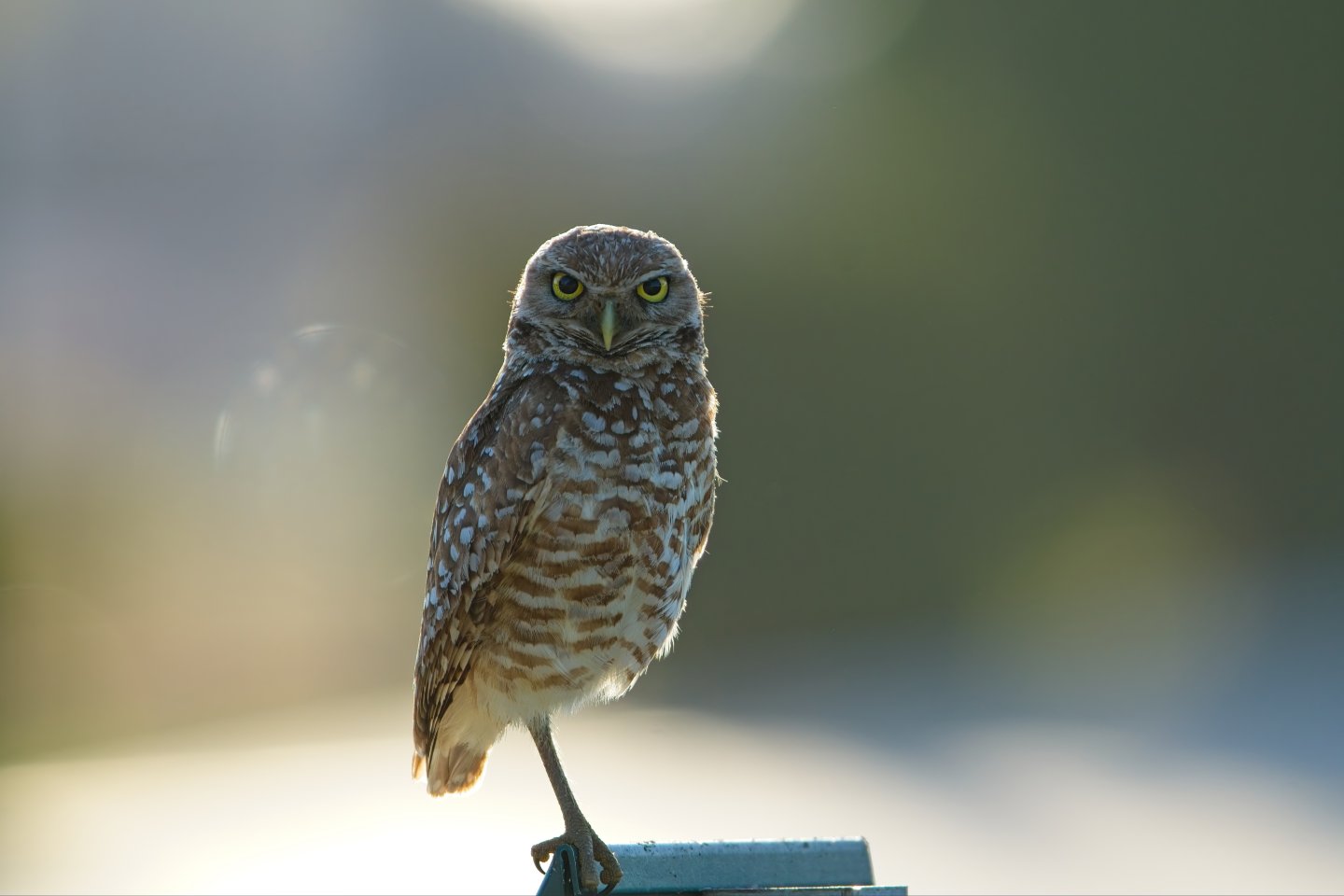
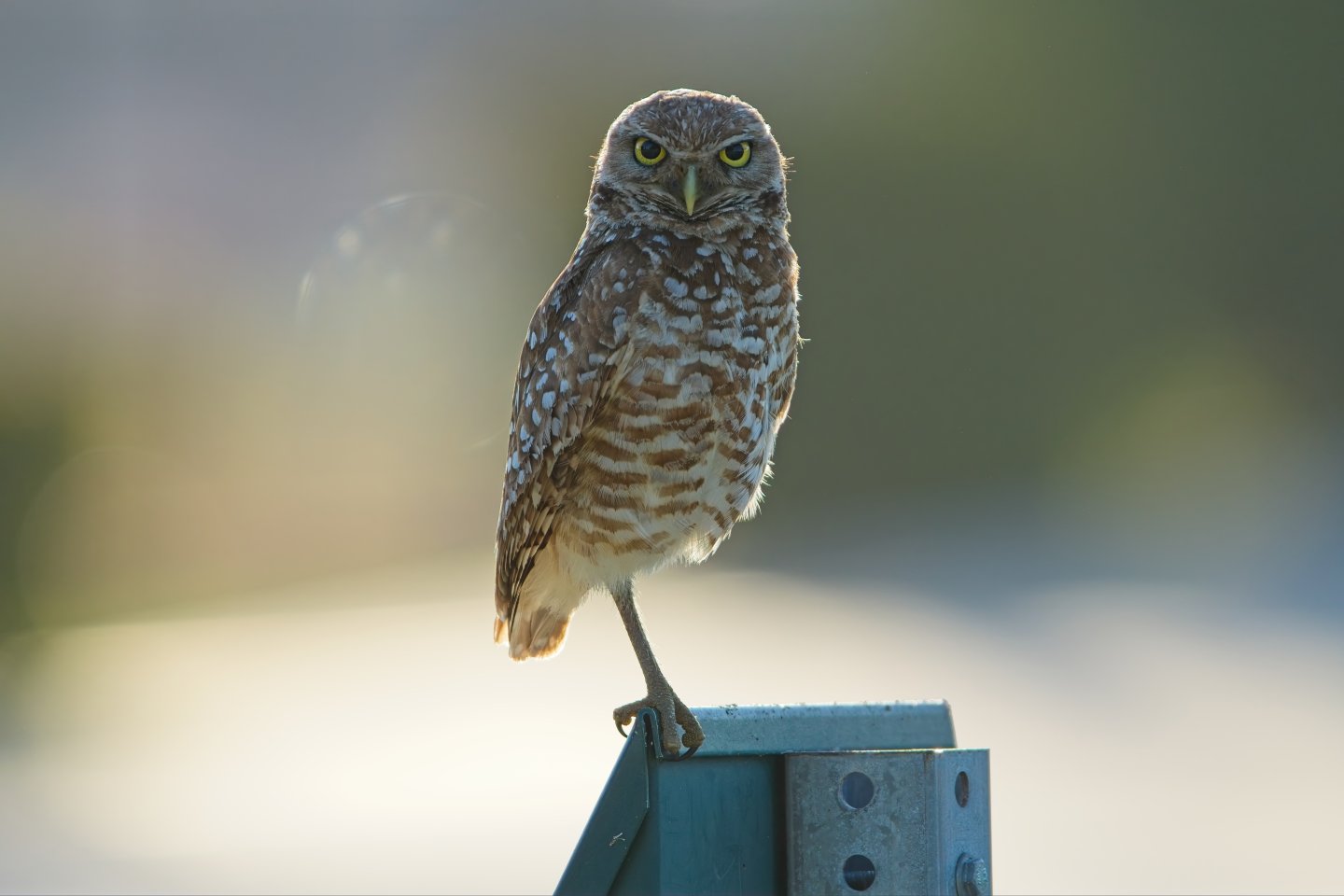
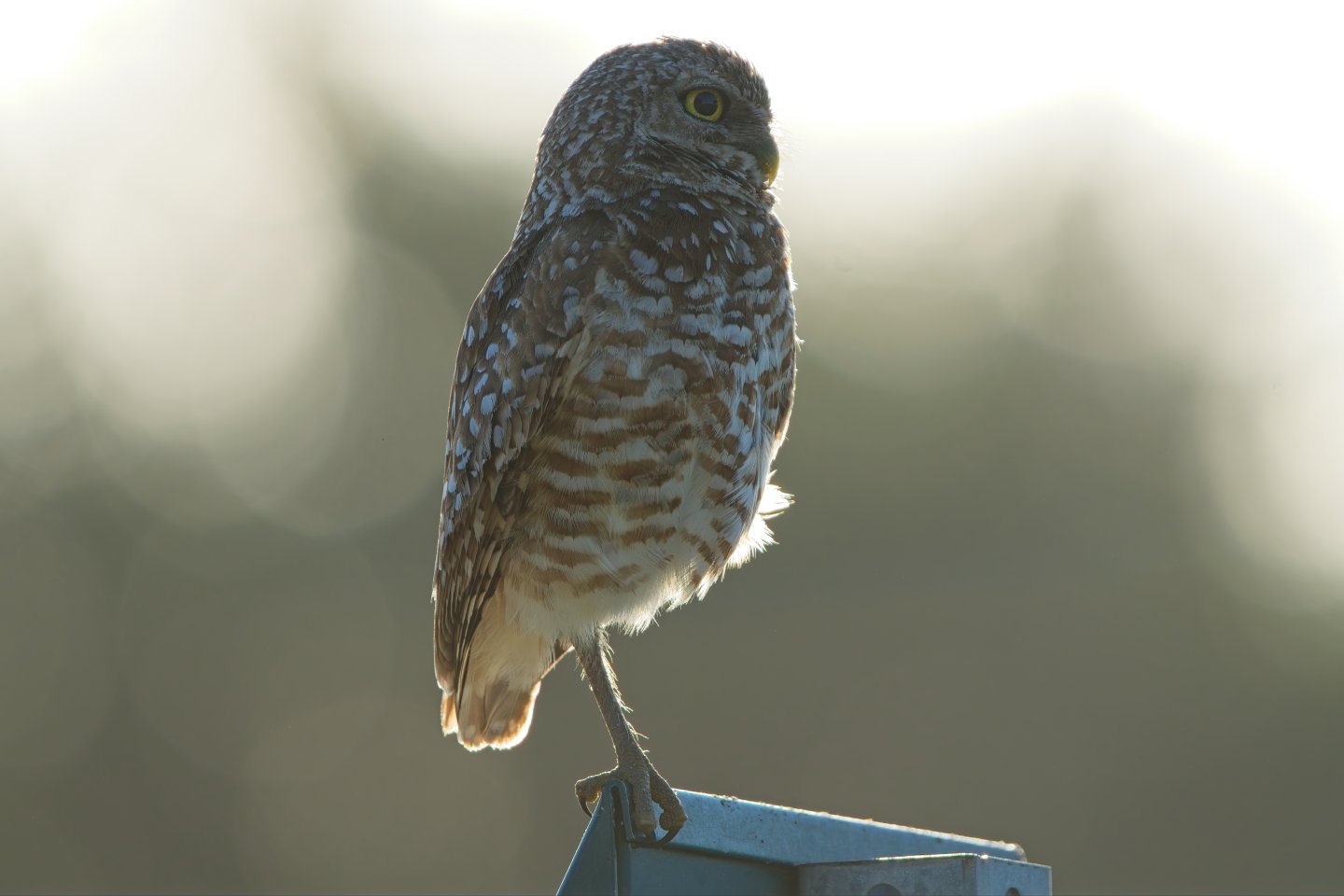
This morning’s adventure started bright and early in Cape Coral, Florida. I set out with my camera gear and a mission: to capture two of the city’s most charismatic bird residents — the Burrowing Owl and the Monk Parakeet. My destination was Pelican Baseball Park, a place I’d heard about but never explored until now. I arrived a little after sunrise, around 7:00 a.m., with the sky still painted in soft golds and pinks — perfect light for photography and discovery.

First Encounter: The Burrowing Owls of Cape Coral

Cape Coral is famous for its Burrowing Owls, and Pelican Baseball Park did not disappoint. As I began walking the perimeter of the park, I quickly noticed the small white crosses that mark their underground homes. It didn’t take long before I spotted the first pair — two curious little heads peeking up from the sandy soil, blinking in the warm morning light.

Each owl had its own personality. Some stood proudly in front of their burrows, while others seemed shy, ducking back down only to pop up moments later. The early morning sun illuminated their soft feathers, bringing out every tiny detail. I must have filled my camera card with a dozen portraits of these adorable residents — each one cuter than the last.

There’s something magical about these little owls. They are Florida natives, perfectly adapted to life in open spaces like parks and empty lots. Unlike most owls, Burrowing Owls are active during the day, which makes them a favorite among birdwatchers and photographers alike. Watching them stretch, preen, and greet the morning felt like sharing a quiet, peaceful moment in nature’s hidden world.

The Colorful Call of the Monk Parakeets

As I was photographing the owls, I started hearing a chorus of excited squawks from across the park. Looking up, I spotted flashes of green darting through the air — the unmistakable Monk Parakeets. They moved in groups, chattering loudly as they flew from power lines to nearby trees.

Monk Parakeets are not native to Florida; they originally come from South America. But over the years, they have become naturalized residents of Cape Coral and other parts of the state. These bright green parrots are known for their social behavior and impressive stick nests, which they often build on utility poles or tall trees. While they may not be Florida’s original inhabitants, they’ve certainly made themselves at home.

Watching them in the wild was an absolute thrill. Their energy is contagious — one moment they’re preening each other, and the next they’re taking off in synchronized flight. I managed to get several good photos, but even without the perfect shot, just seeing them up close in their natural element made the morning unforgettable.

Unexpected Guests and Hidden Moments

Between the owls and the parakeets, there was plenty of other activity around the park. I spotted Blue Jays, always bold and vocal, and several small warblers flitting among the trees. Each corner of the park seemed alive with movement — a reminder that Florida’s urban parks are teeming with wildlife if you take the time to look closely.

The experience felt like a juxtaposition of native and naturalized residents — the grounded, watchful Burrowing Owls and the airborne, lively Monk Parakeets. Both species share the same space, yet each brings its own character and story to the landscape. It’s a perfect reflection of Florida itself: a blend of the wild and the adapted, the familiar and the unexpected.

A Morning to Remember

By the time I packed up my camera, the sun was higher in the sky, and the park was starting to wake up with morning joggers and baseball players arriving for practice. I left with a memory card full of photos and a heart full of appreciation for this corner of Cape Coral.

Every adventure is a reminder that nature thrives all around us, even in the most ordinary places. You just have to look — sometimes underfoot, sometimes in the treetops — and you’ll find something extraordinary waiting.

Have you ever had an unexpected wildlife encounter or a favorite spot for bird photography? I’d love to hear about your adventures in the comments below!

Thursday, October 30, 2025

🐦 Bird Photography Tips: Best Settings for Stunning Shots


Bird photography is one of the most rewarding challenges in nature photography. Birds are fast, unpredictable, and often positioned in lighting that changes minute by minute. Whether perched in the soft glow of sunrise or darting through open sky, each moment is fleeting—and that’s what makes it exciting.
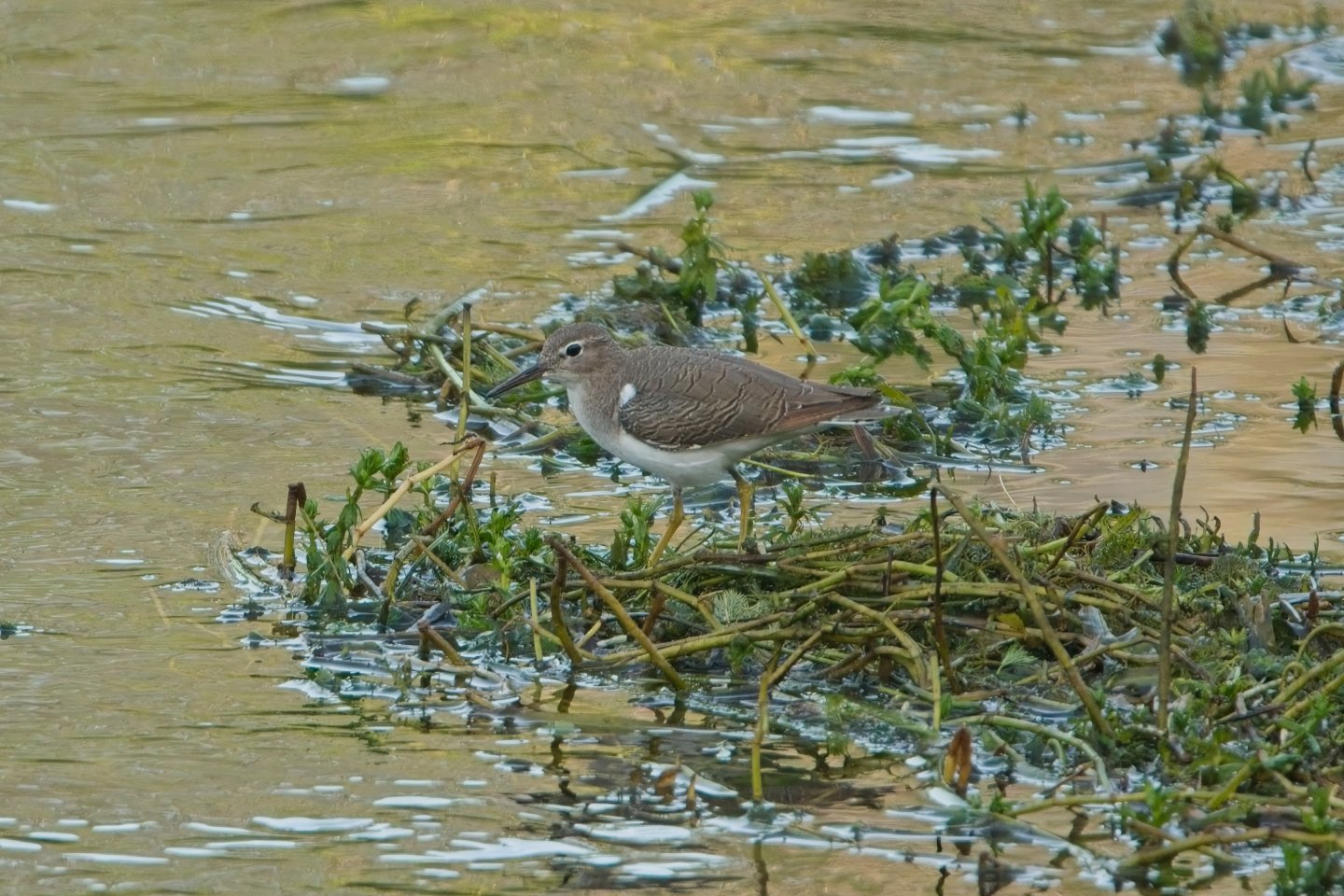
To get the best shots, it’s all about preparation. Having your camera ready for different lighting and motion situations means you’ll spend less time changing settings and more time capturing the beauty of your subject. Over time, I’ve developed three camera presets that allow me to quickly switch between early morning still shots, birds in flight, and brighter afternoon conditions.
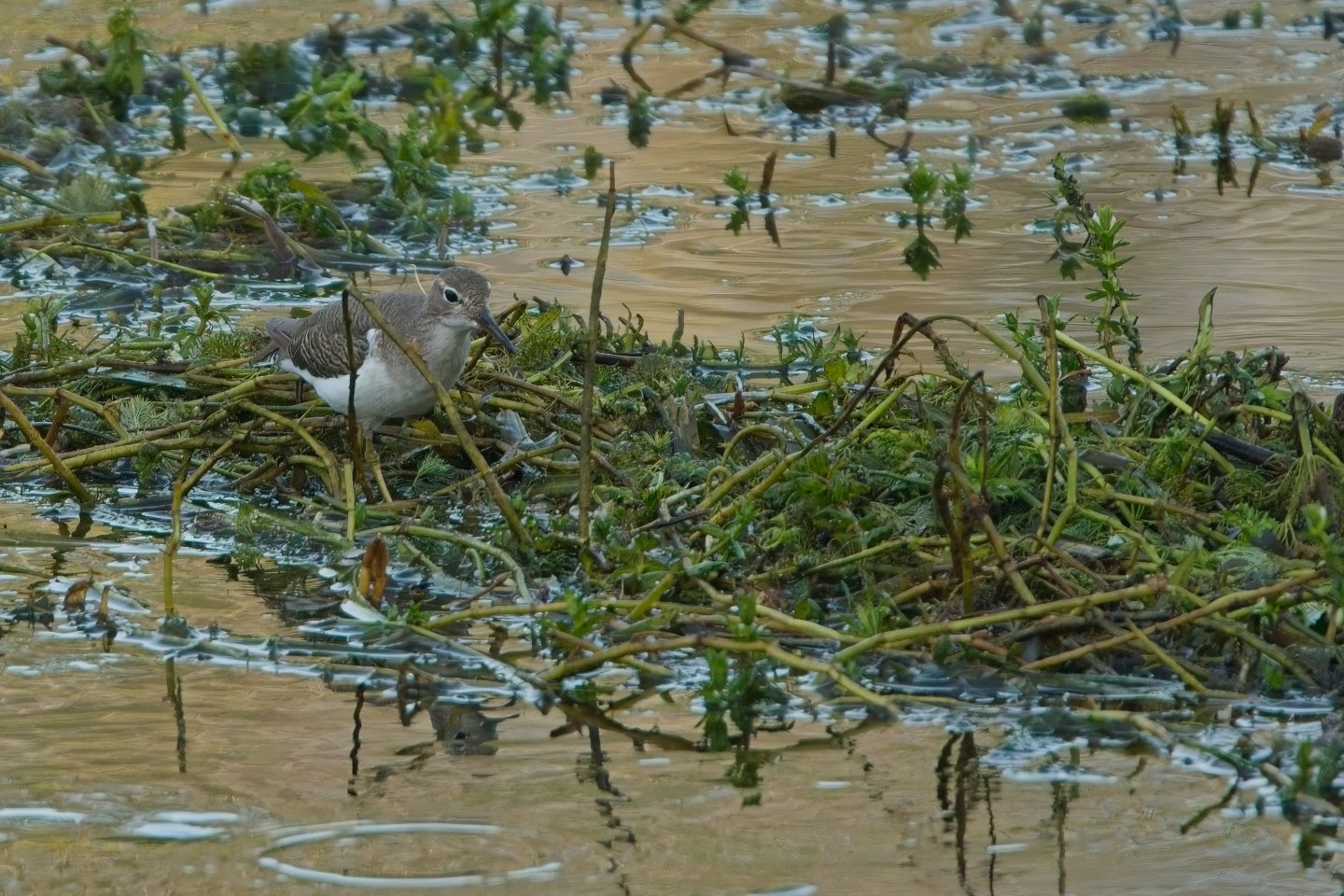
Here’s how I set them up—and how you can adapt them to your own bird photography.


1️⃣ Preset #1: Early Morning – Stationary Birds in Low Light
The early morning is one of the best times to photograph wildlife. The light is soft and golden, creating beautiful reflections and natural color tones. But it can also be dim, especially under tree cover or on foggy mornings.

For this, I keep my shutter speed around 1/250 sec—sometimes even slower if the subject is very still and the light is especially low. This slower shutter speed helps let in more light and keeps the ISO from rising too high.

My settings:

  • Drive Mode: Single shot

  • Focus Area: Flexible Spot (great for pinpointing focus on the eyes or fine details)

  • Aperture: Wide open (to blur the background and isolate the subject)

  • ISO Range: 100–3200

This setup works best for calm moments—like an egret standing in shallow water or an anhinga drying its wings. If your subject is completely still, you can even use a monopod or tripod to prevent camera shake at slower speeds.

πŸ’‘ Tip: When shooting slower shutter speeds, take a few extra frames. Even slight motion from your hands or the subject can affect sharpness, and sometimes just one shot in a sequence will come out perfectly crisp.
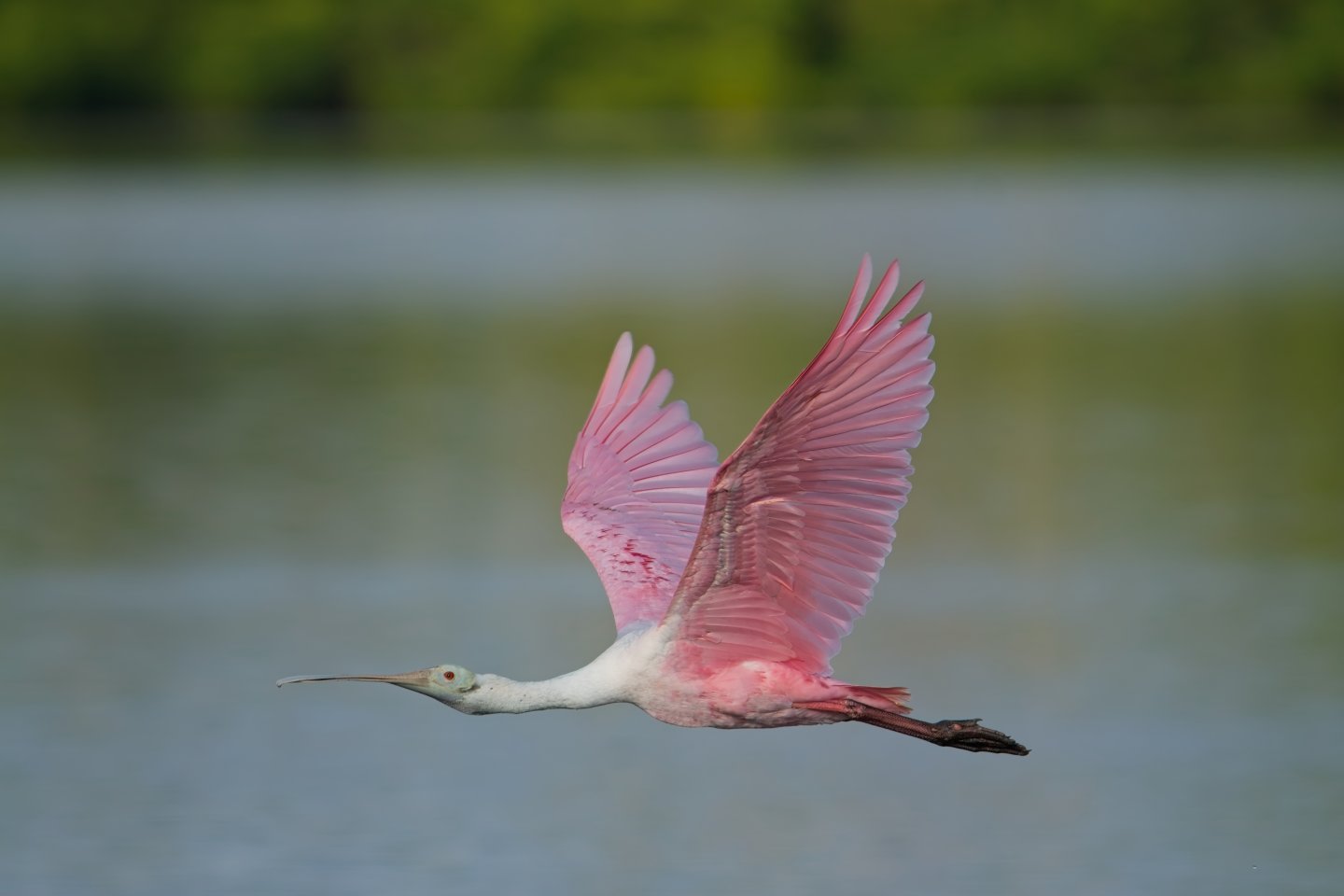
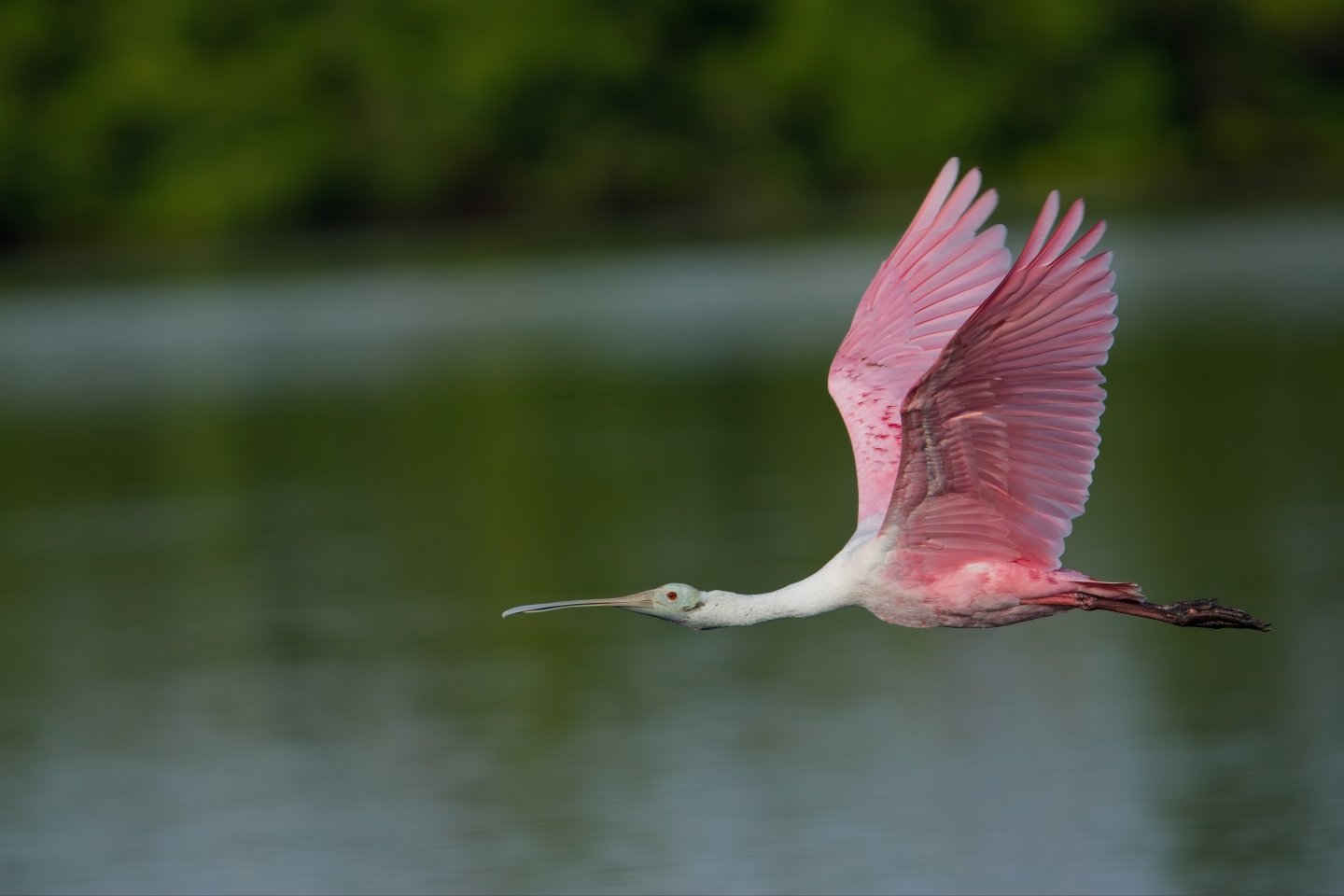

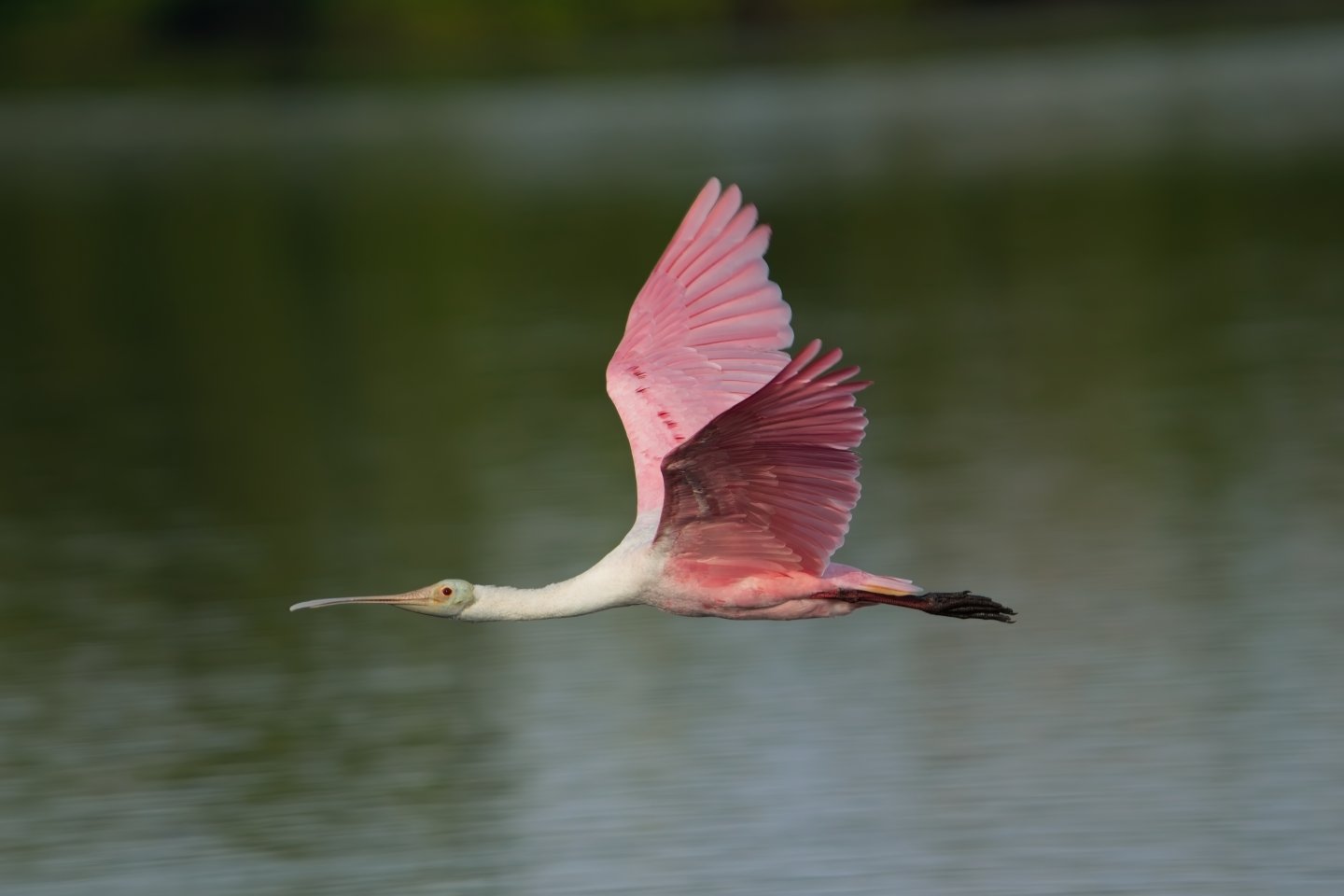
2️⃣ Preset #2: Birds in Flight – Fast Action Mode

Once the sun rises and the birds become active, it’s time to switch to fast action. Photographing birds in flight is one of the most exciting—and difficult—skills to master. Everything happens fast, and it’s easy to lose focus or clip wings.

For flight photography, I use a shutter speed around 1/2000 sec to freeze motion. Smaller, faster birds may even need 1/2500–1/3200 sec to stay sharp.

My settings:

  • Shutter Speed: Around 1/2000 sec (or faster for small, quick flyers)

  • Drive Mode: Burst Mode (highest speed)

  • Focus Area: Wide (to help track unpredictable movement)

  • Aperture: Wide open

  • ISO Range: 100–3200

To keep your bird sharp in flight, move with it—pan smoothly while half-pressing the shutter to track focus. This helps your autofocus stay locked as the bird moves through the frame.

πŸ’‘ Recommended Shutter Speeds by Bird Type:

Practice is key here. The more you learn how different birds take off, bank, and land, the better you’ll time your shots.


3️⃣ Preset #3: Afternoon Light – Bright Conditions and Active Subjects

By afternoon, the light is strong and direct—great for freezing motion and capturing crisp detail. In these conditions, I use a middle-ground setup that allows flexibility for both still and active subjects.

My settings:

  • Shutter Speed: Around 1/800 sec

  • Drive Mode: Burst (medium speed)

  • Focus Area: Flexible Spot

  • Aperture: Wide open

  • ISO Range: 100–3200

This preset is perfect for birds feeding, hopping from branch to branch, or interacting with each other. The light is good enough to maintain detail while keeping your ISO in a clean range for sharp, noise-free images.


⚙️ Why Custom Presets Make a Difference

Wildlife doesn’t wait for you to adjust your settings. Having dedicated presets means you can instantly adapt to changing conditions. If a stationary bird suddenly takes flight, all it takes is a quick turn of the dial and you’re ready.

It’s a simple adjustment that can save precious seconds and increase your success rate dramatically.


πŸ“Έ Bonus Bird Photography Tips

  • Always focus on the eyes: A sharp eye gives life and depth to the photo.

  • Shoot in bursts, not sprays: Use short bursts to save battery and reduce time sorting images later.

  • Anticipate behavior: Watch for cues like crouching, wing movement, or head turns before takeoff.

  • Use natural framing: Trees, reeds, or reflections can add depth and tell a story.

  • Stay low and quiet: A lower perspective often gives a more intimate, natural look.


πŸͺΆ Final Thoughts

These presets have made it easier for me to photograph the diverse birdlife of Southwest Florida—from wading herons and spoonbills to fast-flying ospreys. The more you get out there, the better you’ll understand how light, behavior, and timing all work together.

Photography isn’t just about settings—it’s about connection and patience. Whether you’re photographing your first bird or your hundredth, keep experimenting and enjoy the process.

Each photo tells its own little story—and with practice, your camera will start to feel like an extension of your instincts.

Tuesday, October 21, 2025

A Rare Encounter: The Florida Scrub-Jay and the Acorn


Photo of Florida Scrub Jay
  

There are moments in nature that feel like pure serendipity — when patience, timing, and a touch of luck all align. Last Saturday, I set out on a quiet mission in southwest Florida: to finally spot one of Florida’s most iconic and endangered birds — the Florida Scrub-Jay.

I had parked in a small, unassuming area that I’d read might host a few of these elusive blue beauties. The sun was warm, the air still, and the pine scrub shimmered in that golden Florida light that makes everything feel alive. I grabbed my camera and began walking the block, scanning every wire, branch, and bush for movement.

And then, there it was. A flash of blue on a telephone line caught my eye. I raised my lens, zoomed in, and my heart leapt — I had found one! The unmistakable soft blue feathers and grayish chest confirmed it. But the real excitement came moments later.

As I continued walking, one of these stunning birds swooped down and landed right in front of me, clutching an acorn in its beak. It paused, as if curious about me, and for a few perfect seconds, we shared that quiet connection that only wildlife encounters can bring. I lifted my camera and captured this photo — a Florida Scrub-Jay proudly holding its prize.

Seeing a Florida Scrub-Jay in the wild isn’t just a photo opportunity; it’s a reminder of Florida’s unique ecosystems and the importance of protecting them. These intelligent birds are found only here — nowhere else on Earth — making every sighting feel like a gift.

This encounter was one of those unforgettable moments that fuels my passion for exploring the wild corners of Southwest Florida. You never know what’s waiting around the next bend — sometimes, it’s a rare bird with an acorn, watching you just as closely as you’re watching it.

Monday, October 20, 2025

πŸ¦… An Unexpected Hunter at Rotary Park


Image of juvenile Cooper's Hawk

Saturday’s visit to Rotary Park Environmental Center turned into one of those unforgettable wildlife moments that remind me why I love nature photography. I was quietly focused on a small warbler fluttering through the bushes — a lively little bird I hadn’t yet identified — when, out of nowhere, movement caught my eye.

Out from my peripheral view, a juvenile Cooper’s Hawk glided in and landed right on a limb in front of me. It was so close I could see every feather, the soft barring on its chest, and the intense yellow of its eyes. Suddenly, I realized — I wasn’t the only one watching that warbler.

The hawk perched silently, studying the same bushes where the warbler had darted for cover. Minutes passed in tense stillness — both hunter and hunted hidden in plain sight. Then, breaking the quiet, the hawk let out a sharp, piercing scream before launching itself into the air and disappearing into the trees.

A few moments later, the warbler emerged from the bushes, unharmed but certainly startled — and I exhaled without realizing I’d been holding my breath. I managed to capture several good photos of the Cooper’s Hawk during those few incredible moments, a reminder of how raw and unpredictable the wild can be.

It’s encounters like this that make every early morning and long walk with the camera worth it — when nature suddenly pulls you into its own story.

πŸ“Έ What about you? What’s the most exciting wildlife encounter you’ve ever had? Share your story in the comments — I’d love to hear about it!

🌴 Florida’s Originals: Exploring the Endemic Species of the Sunshine State


When most people think of Florida’s wildlife, they picture alligators gliding through cypress swamps or herons wading in the shallows. But beneath the surface of those familiar sights lives a quieter story — one of species found nowhere else on Earth. These are Florida’s endemic species, uniquely adapted to the subtropical climate, coastal habitats, and ancient geology that make this peninsula unlike any other place in North America.


🐦 1. Florida Scrub-Jay – The Blue Jewel of the Scrublands

Meet the only bird species found exclusively in Florida. The Florida Scrub-Jay thrives in dry, sandy scrub habitats dominated by low-growing oaks. It’s incredibly social — living in family groups that cooperate to defend their territories.
Sadly, the same scrubland they depend on is one of the most threatened ecosystems in the state, making this curious, bold bird a living symbol of Florida’s fragile wild spaces.
πŸ“ Best places to spot one: Oscar Scherer State Park, Merritt Island NWR, and Jonathan Dickinson State Park.


🐍 2. Florida Pine Snake – The Hidden Hunter

This large, non-venomous snake spends much of its life underground, hunting rodents in gopher tortoise burrows. With its pale tan body and dark blotches, the Florida Pine Snake blends perfectly into sandy soils.
It’s rare to see one in the wild — not because it’s aggressive or dangerous, but because it prefers a life of quiet seclusion beneath the surface.


🐒 3. Florida Red-Bellied Cooter – The Sunshine Swimmer

You might’ve seen this turtle basking on logs in freshwater ponds across the peninsula. The Florida Red-Bellied Cooter is often mistaken for other turtles, but its reddish plastron (belly) gives it away.
Uniquely, females sometimes nest in the mounds of alligator nests — a risky move that often works out, as mama gator keeps predators away from both her own eggs and the cooter’s.


🐦 4. Everglades Snail Kite – A Specialist in Survival

This raptor is a true Everglades specialist. The Snail Kite feeds almost entirely on apple snails, using its sharply curved beak to pry them from their shells. Its population rises and falls with water levels, making it a barometer for the health of Florida’s wetlands.
Watching one glide over a marsh at sunrise is a moment that stays with you — graceful, purposeful, and perfectly adapted.


🦎 5. Florida Sand Skink – The Subterranean Slider

Tiny, secretive, and nearly invisible, the Florida Sand Skink “swims” beneath the sand of central Florida’s ridges. Its limbs are so small they look vestigial, and its motion leaves S-shaped tracks across dunes.
It’s a living reminder of Florida’s ancient past, when this region was a chain of islands above a prehistoric sea.


πŸ“Έ Tips for Photographers

  • Use patience and distance. Many endemic species are threatened; respect their space.

  • Go early or late. Cooler temperatures make animals more active and light more dramatic.

  • Document habitats. Capture not just the subject, but the ecosystem that sustains it.


🌿 In Closing

Florida’s endemic species remind us that this state is more than beaches and palm trees — it’s an ecological crossroads, home to creatures shaped by millennia of isolation and adaptation. The next time you explore a scrub ridge, a freshwater pond, or the edge of the Everglades, remember: you might be standing among Florida’s true originals.

Monday, October 13, 2025

8 Essential Tools and Apps for Planning Wildlife Photography Adventures in Southwest Florida


Planning a day of wildlife photography in Southwest Florida can feel like part art, part detective work. The birds, trails, and light are always changing — and that’s exactly what makes it exciting.

I’ve found that a little digital help goes a long way. One of my favorite new tools, eBird.org, makes trip planning so much easier. It shows me local hotspots, recent bird sightings, and seasonal trends so I know what species to watch for before I even lace up my hiking boots.

But eBird is just the beginning. Here are eight other tools and apps I use (or recommend) to help plan the perfect day of exploring, photographing, and connecting with nature across Southwest Florida.


🐦 1. Merlin Bird ID

Created by the Cornell Lab of Ornithology, Merlin Bird ID helps you identify birds by photo, sound, or description. You can even download “bird packs” for Florida, so it works offline — perfect for quiet mornings at CREW or Six Mile Cypress Slough.

πŸ’‘ Pro tip: Record calls in the field. Merlin can often recognize them instantly.


πŸ“— 2. Audubon Bird Guide App

A great all-around field guide for identifying species. It includes images, calls, and range maps, plus connects directly with eBird for recent sightings nearby. A must-have companion for any birder or photographer.


πŸ“ 3. BirdsEye Bird Finding App

This app pairs beautifully with eBird. It shows recent bird sightings, hotspots, and even alerts for rare birds in your area. I love using it to decide which preserve might be most active that week — especially during migration.


🌱 4. iNaturalist (Seek)

Not everything that catches my eye has feathers. iNaturalist helps identify plants, insects, reptiles, and just about anything else in nature. It’s community-powered, so you’ll learn from naturalists and photographers all over Florida.


πŸͺΆ 5. BirdLasser

If you love logging sightings, BirdLasser makes it quick and flexible. You can export your lists to eBird and track your own “life list” right from your phone. It’s a lighter option for those who like simple, clean data entry.


🌎 6. Birda

A social-style birding app that adds a fun twist — you can track your sightings, join challenges, and see what’s being spotted nearby. It’s great for motivation and connecting with other local birders.


πŸŒ… 7. PhotoPills / The Photographer’s Ephemeris / Planit!

These apps aren’t for birding, but they’re indispensable for photographers.

  • PhotoPills helps you plan lighting, sun paths, and even star positions.

  • The Photographer’s Ephemeris (TPE) lets you visualize how sunlight and shadows move over a landscape.

  • Planit! simulates your exact camera position and angle — great for sunrise shots at the J.N. “Ding” Darling drive or sunset silhouettes at Bunche Beach.


πŸ—Ί️ 8. Gaia GPS

A must-have for trail lovers. It lets you map routes, download offline maps, and mark waypoints. It’s especially useful when exploring more remote areas like Hickey Creek Mitigation Park or the north end of Six Mile Cypress Slough.


🌿 How I Use These Tools Together

When I’m planning an outing, here’s my workflow:

  1. Check eBird for recent sightings at local hotspots.

  2. Use Merlin or Audubon to study target species — calls, behavior, and habitats.

  3. Cross-check iNaturalist for non-bird subjects like butterflies, turtles, or native plants.

  4. Plan lighting with PhotoPills or The Photographer’s Ephemeris.

It sounds like a lot, but once you get the rhythm, these tools help you spend less time guessing and more time shooting.


☀️ Final Thoughts

Southwest Florida is full of life — but knowing when and where to look makes all the difference. These tools don’t replace your instincts, they sharpen them.

Whether you’re chasing Ospreys along the coast or exploring hidden trails deep in the sloughs, technology can be your quiet guide to better photos, safer hikes, and unforgettable moments.


Friday, October 10, 2025

πŸ•️ Essential Adventure Gear for Exploring Southwest Florida’s Wild Side


There’s something awe inspiring about setting out into the wetlands, trails, and coastal mangroves of Southwest Florida — camera in hand, ready for the unexpected.
Over the years, I’ve learned that what you bring with you can make the difference between a smooth adventure and a sweaty scramble back to the car.

Here’s what’s always in my pack when I head out on a photo mission or spontaneous hike.


πŸ“Έ My Go-To Camera Setup

For wildlife photography, my Sony a6700 is the heart of every adventure. It’s lightweight but powerful, and when paired with a 100–400mm lens, I can capture everything from a tiny warbler to a soaring eagle without disturbing their space.

πŸ’‘ Tip: If you’re new to nature photography, start with a zoom lens that gives you range without sacrificing sharpness — you’ll thank yourself the first time a bird lands just out of reach.


πŸ₯Ύ Comfortable Hiking Shoes

Florida trails can go from dry sand to muddy swamp in a matter of minutes, so good hiking shoes are non-negotiable. Look for something with breathable mesh and grip for wet terrain.
Your feet will thank you after a few miles of exploring places like Six Mile Cypress Slough or Hickey Creek Mitigation Park.


πŸŽ’ The Essentials in My Backpack

I try to keep it light — too much gear can take the focus off relaxing and enjoying the moment.
Here’s what always makes the cut:

  • 🧴 Water bottle: Florida humidity means hydration is survival.

  • 🌧️ Rain poncho & umbrella: Storms can sneak up fast — don’t let your gear get soaked.

  • πŸ”‹ Solar power bank: Great for long days when you’re shooting video or using GPS.

  • πŸ– Beef jerky: Simple, salty, and perfect for refueling mid-trail.


πŸ•Ά️ Sun Protection That Works

Southwest Florida sun doesn’t play around. I always wear a lightweight, long-sleeve summer hoodie — it keeps me cool and blocks UV rays. Add a wide-brim sun hat, and you’re ready for the brightest trails and open marshes.

πŸ¦‹ Pro tip: Light colors not only keep you cool, but they also attract fewer mosquitoes.


πŸ”­ Bonus Gear: Binoculars

Even with a telephoto lens, I love bringing a small pair of binoculars. Sometimes it’s nice to just watch without shooting — especially when a pair of Roseate Spoonbills or an Osprey glides by.


🌿 Keep It Simple, Stay Present

I’ve found that the best adventures happen when I’m not weighed down by gear. The less you carry, the more you notice — the sound of a Red-shouldered Hawk echoing through the trees, the shimmer of a dragonfly’s wings, or the quiet stillness before a gator surfaces.

In the end, the goal isn’t just the perfect photo — it’s to experience the wild heart of Southwest Florida.


🌴 What’s in Your Adventure Pack?

Do you have a must-have item that makes your outdoor adventures smoother? Drop it in the comments below — I’d love to hear what keeps you prepared on the trail.

Thursday, October 9, 2025

Part 3 - Even More Hidden Wildlife Trails in Southwest Florida: From Hickey Creek to Bowditch Point

Southwest Florida never runs out of surprises. Beyond the well-known preserves and popular boardwalks lie wild spaces where nature still whispers, water glistens in the morning sun, and wildlife moves undisturbed. These are the quiet corners that reward curiosity — where patient photographers, birdwatchers, and explorers discover Florida’s true wild spirit.

If you’ve already explored the trails from our first Hidden Wildlife Gems post, here are even more off-the-beaten-path adventures waiting to be uncovered.


🦎 Hickey Creek Mitigation Park – Alva

Hidden in the peaceful town of Alva, Hickey Creek offers a slice of old Florida filled with oak hammocks, pine flatwoods, and freshwater creeks. It’s a great spot to find gopher tortoises, Eastern bluebirds, and deer roaming quietly through the shade. The trails are wide and serene — perfect for a morning hike or slow wildlife walk with your camera ready.


🐦 Six Mile Cypress North – Fort Myers

While the boardwalk at Six Mile Cypress Slough Preserve gets the attention, the northern section is one of Lee County’s best-kept secrets. This quieter trail system winds through oak and cypress, with fewer crowds and plenty of Pileated Woodpeckers, herons, and butterflies. When the sunlight filters through the canopy, it’s a photographer’s dream.


🐊 Four Mile Cove Ecological Preserve – Cape Coral

Where the Caloosahatchee River meets the mangroves, you’ll find Four Mile Cove — a mix of winding boardwalks and shaded kayak trails. White Ibis, osprey, and fiddler crabs make frequent appearances along the tidal flats. It’s a beautiful escape just minutes from downtown Cape Coral, especially at sunrise when the water glows golden.


🌴 Bowditch Point Park – Fort Myers Beach

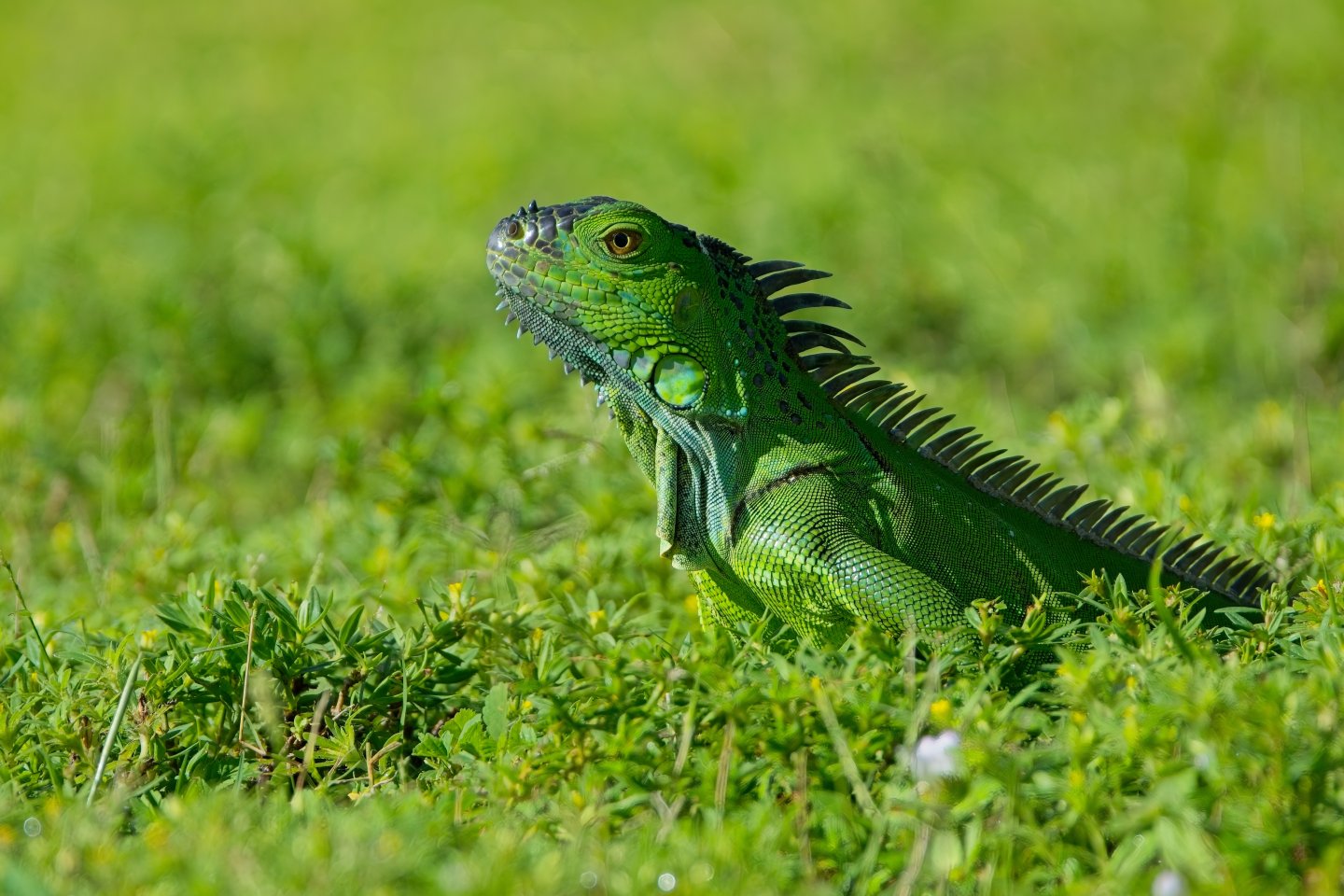
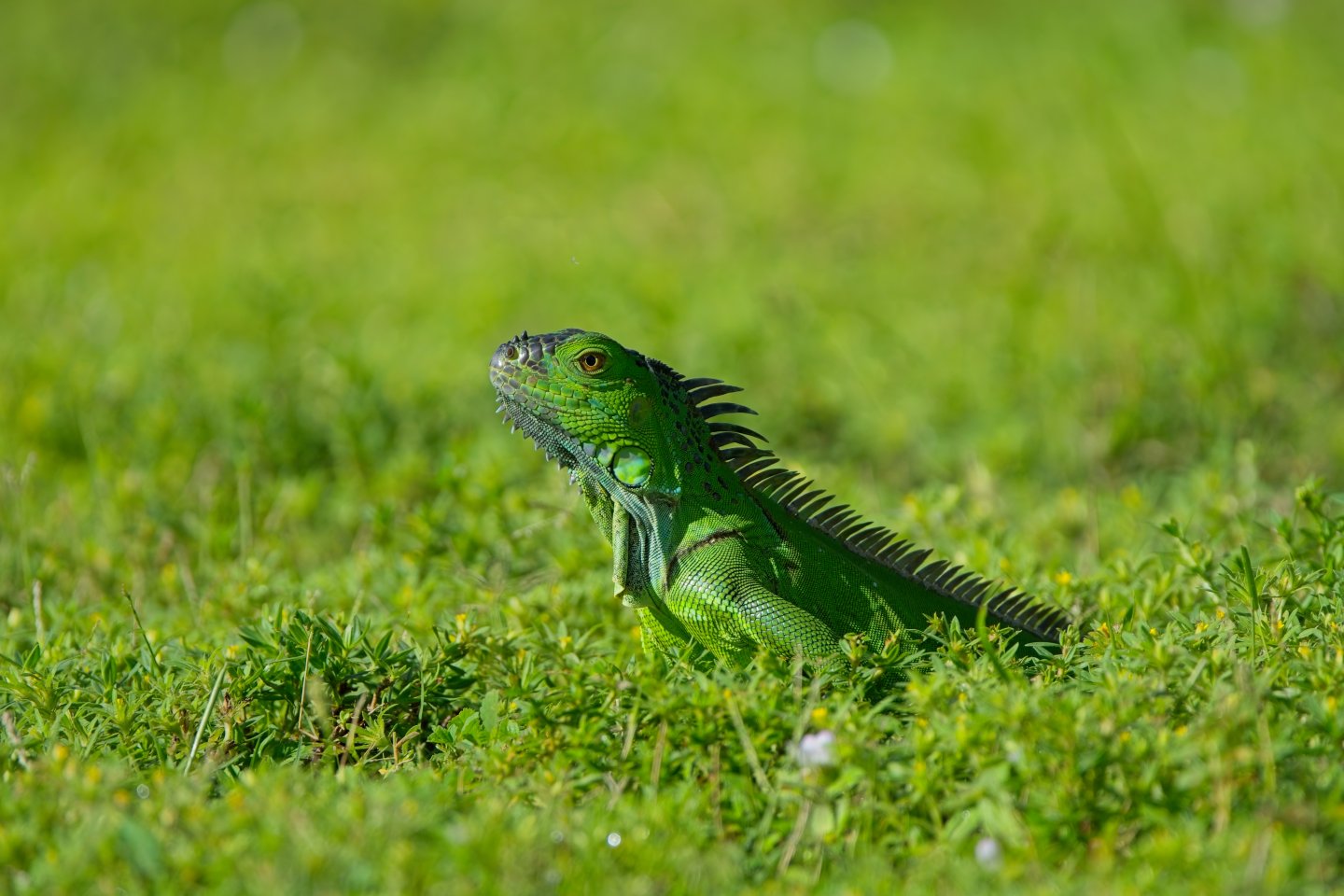
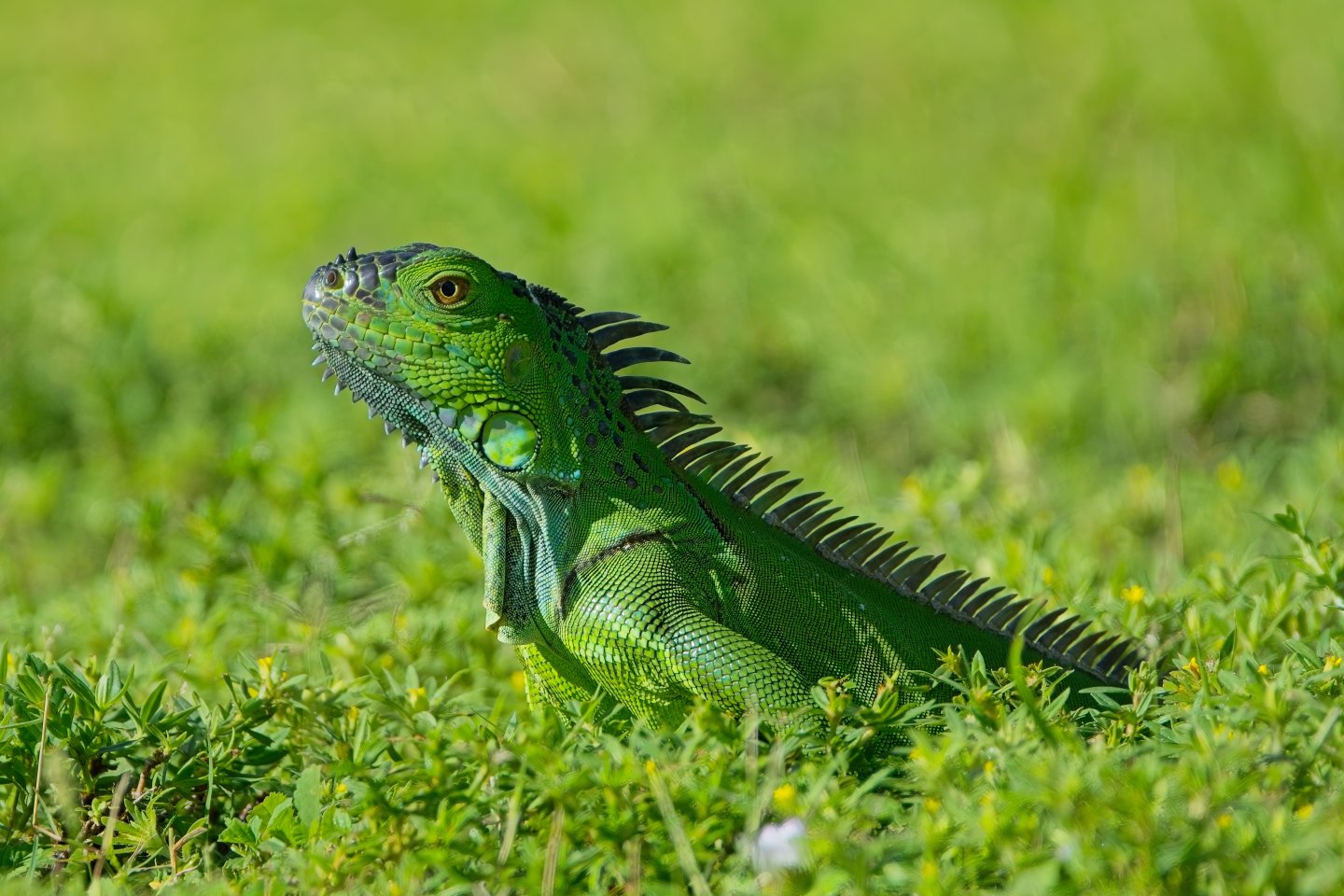
At the northern tip of Fort Myers Beach, Bowditch Point offers a surprising blend of dunes, mangroves, and open shoreline. Pelicans, ibis, and even iguanas bask in the morning sun along the seawalls. Early risers will find some of the most colorful skies and reflective waters — ideal for bird and beach photography alike.


🌿 Koreshan Nature Trail – Estero

A walk through the Koreshan Nature Trail feels like stepping back in time. Along the Estero River, towering bamboo, stately live oaks, and relics of a historic settlement create a setting unlike any other. It’s home to turtles, snakes, and Barred Owls, offering both a sense of history and a living habitat for local wildlife.


🚲 John Yarbrough Linear Park Trail – Fort Myers

Stretching over six miles through the heart of Fort Myers, this linear park follows a quiet canal lined with native vegetation. Look for otters, ducks, and anhingas along the waterway. It’s paved, peaceful, and perfect for walking or biking with a camera in hand — especially around sunrise and sunset.


πŸ¦‹ Prairie Pines Preserve – North Fort Myers

With wide trails that weave through pine flatwoods and scrub habitats, Prairie Pines is a haven for hawks, butterflies, and the occasional bobcat sighting. The open spaces and long views make it a fantastic location for wildlife photography or a casual afternoon hike.


🌾 Caloosahatchee Creeks Preserve North – North Fort Myers

Boardwalks, oak hammocks, and wetland overlooks make this preserve a favorite for nature photographers. Keep an eye out for owls, wood storks, and turtles basking on the logs. It’s a peaceful place to slow down and connect with the quiet rhythms of the river.


🌴 Closing Thoughts

Every one of these trails tells its own story — of mangrove roots, freshwater creeks, quiet pinewoods, and the animals that call them home. Whether you explore them one by one or plan a weekend adventure across several, these hidden places remind us that Southwest Florida still holds wild magic waiting to be discovered.

Grab your camera, lace up your hiking shoes, and let curiosity guide the way.


πŸ’š Plan Your Next Adventure

If this inspired you, check out Part One:

πŸ‘‰ Hidden Wildlife Gems of Southwest Florida 

and Part Two: 

 πŸ‘‰ Hidden Wildlife Gems of Southwest Florida

Follow Adventures in Southwest Florida for daily nature stories, photo tips, and MicroNatDocs that bring the wild to life — one minute at a time.

πŸ“Έ Instagram: @AdventuresSWFlorida

🌴 Explore more: https://adventuresswflorida.blogspot.com

🚢🏼‍♂️ Connect on your favorite Social Platforms


Tuesday, October 7, 2025

🌿 Part 2 - More Hidden Wildlife Gems of Southwest Florida: Secret Trails and Coastal Havens


Southwest Florida’s wild beauty doesn’t stop at the beaches — it hides in mangroves, creeks, and forgotten trails just off the beaten path. If you’ve already explored the well-known preserves, it’s time to discover more of the region’s quiet, untamed corners.

These lesser-known destinations are perfect for photographers, birdwatchers, and anyone who wants to experience wild Florida up close — without the crowds.


🌿 1. Powell Creek Preserve – A Hidden Refuge in North Fort Myers

Location: North Fort Myers, FL
Powell Creek Preserve may be small, but it’s rich in wildlife. The shaded trails follow a winding creek lined with palms and ferns where Little Blue Herons, Anhingas, and even river otters make appearances. It’s an easy loop that delivers surprising biodiversity just minutes from the city.

Photography Tip: Visit after rainfall — the reflections in the creek and light filtering through the canopy make for beautiful compositions.


🐦 2. Rotary Park Environmental Center – Cape Coral’s Wild Heart

Location: Cape Coral, FL
Right in the middle of Cape Coral lies Rotary Park, an unexpected natural retreat. The walking paths weave through salt flats and mangrove edges, where Ospreys, Great Egrets, and Roseate Spoonbills often feed.
Climb the observation tower for panoramic views, or stop by the Butterfly House, home to native favorites like Gulf Fritillaries and Zebra Longwings.

Pro Tip: Late afternoon brings soft golden light and frequent osprey activity — perfect for photographers.


🐒 3. Bailey Tract – Sanibel Island’s Quiet Wild Side

Location: Sanibel Island, FL
Hidden within the J.N. “Ding” Darling National Wildlife Refuge system, the Bailey Tract is a serene network of gravel trails winding through freshwater marshes and wetlands.
Here, you’ll find Common Gallinules, Mottled Ducks, Tricolored Herons, and the occasional Marsh Rabbit darting between reeds. It’s the kind of place where you can hear the wind through the grasses and the rhythmic calls of wading birds all around you.

Best Time to Visit: Early morning for active birdlife and soft light.


🦩 4. J.N. “Ding” Darling Wildlife Drive – Sanibel’s Living Sanctuary

Location: Sanibel Island, FL
If you only visit the beaches of Sanibel, you’re missing one of Florida’s most remarkable wildlife experiences — the Wildlife Drive at J.N. “Ding” Darling National Wildlife Refuge.
This 4-mile scenic drive winds through mangrove estuaries and tidal flats teeming with life. You’ll see Osprey, Roseate Spoonbills, White Pelicans, Reddish Egrets, and even alligators along the banks.
You can drive, bike, or walk it — and each turn offers new surprises as tides and seasons change the landscape daily.

Photography Tip: Visit during low tide for feeding shorebirds and mirrored water reflections.

Why It’s Special: It’s accessible yet wild — a front-row seat to Southwest Florida’s coastal ecosystem in motion.


πŸ¦‹ 5. Galt Preserve – Pine Island’s Natural Sanctuary

Location: St. James City, FL
Galt Preserve offers a mix of pine flatwoods, wetlands, and coastal hammocks that make it a peaceful destination for wildlife watchers.
Expect Great Egrets, Eastern Cottontails, and a flutter of butterflies around the ponds. The observation platform overlooking the lake provides a tranquil spot for photography or reflection.

Insider Tip: Arrive mid-morning when sunlight highlights the water lilies and shoreline activity.


🌴 6. Caloosahatchee Creeks Preserve – Where River Meets Wilderness

Location: North Fort Myers, FL
Caloosahatchee Creeks Preserve showcases Florida’s riverine wilderness with a mix of boardwalks, cypress stands, and open trails.
Here, Pileated Woodpeckers, Red-shouldered Hawks, and turtles thrive among the old-growth trees. The East Preserve section in particular offers elevated paths perfect for spotting wildlife during the wetter months.

Pro Tip: Bring bug spray and patience — this is real Florida, unfiltered.


πŸŒ… Why These Hidden Spots Matter

These tucked-away preserves and trails prove that Florida’s wild heart still beats strongly — you just need to know where to look.
Exploring places like Powell Creek, Rotary Park, Bailey Tract, and Ding Darling’s Wildlife Drive not only rewards you with unforgettable encounters but also supports conservation by spreading awareness and respect for these habitats.


πŸ’š Plan Your Next Adventure

If this inspired you, check out Part One:

πŸ‘‰ Part 1 - Hidden Wildlife Gems of Southwest Florida 

 Follow Adventures in Southwest Florida for daily nature stories, photo tips, and MicroNatDocs that bring the wild to life — one minute at a time.

πŸ“Έ Instagram: @AdventuresSWFlorida

🌴 Explore more: https://adventuresswflorida.blogspot.com

🚢🏼‍♂️ Connect on your favorite Social Platforms